Hello Kitty: Good Night
- 275.00
- 4.8
- Installs
- 5.00M
- Price
- Free

Screenshots
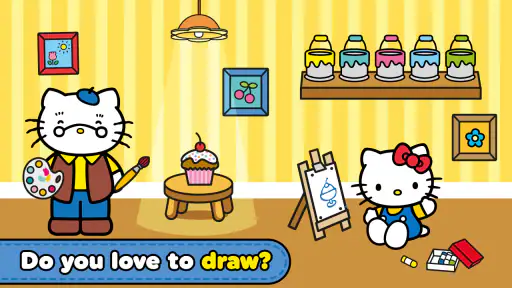
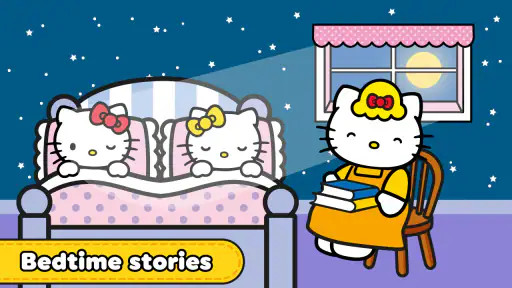
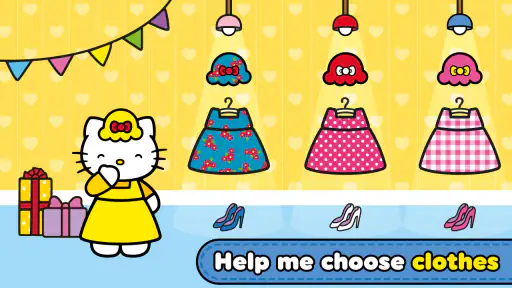

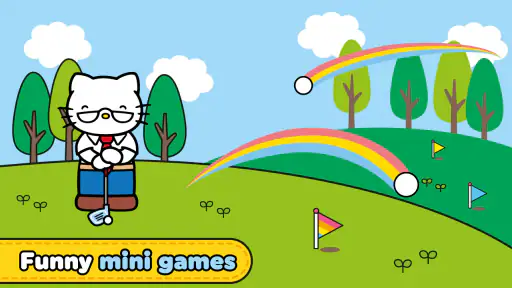
Analysis by Reviewed
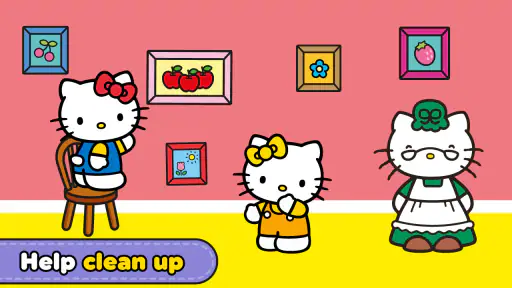
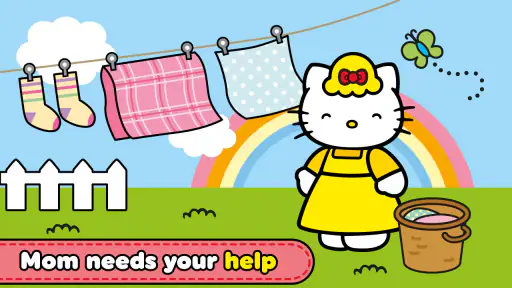
Bedtime can turn into a negotiation surprisingly quickly: one more story, one more drink, one more reason to stay awake. I tried Hello Kitty: Good Night as a gentle way to make that transition feel more like a shared routine than a command to go to sleep. It is a free educational game from Hippo Kids Games, built around helping Hello Kitty settle down and telling bedtime stories to children and her family.
My first impression is that this is not trying to be a full game with difficult goals or a long progression system. Its appeal is quieter. It gives children a familiar character, simple interactions, and a bedtime theme that parents can use as part of an evening wind-down. That makes it easy to understand, but it also means the right question is not “Is this the biggest game for children?” It is “Will this fit the bedtime routine we already have?”
How I Decided Whether It Fits a Bedtime Routine
I looked at the game through four practical questions. Is it calm enough for the time of day? Can a young child understand what to do without constant adult help? Does it offer something beyond simply showing Hello Kitty on screen? And does it replace a story, or work better as a small activity before a real story and sleep?
On those points, the game makes a sensible first impression. The central idea is immediately recognizable: Hello Kitty is getting ready for bed, and the child helps with that familiar process. There is no complicated premise to explain. For a child who already knows the character, the setting does much of the work before the first interaction even begins.
The educational label also makes sense in a broad, everyday way. This is not a lesson app disguised as a cartoon. Instead, it places children in a routine they understand and lets them follow along through simple choices and story moments. I would describe it as routine-based learning through play, rather than formal education.
That distinction matters for parents choosing between children’s apps. If you want letter practice, number exercises, puzzles, or a measurable learning path, this is not the strongest category match. If you want a familiar bedtime setting that encourages attention, sequencing, and participation, it is much more relevant.
What the first few sessions feel like
In my experience, the best use is with a child nearby rather than as an app switched on and forgotten. A parent can ask what Hello Kitty should do next, invite the child to describe the bedtime scene, and then use the story as a bridge to the household’s own routine. That turns a short digital activity into a conversation instead of another isolated screen experience.
More From Our News Desk

Clash of Clans Is Won Between the Battles

Android Auto Makes the Case for Quieter Car Software

MobiOffice: Transforming Mobile Productivity with Seamless Integration

EA SPORTS FC™ Mobile Soccer: Redefining Mobile Sports Gaming

How Microsoft OneDrive Became a Mobile Productivity Giant

How Google Translate Breaks Language Barriers Effortlessly
One useful tip is to decide the stopping point before opening the game. Young children may not naturally separate “bedtime game” from “playtime,” especially when they are enjoying the character. I found it more effective to present it as one step in the routine: wash up, use the app for a short shared moment, then put the device away for the final story or lights-out.
This approach also answers a common concern: can it be used independently? A child who is comfortable with simple mobile games may manage much of the interaction, but younger children will probably get more from it with an adult present. The value is not only in tapping through the scenes. It is in the parent’s voice, the questions asked, and the connection between the digital story and real bedtime habits.
Where the Hello Kitty setting gives it an advantage
The character choice is more important than it may look. Hello Kitty brings a soft, recognizable tone that suits a bedtime theme better than an action-focused mascot would. The game does not need to spend much time convincing a child that the setting is friendly. Familiarity can reduce the friction of trying something new, particularly for children who are selective about which characters they will follow.
That familiarity also helps when introducing the game to siblings. A child who is already interested in Hello Kitty may be willing to show the activity to a younger brother or sister, while the older child can take on a small guiding role. I would not treat that as a replacement for adult supervision, but it can make the routine feel shared rather than imposed.
Another strength is thematic consistency. The game is not asking a child to jump between unrelated mini-games before sleep. Its focus stays connected to nighttime and stories. For families trying to avoid highly stimulating entertainment in the evening, that focus is a meaningful advantage over general children’s game collections.
The public response suggests that many families find the concept appealing: the game has a 4.8 average from around 9.6 thousand ratings, with more than 5 million installs. Those figures do not guarantee that every child will enjoy it, but they do show that the format has reached a substantial audience and made a strong overall impression.
Small details that make the experience work better
The first non-obvious advantage is that the game can act as a transition cue. Used consistently, the same Hello Kitty bedtime sequence can signal that active play is ending. The app itself cannot create a routine overnight, but repeating the same order around it can help a child recognize what comes next.
The second is its usefulness for storytelling practice. Instead of treating the story as something the child only watches, pause and ask the child to predict what might happen or retell the scene afterward. This turns a passive moment into a simple language activity without changing the app or adding another educational tool.
The third is that it can help parents test whether a child responds better to visual prompts or spoken instructions. If the child follows the on-screen bedtime sequence more readily than a verbal reminder, you may learn something useful about how to structure the rest of the evening. That is a practical benefit, even though it is not presented as a formal feature.
A fourth tip is to keep the device physically separate from the pillow. The game may support a calmer mood, but a phone or tablet still creates the possibility of extra browsing or repeated play. Opening it in a shared family space and putting it away afterward preserves the bedtime purpose.
How It Compares With Other Choices
Against ordinary bedtime-story apps
A traditional story app usually puts the story itself at the center. That can be better when a child wants to listen quietly, especially if the parent is tired or needs a predictable narrated format. Hello Kitty: Good Night is more interactive in spirit, so it fits families who want the child to participate rather than simply receive a story.
The trade-off is that interaction can require more involvement. If your goal is to dim the lights, start one story, and avoid further discussion, a straightforward reading app may be more convenient. If your child resists books because they feel like another instruction, the familiar character and game-like structure may be the easier entry point.
Against general educational games
General educational games normally offer broader subject coverage. They may be more suitable for a child who wants puzzles, counting, matching, or repeated skill practice. This title is narrower by design. Its educational value comes from context, routine, and storytelling rather than from a wide curriculum.
That narrow focus is either a benefit or a limitation depending on your purpose. I would choose it for an evening transition, not as the only educational game on a child’s device. Families looking for a daily learning program should compare it with apps built specifically around academic skills. Families looking for a gentle themed activity may prefer its simplicity.
Against video entertainment
Compared with a cartoon episode or a fast-moving children’s video, this game gives the child something to do and keeps the theme close to bedtime. That can make it feel more intentional. On the other hand, the child is still using a screen, and the activity should not be mistaken for a screen-free routine.
This is where honest expectations help. The app may make bedtime more cooperative, but it will not solve every sleep problem. A child who is overtired, anxious, or determined to keep playing may still need a calm adult, a consistent schedule, and a clear ending. The game is a tool for the transition, not a substitute for parenting or rest.
Who should skip it
I would skip this game if your child does not care about Hello Kitty and needs a stronger challenge to stay interested. I would also look elsewhere if you want detailed progress tracking, advanced educational exercises, or a completely audio-led experience that requires little visual attention.
It may also be a poor fit for a household trying to remove screens from the final part of the evening. Even a calm game can become a reason to ask for more device time. In that situation, a printed bedtime book, an audio story, or a parent-led routine is likely the better choice.
Price, purchases, and the practical cost of changing routines
The game is free to start, with in-app purchases ranging from $1.99 to $9.99 per item. That makes it accessible for families who want to try the basic experience before deciding whether it belongs in their routine. I recommend checking the purchase settings before handing the device to a child, particularly if the child plays without an adult beside them.
The real cost of switching is not only financial. If your family already has a bedtime method that works, introducing any new app can create extra negotiation. A child may begin asking for the game every night, or treat it as a reward that must be extended. I would introduce it as a limited part of the routine from the beginning, rather than promising unlimited access and trying to reduce it later.
The game is rated Everyone, which makes its broad family positioning clear. It runs on Android devices using version 7.0 or later, and the current version is 1.4.6. Before installing, I would still consider the age and habits of the particular child, because an Everyone rating does not tell you whether the interaction level or screen use suits your household.
What I would do in a realistic evening
Imagine a child who keeps leaving the bedroom after the usual bath and pajamas. I would open the game before lights-out, sit together for one focused session, and let the child help Hello Kitty through the bedtime theme. During the story, I would connect the on-screen events to the child’s own routine: pajamas are already on, the room is ready, and the next step is the family’s chosen book or goodnight phrase.
When the activity ends, I would put the device away immediately rather than searching for another game. The important part is the handoff. If the child learns that the Hello Kitty activity is followed by a real story, a cuddle, or quiet conversation, the app supports the routine. If it is followed by more games, it becomes a gateway to stimulation instead.
For siblings, I would take turns with the device rather than letting one child control everything. Asking each child to describe a different part of the story can prevent arguments and adds a small language exercise. This is one of the better ways to get more value from a short title without pretending it offers a larger lesson plan than it does.
What to expect from the developer and the current release
Hippo Kids Games is the developer behind this child-focused title. The game was released on April 29, 2021, and its current version is 1.4.6. Those details are useful when deciding whether an older device can run it and when checking that the installed version matches the current release shown for your platform.
I would not choose it because of the version number alone. What matters more is whether the bedtime theme matches your child’s interests and whether you are prepared to use it deliberately. Updates can improve an app, but they cannot replace a clear family rule about when the device is put away.
My recommendation
I recommend Hello Kitty: Good Night to parents who want a short, character-led bedtime activity and are comfortable staying involved. It is especially suitable for Hello Kitty fans, children who respond well to visual routines, and families looking for a softer alternative to energetic games before sleep.
I would not recommend it as a complete bedtime solution, a replacement for reading together, or a broad educational program. Its best role is smaller and more useful: a bridge between active play and the quiet part of the evening. Used with a fixed stopping point and followed by a screen-free routine, it can make that bridge easier to cross.
My final decision is favorable, with one condition: treat it as a bedtime aid, not an unlimited entertainment app. The free entry point makes trying it simple, the Everyone rating keeps its audience broad, and the strong user response shows why the concept works for many families. If your child enjoys the character and you guide the ending carefully, this is a pleasant addition to the nightly routine. If you want deeper learning, independent long sessions, or no screen at bedtime, choose a different kind of tool.
Hello Kitty: Good Night Frequently Asked Questions
What devices can run Hello Kitty: Good Night?
Hello Kitty: Good Night is available for Android devices running Android 7.0 or later. Before downloading, check your device’s operating system version in its settings to make sure it meets this requirement. The game is listed as a free download, so you can try it without an upfront purchase, while optional in-app purchases may be available.
What is Hello Kitty: Good Night?
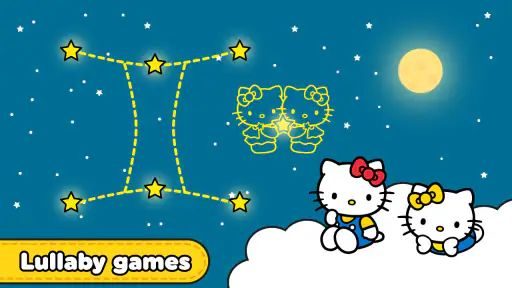
Hello Kitty: Good Night is a relaxing bedtime-themed app designed for children and Hello Kitty fans. It combines gentle nighttime activities, familiar characters, calming visuals, and soothing sounds to create a peaceful routine before sleep. The experience is generally simple to navigate, making it suitable for younger users who may enjoy interactive stories, lullabies, and quiet play.
Is Hello Kitty: Good Night suitable for children?
The app is primarily aimed at young children, especially those who enjoy Hello Kitty and calming bedtime content. Its colorful interface and straightforward interactions are easy for children to understand, although parents should still review the app themselves before handing over a device. The appropriate age may depend on the child’s reading ability, independence, and sensitivity to sounds or animations.
Does Hello Kitty: Good Night require an internet connection?
Some parts of Hello Kitty: Good Night may work without a constant internet connection after the app has been installed, which is convenient for bedtime use and travel. However, internet access can still be necessary for downloading the application, receiving updates, restoring purchases, or loading certain content. Availability may also vary by device, operating system, and app version.
Is Hello Kitty: Good Night free to download?
The app may be available as a free download, but users should check the current store listing because pricing, advertising, and optional purchases can change. Some features or additional content may require payment, depending on the version offered in your region. Parents are advised to review purchase settings and enable device-level parental controls before allowing children to use the app independently.
Pros
- Calming bedtime activities are suitable for helping children wind down.
- Hello Kitty’s familiar character design makes the app appealing to young fans.
- Simple navigation allows children to use most features with little assistance.
- Gentle visuals create a cozy atmosphere without overwhelming screen effects.
- Works well as part of a consistent bedtime routine.
Cons
- Limited content may become repetitive after several uses.
- Some features may require in-app purchases or paid access.
- The app’s appeal is mainly aimed at younger Hello Kitty fans.
- Screen use before sleep may not suit every child’s bedtime routine.
- Parents may want to supervise settings and in-app interactions.

- Category
- Educational
- Version
- 1.4.6