Granny
- 134.63K
- 4.3
- Installs
- 100.00M
- Price
- Free

Screenshots
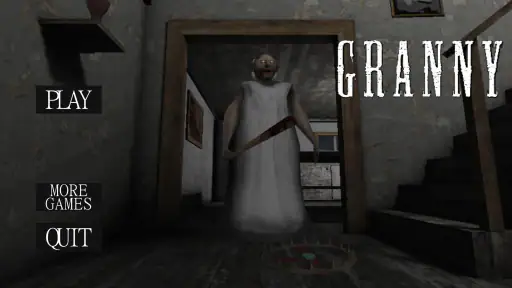
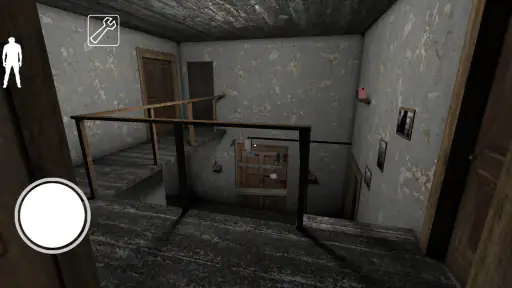
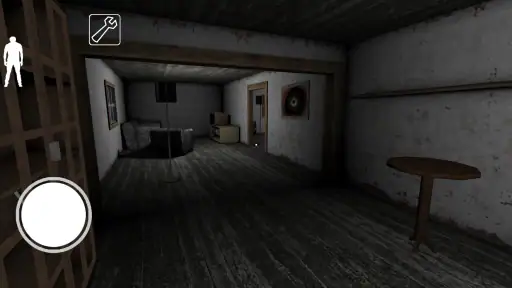
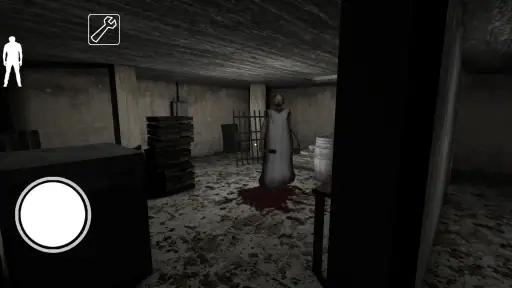
Analysis by Reviewed
I enjoy mobile horror most when tension comes from paying attention rather than tapping through a stream of surprises, and Granny leans hard into that kind of unease. It turns an ordinary house into a place where small choices matter: where I move, what I touch, and whether I have a quiet route back. The result can be gripping, though it asks for patience and a tolerance for being startled.
How the house tests attention and access
The house is easier to understand when I treat each attempt as a chance to learn, not just a race to escape. I pay attention to landmarks and remember where I last saw useful objects, then make one deliberate move at a time. That approach is more manageable than rushing from room to room, especially when a sudden sound makes it hard to think clearly.
Readability and navigation under pressure
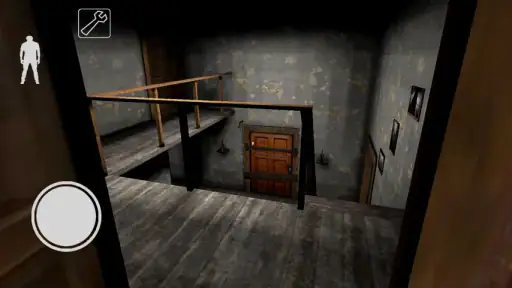
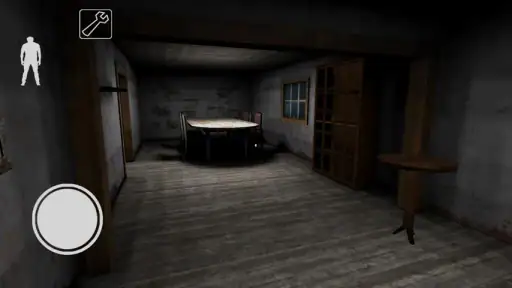
The dim, eerie presentation suits the horror, but it can make visual details harder to pick out than they would be in a brightly lit puzzle game. I find it helpful to pause briefly in a safe moment, scan the room, and identify exits before reaching for anything. The virtual joystick and action buttons are familiar mobile controls, yet moving while deciding what to interact with can still feel awkward until the layout becomes second nature.
A useful habit is to separate exploring from acting: first look around, then choose an object or direction. That small pause reduces hurried movement and makes it easier to remember what I intended to do. Players who struggle with low-contrast scenes or small on-screen details may find the atmosphere less comfortable than the gameplay sounds.
It also helps to build a simple mental map instead of trying to memorize every corner. I focus on a few dependable landmarks, such as the route back from a room or a recognizable piece of furniture, and use those to orient myself after a tense detour. This is more practical than mentally cataloguing the whole house at once, and it gives me a clearer next step when I return to an area.
Motor and sensory considerations
Granny is a stealth game, so careful movement is part of the challenge, not an optional extra. I would not recommend it to someone looking for relaxed play with little pressure: footsteps, sudden danger, and the need to react can make a short session feel intense. Touchscreen steering also takes practice, and a player who finds virtual controls uncomfortable may prefer a slower game built around simple taps.
The sound-led tension is a defining part of the experience. It helps me judge when danger may be close, but it also means headphones or a quiet room can make the suspense feel stronger. If startling sounds or persistent tension are unpleasant, playing without headphones or choosing a gentler puzzle game is a sensible alternative.
There is a trade-off in how I manage the controls: trying to steer and act at the same time can be less reliable than lining up first and then using an action button. When I am learning, I make those steps separate wherever possible. That costs a little time, but it reduces accidental movement and gives me a better chance to notice what happened after an interaction.
For players sensitive to horror, a useful boundary is to decide in advance how long a session should feel comfortable. I would stop when the suspense becomes tiring rather than forcing one more attempt. That is not a way to make the game gentle; it is a practical way to keep its intensity from turning a short break into an unpleasant one.
Situational access and practical fit
This is an arcade horror game from DVloper, released on November 24, 2017, and it remains free to start. Its average rating is 4.3 from around 4.1 million ratings, with over 100 million installs; the age rating is Mature 17+. The current version is 1.8.2, and it requires Android 5.1 or later. Optional in-app purchases are listed at $0.99 per item.
That makes it easy to consider for a quick solo session, but it is not ideal for every setting. I would avoid starting a tense attempt when I need to watch my surroundings, listen for someone nearby, or stop frequently to handle another task. A quiet break at home is a better fit than a crowded commute if I want to focus on the house’s clues and sounds.
One realistic way I would fit it into an ordinary day is to play during a quiet break, when I can give the screen my attention and put the phone down afterward. I would not open it while waiting for a stop, crossing a busy place, or keeping an ear out for a conversation. The suspense makes divided attention a poor bargain: I can lose track of both the game and whatever is happening around me.
Compared with many arcade games built around rapid scoring and repeatable bursts of action, this one gets its replay value from learning a space and refining a plan. If I want a lighter, more immediately cheerful distraction, a conventional arcade game is the better pick. If I want an escape challenge where remembering routes matters, Granny has a more distinctive pull.
It also sits apart from puzzle games that let me calmly inspect a clue until I understand it. Here, exploration has a cost because I am managing danger while I work out what an object might be for. That tension is the appeal for players who like pressure, but someone who values uninterrupted reasoning will probably have a better time with a non-horror puzzle adventure.
Remaining barriers and who should skip it
My biggest practical reservation is that the same pressure that makes the game memorable can also make it frustrating. A mistake can interrupt a promising attempt, and learning through repeated tries will not suit everyone. I recommend it to players who enjoy tense stealth, can tolerate failure, and like piecing together a route; I would steer away anyone seeking a calm bedtime game, a gentle first horror experience, or controls that demand very little coordination.
For a more thoughtful first run, I try to notice which noises I make and what I was doing immediately beforehand. That turns a failed attempt into useful feedback instead of a reason to rush. I also avoid grabbing objects impulsively: checking the room first gives me a better chance to move with a purpose and keep track of the escape plan.
For someone unsure whether the pressure will suit them, I would treat an early session as a test of the mood and controls, not a commitment to finish. If the dim rooms make searching tiring or the input feels fiddly, there is little reason to push through just because the premise is interesting. A simpler tap-based game or a brighter, less threatening puzzle is a more considerate choice for that situation.
Inclusive verdict
Hey there, fellow mobile gamers! Let me introduce you to Granny, a game that will have you tiptoeing through the hallways with your heart pounding in your chest. If you’ve ever wondered what it’s like to be trapped in a house with a relentless pursuer, then you’re in for a treat.
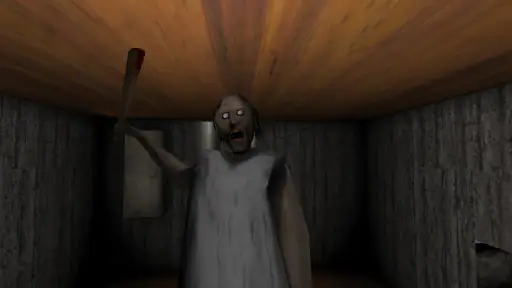
Granny is a horror-themed mobile game that’s both thrilling and nerve-wracking. You find yourself locked in a creepy old house with none other than Granny, who is definitely not your average sweet old lady. Your mission, should you choose to accept it, is to escape the house in just five days. Sounds simple enough, right? Well, throw in the fact that Granny hears every little noise, and you have to be as silent as a ninja.
In my view, the game is most inclusive when I approach it on my own terms: short attempts, time to learn the controls, and a willingness to stop if the tension stops being fun. It does not feel broadly accessible to every player or situation, particularly when low light, quick touch input, or horror sounds create friction. But for someone who enjoys stealth and can manage those demands, its focused premise makes a compelling little challenge.
That is why I would describe its audience by preference rather than by skill alone. A player who enjoys careful observation and can take breaks may find a satisfying challenge, while someone who needs clear visual separation, low-pressure input, or a predictable emotional tone may be better served elsewhere. The game’s appeal depends on whether its particular barriers feel like worthwhile tension or simply get in the way.
Gameplay and Mechanics
This game is all about stealth and strategy. You need to solve puzzles, find keys, and avoid making any noise that could alert Granny to your location. The controls are straightforward, utilizing a virtual joystick for movement and buttons for actions like picking up objects or crouching. The graphics are just right for the atmosphere—dimly lit and eerie, setting the perfect tone for a horror escape game.
One thing I would keep in mind is that a clue is only useful if I can connect it to the next step. Rather than carrying on with a vague plan, I try to remember the obstacle I am solving and look for an item that seems relevant to it. This gives exploration a purpose and helps keep the house from feeling like a maze of unrelated objects.
For an everyday example, I might open the game during a quiet break at home, make one careful attempt, and stop afterward rather than squeezing it into a noisy bus ride. The game is easier to enjoy when I can give it my attention, and that routine also keeps a tense session from taking over the rest of my evening. Since it is free to start, I can judge the basic experience before deciding whether the optional purchases matter to me.
That trial-first approach is useful if I am weighing the purchase prompts: I can decide whether the core stealth loop is engaging before spending anything. The listed optional items cost $0.99 each, but I would not treat buying something as a shortcut to enjoying the game. The main question for me is whether I like observing, planning, and trying again; if I do not, a purchase is unlikely to change that basic fit.
Why You’ll Love It
The adrenaline rush is real, folks. As you inch around the house, every creak of the floorboards could mean game over. The suspense builds up to a crescendo as you scavenge for items to aid in your escape. You’ll find yourself holding your breath as Granny’s footsteps grow louder. It’s the kind of game that gets your heart racing, and who doesn’t love a good thrill?
That intensity is also the clearest reason not to choose it. A player who prefers predictable challenges or wants to make progress without being interrupted may enjoy a standard puzzle game more. I see Granny as a better fit for someone who likes the uncertainty of stealth and is willing to learn from a rough attempt, rather than someone looking for a soothing daily routine.
It is also a distinctly solo-feeling choice for a small gap in the day: I can pick it up when I want focused suspense rather than a social game or a shared activity. If I am hoping to chat, listen to something else, or play casually while doing chores, this is the wrong companion. Its atmosphere works best when the game itself is the main thing I am paying attention to.
A Few Tips for the Brave
If you’re new to Granny, here’s a bit of advice: patience is key. Take your time to learn the layout of the house. Remember, Granny is fast, so always have a hiding spot in mind. Also, practice makes perfect; the more you play, the better you’ll get at sneaking around without getting caught.
I would add one practical rule: before making a risky move, decide where I will go if it attracts attention. Having a destination in mind is more useful than simply hoping to hide in time. I also try not to change several things at once; if I move carefully and observe the result, I can better understand which choices are drawing trouble and adjust my next attempt.
Another helpful discipline is to give each attempt one small purpose. I might focus on learning a route or checking what a particular object does, rather than expecting every run to make major progress. That makes failure easier to interpret: even if I do not get far, I can leave with one useful observation instead of a vague sense that the house beat me.
In conclusion, if you’re a fan of horror games that test your wits and stealth, Granny is definitely worth a download. It’s a game that will have you double-checking the locks on your doors at night. So, grab your phone, download the game, and see if you have what it takes to outsmart Granny. Good luck, and happy sneaking!
My final recommendation is for a particular kind of player: someone who wants a tense, self-directed escape challenge and is comfortable with the possibility of repeating sections while learning. The free entry point makes it straightforward to try, but the atmosphere and touch controls are not a universal fit. If careful observation sounds more appealing than a quick score chase, I think this unsettling arcade detour is worth your time.
Granny Frequently Asked Questions
How does Granny create its horror atmosphere?
Granny builds tension through a creepy house, stealth-focused play, and the threat of being pursued. Players need to pay attention to their surroundings and avoid drawing attention while exploring. The suspense and jump scares are a central part of the experience, so it is best suited to players who enjoy horror rather than those seeking a calm or casual game.
Is Granny a good choice for players who enjoy puzzle games?
Granny includes puzzle-solving as part of its escape-focused gameplay. Players explore the house, look for useful objects, and work out how to open routes as they try to get out. The puzzles are paired with stealth and the danger of being caught, rather than presented as a relaxed, standalone puzzle experience. It may appeal to players who enjoy solving problems under pressure.
What kind of game is Granny?
Granny is a mobile arcade game built around horror, stealth, and escape-room-style puzzles. You explore a house, search for useful objects, and try to avoid making noise while working out how to get out. Its tense atmosphere and pursuit-based gameplay make it a stronger fit for players who enjoy suspense than for those looking for a relaxed arcade experience.
What is the objective of the game Granny?
In the game Granny, players find themselves trapped in a creepy, labyrinthine house and must escape within five days. The primary objective is to solve puzzles, locate keys, and unlock doors without alerting Granny, who is keen on keeping players from escaping. Success requires stealth, strategy, and a keen eye for detail, as Granny will hunt you down if she hears any noise.
Is Granny suitable for younger audiences?
Granny is a horror-themed game that features a suspenseful atmosphere, jump scares, and some horror elements that may not be suitable for younger children. The game is designed to create tension and fear, which might be unsettling for kids or those sensitive to horror content. It has a Mature 17+ content rating, so parents should consider that guidance and use discretion when deciding whether it is appropriate for a younger player.
Pros
- Engaging horror gameplay.
- Challenging puzzles to solve.
- Immersive audio experience.
- Multiple difficulty levels.
- Regular updates enhance features.
Cons
- Scary for younger audiences.
- Limited storyline depth.
- Repetitive gameplay elements.
- Requires stable internet connection.
- Ads can be intrusive.

- Category
- Arcade
- Version
- 1.8.2