Granny: Chapter Two
- 22.82K
- 4.3
- Installs
- 100.00M
- Price
- Free
Screenshots
Analysis by Reviewed
I find that Granny: Chapter Two makes its appeal clear almost immediately: this is a tense escape game built around exploring a house while two pursuers make careless movement risky. The short-session hook is easy to understand, but the pressure comes from learning when to move, when to hide, and when to stop chasing an item and rethink the route. It is an arcade horror game from DVloper, free to play, and its premise suits anyone who wants a quick dose of nerves rather than a long story before the action begins.
Why the first attempt gets tense quickly
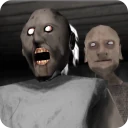
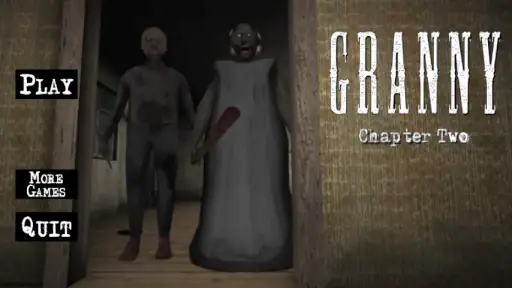
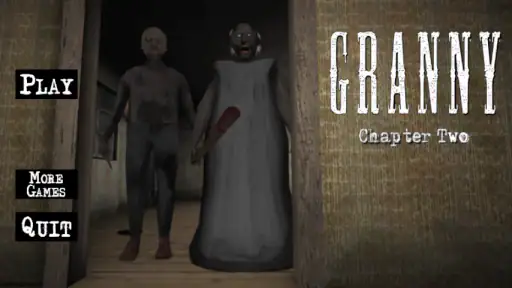
The store’s short name is simply Granny, but this chapter brings Grandpa into the house alongside Granny. That change gives familiar hiding-and-sneaking play a different rhythm: I have to account for two threats rather than treating every encounter the same way. The game is not asking me to relax into a predictable routine; even when I think I understand a room, the danger makes me reconsider whether it is safe to cross it.
What makes that hook useful is how little explanation it takes to understand the stakes. I can begin with a broad goal—find a way out—and then make smaller decisions based on what I encounter. That is a good fit for a quick first try, but the game does not become a simple reflex test once I know the premise. Its tension comes from choosing what to investigate while keeping the possibility of danger in mind. When I am in the mood to pay attention, that focused uncertainty is the pleasure; when I want something soothing, it is exactly the wrong kind of pressure.
How a run fits into an ordinary break
This works best for me when I have a little uninterrupted attention, even if I only plan to play briefly. A realistic moment is waiting for a ride or taking a break at home: I can start an attempt, explore a small area, and leave with a clear next goal in mind. The immediate objective is understandable, so there is little setup to remember. Still, the suspense is part of the point, and someone looking for a calm game to play while half-watching a show may find that the need to listen and plan makes it a poor fit.
I would treat a short session as a scouting trip rather than expect a complete escape every time I open the game. One useful routine is to pick a single question before moving: what can I inspect in this area, or which route should I understand better? That prevents a brief break from dissolving into aimless searching. It also gives me a satisfying stopping point if real life calls, because I can leave having learned something even when I have not made major progress.
The Spooky Setup
Alright, let’s dive into the heart of the game. You wake up in a dimly lit room, and right off the bat, the air is thick with suspense. Granny: Chapter Two introduces Grandpa, who has his own unsettling quirks. Unlike the original game, you’re now dealing with two terrifying foes. The objective remains simple yet daunting: escape the house without getting caught. If you’ve played the first game, you know the drill, but don't let that fool you into thinking this will be a walk in the park.
Gameplay Mechanics
What I really enjoyed about this version is the expanded gameplay mechanics. There are more rooms to explore, each filled with its own set of puzzles and secrets. The developers have done a fantastic job of keeping things fresh by adding new escape routes and items to discover. And let me tell you, the sound design is absolutely on point. Every creak of the floorboards and distant moan will send shivers down your spine, making headphones a must for the full experience.
More From Our News Desk

Weather by Xiaomi Review: Clear at a Glance, Less Clear Up Close

X Under Pressure: Can It Recover When Posting Goes Wrong?

Clash of Clans Is Won Between the Battles

Android Auto Makes the Case for Quieter Car Software

MobiOffice: Transforming Mobile Productivity with Seamless Integration

EA SPORTS FC™ Mobile Soccer: Redefining Mobile Sports Gaming
For a more useful first run, I would resist the urge to search every corner at once. I find it easier to treat each trip through a room as a small information-gathering pass: notice what seems interactive, remember where I had to retreat, then choose one thing to investigate next time. That approach makes a failed attempt feel less like wasted time and helps me avoid turning every noisy mistake into a frantic chain of guesses. Headphones can sharpen the atmosphere, but they also make the sound-led tension more intense; if that is not what I want during a break, playing quietly is a sensible trade-off.
A second practical tip is to separate observation from commitment. If I spot something that might matter, I do not have to rush toward it simply because it is new. I can first consider how exposed the approach seems and whether I have a reason to be in that area. The game rewards a more deliberate mindset than frantic button pressing, so pausing to form a small plan can be more useful than trying to react to every sound at once.
Character Dynamics
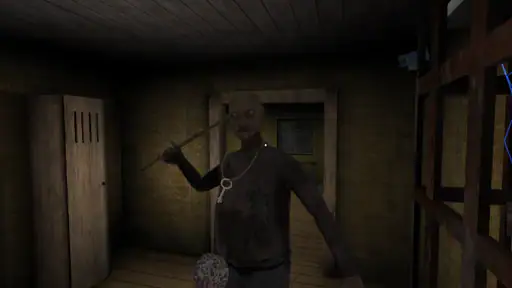
One of the standout features is the dynamic between Granny and Grandpa. While Granny is as keen-eyed as ever, Grandpa is hard of hearing but packs a punch if he catches you. This dual-threat dynamic requires players to be strategic about their movements. At times, it feels like a high-stakes game of cat and mouse with some truly heart-pounding moments.
That difference between the two pursuers is more than a bit of character flavor: it asks me to pay attention to the type of risk I am taking. I try not to reduce every encounter to one universal rule, because a decision that seems sensible in one situation may be unwise in another. This is where the game’s small-scale tension works well on a phone. I am not only moving through rooms; I am weighing whether the next move is worth the chance of drawing attention.
Planning, retries, and the learning curve
The two characters encourage different kinds of caution, so I would not assume that a tactic that gets me past one will solve every encounter. If a route goes badly, I try to identify the decision that caused trouble—rushing across an exposed area, lingering too long, or forgetting which direction felt safer—rather than changing everything at once. That gives each replay a practical purpose. The game’s appeal is less about collecting a perfect run immediately and more about gradually turning a confusing house into a place I can read.
For players who wonder whether a failed attempt makes the next one pointless, I would say the answer depends on how they approach it. If I repeat the same choices without noticing what went wrong, a retry can feel like a chore. If I use the outcome to narrow down what I should do differently, the house becomes easier to reason about. A mental note such as “check this room before heading back” is enough; I do not need to memorize every detail to get value from another run.
That also explains the main limitation: repetition can become frustrating if I want every attempt to feel fresh or if I dislike losing progress after a mistake. Compared with a straightforward arcade game built around quick reflexes and constant score chasing, this asks for patience and cautious exploration. Compared with a slower horror game focused on a long narrative, it gets to the threat quickly but offers less of that story-led comfort. I would pick it for tense, hands-on problem-solving, not as background entertainment or a gentle way to unwind.
Visuals and Atmosphere
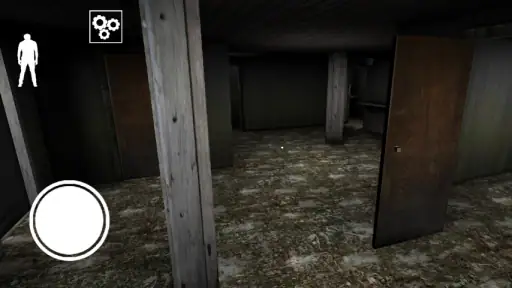
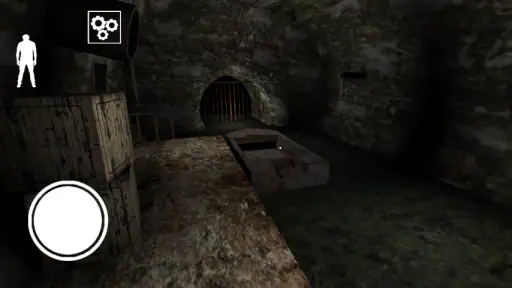
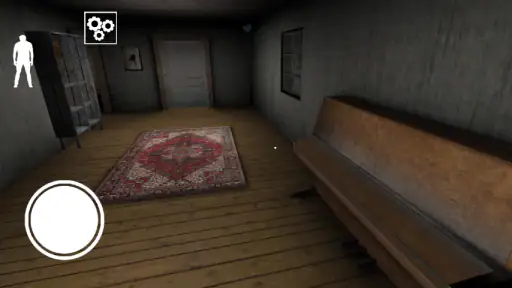
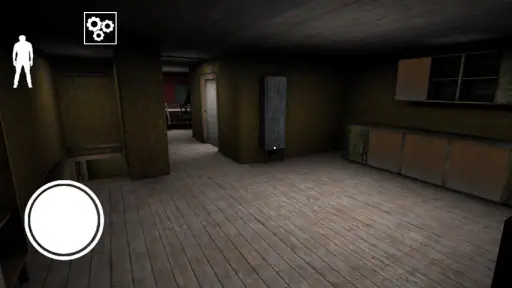
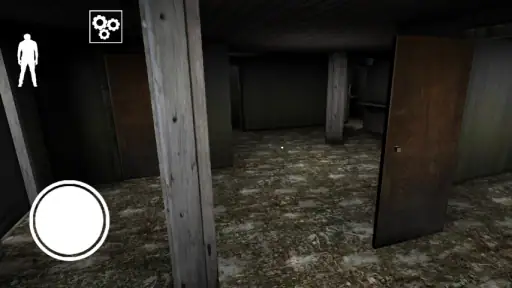
Visually, the game stays true to its roots with its gritty, dark environment. The graphics might not be the most polished, but they serve the game’s eerie aesthetics perfectly. The atmosphere is oppressive and claustrophobic, making every narrow escape feel like a triumph. And can we talk about the creepy little Easter eggs scattered throughout the house? They add layers of mystery and horror that fans of the genre will appreciate.
The mood is effective partly because it keeps my attention on the space instead of distracting me with visual spectacle. That is a trade-off rather than an unqualified strength: anyone who expects a highly polished presentation may notice the rougher look, while players who care more about an uneasy atmosphere may find it fits. The dark setting also means I would rather play when I can focus on the screen than in bright, noisy surroundings where I am likely to miss the details that make exploration satisfying.
Who will enjoy the pressure—and who may not
I would recommend this to players who enjoy stealthy horror, learning through retries, and the particular tension of hearing danger nearby while deciding whether to keep moving. The Teen age rating is worth noticing if you are choosing a game for a younger player; its frightening atmosphere is central rather than occasional. I would steer away from it if jumpy suspense, being pursued, or repeating a difficult section sounds more irritating than fun. For a lighter arcade session, a game without stealth pressure is a better match.
It is also a better choice for someone who likes a compact objective than for someone who needs a steady stream of new content to stay engaged. I would hand it to a friend who enjoys testing a plan, remembering a mistake, and trying again with a little more care. I would not recommend it as a default game for a group looking for easy conversation while everyone plays, since the pressure works best when the player can concentrate. The age guidance matters too: a frightening premise is not automatically suitable just because the controls and goal are easy to understand.
On Android, the game has an average rating of 4.3 from around 1.2 million ratings, and it has been installed over 100 million times. Those figures suggest a broad audience, but they do not change the personal fit question: the core pleasure here comes from suspense and cautious decisions. Version 1.2.2 supports Android 5.1 and newer, so it can suit a range of Android devices that meet that requirement. It was released on September 6, 2019, and has around 23,000 written reviews.
Returning after an interruption
If I get interrupted, I would not rely on remembering every detail of a run. Before putting the phone down, it helps to keep one simple intention in mind—such as which part of the house I still need to inspect—so I can restart with a purpose rather than wander. That small habit is especially useful when playing in short bursts. The game is easy to understand again, but its tension means it is not always easy to pick up casually in the middle of a hectic day.
In practice, I would avoid beginning a new attempt when I know I may need to put the phone away at any second. The premise is simple to recall, but the careful reading of a situation is what makes a run work, and an interruption can break that focus. If I do need to stop, I make a quick mental bookmark: what I was trying to learn, not every object I had seen. That keeps a return session from turning into a full restart of my thought process.
The game’s free price makes trying it a low-commitment choice, but that does not mean it suits every casual player. I would download it when I want a focused horror challenge, not simply because I have a spare minute to fill. Its arcade label may suggest something instantly breezy, yet the experience is closer to a tense puzzle of movement and attention than a quick score chase. That distinction is useful when deciding whether it belongs in a daily rotation.
For replay value, I find the strongest reason to return is improving my understanding, rather than expecting every run to feel entirely different. A familiar room can still feel risky when I am unsure whether I should cross it or retreat, and a failed choice can teach me how to approach the next attempt. The downside is that this kind of progress is personal and gradual. If I need frequent novelty or a clear reward after every short session, a faster arcade game may be more satisfying.
In conclusion, if you're a fan of horror games that test your nerves and strategic thinking, Granny: Chapter Two is definitely worth a download. It builds on the success of the first game, adding new elements that keep the gameplay engaging and terrifying. Just remember, patience and stealth are your best friends here. So, grab your mobile device, turn down the lights, and see if you can survive the night in Granny and Grandpa's house. Good luck, you’ll need it!
Granny: Chapter Two Frequently Asked Questions
What kind of gameplay should I expect from Granny: Chapter Two?
Granny: Chapter Two is an arcade horror game built around escaping from a house while staying out of danger. You explore, search for useful items, and work through puzzles as you try to find a way out. Its tense atmosphere makes it a better fit for players who enjoy cautious exploration and suspense than for anyone looking for a light, relaxed game.
Who developed Granny: Chapter Two, and when was it released?
Granny: Chapter Two was developed by DVloper and released on September 6, 2019. It is a mobile game focused on a horror-themed escape challenge, with Granny and Grandpa keeping you locked in their house. If you are considering a download, the developer and release date can help you identify the game you mean when browsing for it.
Is Granny: Chapter Two free to download, and what should I know before installing it?
Granny: Chapter Two is free to download and is an arcade game developed by DVloper. It is a horror-themed escape experience, so expect tense moments and a creepy atmosphere rather than a relaxed, casual pace. Before installing, consider whether you enjoy games built around sneaking, searching, and avoiding danger. The game is intended for a Teen audience.
What is Granny: Chapter Two about?
Granny: Chapter Two is a horror-themed mobile game where players must escape from a sinister house while being pursued by the creepy characters Granny and Grandpa. The game challenges players to search for clues and items, solve puzzles, and avoid detection to find a way out, all within a set time limit. The eerie atmosphere and strategic gameplay make it a thrilling experience for horror fans.
Can I play Granny: Chapter Two offline?
Yes, Granny: Chapter Two can be played offline. This makes it convenient for users who may not have a stable internet connection or prefer to play without using data. The game offers a single-player experience where you can immerse yourself in the chilling environment and test your skills without needing to connect to the internet.
Pros
- Engaging horror atmosphere
- Challenging puzzles
- Multiple escape routes
- Co-op multiplayer mode
- Intense sound effects
Cons
- Ads can be intrusive
- Limited hints available
- May lag on older devices
- Repetitive gameplay
- High difficulty for beginners
- Category
- Arcade
- Version
- 1.2.2












