Geometry Dash Lite
- 494.83K
- 4.4
- Installs
- 500.00M
- Price
- Free

Screenshots

Analysis by Reviewed
I usually reach for Geometry Dash Lite when I want a quick game that still asks me to pay attention. After a few attempts, I’m not just tapping at random: I’m learning where a jump belongs and how the music can help me anticipate what comes next. That rhythm-driven precision is what makes it easy to return to, though the repeated retries can also test my patience.
A routine that makes each attempt count
My most useful habit is to treat a failed run as information rather than a reason to tap faster. I watch for the obstacle that ended the attempt, then focus on that moment on the next run instead of trying to memorize everything at once. The levels move quickly, so keeping attention on the next hazard is more helpful than worrying about how far I have left.
For a short break, I’ll play until I reach a tricky passage, then take a pause rather than letting frustration turn every attempt into the same mistake. If I’m playing with sound, I listen for the beat while still watching the screen; if I’m somewhere I need to stay quiet, I rely more on visual timing. Neither approach removes the challenge, but switching deliberately can keep a session enjoyable.
Reads About Geometry Dash Lite
Small choices that help with timing
The controls are simple, but it is worth checking how your own taps feel before settling into a long session. A light, deliberate tap is easier for me to repeat consistently than a tense, forceful one. I also try to keep my finger positioned comfortably and the screen clear, since an awkward grip can make a well-timed input harder than it needs to be.
The music can serve as a timing reference, not an automatic guide. I use it to notice a repeating rhythm, then watch the obstacles closely because a beat alone cannot tell me every landing point. Playing with the volume at a comfortable level is a sensible middle ground: loud enough to hear the pulse, but not so loud that I stop paying attention to what is on screen.
Who will enjoy the challenge
This is a good fit for players who enjoy learning through repetition and want an arcade game that rewards concentration. It also suits short, focused sessions: a commute break or a few minutes between tasks can be enough to practice one difficult section. I would recommend it to someone who likes the feeling of gradually improving at a precise sequence, rather than someone who wants to win easily on the first try.
If you prefer relaxed progress, forgiving controls, or a game that lets you explore at your own pace, this may not be the right pick. Compared with many casual arcade games that emphasize quick reactions and loose movement, Geometry Dash Lite feels more like a timing exercise: small errors can send you back to repeat a section. That strictness gives success its appeal, but it can feel harsh when you only want a low-pressure distraction.
More From Our News Desk

MobiOffice: Transforming Mobile Productivity with Seamless Integration

EA SPORTS FC™ Mobile Soccer: Redefining Mobile Sports Gaming

How Microsoft OneDrive Became a Mobile Productivity Giant

How Google Translate Breaks Language Barriers Effortlessly

Why Google Sheets Is the Ultimate Mobile Productivity Tool

Unveiling the Dynamic World of My Talking Tom Friends
A Dive into the World of Geometry
From the moment you fire up Geometry Dash Lite, you’re hit with a uniquely engaging experience. The game’s premise is deceptively simple: navigate your way through intricate levels filled with spikes, jumps, and traps. But don’t be fooled; it’s not just about jumping around. It’s about jumping with style, precision, and timing. You’ll need to channel your inner rhythm master, as the game’s soundtrack isn’t just for show—it’s your guide to victory.
Gameplay and Mechanics
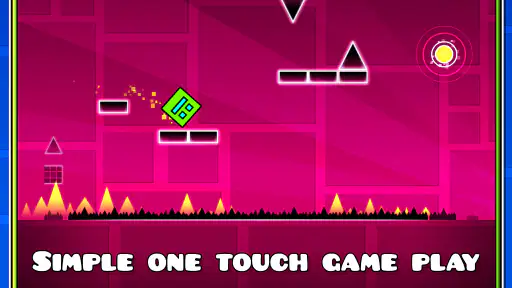
The controls are straightforward, which is a blessing given the complexity of the levels. Tap to jump, hold to keep jumping, and release to fall. Sounds simple, right? But as you progress, the levels introduce new challenges that test your reflexes and patience. The beauty of Geometry Dash Lite is that it requires a blend of both precision and timing, making it immensely satisfying when you finally nail that perfect run.
Each level is meticulously designed, and what I loved most is the seamless integration between the gameplay and the music. The beats guide your jumps, almost like a dance choreography where one misstep means you’re back to square one. But don’t worry, it’s all part of the fun!
Visuals and Soundtrack
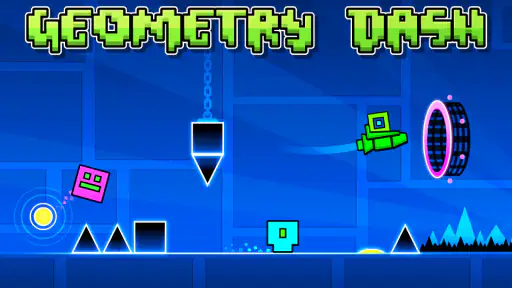
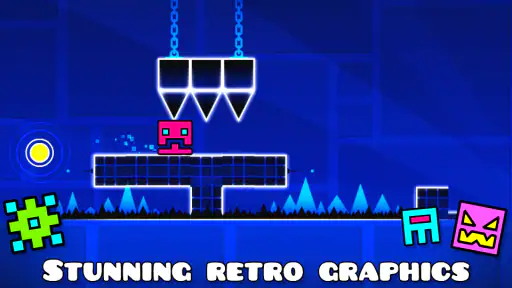
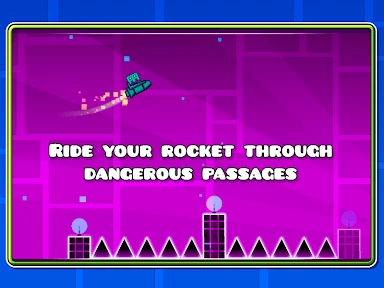
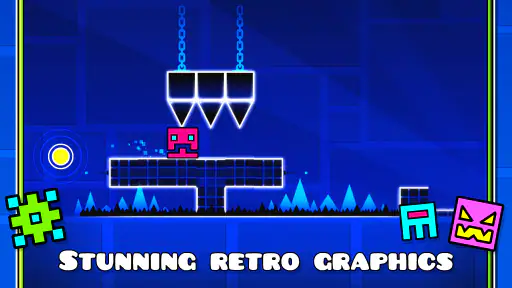
Visually, the game is a treat. The bright, neon colors are both eye-catching and functional. They help you distinguish obstacles and platforms, ensuring you’re always aware of what’s coming next. This, coupled with the pulsating soundtrack, creates an immersive experience that’s hard to find in mobile games.
The soundtrack deserves a special mention. The musical tracks are not only catchy but also crucial to your success. It’s like having your personal metronome that keeps you on beat and in sync with the game’s rhythm. Trust me, turning up the volume enhances the experience tenfold.
Why You Should Try It
If you’re looking for a game that challenges your reflexes and offers a rewarding sense of achievement, then Geometry Dash Lite is a must-try. It’s perfect for those moments when you need a quick gaming fix, yet it’s also substantial enough to keep you engaged for longer sessions. Plus, the satisfaction you get from completing a level you’ve been stuck on is unparalleled.
Geometry Dash is a free arcade game from RobTop Games, released on September 15, 2013. Its age rating is Everyone 10+, and the current version is 2.2.144 for devices running Android 5.0 or later. It has a 4.4 average from around 7.7 million ratings, with over 500 million installs. Those figures suggest a broad audience, but they don’t tell you whether its demanding retry loop will suit your own taste.
What to expect from the Lite experience
One practical question is whether this works for someone who has never played a rhythm platformer. I think it can, because the basic input is easy to understand, but the difficulty comes from applying that input at exactly the right moment. Give yourself time to learn the visual patterns instead of expecting the music to carry you through. A few focused tries are often more useful than a long session of impatient tapping.
Another trade-off is that repetition is central to the experience, not an occasional obstacle. If you enjoy refining a sequence and can laugh off a near miss, that loop can be compelling. If you tend to dislike restarting after a mistake, a more forgiving arcade game may be a better everyday choice. I’d also avoid playing while distracted: the levels reward attention, so this is less suitable for half-watching a video or trying to fill a moment when you can’t focus.
Building a repeatable practice habit
When I’m stuck, I try to change only one thing at a time: my timing, my posture, or whether I’m listening closely to the track. That makes it easier to tell what helped. I also stop briefly after a string of identical failures. A short reset can prevent me from turning a precise game into a reflexive tapping contest, and it makes returning to the same section feel more deliberate.
For a realistic daily use, imagine waiting for a friend and having a few spare minutes. I’d play one or two focused attempts, notice a pattern that caused trouble, and put the phone away without feeling obliged to finish a level immediately. That approach fits the game better than treating every spare moment as a marathon. It also makes the eventual clean run feel earned rather than accidental.
Where its appeal has limits
As an arcade pick, it stands apart from games built around loose movement, collecting items, or simply surviving for a high score. Here, the satisfaction comes from matching a sequence of jumps to a tightly timed course. That specificity is a strength if you like precision, but it means there is less room to improvise when a section demands a particular rhythm. Players seeking story-led progression or a calm, exploratory mood should look elsewhere.
In conclusion, Geometry Dash Lite is more than just a game; it’s an experience. Its combination of challenging gameplay, vivid visuals, and a memorable soundtrack makes it a distinctive choice for mobile arcade play. I’d recommend it to anyone who enjoys patient practice and the small victory of finally getting a difficult sequence right. If you want an easygoing game that rarely sends you back to try again, this probably isn’t the one—but for a focused challenge in short sessions, it remains an appealing download.
Geometry Dash Lite Frequently Asked Questions
Does Geometry Dash Lite need a powerful phone or tablet?
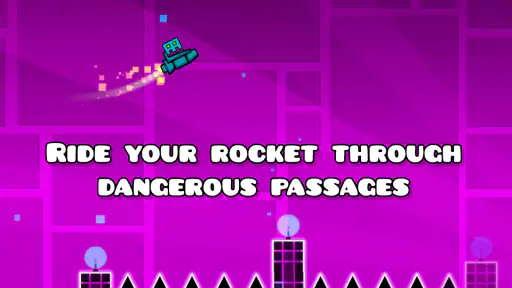
Geometry Dash Lite is a straightforward arcade platformer built around jumping, flying, and reacting to hazards in time with the music. The listed Android requirement is version 5.0 or later, so checking your operating system is a useful first step. If your device meets that requirement, you can consider whether its fast, timing-focused gameplay is the kind of challenge you want.
How much storage space does Geometry Dash Lite need?
Before installing any mobile game, it is sensible to check the available storage on your device. Geometry Dash Lite is centered on compact arcade action, but the amount of free space available can vary between devices and installations. Reviewing the app’s download page on your device gives you a practical way to confirm that you have room before starting the installation.
Can I use a controller with Geometry Dash Lite?
Geometry Dash Lite is designed around simple, direct actions: you guide the character through hazards by jumping and flying at the right moment. That makes its basic play easy to understand, whether or not you are familiar with rhythm games. If you prefer a particular way of controlling games, check the options on your device and in the app before deciding whether its control style suits you.
Does Geometry Dash Lite contain ads?
Players may encounter ads while playing Geometry Dash Lite, so it is worth keeping that possibility in mind before downloading. The game’s main appeal remains its rhythm-based arcade challenge: quick reactions and careful timing help you move through obstacle-filled sections. If you are sensitive to advertising during games, consider that alongside the free-to-download format when deciding whether the Lite edition is right for you.
Can I play Geometry Dash Lite on a tablet?
Geometry Dash Lite is a mobile arcade game, and a tablet can offer another way to enjoy its jump-and-fly gameplay. As with any app, check the official store page on your specific device to make sure the edition is compatible with its operating system. The game’s simple controls and timing-focused obstacles are central to the experience regardless of whether you play on a phone or tablet.
Pros
- Addictive gameplay with rhythm-based action
- Simple controls for easy learning curve
- Visually appealing graphics and animations
- Good variety of levels and challenges
- Offline play supported for convenience
Cons
- Contains ads that can interrupt gameplay
- Limited level variety in the Lite version
- No custom level creation in Lite version
- Some levels may frustrate due to difficulty
- In-app purchases required for full features
- Category
- Arcade
- Version
- 2.2.144