Smash Hit
- 170.01K
- 4.5
- Installs
- 100.00M
- Price
- Free

Screenshots
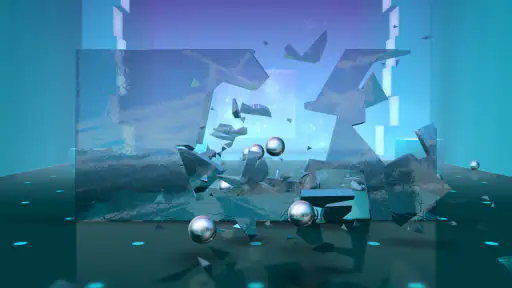
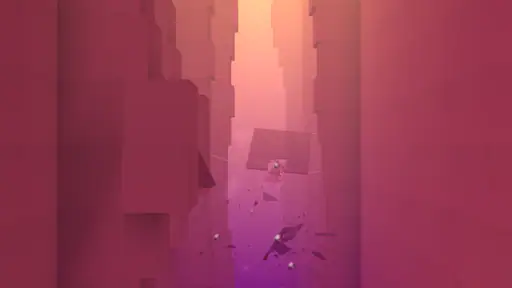
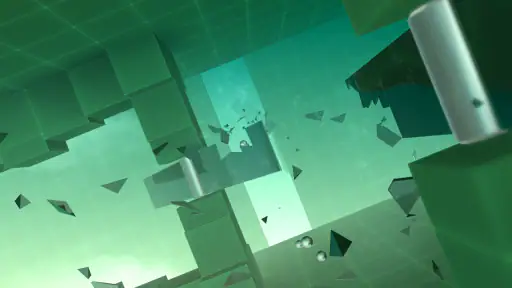
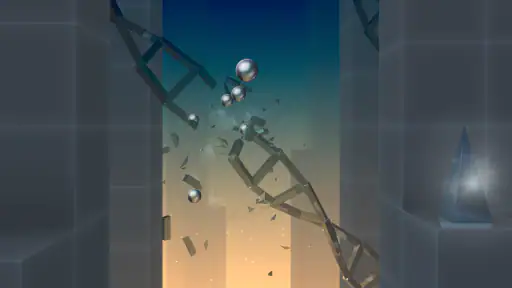
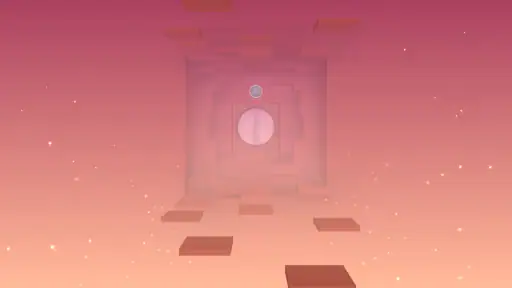
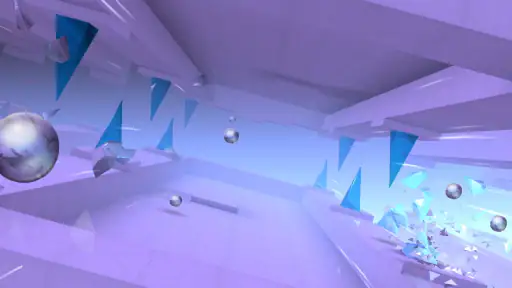
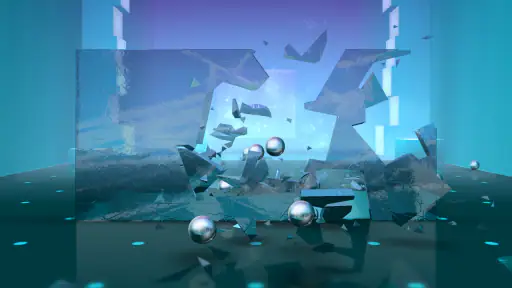
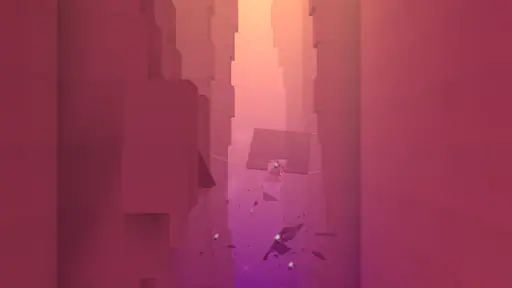
Analysis by Reviewed
If you've ever wanted to take out your daily frustrations by smashing everything in sight, Smash Hit might just be the game for you. This app is not your typical mobile game; it’s a mesmerising journey that combines music, visuals, and gameplay into a hypnotic experience. I recently took it for a spin, and here's what I found.
A quick game with a distinctive rhythm
I find this arcade game works best when I treat a run as a short, focused challenge rather than something to play while distracted. On a commute or during a quiet break, the forward motion and clear objective make it easy to get started, but the timing asks for enough attention that I put my phone down if I need to watch what’s happening around me. It’s a good fit for players who enjoy aiming and reacting more than building a character or following a long story.
Mediocre developed the game, which first appeared in March 2014. It’s free to download, rated Everyone, and its current version is 1.5.14 for devices running Android 8.0 or later. Optional in-app purchases range from $1.99 to $9.99 per item, so there’s a way to try the core experience before deciding whether to spend anything. Its 4.5 average comes from around 4.7 million ratings, and it has passed 100 million installs, making it a familiar choice in mobile arcade gaming.
Immersive Gameplay
Right from the start, Smash Hit pulls you into its world with its stunning graphics and captivating soundtrack. The objective is simple: progress through various levels by throwing balls to break obstacles in your path. But don't be fooled by its simplicity; the game quickly ramps up the difficulty.
You’ll find yourself navigating through beautifully designed environments that change as you advance, each with its own set of challenges and rhythms. The physics of the game are spot on, making the act of smashing glass surprisingly satisfying. Each hit is accompanied by a musical note that blends with the background music, creating a seamless audio-visual experience.
Settings and a steadier routine
Before settling into a longer session, I’d check the available settings on my device rather than assume the game will feel the same on every screen. The glass effects and rapid movement are central to the presentation, so a comfortable brightness level and a device that responds reliably to taps make more difference here than they might in a slower puzzle game. If the sound is part of why you’re playing, headphones can help you follow the musical cues; if you need to keep one ear open, the visuals still carry the action.
A useful habit is to begin each attempt with a moment of attention instead of tapping as soon as an obstacle appears. I watch the path, pick a target, and avoid spending balls on objects that don’t threaten my progress. That small pause helps when the scene gets busy, because a rushed shot can cost a resource without solving the immediate problem. The game rewards deliberate choices more than frantic tapping.
More From Our News Desk

Weather by Xiaomi Review: Clear at a Glance, Less Clear Up Close

X Under Pressure: Can It Recover When Posting Goes Wrong?

Clash of Clans Is Won Between the Battles

Android Auto Makes the Case for Quieter Car Software

MobiOffice: Transforming Mobile Productivity with Seamless Integration

EA SPORTS FC™ Mobile Soccer: Redefining Mobile Sports Gaming
Strategic Smashing
As you progress, the game demands a bit of strategy. You need to manage your ball supply carefully; run out, and it's game over. This adds a layer of depth to the gameplay, as you decide which obstacles to smash and which to avoid. Collecting power-ups along the way, like additional balls or slow-motion capabilities, can significantly impact your success.
The beauty of Smash Hit lies in its balance. It's easy to pick up and play, but mastering it requires practice and precision. The game encourages you to keep pushing your limits, aiming for higher scores and longer runs.
Patterns that make practice count
For me, improvement comes from repeating a simple loop: aim carefully, notice what made a section difficult, and carry that lesson into the next attempt. When several targets compete for attention, I prioritize the obstacle that could disrupt my route rather than trying to break everything on screen. This is a more useful approach than treating every pane of glass as a required shot, especially when conserving balls matters.
There’s also a trade-off between chasing a high score and playing for the atmosphere. If I focus only on maximizing every shot, I can lose the calm, musical flow that makes the game appealing. If I relax too much, I make careless choices. Switching between those goals gives repeat sessions a purpose: one run can be about concentration, another about unwinding. Players who want persistent story progress, extensive customization, or a social competition system may be better served by a different arcade game.
Addictive and Replayable
What makes Smash Hit stand out is its replayability. Each run is different, keeping you on your toes with new challenges and obstacles. The game’s endless mode is perfect for those who enjoy testing their skills and competing for high scores.
There's also a certain zen-like quality to the game. The combination of rhythmic smashing and the ambient soundtrack makes it easy to lose yourself in the experience. Before you know it, you've spent a good chunk of time trying to beat your previous best.
Where the experience has limits
The same focused design that makes a quick run satisfying can feel repetitive if you’re looking for a lot of mechanical variety. The central action remains about aiming and breaking obstacles, so a player who tires of that loop won’t find a completely different style of play waiting around the corner. The increasing challenge can also turn a relaxing session into a tense one; I’d choose another game if I wanted something forgiving that I could play without paying attention.
It’s worth thinking about purchases as optional rather than necessary to enjoy the basic idea. Since the game is free to start, I’d play first and only consider an in-app purchase if I already know I want more from it. That’s a sensible approach for parents, too: the Everyone rating makes it broadly accessible, while the presence of optional purchases is still a reason to use the usual device-level purchase controls for a child.
Visual and Audio Masterpiece
One of the most striking aspects of Smash Hit is its visual and audio design. The minimalist aesthetic is not only pleasing to the eye but also enhances the gameplay. The way the glass shatters and the environments shift is nothing short of hypnotic.
The soundtrack deserves a special mention. It dynamically changes with the gameplay, creating a cohesive experience that’s both thrilling and calming. Each note corresponds to your actions, drawing you deeper into the game’s world.
Who I’d recommend it to
I’d recommend it to someone who wants an arcade game that is immediately understandable but still asks for better timing and judgment over repeated play. It suits short breaks, players who like audio-visual feedback, and anyone who enjoys practicing a skill without needing to manage a complicated setup. With about 170,000 written reviews, it has clearly reached a large audience, though popularity alone won’t make its focused style suit everyone.
Compared with the usual mobile arcade alternatives built around rapid tapping, lane switching, or constant menus, this game puts more weight on aiming and the sensory pleasure of each hit. That gives it a calmer identity, but also means it is less suitable if you want lots of changing objectives or frequent new mechanics. I’d pick it for a deliberate, immersive session; I’d pick a faster, more varied arcade game when I wanted quick reflexes to be the whole point.
Choosing the right moment to play
A realistic use case is a quiet wait before an appointment: I can start a run, focus on the approaching obstacles, and stop when I need to put the phone away. That works better than opening it while walking or trying to follow a conversation, because the forward movement and timed shots demand visual attention. The game is easy to understand quickly, but it is not a good choice for a moment when I need to keep checking my surroundings.
It also suits a player who likes a repeatable personal challenge more than a checklist of unlocks or a long campaign. A useful way to keep sessions fresh is to decide what I’m practicing before I begin. I might pay attention to conserving balls, or make a conscious effort to identify the most urgent obstacle first. Giving a run one simple goal makes practice feel more purposeful without turning every attempt into a score chase.
For someone deciding whether it is suitable for a younger player, the Everyone age rating is reassuring, but I would still treat the in-app purchases as a separate consideration. The game can be tried without paying, and parents can use their device’s purchase controls if they want to prevent accidental spending. That practical step matters more than assuming a free download means there are no purchase decisions to manage.
Small habits, better decisions
When I’m learning a section, I try not to change everything at once. If I rush shots, I slow down and choose targets more deliberately; if I’m spending balls too freely, I make conservation the focus of the next attempt. This makes it easier to tell whether a change in approach helped. It’s a simple practice method, but it fits a game where the core skills are timing, aim, and judgment rather than a deep menu of equipment or character builds.
I also avoid treating every visible object as a target. The satisfying sound can tempt me to shoot simply because something is there, but a shot is most useful when it serves a purpose. Prioritizing what threatens the route keeps attention on the immediate problem and helps preserve resources for moments that need them. That is a more dependable habit than trying to clear every scene indiscriminately.
Settings are worth checking for comfort, not because I expect a hidden shortcut to transform the game. I’d make sure the screen is easy to see, the controls respond consistently, and the audio is at a level that suits the place I’m playing. If I’m somewhere noisy, I won’t rely on musical detail to guide my attention; if I’m playing somewhere quiet, the soundtrack becomes a bigger part of the experience. These small adjustments help the presentation work for me without changing the basic challenge.
What it does better—and less well—than other arcade games
Many mobile arcade games emphasize quick swipes, lane changes, frequent prompts, or a steady stream of different tasks. Smash Hit feels distinct because its central loop is quieter and more deliberate: I’m judging distance and deciding when a shot is worth using. That makes it a welcome alternative when I want something tactile and absorbing rather than a game that constantly asks me to react to new interface elements.
The same focus is its main trade-off. If I want a changing set of mechanics, a collection of characters to develop, or a story that carries me through a longer session, a more varied arcade or action game is a better fit. Here, improvement comes from getting more composed and accurate within the same basic kind of play. I find that satisfying in short bursts, but I wouldn’t recommend it to someone who needs a new objective every few minutes to stay interested.
It is also not my pick for casual play that can be interrupted at any second. A pause in attention can mean missing an approaching obstacle, and trying to play while multitasking undermines the careful rhythm. For a hands-free or background experience, a simple idle game is more forgiving; for a focused few minutes, this one has more involvement without requiring a long setup.
Final Thoughts
Overall, Smash Hit is a standout app that combines simple mechanics with a polished presentation. It's perfect for quick sessions or long gaming marathons, and it offers an experience that's both challenging and meditative. Whether you’re looking to kill some time or immerse yourself in a beautifully crafted world, this game is worth downloading.
So, if you’re ready to unleash your inner smasher and enjoy some stress-relief, head over to the app store and give Smash Hit a try. It might just become your new favorite pastime.
Smash Hit Frequently Asked Questions
Does Smash Hit have a calm or intense style of play?
Smash Hit pairs an ambient presentation with arcade action that asks you to aim and react carefully. The journey through time and space has a surreal, atmospheric feel, while glass obstacles and limited metal balls create pressure as you progress. If you are looking for a quiet experience with no challenge, its timing-focused gameplay may feel demanding; players who enjoy a focused arcade run may find the contrast appealing.
How easy is it to learn the controls in Smash Hit?
The basic idea is easy to grasp: aim at glass obstacles and throw metal balls to break them. The straightforward controls make it approachable for a quick first session, but landing accurate shots and managing your supply of balls takes practice. The challenge comes less from complicated controls and more from timing, choosing targets, and staying focused as the environments change.
Is Smash Hit suitable for short play sessions?
Smash Hit works well for a quick arcade session because its central action is easy to understand and lets you focus immediately on aiming and timing. A run can also encourage you to keep trying as you work to travel farther through the surreal environments. Its ambient style gives play a distinct mood, whether you have time for a brief attempt or want to settle into a longer session.
What kind of game is Smash Hit, and who developed it?
Smash Hit is an arcade game developed by Mediocre. Its premise combines a surreal journey through time and space with the simple, tactile action of throwing metal balls at glass obstacles. The ambient presentation gives the run a distinctive mood, while the need to aim carefully keeps the action focused. It is a good fit if you enjoy arcade games built around timing and precision.
Is Smash Hit suitable for children?
Smash Hit has an Everyone content rating, so it is presented as suitable for a broad audience. Its central action involves breaking glass objects in an abstract, stylized environment rather than realistic combat. The controls and objective are straightforward to understand, though progressing still calls for concentration and accurate timing. Parents can consider that arcade challenge and the game's presentation when deciding whether it suits a particular child.
Pros
- Immersive graphics with a minimalist design.
- Satisfying physics-based gameplay.
- No in-app purchases to disrupt play.
- Seamless transition between levels.
- Challenging yet relaxing experience.
Cons
- Requires constant internet connection.
- Progress resets after each session.
- Limited variety in soundtrack.
- Can become repetitive over time.
- No multiplayer or social features.
- Category
- Arcade
- Version
- 1.5.14