Cat Tiles: Cute Piano Game
- 83.00
- 4.6
- Installs
- 10.00M
- Price
- Free

Screenshots





Analysis by Reviewed
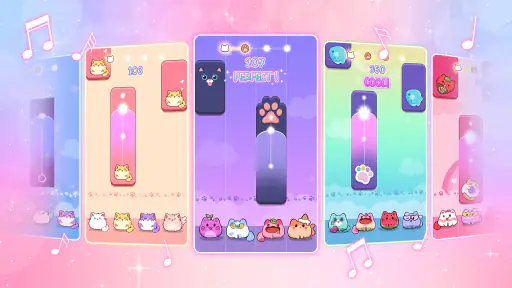
I tend to judge a music game by more than its charm: I want to know whether the screen is easy to follow, whether tapping feels manageable, and whether I can enjoy it in the situations where I actually have a spare minute. Cat Tiles: Cute Piano Game is built around a simple idea—follow the descending piano tiles—and its cat-themed presentation gives that familiar rhythm-game format a softer, playful feel. That makes it approachable, though it does not automatically make it comfortable for every player or every setting.
Readability and navigation in a quick session
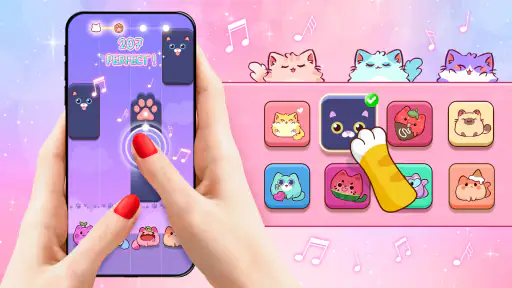
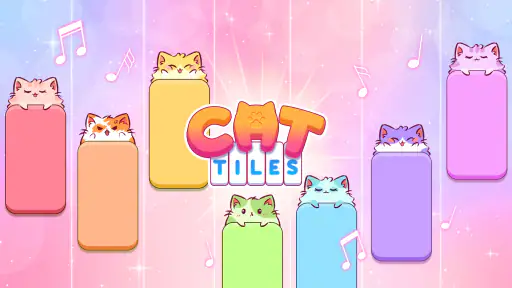
The central task is easy to understand: watch the tiles and tap them in time. I appreciate that the basic idea does not demand music knowledge or a long tutorial before a new player can get started. The animated cats and colorful presentation help create a friendly first impression, while the game’s music focus keeps the screen’s purpose clear: follow the notes rather than manage a complicated collection of menus.
There is a useful distinction between simple rules and effortless play. Once tiles begin moving, attention shifts quickly from the cute presentation to timing and tracking. I would start with a short session and get used to the rhythm before trying to chase a score or keep playing for a long stretch. If a child is trying it, sitting together for the first round can also help them understand that the moving tiles—not every decoration on screen—are what they need to follow.
A playful piano game, judged by how it feels to play
If you're on the hunt for a game that's as adorable as it is entertaining, look no further than Cat Tiles: Cute Piano Game. This delightful app is a perfect blend of music and cuteness, offering a gaming experience that's both relaxing and engaging. Let's dive into what makes this game a must-have on your device.
Gameplay That Hits the Right Notes
What I love about this game is its simplicity. You don’t need to be a piano maestro to enjoy it. The tiles come down at a pace that keeps you on your toes, offering just the right amount of challenge to make it addictive. Plus, the tunes are catchy and varied, so you never feel like you’re playing the same game twice. Whether you’re a fan of classical music or pop hits, there’s something for everyone.
The game also features different modes to keep things interesting. Whether you’re in the mood for a quick session or a longer, more intense challenge, Cat Tiles has got you covered. It's the perfect game to relax with after a long day or to pass the time during a commute.
Motor and sensory considerations
A falling-tile game asks for quick visual tracking and well-timed taps, so the same feature that makes a round lively can be a hurdle for someone who finds fast movement or repeated tapping tiring. I’d treat it as a light rhythm challenge, not a guaranteed relaxing activity: the music may feel soothing, but keeping up with the tiles still calls for concentration. If you are sensitive to busy visuals or sound, try a brief session in a calm setting first and see how it feels before making it part of a longer routine.
You May Like

Clash of Clans Is Won Between the Battles

Android Auto Makes the Case for Quieter Car Software

MobiOffice: Transforming Mobile Productivity with Seamless Integration

EA SPORTS FC™ Mobile Soccer: Redefining Mobile Sports Gaming

How Microsoft OneDrive Became a Mobile Productivity Giant

How Google Translate Breaks Language Barriers Effortlessly
One practical approach is to pause between attempts rather than pushing through when your hands or eyes feel tired. Playing with the device comfortably supported can also make repeated taps feel less awkward than holding it in one hand. These are simple ways to make the experience easier to manage, not special accessibility settings; the game’s appeal depends on whether its pace and presentation suit you personally.
Graphics and Sound - A Feast for the Senses
The graphics in Cat Tiles: Cute Piano Game are nothing short of charming. The cats are adorably animated, and the backgrounds are beautifully designed. It’s clear that a lot of love and attention to detail went into crafting a visually appealing experience.
But it’s not just about the looks. The sound quality is top-notch too. Each note you play is crisp and clear, making it a joy to listen to your creations. The combination of visuals and audio makes for an immersive experience that’s hard to put down.
Situational access: where it fits, and where it doesn’t
For an everyday use case, I can see myself opening it while waiting for a ride or taking a short break between tasks: a quick round gives my hands and attention something specific to do without requiring a long commitment. It is less suitable when I need to keep my eyes on what is happening around me. On a commute, I’d only play while seated or safely waiting, never while walking, crossing a street, or navigating a crowded platform.
Sound is part of the appeal, but it is worth thinking about the people nearby. In a quiet room, a round may be more considerate with the device’s audio kept low or with headphones, if that is comfortable for you. If you need to stay alert to announcements or conversation, playing without becoming absorbed in the screen matters more than chasing a better result. A music game can occupy a small pause, but it should not compete with safety or responsibilities.
How it compares with other music games
Compared with music apps that teach an instrument or let you make your own compositions, this is much more about reacting to a sequence of tiles than learning piano technique. That is an advantage if you want a quick, playful challenge without lessons; it is a limitation if your aim is to practise real keyboard skills. Against other tap-to-the-beat games, the cat theme is its clearest point of personality, while the basic appeal remains familiar to anyone who has played a falling-tile rhythm game.
WingsMob makes this free music game, which is rated for Everyone. It has a 4.6 average from around 16,000 ratings and over 10 million installs, suggesting that its straightforward cat-and-music premise has found a broad audience. The game was released on October 27, 2023, and version 2.2.3 is listed for Android 7.0 or later. Those details may help you decide whether it fits your device and household, but they do not tell you whether the pace will suit your hands or eyes; a short trial is the fairest test.
What Makes It Stand Out?
In a sea of mobile games, it’s easy to overlook new releases. However, Cat Tiles: Cute Piano Game manages to stand out due to its unique blend of music and cuteness. It’s not just a game, but a way to unwind and enjoy a few moments of joy. The competitive element, with leaderboards and challenges, adds an extra layer of excitement, pushing you to improve your skills and climb the ranks.
That competitive side will not be the reason everyone enjoys it. If you prefer music games that focus on creating melodies, structured practice, or a slower pace, a piano-learning app or a more deliberate music experience would be a better match. Likewise, players who dislike time pressure may find the descending tiles more demanding than the friendly artwork first suggests. I’d recommend this one to casual players who enjoy quick reaction games and like its cute style, rather than to anyone expecting piano lessons or a hands-free listening experience.
A welcoming choice, with individual limits
Overall, Cat Tiles: Cute Piano Game is a delightful addition to any gamer’s collection. It’s engaging, visually stunning, and musically satisfying. Whether you’re a casual player or a hardcore gamer, this app promises hours of entertainment and fun. So, why not give it a try and let those adorable cats serenade you with their tunes?
My more measured recommendation is to try it when you have a few quiet minutes, then judge the tapping speed and visual movement for yourself. Its free price makes that an easy decision for someone curious about a cat-themed rhythm game, while its Everyone rating may make it worth considering for family play with an adult nearby. For me, its strongest appeal is the combination of a clear tap-based challenge and cheerful cat presentation; its main caveat is that quick reactions are still required. It feels inviting, but the best fit is someone who finds that kind of focused tapping enjoyable.
Making a first session easier to judge
I would use the first few attempts as a practical test rather than a test of musical ability. Pick a moment when you can give the moving tiles your attention, then notice whether the pace feels satisfying or stressful. If you miss taps, that does not necessarily mean the game is a poor fit; it may simply take a little time to connect the visual movement with the beat. But if you find yourself squinting, tensing your fingers, or losing track of the screen, those reactions are useful signals to stop or try again later.
It can also help to separate enjoyment of the music from enjoyment of the tapping. Someone may like the tunes and cat animations yet not want the repeated timing challenge. In that case, this game is unlikely to work as background entertainment, because its central activity requires active attention. I would choose it when I want to do something with the music, not merely listen while answering messages or having a conversation.
Who is likely to enjoy it?
I think it suits casual players who like clear, immediate goals and do not mind repeating a short sequence to improve their timing. The cat artwork gives it a lighter personality than a plain piano-tile presentation, which may help younger players feel curious about trying it. For family use, the Everyone rating is reassuring as a broad content guide, but it is still sensible for an adult to check how the pace and sensory feel work for the particular child. The age label does not tell you whether fast visual tracking will be comfortable for them.
It is also a reasonable pick for someone who wants a small, self-contained activity during a break, rather than a game that asks for a long planning session. The useful trade-off is that its simple premise is quick to grasp, but the challenge depends on continuing to react accurately. Players who want a low-pressure game with little demand on their hands or eyes may be happier with a slower puzzle or a music player. And if your goal is to learn songs on a real keyboard, a teaching tool will give you practice this tile game is not designed to provide.
Small choices that improve the experience
For a more comfortable tryout, I would set the device on a stable surface or hold it with both hands in a relaxed position, rather than reaching awkwardly while doing something else. That is especially useful if you are testing how repeated taps feel. Keep the first session brief enough that you can decide whether the visual pace works for you before turning a spare moment into a longer run. These adjustments do not change the game, but they make it easier to tell whether the game itself is enjoyable or whether the setting is getting in the way.
There is a similar trade-off with sound. The music is part of the appeal, yet headphones can make it harder to hear people or announcements around you. In shared spaces, low volume may be more considerate; in a noisy place, it may be harder to follow the musical cues. I would choose the setting based on what I need to hear, rather than assuming one audio setup is best everywhere. If the screen or sound draws too much attention in a particular situation, save the round for a quieter pause.
Where expectations matter
The title may suggest a piano experience, but I would approach it as a rhythm game with a piano-themed presentation, not as a substitute for lessons. Its appeal is responding to the falling tiles and enjoying the music-and-cat combination. That distinction matters for parents choosing an activity and for adults hoping to build a skill: the game can introduce a child to a playful music-related challenge, but playing it should not be confused with learning keyboard technique.
Likewise, the competitive elements mentioned in the game’s presentation will appeal most to players who enjoy improving a result and comparing progress. If competition makes a casual activity feel like pressure, there is no need to make a score the point of every session. I would focus on whether the timing feels fun. Someone who wants a more expressive experience—choosing notes, shaping a melody, or creating a piece—will find a music-making app a better match, even if it lacks the quick feedback of tile tapping.
An inclusive verdict with a practical caveat
What I find most promising is that the basic goal is easy to explain and the presentation feels friendly, so a newcomer can understand what to try without needing music lessons. What keeps me from calling it universally accessible is the same mechanic that defines it: moving tiles require visual attention and timely, repeated taps. That makes personal comfort more important than the cute styling. A short, low-pressure trial is the best way to decide whether the game’s rhythm works for you.
I’d recommend it to someone who wants a free, cat-themed music game for brief, focused sessions and enjoys reacting to a beat. I would steer away from it if quick taps are uncomfortable, rapid movement is difficult to track, or you need an activity that can run while your attention is elsewhere. For those players, a slower music puzzle, an instrument-learning app, or simply a playlist may be more satisfying. The game’s broad appeal is real, but the right choice depends on the kind of attention and movement it asks from you.
Cat Tiles: Cute Piano Game Frequently Asked Questions
Does Cat Tiles: Cute Piano Game need a lot of storage space?
Storage needs can vary with the device and the content installed, so it is sensible to check the available space on your phone before downloading. The game is built around tapping musical tiles, and keeping some room free can also help with general app performance. If your device is nearly full, clearing unused files first may make installation smoother.
Can Cat Tiles: Cute Piano Game help me learn to play the piano?
Cat Tiles: Cute Piano Game is designed as a music game, not as a structured piano course. Tapping tiles in time with songs can be an enjoyable way to engage with rhythm and melody, but it does not replace lessons or practice on a real instrument. It is best approached as casual entertainment for players who enjoy musical challenges and cute cat themes.
Is Cat Tiles: Cute Piano Game easy for beginners to play?
The basic interaction is straightforward: tap the piano-style tiles in time with the music. That makes the game approachable for someone new to rhythm games, while keeping attention and timing involved as songs progress. Players can try it at their own pace and see whether the rhythm feels comfortable; it is a casual game rather than an instrument-learning app.
Who developed Cat Tiles: Cute Piano Game, and what kind of game is it?
Cat Tiles: Cute Piano Game is a music game developed by WingsMob. Its central idea is simple: tap piano-style tiles in time with the music, with cute cat themes giving the familiar rhythm-game format a playful look. It is a straightforward choice for players who want a light musical game rather than a more complex instrument-learning app.
What is Cat Tiles: Cute Piano Game about?
Cat Tiles: Cute Piano Game is an engaging mobile application designed for both Android and iOS platforms. It combines the simplicity of a piano tile game with adorable cat themes, offering a unique and enjoyable music gaming experience. Players tap on the tiles in time with the music, unlocking new melodies and cat-themed content as they advance.
Pros
- Adorable cat-themed interface
- Engaging and relaxing gameplay
- Wide variety of songs
- Smooth touch controls
- Regular updates with new content
Cons
- Ads can be intrusive
- Limited free song options
- Requires internet connection
- In-app purchases can be costly
- No multiplayer mode

- Category
- Music
- Version
- 2.2.3