
 My Talking Tom 2: Pet Game
My Talking Tom 2 Turns Everyday Pet Care Into a Lasting Routine
A familiar virtual pet has a surprisingly durable rhythm: care, mischief, mini-games, and small rewards that make a quick visit easy to repeat.

 My Talking Tom 2: Pet Game
A familiar virtual pet has a surprisingly durable rhythm: care, mischief, mini-games, and small rewards that make a quick visit easy to repeat.

 Word Search Explorer
A close look at the game’s themed word grids, and why a simple hunt for hidden words can make an unusually satisfying pocket-sized break.

 TikTok - Videos, Shop & LIVE
TikTok rewards active discovery more than a familiar social feed. Here is what switching really changes, what stays behind, and who will find the trade worthwhile.
 Facebook
 is built to pull you back in. The more revealing test is what it does after setup stalls, a post goes wrong, or a connection drops.

 Roblox
Its best moments come from shared worlds and player-made rituals. Its weakest moments reveal how uneven discovery, social friction, and safety can be.
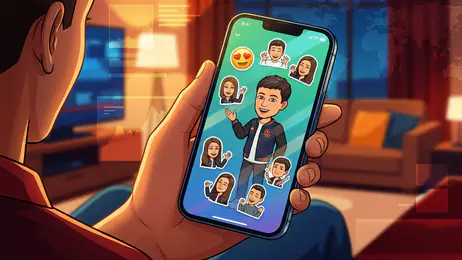
 Bitmoji
 makes self-expression quick and shareable, but its clever shortcuts sometimes leave newcomers guessing and regulars digging through familiar menus.
 Spotify: Music and Podcasts
Spotify turns endless choice into a dependable daily ritual. Its recommendation engine earns repeat visits, while ads, catalog gaps, and interface churn test the loyalty it has built.

 WEBTOON: Manga, Comics, Manhwa
WEBTOON makes the phone itself part of the comic form. Its strengths reveal what readers now expect—and what digital comics still get wrong.
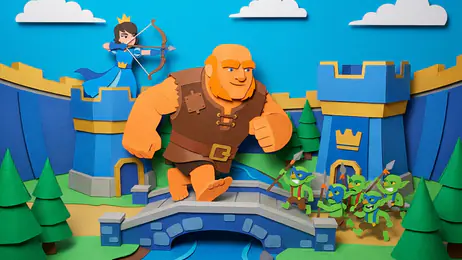
 Clash Royale
A sharper look at how modern phone habits and operating-system changes affect Clash Royale’s quick battles, daily rhythm, and occasional frustrations.

 AccuWeather: Weather Radar
A focused, radar-led weather app earns our pick this week by turning forecast details into decisions you can make before the sky does.
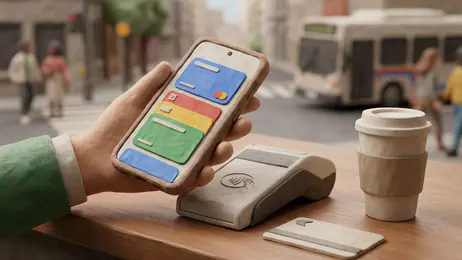
 Google Wallet
A thoughtful home for tap-to-pay, tickets and passes, Google Wallet is at its best when it quietly takes one more thing off your mind.
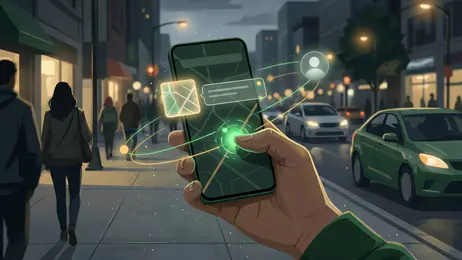
 Google Play services
It rarely asks for attention, yet it shapes how Android apps update, sign in and keep working. That invisibility is both its achievement and its uneasy bargain.
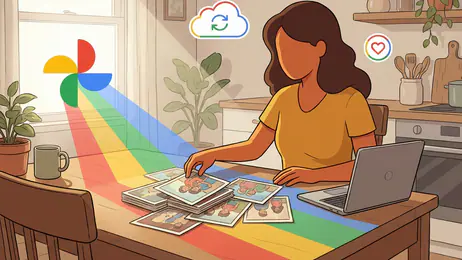
 Google Photos
As photo libraries swell and AI tools move into routine editing, Google Photos is gaining relevance by making years of personal images easier to search, shape, and revisit.
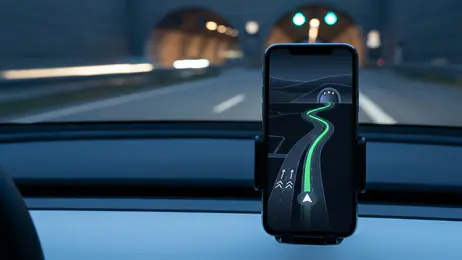
 Sygic GPS Navigation & Maps
Sygic turns a paid navigation app into a case study in platform strategy: offline maps create real utility, while subscriptions and phone habits shape who controls the journey.
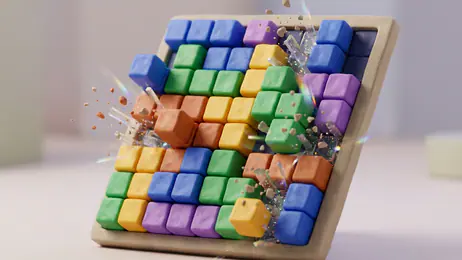
 Block Blast!
A clean little block puzzle becomes a study in space, risk, and self-control. Its best moments come from one satisfying clear; its toughest test is knowing when to stop.

 Super Stylist Fashion Makeover
Its makeover-to-client loop turns quick outfit decisions into shareable style theater. The question is whether the closet keeps giving players a reason to return.
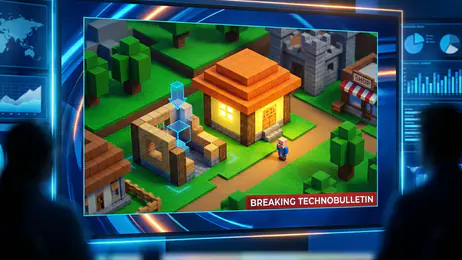
 Block Craft 3D:Building Game
A failure-focused look at Block Craft 3D’s forgiving building loop, its uncertain recovery edges, and the moments that demand more than a cheerful village.
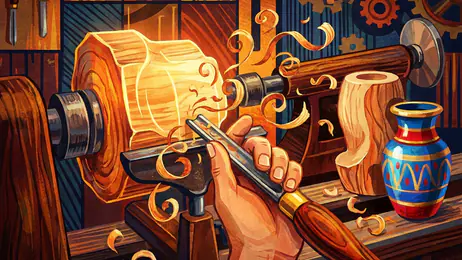
 Woodturning
If your usual creative game is about building, decorating, or styling, Woodturning trades open-ended projects for a tactile, tightly guided carving loop. Here is what that switch really costs.

 PUBG MOBILE
 shows how battle royale has matured: bigger systems matter less than meaningful choices, readable fights, and a reason to return after every loss.

 Braindom: Brain Games Test
Braindom turns quick logic traps into a personal ritual, but its community value is more about comparing answers than building together.

 Stack Ball - Crash Platforms
A falling ball, a tower of breakable rings, and one risky hold: Stack Ball turns a tiny control scheme into a surprisingly sharp test of timing.
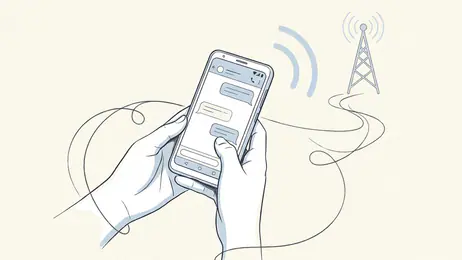
 Carrier Services
It is easy to overlook a system utility that rarely asks for attention. Carrier Services earns its place by helping supported Android phones handle modern carrier messaging with less friction.
 Google Drive
The cloud folder has become a meeting room, scanner, archive, and emergency inbox. Google Drive’s real power is also the source of its most persistent friction.

 Pooking - Billiards City
A focused single-player pool game that makes quick sessions satisfying, but its best fit depends on your patience for repetition, ads, and solo play.