YouTube
- 2.98M
- 3.9
- Installs
- 10.00B
- Price
- Free

Screenshots
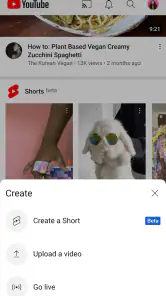


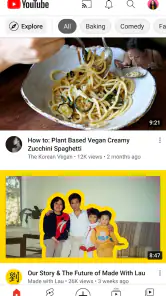

Analysis by Reviewed
I often see a shared household device turn into a small negotiation: one person wants a recipe, another is looking for a music performance, and someone else just wants the video that was watched yesterday. That is where YouTube feels especially useful. Its enormous mix of creators and subjects makes it easy to serve different interests, but it works best when the people sharing the screen agree on whose account is active and what they want to watch.
A shared screen can serve the whole household
At home, I find this app works best when everyone treats the screen as a shared window onto a very large library, rather than assuming every person will want the same recommendations. One person might put on a repair guide in the kitchen, while someone else later looks for music or a creator they follow. That flexibility is useful, but it also makes the next choice important: decide whether the device is for one person’s account or for several people taking turns.
For a practical shared-device routine, I would keep viewing sessions intentional. Search for the specific video or channel needed, watch it, then return to the home screen instead of letting autoplay choose the next item. This is especially helpful on a television or tablet that other household members use, because one person’s viewing can shape what appears to the next person. It does not eliminate mixed recommendations, but it gives everyone a simple way to avoid turning a quick search into an accidental marathon.
The Latest on YouTube
Small habits that make shared viewing smoother
A useful trick is to decide who is choosing before opening the app, particularly when several people are gathered around a television. That avoids a long round of browsing in which each person’s searches and watch choices start influencing what the next user sees. If one person is responsible for finding a video, I would ask them to search by the channel or a distinctive phrase rather than rely on a thumbnail they half-remember. Search is often the calmer route when the home feed has been shaped by somebody else’s viewing.
For a quick household task, I might find a tutorial first, check that it actually covers the step we need, and then keep the device nearby to pause or replay it. That is more practical than treating the recommendation queue as a plan for the afternoon. It also highlights an important limit: a video can show a method clearly without proving that it is right for every situation. For anything safety-sensitive, I would use the video as a starting point and verify the advice elsewhere.
Endless Content and Personalization
If there’s one thing YouTube does brilliantly, it’s providing a platform where content is as endless as the universe itself. From vlogs, tutorials, music videos, to documentaries, the variety is simply staggering. The app’s algorithm does a pretty nifty job of personalizing your feed based on your viewing habits. It learns what you enjoy and feeds you more of it, which is both a blessing and a curse. You could be watching a cooking show and, before you know it, you’re knee-deep in conspiracy theories or the latest stand-up comedy special.
Choosing boundaries before handing over the device
When I set up a phone or tablet for shared use, I think about account boundaries before I think about playlists. A signed-in account can make subscriptions and viewing history convenient for its owner, but it can also blend different people’s interests into one feed. If a device changes hands often, signing out between users or using separate accounts where available can make recommendations feel less confusing. The trade-off is extra setup and the possibility that someone has to sign in again when they want their own subscriptions.
More From Our News Desk

X Under Pressure: Can It Recover When Posting Goes Wrong?

Clash of Clans Is Won Between the Battles

Android Auto Makes the Case for Quieter Car Software

MobiOffice: Transforming Mobile Productivity with Seamless Integration

EA SPORTS FC™ Mobile Soccer: Redefining Mobile Sports Gaming

How Microsoft OneDrive Became a Mobile Productivity Giant
There is also a useful distinction between letting someone browse and choosing something for them. For a child, I would not assume that a general video feed is automatically a child-friendly space just because it includes educational material. YouTube Kids is a separate option mentioned by the app’s own ecosystem, and parents should make their choice based on the child and the viewing situation. An adult staying nearby and selecting a particular video can be a better fit than handing over an open-ended feed, especially when the device is in a common room.
Social Interaction and Community
One of my favorite aspects of YouTube is the sense of community. You can comment on videos, give them a thumbs up or down, and even subscribe to your favorite channels. This interaction makes the experience feel more personal and engaging. Plus, creators often respond to comments, making it a two-way street. Whether you’re into beauty tutorials or tech reviews, there’s a community waiting for you.
Another cool feature is the ‘Stories’ and ‘Community’ posts that some creators use to keep their audiences updated. It’s similar to what you’d find on social media platforms like Instagram, but with a YouTube twist. This feature helps bridge the gap between creators and their audience, fostering a tighter-knit community.
Making viewing easier to coordinate
For a household, subscriptions can act as a lightweight way to keep track of channels people regularly return to. I would use them as a starting point, not as a complete family schedule: one person can subscribe to a cooking channel, another to a science explainer, and each can search for their own choice when it is their turn. If you are sharing one account, agree on whether likes and subscriptions are personal or communal. That small conversation can prevent someone’s recommendations from being crowded with videos they watched only once for another person.
When several people want to watch together, choosing the video before settling in is more reliable than passing the phone around and browsing in the moment. A short list of channel names or saved video titles can help everyone find the intended content without searching through unrelated suggestions. It also makes the app useful for ordinary coordination: a family can agree on a how-to video before starting a small home task, then pause and replay the steps as needed. I would still verify that the video matches the job rather than treating a popular tutorial as professional advice.
Learning and Entertainment at Your Fingertips
What’s incredible about YouTube is its dual capability as both an educational tool and an entertainment hub. Want to learn a new language? There’s a playlist for that. Need to unwind with some music? There’s no shortage of playlists and live streams to satisfy your auditory cravings. The platform’s versatility is its superpower.
Moreover, YouTube Kids is a fantastic feature for parents. It curates content suitable for children, providing peace of mind while your little ones explore. And let’s not forget YouTube Premium, which offers an ad-free experience, offline downloads, and access to YouTube Music. It’s a subscription worth considering if you're a heavy user.
Age, trust, and the limits of an open library
The app is rated Teen, so I would take age context seriously when deciding who should browse it independently. That rating is a useful prompt for a parent or caregiver to think about the viewer’s maturity, but it is not a substitute for household judgment. A child’s interests, the type of videos they are seeking, and whether an adult is available to discuss what appears all matter. For younger viewers, a more guided choice may be more comfortable than an unrestricted session in the main app.
Trust also means being realistic about recommendations. A suggested video can be entertaining or useful, but a confident presenter is not automatically an expert, and comments are not a dependable way to verify a claim. For schoolwork, health questions, repairs, or financial topics, I treat YouTube as a place to discover explanations and then check important details against reliable sources. That habit preserves the app’s value as a learning tool without asking it to do a job it was not designed to do.
What to expect from the viewing experience
When I want a quick answer, I usually search for the task or question directly and look for a video that gets to the point. When I want company in the background, browsing a familiar channel or playlist feels more natural. Those are different jobs, and the app’s open-ended feed is better for the second than the first. For focused viewing, a precise search and a willingness to stop after the useful result can save time.
People sometimes ask whether the app is worth installing if they already have a video player on their phone. For me, the distinction is simple: a local player is designed around videos you already have, while YouTube is useful for finding and following material hosted by creators. If the goal is to watch a particular personal file, I would use the player that handles that file. If the goal is a demonstration, a channel, a live stream, or a new topic, YouTube is the more relevant tool.
The Ups and Downs
While I’ve sung a lot of praises, it’s only fair to mention the flip side. The ads. They can be a bit intrusive, especially if you’re not a Premium member. But hey, that’s how creators make a living, right? Another gripe is the occasional algorithm misfire, suggesting content that’s completely off your radar.
In day-to-day use, the biggest trade-off is between convenience and control. The personalized home feed is quick when I want familiar channels, but it can be a poor starting point when I have a specific goal or when another person has just used the same account. Searching by a precise phrase or going directly to a known channel is often more efficient than trying to correct a feed that has drifted. And if ads interrupt a focused lesson or a shared movie night, Premium may appeal to frequent viewers; anyone who only watches occasionally may prefer to keep using the free app and accept those breaks.
How it fits beside other video apps
Compared with a local video player, YouTube is stronger when I want to discover new creators, follow channels, or move from a quick answer to a deeper series. A local player is the better choice when I already have a particular file and want to watch it without browsing a social feed. Compared with subscription streaming services, YouTube feels less like a curated shelf of shows and more like a mixed collection of creator videos, live content, music, and practical demonstrations. That breadth is a strength, but it also means the quality and suitability of videos can vary widely.
For a household, that difference matters. A subscription streaming app can be easier when everyone wants to choose from a relatively defined set of films or series; YouTube is better when the evening calls for a specific performance, a creator people follow, or a practical explanation. I would not use either as a universal replacement for the other. The right choice depends on whether the family already knows what kind of video it wants or wants to explore a broad, less predictable library.
Who will get the most from it
I recommend it most readily to people who use video for several purposes: following creators, picking up a cooking technique, watching music, or exploring a topic that has caught their attention. It is also a sensible choice for adults who want one familiar place to find varied material without maintaining a separate app for every interest. The sheer range makes it easy to move from entertainment to practical learning, although the viewer still has to make choices about relevance and trust.
I would be more cautious about putting it on a shared device that a young child can browse alone, or on a screen where different users expect their histories and recommendations to remain distinct. A local player, a curated streaming service, or a more guided viewing arrangement may suit those situations better. For a person who dislikes ads, algorithmic suggestions, or the temptation to keep watching, the app’s convenience may not outweigh those frustrations.
The app is made by Google LLC and is free to install, with optional in-app purchases whose listed amounts range from five cents to nearly a thousand dollars per item. It first appeared on October 20, 2010. It has passed ten billion installs, has around 171 million ratings and roughly three million written reviews, and averages 3.9 stars. Those numbers speak to how widely used it is, not whether its open-ended style will suit a particular person or household.
A practical household verdict
My approach at home would be to keep the choice of account deliberate, decide whether a viewing session is shared or personal, and search for a known channel or video when the recommendations are not helping. For children, I would consider the Teen age rating as part of the decision and choose a level of adult involvement that fits the viewer. These are modest habits, but they make the difference between using the app as a useful library and letting its feed set the agenda.
To wrap it up, YouTube is more than just an app; it’s a universe of its own. Its vast library of content, coupled with its community features, make it a powerhouse in the digital world. Whether you’re there to learn, laugh, or just kill time, it’s got you covered. Just be ready for the occasional ad and the potential of getting lost in the endless stream of videos. Happy watching!
YouTube Frequently Asked Questions
Can I control how much mobile data YouTube uses?
Video viewing can use mobile data, so it is worth considering your connection when you watch away from Wi-Fi. YouTube’s data use varies with how often and how long you watch, as well as the videos you choose. Check your device’s data settings and monitor usage if you have a limited mobile plan; this can help you decide when to watch over Wi-Fi instead.
Can I use YouTube with captions or subtitles?
Captions or subtitles can make some videos easier to follow, including when you are watching in a noisy place or prefer to read along. Availability depends on the individual video, so it may differ from one creator or upload to another. Before relying on captions for a particular video, check its playback options and remember that caption quality can vary.
Can I share YouTube videos with other people?
YouTube is designed for enjoying and sharing videos, so you can pass along videos that you think friends or family may like. Sharing a video is separate from subscribing to its channel or saving it to a playlist. Consider the audience and the video’s privacy settings before you share, since those settings can affect who is able to view it.
Can I cast YouTube videos to a larger screen?
YouTube is primarily a mobile app for watching videos and channels, and some people may prefer viewing on a larger screen. Whether you can cast from your phone or tablet depends on the devices and setup available to you. If watching on a television is important, check the casting choices shown in the app and the compatibility of your equipment before relying on that option.
Can I adjust playback speed or video quality in YouTube?
Playback controls can make it easier to watch at a pace and quality that suit you, although the options available can depend on the video and your device. Faster playback may help with longer explanations, while lower quality can be useful when you want to reduce data use. Explore the controls during playback to see which choices are available for the video you are watching.
Pros
- Extensive video library
- User-friendly interface
- Offline downloads available
- High-quality video streaming
- Wide range of content creators
Cons
- Ads can be intrusive
- Limited background play without premium
- Can consume a lot of data
- Algorithm may not always suggest relevant content
- Comments section can be toxic
- Category
- Video Players & Editors
- Version
- Varies with device