 About Samsung Music
Samsung Music and the Quiet Case for Keeping Your Music
There is a small act of defiance in opening a music player that does not ask what you want to discover next. On a Samsung phone, Samsung Music can simply take you back to the tracks already in your life: the album you downloaded, the recording you were sent, the playlist you made for a long trip. Its appeal is not that it competes with the endless shelves of streaming services. It belongs to a different habit: treating music as something you keep close, rather than a feed that keeps arriving.
That distinction makes the app more revealing than its modest job suggests. The local music library is no longer the default center of mobile listening, yet it has not vanished. Samsung Music gives that surviving collection a clean, familiar place on the device, with browsing organized around songs, albums, artists, folders, and playlists. It is useful software, but also a small record of how phone culture has changed: from carrying files you chose to carrying access to almost everything.
A library in an age of access
The app makes sense as a companion to a particular kind of listener. Perhaps you have ripped CDs, bought MP3s, saved audio from a family member, or transferred years of files between phones. Perhaps you simply want downloaded music available without searching through a streaming catalog. Samsung Music takes those tracks and gives them the conventional shape of a music collection. The interface is less concerned with persuading you to sample a new release than with helping you find what is already yours.
That sounds ordinary, and ordinary is the point. Browsing by album or artist carries the logic of a record shelf into a pocket: the collection has edges, and its owner has some idea of what is inside. A streaming library can feel personal too, but it is built on a different promise. It lets you save access to music held elsewhere. A local player deals in files on the device, so its usefulness depends on what you have gathered, transferred, or downloaded.


This makes Samsung Music a practical reminder that ownership and access are not interchangeable, even if both can look like a row of album covers. The app cannot conjure a missing song or supply a subscription catalog. In return, it does not need every listening session to begin with a recommendation engine. It is a tool for people who want a known track to remain known, present, and easy to start.
The behavior it makes normal
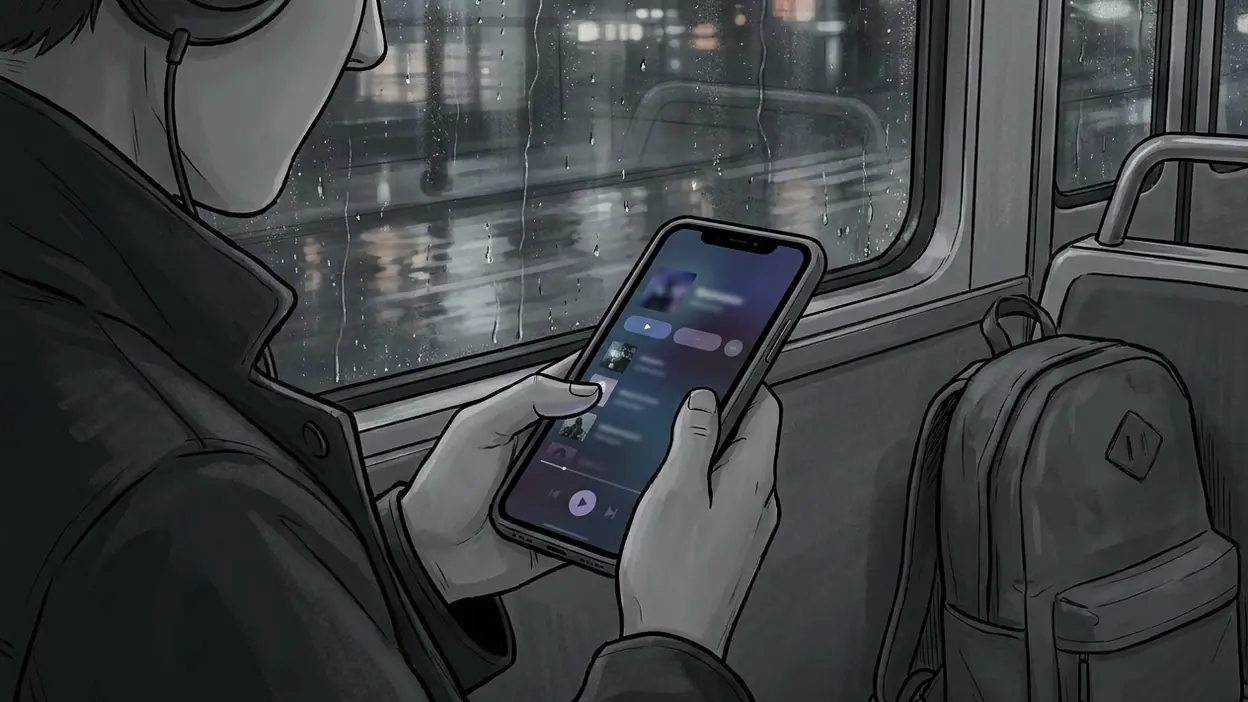
Using a local player encourages a quieter rhythm. You open the app, choose a song, and let it run. Playlists can serve a purpose without becoming public statements: a set of tracks for the commute, a folder of recordings for a workout, an album you return to when the day winds down. The collection accumulates through small decisions, and the app's job is to keep those decisions usable.
That is a different kind of stickiness from the one built around recommendations and daily engagement. Samsung Music can remain on a phone for years without demanding that its owner refresh a feed or follow a trend. Its value appears in the moment a familiar track is needed. The ritual is not elaborate, but repetition gives it weight: the same thumb movement, the same album, the same walk from the station to the front door.
Latest News



There is convenience here, but it is not frictionless in the way a streaming pitch might imply. A local library has to be maintained. Files may carry inconsistent tags, album art may be missing, and a track can be absent because it never made it onto the device. That maintenance can be mildly annoying. It is also part of the bargain: the listener keeps more control over the collection and accepts more responsibility for it.
Convenience, identity, and the phone as a pocket shelf
A phone has become a public signal as much as a private tool: its case, home screen, and favorite services hint at how its owner spends time. A music library is subtler, but it can be more intimate. Local files often hold choices that do not fit neatly into a current mood or a recommendation profile: an old soundtrack, a live recording, a song shared by a friend, or a whole album kept for one particular season of life.
Samsung Music does not make those choices look glamorous. It does something more useful: it gives them a straightforward home. The category tabs and familiar library views turn a pile of files into something that can be browsed without much thought. For a Samsung device owner, that native presence can also feel like a quiet convenience signal. The app is already there, close to the operating system's everyday routines, rather than being another destination to seek out and configure.
That convenience should not be confused with exclusivity. Samsung Music is not a badge of specialist taste, and the app's appearance does not transform a collection into a curated identity. Its cultural role is more modest: it keeps personal audio within reach without making the act of listening feel like a performance. In a phone environment crowded with accounts and feeds, that can be a relief.
Where the design meets daily life
The interface reflects the assumptions of a practical utility. It places the library's familiar categories near the surface, so a listener can move from an artist to an album or from a playlist to a track without learning a new musical vocabulary. The visual language is restrained and recognizably Samsung: clean panels, clear controls, and album artwork doing much of the expressive work. The design does not have to invent a world around the music. It has to make the collection legible.
That restraint suits the situations in which the app is likely to appear. A song starts while someone gets ready, continues through a bus ride, or fills a quiet room while dishes are done. The app rarely needs to become the main event. When playback controls are close at hand and the library is easy to scan, the phone slips back into its role as a pocket player rather than a miniature entertainment destination.
There is also a familiar ecosystem logic at work. Gallery makes personal photos easier to revisit; Samsung Music does something similar for audio, organizing material that may otherwise be buried among files. Neither app needs to persuade its user that the material is worth keeping. The act of keeping it has already happened. Their cultural task is retrieval: turning personal storage into something people can actually use again.
The uneasy edge of keeping things
The local-library model is reassuring, but it is not automatically simple. Music collections can be scattered across devices, formats, folders, and old backups. Moving to a new phone may require more than signing into an account, and a tidy interface cannot fix confusing file names or missing artwork. Samsung Music's usefulness is therefore strongest when the underlying library is in decent shape. If the files are messy, the app inherits that mess rather than solving it for you.
Its limits are also a reminder of how much modern listening depends on services. Listeners accustomed to a vast searchable catalog may find a local player sparse. There are no endless suggestions to fill a pause, and a track that is not stored on the device is not waiting behind a search bar. That can feel restrictive. It can also expose how thoroughly many of us have come to expect music to be available on demand, without asking where it lives or who controls access.
The unease is not that streaming is bad or that owning files is inherently virtuous. It is that convenience can obscure the difference between a collection and a temporary window onto one. A local player makes that difference visible. It asks, in its plain way, what you actually kept.
Rivals and the wider phone habit
Other phone experiences reinforce the same preference for immediate access, even when they handle different kinds of media. Google TV gathers films and shows into a single place; Google Play Books & Audiobooks puts reading and listening material within reach. Their libraries may rely on purchases, subscriptions, or linked services, but the familiar promise is that a device can become a convenient front door to entertainment. Samsung Music follows that pattern at the level of personal audio while preserving the older idea of files held on the device.
The contrast is especially useful because it shows what the app does not try to be. It is not a broad discovery hub, and it is not a universal answer to every listening need. Its most persuasive role is narrower: organize the music already available to you and make playback uncomplicated. As media apps converge on shelves, tabs, and saved collections, Samsung Music keeps one foot in a more tangible model of digital ownership.
That model fits a broader phone ritual. We reach for a device not only to find something new but to return to something familiar: a photo from last year, a book left midway, a song that belongs to a particular route. The strongest mobile utilities understand that repetition is not failure. Sometimes the point is to make the same choice easy again.
A quiet kind of staying power
What makes Samsung Music worth keeping close is not novelty. It is the dependable fit between a clear task and a common private habit. If your phone contains music you want to hear, the app gives that music a recognizable structure and keeps playback close to hand. If you rely entirely on streaming, it may seem secondary. That is an honest limitation, not a flaw that clever design can erase.
The app also asks for a little care in return. Keep files organized, bring the tracks you want onto the device, and accept that this library will not anticipate your taste for you. In exchange, you get a listening space that is personal in a literal sense: its contents reflect what has been saved there, not just what a service can currently make available.
That is the cultural reading I find most convincing. Samsung Music represents a form of phone use that is less about discovering more and more about keeping what matters within reach. It will not replace a streaming service for someone who wants an open-ended catalog, and it cannot make a neglected folder feel lovingly curated. But for the listener who still carries a private collection, it turns storage into a small daily ritual. In a world of rented access and ceaseless recommendations, the quiet comfort of a library you can call your own remains a compelling reason to press play.