TransUnion®
- 3.06K
- 3.2
- Installs
- 1.00M
- Price
- Free

Screenshots

Analysis by Reviewed
I see TransUnion: Credit Monitoring as a tool for people who want a convenient place to check their credit picture, not as a substitute for reading a report carefully or making financial decisions on autopilot. The app is free, belongs to the finance category, and is published by TransUnion Interactive, Inc. Its focus is straightforward: keep credit information and related guidance close at hand. Whether that is useful depends on what you want to do—check in occasionally, learn the basics, or keep a closer eye on changes.
Choosing a credit-monitoring app
Before installing any credit app, I’d ask what I need most: a quick score check, help understanding report changes, or a broader set of financial tools. Those are different jobs. A score view can make routine check-ins easier, while the underlying report is what matters when you need to investigate an account or inquiry. I’d treat the score as a useful signal, not a complete picture of every lender’s decision.
TransUnion: Credit Monitoring has been available since January 8, 2014, and its current version is 5.5.0 for devices running OS 10 or later. It has more than one million installs, with a 3.4 average from around 7,700 ratings and about 2,700 written reviews. That mixed rating is a good reason to approach it with practical expectations: the app may suit people who want TransUnion-focused monitoring, but I wouldn’t assume every user will have the same experience or find every feature equally useful.
Where the TransUnion app fits best
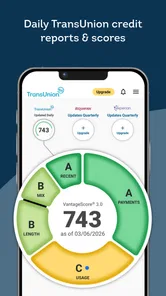
Upon downloading TransUnion: Credit Monitoring, I was immediately impressed by its sleek and user-friendly interface. The app is intuitive, making it easy for anyone, regardless of their tech-savviness, to navigate through its features. Right from the get-go, it offers a quick glance at your credit score, which is updated regularly. This instant access to such crucial information is invaluable.
For a practical routine, I’d use a credit app as a checkpoint rather than something to refresh constantly. For example, after applying for a loan or credit card, I would check in later to review the credit picture and look for unfamiliar activity. If anything seems wrong, I’d move from the summary view to the relevant report details and follow up through the appropriate official channel. A notification or score movement is a prompt to investigate, not proof by itself that fraud has occurred.
Alerts, advice, and the trade-offs
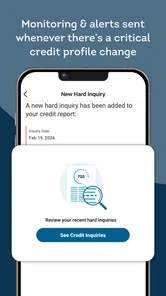
One of the standout features of this app is the real-time credit alerts. Whenever there’s a change to your credit report, be it a hard inquiry or a new account opening, you get notified instantly. This is crucial in today’s world where identity theft is rampant. The app ensures you’re always in the loop, giving you peace of mind knowing you can act swiftly if something fishy comes up.
Alerts are most useful when I know what normal activity looks like. Before relying on them, I’d review my report and make a note of accounts or inquiries I recognize; that makes an unfamiliar change easier to spot. I’d still check the report itself before contacting a lender or disputing an item, since an alert is an early warning rather than a full explanation. People who dislike notifications may prefer periodic manual checks, while anyone who wants a broader view across multiple sources may find a single-provider app limiting.
More From Our News Desk

 Bolt: Request a Ride
Bolt and the Shift from One-Tap Rides to More Legible Trips
Bolt shows how ride-hailing is shifting from a one-tap taxi request toward a more legible, choice-driven trip, while leaving the hardest questions of price and reliability unresolved.

 Farm Land - Farming life game
Farm Land Review: A Small Island Farm with a Satisfying Loop
A bright, breezy island farm turns a few quick chores into a satisfying cycle of planting, harvesting, expanding, and deciding what to build next.

 Android Auto
’s Community Takes Shape in the Passenger Seat
Its most valuable network is not a public feed but a shared set of routes, voice habits, app integrations, and advice that make driving less isolating—and sometimes more complicated.

 My Talking Angela
 Makes the Virtual Pet Feel Personal
A polished pet-raising game built on small rituals, playful customization, and a character who gives everyday screen time a surprisingly personal rhythm.

 Google Translate
 Review: A Pocket Tool for the Small Frictions of Travel
From menus and signs to quick conversations, Google Translate earns its place by cutting the little delays that make unfamiliar language feel like a barrier.

 Shazam: Find Music & Concerts
Shazam’s Best Trick Is Turning a Song Into a Night Out
A few seconds of recognition can settle an argument, rescue a half-remembered chorus, and point toward a live show. Shazam’s real trick is what happens after the match.
Latest News



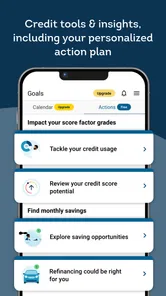
Another fantastic feature is the personalized financial advice. The app doesn’t just stop at showing you your credit score; it goes the extra mile by offering tailored recommendations. Whether it’s tips on improving your score or advice on which credit card might suit you best, the app acts like a personal financial advisor right in your pocket.
I’d treat recommendations as suggestions to compare, not automatic instructions. If the app points toward a card or another financial product, I’d weigh that against my actual needs, eligibility, and the terms offered before applying. Someone who wants neutral education without product suggestions may prefer a general financial-literacy resource; someone who appreciates having guidance alongside a credit check may find this combination convenient. That distinction matters because personalized prompts can be useful, but they do not replace independent research.
Everyday use and alternatives
Using the app is a breeze. All the information is presented clearly, and the app runs smoothly without any hitches. The developers clearly put a lot of thought into the user experience, ensuring it’s both engaging and informative. I especially appreciate the educational resources available within the app. For anyone looking to learn more about credit scores and financial management, these resources are a goldmine.
In an everyday scenario, I might set aside a few minutes once a month to review my score, scan for report changes, and read any relevant guidance rather than opening the app every day. That habit keeps monitoring from becoming a source of unnecessary worry while still giving me a chance to notice something that needs attention. If I were preparing for a major application, I’d also review the underlying report and compare information from other appropriate sources instead of relying on one app’s overview.
The usual alternatives fall into a few groups: a bank’s built-in credit tools, dedicated credit-monitoring services, and direct access to reports. A bank app may be more convenient if I already use it, while a service designed around multiple sources may better suit someone who wants a wider view. Direct report access is the better route when accuracy and detail are the priority. TransUnion’s app makes most sense when its particular credit perspective, alerts, and educational guidance match the way I want to check in.
Making the most of a single-provider view
One useful way to judge whether this app belongs in my routine is to decide what question I expect it to answer. If I want to know whether anything on my TransUnion credit picture deserves a closer look, a focused check-in can be practical. If I need to reconcile information from several places, I’d use it as one reference point rather than treating it as the final word. That small distinction prevents a convenient dashboard from becoming an accidental substitute for a full review.
I’d also separate two tasks that often get blurred together: tracking changes and preparing for an application. Monitoring can help me notice a new inquiry or account, but preparation means checking details, correcting errors if needed, and understanding the terms of the product I’m considering. The app may help me spot when to investigate; it cannot make that decision for me. This is especially relevant when a score changes but the reason is not obvious from the first screen.
For someone who has never paid attention to credit reports, the educational material may be a comfortable entry point. I would read one topic at a time and then connect it to something concrete in my own report, rather than trying to absorb every suggestion at once. For a person who already understands credit and only wants raw report access, those learning prompts may feel secondary. The app’s value depends less on how often I open it than on whether its mix of monitoring and explanation fits my habits.
When another approach is the better fit
A bank’s credit feature can be a sensible choice if I want fewer separate apps and already check that bank’s account regularly. Its convenience may outweigh a dedicated app when I only want an occasional glance. On the other hand, if I care about a particular bureau’s view and want related guidance in the same place, a TransUnion-focused tool has a clearer role. These options are not interchangeable in every situation, so I’d choose based on the information I actually need.
A broader monitoring service may suit someone who wants to compare information from more than one source, especially when they are actively sorting out a complicated report. That wider scope can also mean more information to interpret, so it is not automatically better for a person who simply wants a manageable check-in. Direct report access is my preference when I need to verify a detail carefully or document a discrepancy. I would use the app for awareness and switch to a more detailed route when the question becomes specific.
There is also a good case for skipping a credit-monitoring app altogether if checking scores tends to make someone anxious without leading to useful action. A scheduled review may be more helpful than frequent alerts for that person. Likewise, anyone who wants financial advice with no product suggestions should look for an educational source that matches that preference. I see the app as most useful when a reader welcomes both a credit snapshot and prompts to learn or explore, while remaining comfortable making independent choices.
What to expect before relying on it
In an era where financial literacy is more important than ever, having an app like this is not just convenient but essential. By giving users direct access to their credit information and providing actionable insights, the app empowers users to take control of their financial future. It’s more than just a monitoring tool; it’s a comprehensive financial companion.
There is still a difference between monitoring and fixing a problem. If I spot an unfamiliar account, I’d document what I see, inspect the report for context, and contact the relevant organization through a trusted route; I would not assume that installing an app resolves an identity or billing issue. Likewise, a score can move for reasons that need context, so I’d avoid making a major borrowing decision based on a single glance. The app is best for awareness and learning, not a guarantee of a particular financial outcome.
The age rating is Everyone, which describes the app’s content classification rather than making it suitable as a shared household account. Credit details are personal, so I’d keep access on my own device and avoid showing sensitive information casually. It is free to download, but I’d still read the terms shown for any recommended financial product separately; the app’s price does not tell me the cost or suitability of a product it may present.
A sensible routine for alerts and report checks
When I first start using any monitoring app, I prefer to establish a baseline before reacting to every change. I’d look through the report for familiar accounts and recent activity, then make a note of anything I may need to recognize later. If an alert arrives, I can compare it with that baseline and decide whether it calls for a closer look. This is a simple but useful habit because alerts are most actionable when I already know what ordinary activity looks like.
If a change appears around the time I have applied for credit, I would not assume it is either harmless or suspicious based on timing alone. I’d match the alert to my own records, inspect the report entry, and contact the organization involved if I still cannot identify it. If I have not applied for anything and an unfamiliar item appears, I’d use the same careful steps rather than acting from the notification alone. That keeps the app in its best role: helping me notice, organize, and follow up.
For everyday use, I would keep the review short and purposeful. I’d open the app with a question in mind—whether there is a new report change, whether I understand a score movement, or whether a learning prompt applies to a decision I’m considering. If nothing needs attention, I can close it without repeatedly checking. This approach makes monitoring feel like a practical routine instead of a stream of numbers that encourages overreaction.
My recommendation
In conclusion, if you’re someone who cares about their financial health and wants to ensure they’re making informed decisions, this app is definitely worth a download. With its robust features and user-friendly design, it not only helps you monitor your credit but also aids in enhancing your financial literacy. So, why wait? Get started on your journey to financial empowerment today!
My recommendation is more specific: I’d try it if I wanted an accessible TransUnion-focused check-in, report-change alerts, and financial education in one place. I’d skip it if I needed a comprehensive view across multiple sources, wanted only a bare-bones report tool, or preferred to avoid product recommendations. Its free price lowers the barrier to trying it, but the modest average rating suggests keeping expectations measured. For the right user, it can support a sensible monitoring habit; the strongest results still come from checking details and making decisions deliberately.
Before settling into a routine, I’d ask myself whether I want an alert-led experience or simply a place to review credit information now and then. If I prefer to investigate changes as they arise and appreciate having educational guidance nearby, this app has a clear purpose. If I only need a detailed report for a particular task, I’d go directly to the relevant report source instead of expecting a monitoring dashboard to do every job. That is the main trade-off: convenience and guidance in exchange for a view centered on one provider.
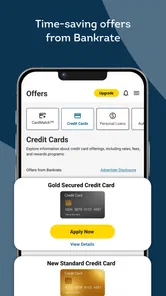
I would also give the recommendations a practical test: do they help me understand an option, or do they distract me from the financial decision I already need to make? A product suggestion can be a useful starting point, but I’d compare eligibility and terms independently and take time before applying. People who prefer to keep monitoring separate from shopping for financial products may find the app’s blend less appealing. Those who are comfortable evaluating suggestions for themselves may find that arrangement efficient.
Overall, I’d recommend giving it a try if TransUnion-focused monitoring is what you want and you are willing to verify anything important in the report itself. It is a better match for building a calm, repeatable credit-checking habit than for resolving a dispute or comparing every available source. Keep notifications in perspective, use the educational material selectively, and make your own decision about any financial offer. With those boundaries in place, it can be a useful companion without being mistaken for a complete financial plan.
TransUnion® Frequently Asked Questions
What should I know about the TransUnion: Credit Monitoring app before installing it?
TransUnion: Credit Monitoring is a finance app from TransUnion Interactive, Inc. Its store summary describes its focus as scores, reports, and offers, making it relevant for people who want credit-related information in one app. It is free to download, rated for Everyone, and requires Android 10 or later. Check that your device meets this requirement before installing.
What features does the TransUnion: Credit Monitoring app offer?
The TransUnion: Credit Monitoring app provides users with comprehensive tools to monitor their credit health. Key features include instant alerts for credit score changes, personalized credit reports, and insights into credit factors. Users can also access identity theft insurance and a credit lock feature to protect against unauthorized access.
Is the TransUnion app free to use or are there subscription fees?
While the TransUnion app offers some free features, it primarily operates on a subscription model. Users can access basic credit score monitoring for free, but advanced tools, such as in-depth credit analysis and identity theft insurance, typically require a monthly subscription fee. Check the app store for specific pricing details.
How secure is my personal information on the TransUnion app?
The TransUnion app is designed with top-tier security measures to protect users' personal and financial information. It uses encryption technologies and multi-factor authentication to secure data. Additionally, it offers an identity theft insurance feature to further safeguard users against potential threats.
Can I access my credit report from all three major bureaus with this app?
The TransUnion app primarily focuses on providing credit reports and scores from TransUnion itself. While it offers detailed insights and tools based on TransUnion data, users looking for a comprehensive view from all three major credit bureaus may need to use additional services or apps.
Pros
- User-friendly interface for easy navigation.
- Real-time credit score updates.
- Alerts for any unusual credit activity.
- Comprehensive credit report access.
- Educational resources for credit improvement.
Cons
- Requires a paid subscription for full features.
- Limited customer support hours.
- Occasional app crashes reported.
- Some features are US-only.
- Personal data privacy concerns.