Cash App
- 447.57K
- 4.7
- Installs
- 100.00M
- Price
- Free

Screenshots
Analysis by Reviewed
I find Cash App works best when I treat it as a set of separate money tools rather than one all-purpose wallet. A quick payment to a friend, a debit card purchase, a stock trade and a Bitcoin transaction have different risks and purposes, even though they sit in the same app. That distinction makes it easier to use the convenient parts without letting the investment features blur into everyday spending.
Build a reliable everyday routine
For shared expenses, I’d settle on one identifier with the other person before sending money, then check the recipient and amount on the confirmation screen. That small pause matters when a payment is meant to be quick: speed is useful, but it also makes a mistaken transfer more stressful to sort out. For recurring group costs, keeping a simple note of who has paid can prevent the app’s transaction history from becoming your only bookkeeping system.
A realistic example is splitting dinner after a night out. I can send my share while the amount is fresh, then use the activity record later to check what I paid. I wouldn’t treat that record as a full household budget, though. If you need detailed categories, shared bills, or formal expense reports, a dedicated budgeting app or your bank’s account tools may give you a clearer overview.
The Latest on Cash App
Make repeat payments easier to manage
When I use Cash App with the same small group, I make the routine predictable instead of relying on memory. I confirm the person’s identifier once, agree on how we describe shared costs, and check each payment before sending it. That is more useful than trying to rush through a transfer because the app makes it feel quick. A clear habit also helps when several people have similar names or when a payment is being made in a noisy, distracting moment.
For a recurring expense, I would still verify the amount each time rather than assuming the previous payment is a template for the next one. A dinner bill, a shared ride, and a monthly contribution can all change. Cash App’s payment history is handy for checking what I sent, but a short note or a separate budget remains useful if I need to track what the group owes overall. That division of labor keeps the app useful without asking it to be a complete accounting system.
Check the details before relying on extras
The Cash Card and Boosts can make the app more useful for everyday purchases, but I’d look at the terms shown in the app before planning a purchase around a discount. An offer is only helpful if it applies to something I was already going to buy. Personalizing a card is a nice touch; it doesn’t change the basic habit I’d recommend, which is to review a transaction and keep track of what is being spent.
I’d also separate money intended for spending from money I’m considering investing. Stocks and Bitcoin can move in value, so I would not use money needed for rent, groceries, or an upcoming bill as investment money. Starting small can make the experience less intimidating, but it does not remove market risk or turn an investment into a guaranteed return.
More From Our News Desk

Weather by Xiaomi Review: Clear at a Glance, Less Clear Up Close

X Under Pressure: Can It Recover When Posting Goes Wrong?

Clash of Clans Is Won Between the Battles

Android Auto Makes the Case for Quieter Car Software

MobiOffice: Transforming Mobile Productivity with Seamless Integration

EA SPORTS FC™ Mobile Soccer: Redefining Mobile Sports Gaming
Settings and choices worth checking
Before making Cash App a regular part of my routine, I’d take a moment to review the account and payment settings available in the app. The practical goal is not to hunt for obscure switches, but to understand how I access the account, which details I use to receive money, and what I see when a payment is about to go through. I’d also make sure my sign-in method is one I can use reliably, rather than discovering during a purchase that I have forgotten the credentials I chose.
I’d check any current terms inside the app before using a card offer, buying Bitcoin, or making a stock transaction. These activities do not all work like sending a friend money: a discount has conditions, and investments can lose value. A useful personal rule is to pause before confirming anything that moves money into a different purpose. That small distinction makes it easier to enjoy the convenience without treating every button as an equally low-risk payment.
Know when another option fits better
Cash App is a natural fit if the people I pay already use it and I want transfers alongside optional card and investing tools. A bank app may be a better everyday home for someone who prioritizes a broader view of accounts and established bill-management routines. For international payments, specialized services may be more appropriate; I’d check where a service works and what its current terms allow before depending on it.
I would not choose Cash App solely because it combines several features. Keeping payments, banking-related activity, stocks and Bitcoin in one place is convenient, but it also asks me to be deliberate about which balance or tool I’m using. The app is less compelling for someone who wants only a basic bank account, dislikes handling digital payments, or needs extensive budgeting and reporting.
Who benefits from keeping it in the mix
I’d recommend it most readily to someone whose friends or family already use it, who wants a straightforward way to settle informal expenses, and who is comfortable managing money on a phone. It can also suit a curious beginner who wants payment and investing tools together, provided they understand that convenience does not make stocks or Bitcoin safe places for essential cash. The combination is most helpful when each feature has a clear job.
Someone who mainly needs a traditional banking relationship, a detailed household budget, or a dependable way to organize formal bills may be happier using a bank’s own app as their central tool. Likewise, I would not make Cash App my first choice for a transfer that depends on international availability or a particular service condition without checking the current terms first. Choosing a focused alternative is not a failure of the app; it is simply a better match for a different need.
Cash App is a free finance app from Block, Inc., and its long track record is reflected in a 4.7 average from around four million ratings. It has passed over 100 million installs, is rated for Everyone, and version 5.28.1 requires Android 10 or later. Those figures suggest broad use, but I’d still judge it by whether its payment network and feature mix suit my own habits.
Ever found yourself in a situation where your wallet feels like it's been hit by a tornado? Well, fear not! Cash App is here to save the day. If you haven't heard about it, you're in for a treat. This nifty little app is like your digital wallet on steroids. Let's dive into the world of Cash App and see what it has to offer.
A Seamless Way to Handle Money
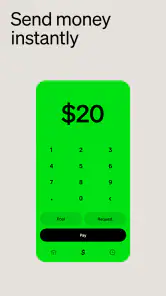
First things first, Cash App offers a super simple way to send and receive money. Whether you're splitting a dinner bill with friends or paying your share of the rent, this app makes transactions a breeze. All you need is the recipient's username, phone number, or email, and voila! Money transferred. It's like magic, but without the top hat and rabbit.
More Than Just Transfers
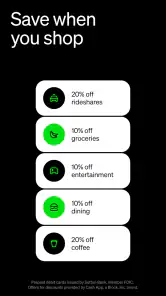
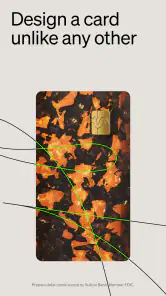
But wait, there's more! It also comes with a free debit card known as the "Cash Card". You can personalize it and use it wherever Visa is accepted. The cool part? You can even get discounts on certain purchases, thanks to "Boosts". It's like having a coupon fairy on your shoulder.
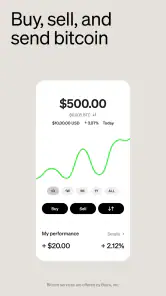
Moreover, if you're into Bitcoin, the app has got you covered. You can buy, sell, and store Bitcoin right within the app. It's like having your own mini Wall Street in your pocket. Just remember, with great power comes great responsibility!
Investing Made Easy
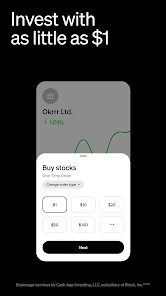
Speaking of power, did I mention that it also lets you invest in stocks? Yep, you heard it right. You can start investing with as little as $1. It's perfect for those like me who want to dip their toes into the stock market without diving headfirst. Plus, the app provides you with valuable insights and data to help you make informed decisions. It's like having a financial advisor, minus the hefty fees.
And if you're worried about security, rest easy. Cash App takes security seriously with encryption and fraud protection. So, your money and information are safe and sound. It's like having a security guard for your digital wallet.
A considered way to use the extras
The useful question is not whether every feature belongs in one app, but whether I can keep their purposes separate. I treat a person-to-person transfer as a payment, a Cash Card purchase as spending, and a stock or Bitcoin transaction as an investment decision. That framing prevents an easy interface from making a market purchase feel as routine as paying someone back for lunch.
If I’m considering a first stock purchase, the small entry point mentioned above can make learning less daunting, but I would still decide in advance how much I can afford to put at risk. I’d read the information shown before confirming a trade and avoid interpreting a simple interface as personalized financial advice. The same caution applies to Bitcoin: the convenience of buying and holding it in the app does not remove volatility or make it suitable for every goal.
Final Thoughts
In a world where convenience is king, it remains a handy option for people whose day-to-day payments fit its network. With its user-friendly interface and collection of features, it’s no surprise that millions are hopping on the bandwagon. Whether you're managing daily expenses, investing in stocks, or dabbling in cryptocurrency, this app has got your back. So, why not give it a whirl and see for yourself? Trust me, you won't regret it!
My recommendation is more measured: I’d try it for a specific need, such as settling shared costs with people who already use it, then add the card or investing tools only if they make sense for my routine. I would not move every financial task into one app simply because the options sit together. If I need formal budgeting, a complete account overview, or a service suited to a transfer outside its supported reach, I’d choose a more specialized alternative.
For anyone who does adopt it, the strongest habit is a brief pause before each action: check who receives a payment, confirm what a card offer actually covers, and keep investment money distinct from near-term bills. That is not complicated, but it makes a real difference when a single app covers activities with very different consequences. Used with that discipline, Cash App can be a convenient part of my financial toolkit rather than a replacement for every tool I need.
Cash App Frequently Asked Questions
How can I get Cash App, and is it free to download?
Cash App is free to download from the official app store for your device. It is a finance app published by Block, Inc., and its store description is simply “Cash App.” As with any financial service, downloading the app does not mean every feature or transaction is free, so review the terms and any applicable fees before using a service.
How popular is Cash App, and when was it released?
Cash App has been available since October 15, 2013, and it has a large audience on mobile. Its average rating is 4.7 from around 4 million ratings, with roughly 448,000 written reviews and over 100 million installs. Those figures can offer a sense of its reach, but they do not guarantee that the app will suit every user or financial need.
Who publishes Cash App, and what devices can run it?
Cash App is a finance app published by Block, Inc. It is available for mobile devices running Android or iOS, and the Android version requires Android 10 or later. Before downloading, check your device’s operating system version and install the app through the official app store for your platform. The app is free to download, though some services may involve fees.
What can I do with Cash App besides sending money?
Cash App is designed to do more than handle person-to-person payments. Its store summary highlights sending money and Bitcoin, investing, banking, and other money-related features. The exact options you can use may depend on your account and location, so check the app’s available features before relying on it for a particular financial need. It is a finance app rather than a general-purpose messaging service.
Is Cash App intended for children, or does it have an age rating?
Cash App has an Everyone content rating, but that rating is not the same as a guarantee that every financial feature is suitable for every child or available to every age group. Because the app handles money and offers financial services, families should review its terms and eligibility requirements before a young person uses it. The rating describes the app’s content classification, not account approval.
Pros
- User-friendly interface
- Instant money transfers
- Free ATM withdrawals
- Cashback rewards
- Bitcoin support
Cons
- Limited international use
- No credit card option
- Customer service issues
- Transaction limits
- Security concerns
- Category
- Finance
- Version
- 5.28.1