Talkpal - AI Language Learning
- 293.00
- 4.4
- Installs
- 1.00M
- Price
- Free

Screenshots


Analysis by Reviewed
I like Talkpal - AI Language Learning most when I want to practise speaking without arranging a lesson or waiting for another person to be free. I can open it for a short conversation in a spare moment, which makes regular practice feel more realistic than relying on a long study session I may never schedule. That convenience is most useful when I already know a little and need to get more comfortable forming replies.
Quick practice has a different job from a full lesson
I think of this kind of AI tutoring as a way to turn passive knowledge into active use. Reading a phrase is one thing; responding to a prompt in the language is harder, and that small bit of pressure is precisely what makes conversational practice worthwhile. It is a practical complement to a course or textbook, not necessarily a replacement for the structured progression those materials provide.
A useful routine is to pick one situation before starting: ordering food, introducing yourself, or explaining what you did that day. Keeping the topic narrow gives a short session a purpose and makes it easier to notice where you get stuck. I would also revisit a phrase I struggled to produce later, rather than treating each chat as a separate performance.
How I would fit it into an ordinary day
On a commute, I might use a brief session to warm up in Spanish, then save a more focused conversation for a quiet break when I can pay attention to the replies. If I am learning French for an upcoming trip, I would practise simple travel exchanges repeatedly before trying broader, less predictable conversation. This is a low-pressure way to rehearse, though it cannot reproduce the pace, accents, or social cues of talking with a person.
That distinction matters if your goal is confident real-world speaking. AI conversation can help me get past the first hesitation, but I would still look for chances to speak with people, especially to learn how they respond naturally and to check whether a phrase fits the situation. Learners who need a formal syllabus, teacher assessment, or human conversation as their main activity may be better served by a class or tutor, using an app as a supplement rather than the centre of their plan.
Getting Started with Talkpal
Diving into Talkpal - AI Language Learning was a breeze. The app's interface is sleek and intuitive, making it easy for even the most tech-averse among us to navigate. Upon launching the app, I was greeted by a friendly AI that guided me through the setup process, tailoring the experience to match my language goals. Whether you're a complete beginner or looking to polish your skills, Talkpal's got your back.
What a first session can realistically do
I would treat the first conversation as a low-stakes diagnostic rather than a test of fluency. Start with a topic you can already discuss in simple terms, then notice whether the friction comes from missing vocabulary, uncertain grammar, or simply taking too long to answer. Those are different problems, and naming the one you encountered helps you choose what to practise next instead of concluding vaguely that you are “bad at speaking.”
More From Our News Desk

Clash of Clans Is Won Between the Battles

Android Auto Makes the Case for Quieter Car Software

MobiOffice: Transforming Mobile Productivity with Seamless Integration

EA SPORTS FC™ Mobile Soccer: Redefining Mobile Sports Gaming

How Microsoft OneDrive Became a Mobile Productivity Giant

How Google Translate Breaks Language Barriers Effortlessly
For a beginner, that distinction is especially useful. A person who knows only a few phrases may get more value from carefully preparing a basic introduction than from trying to sustain a broad conversation. Someone at an intermediate level can use the same setup to push beyond familiar scripts, but should expect to pause and look things up. I would not judge the app by whether one early chat feels effortless; a useful practice partner should expose gaps as well as make speaking less intimidating.
AI conversation alongside familiar study tools
Compared with flashcard apps, Talkpal is better suited to trying to retrieve words while building a response, rather than simply recognising a term when it appears. That is a meaningful difference if your main obstacle is freezing mid-sentence. Flashcards still have the advantage for deliberate repetition of a short vocabulary set, and a textbook is usually easier to follow when you want grammar presented in a planned order. I would combine those approaches instead of expecting conversational practice to teach every foundation by itself.
It also differs from a live tutor in a way that matters: there is no human instructor noticing your mood, asking why you chose a phrase, or explaining a cultural nuance from personal experience. In exchange, AI practice can fit into irregular pockets of time and lets me try an answer without the social pressure of making a mistake in front of someone. That makes it a useful rehearsal space, not a substitute for the feedback and spontaneity of real conversation.
Features that Stand Out
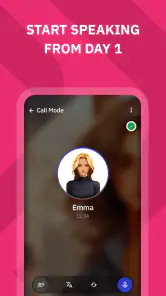
One of the coolest features of Talkpal is its AI-powered conversations. Instead of rote memorization, you're engaging in dialogues that mimic real-life conversations. This isn't just effective; it's fun. I found myself chuckling at jokes and learning slang that you wouldn't find in a textbook.
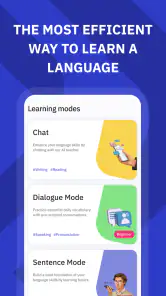
The app also offers a variety of learning modes. From vocabulary drills to listening exercises, it's designed to cater to different learning styles. I particularly enjoyed the "Story Mode," where you immerse yourself in short stories, picking up new words and phrases along the way. It's like Netflix binging, but you're actually learning something productive!
A more deliberate way to use its activities
When I move between conversation, drills, listening, and stories, I try to give each activity a job. A story can provide context for unfamiliar vocabulary; a drill can help me revisit words I keep forgetting; a conversation can reveal whether I can actually use them. If I do all of these without a plan, the session may feel varied but leave me with little to carry into the next day. Choosing one target phrase and trying to use it in more than one mode is a practical way to connect the activities.
For example, before a trip I might practise a short exchange about ordering a meal, then note the words I could understand but could not produce. I could revisit those in a drill and return to the same scenario later, changing one detail so I am not merely repeating a memorised script. The point is not to build a perfect travel phrasebook in one sitting; it is to make retrieval a little less effortful each time.
Why Talkpal is a Game Changer
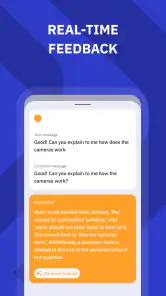
Unlike traditional language learning methods, Talkpal is all about flexibility. You decide when, where, and how you learn. For someone with a hectic schedule, this app has been a game-changer. Plus, the instant feedback mechanism ensures that mistakes are corrected on the spot, which is crucial for effective learning.
Another aspect worth highlighting is the community feature. Learners can connect with fellow users, share tips, and even practice speaking with each other. It's a supportive environment that fosters growth, and honestly, it makes the whole process a lot less daunting.
Speed, stability, and everyday demands
The best performance test for a language app is whether it lets me begin practice without turning a spare minute into setup time. In my experience, the straightforward interface helps keep that first step light. The actual value, though, depends on how actively I use each session: a quick exchange is convenient, while a longer conversation asks for more attention and a quiet enough moment to follow the replies.
During heavier use, I would treat Talkpal as one part of a study routine rather than expect it to carry every learning need. Switching between conversation, drills, listening, and stories can keep practice varied, but variety is not the same as a carefully sequenced course. I get more from choosing one mode to address a specific weakness than hopping between activities just because they are available.
Any AI-led exchange also has a natural reliability limit: a fluent-sounding response is not the same thing as a teacher checking every nuance. I would use corrections as prompts to think, then verify important grammar or formal wording with a trusted reference. That is especially sensible when preparing a work message or an exam answer, where a subtle register choice can matter more than keeping a casual chat moving.
What to do when practice gets interrupted
Language learning rarely happens under perfect conditions. If I have only a few minutes, I would choose a small target rather than start a conversation that needs sustained concentration. If a real-life interruption breaks the session, I can return to the same subject later by restating the situation and trying the troublesome phrase again. This is a simple recovery habit, not a promise that every conversation will resume exactly where it stopped; it keeps the learning goal clear even when the day is messy.
I would also avoid measuring progress by the number of minutes spent chatting. A short exchange in which I notice and repair one repeated mistake may be more useful than a long, unfocused session. A modest note to myself—such as “practise past-tense answers” or “learn words for directions”—can make the next visit purposeful without turning the app into another chore.
Who should try it, and what it costs
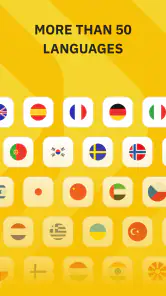
Talkpal, made by Talkpal, Inc., is an education app for learners interested in English, Spanish, German, French, Italian, and more than eighty other languages. It is free to install, with in-app purchases ranging from about fifteen to ninety dollars per item, so I would explore the free experience first and decide whether the paid options suit my routine before spending. The app is rated for everyone, has a 4.4 average from around 44,000 ratings, and has passed a million installs. Those figures suggest a well-used option, but they do not tell me whether its practice style will suit a particular learner.
It is a strong fit if you want frequent, low-pressure chances to form sentences, especially alongside a structured course. If you mainly need grammar explanations, a fixed curriculum, or a human teacher who can adapt to your mistakes, a textbook, class, or tutor is likely the better primary choice. Compared with flashcard-focused alternatives, Talkpal puts more emphasis on producing language in context; the trade-off is that focused vocabulary repetition may be easier to manage in a dedicated memorisation tool.
Who may prefer a different approach
I would skip it as a primary learning method if you need an accountable teacher, detailed correction of every error, or a curriculum that takes you step by step from one level to the next. It may also be a frustrating choice if you strongly prefer quiet reading and written exercises to conversational practice. In those cases, a course, tutor, or grammar-focused resource can give you a clearer structure, while Talkpal can still serve as an occasional way to practise producing language.
It is more appealing for a learner who has a specific reason to speak: preparing for a trip, becoming more comfortable in everyday exchanges, or keeping a language active after a class. If you are deciding whether to pay for anything, I would first identify the exact limitation you want a purchase to solve and see whether you actually return to the app over time. The free starting point makes that trial sensible; paying before establishing a routine would be harder to justify.
Device fit and the final call
The app’s current version is 2.5.8 and it requires Android 7.0 or later. That gives older Android devices a clear compatibility threshold to check before installing. I would also keep expectations practical: spoken practice is most useful when I can hear and respond comfortably, so a crowded commute may be better for a short review than a demanding listening exercise. If a session is interrupted, I would simply return when I can concentrate rather than force practice in a setting that makes it hard to follow.
Talkpal was released on November 17, 2023, and my verdict is that it works best as an approachable conversation partner, not a complete substitute for human interaction or a full language curriculum. Its range of practice styles and flexible format make it easy to build into a busy day; its limits are the usual ones of relying on an AI tutor and needing to choose activities with a clear purpose. If that balance sounds right for you, it is worth trying a short, focused session and seeing whether you come back to it naturally.
Features that Stand Out
One of the coolest features of Talkpal is its AI-powered conversations. Instead of rote memorization, you're engaging in dialogues that mimic real-life conversations. This isn't just effective; it's fun. I found myself chuckling at jokes and learning slang that you wouldn't find in a textbook.
The app also offers a variety of learning modes. From vocabulary drills to listening exercises, it's designed to cater to different learning styles. I particularly enjoyed the "Story Mode," where you immerse yourself in short stories, picking up new words and phrases along the way. It's like Netflix binging, but you're actually learning something productive!
Why Talkpal is a Game Changer
Unlike traditional language learning methods, Talkpal is all about flexibility. You decide when, where, and how you learn. For someone with a hectic schedule, this app has been a game-changer. Plus, the instant feedback mechanism ensures that mistakes are corrected on the spot, which is crucial for effective learning.
Another aspect worth highlighting is the community feature. Learners can connect with fellow users, share tips, and even practice speaking with each other. It's a supportive environment that fosters growth, and honestly, it makes the whole process a lot less daunting.
In conclusion, if you're serious about picking up a new language, or even if you're just curious, give Talkpal a try. With its AI-driven approach and user-friendly interface, it's a refreshing take on language learning. I found myself eagerly logging in every day, not just to learn, but to genuinely have fun with it. So go ahead, download it, and start your language journey today!
Talkpal - AI Language Learning Frequently Asked Questions
Who develops Talkpal, and what kind of app is it?
Talkpal is an education app developed by Talkpal, Inc. Its focus is AI-assisted language learning, making it relevant to people who want a digital tool for practicing a language. The app is called Talkpal, and its learning approach is centered on language study rather than general-purpose lessons. Consider whether that focus matches the kind of practice you want before downloading.
What devices and operating systems can run Talkpal?
Talkpal is available for Android and iOS devices. For Android, the app requires version 7.0 or later, so checking your device’s operating system before downloading can help avoid compatibility problems. Whether you plan to use a phone or tablet, make sure you are installing the version intended for your platform and that your device meets the relevant requirements.
Is Talkpal free to download, and are there paid features?
Talkpal is free to download, so you can try its AI language-learning approach without paying upfront. It also offers in-app purchases, with listed items ranging from $14.99 to $89.99 each. Since paid options can affect what you can access, check the purchase details in the app before choosing a plan or confirming a transaction.
Which languages can I study with Talkpal?
Talkpal’s language-learning offering includes English, Spanish, German, French, Italian, and more than 80 additional languages. That broad selection may suit learners who want to study a widely spoken language or explore another option. Before downloading, consider which language you want to learn and check that it is available in the app in a format that fits your goals.
What is Talkpal and how does it work?
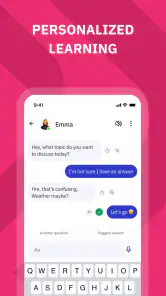
Talkpal is an AI-powered language learning app that helps users improve their language skills through interactive exercises, real-time feedback, and personalized learning paths. The app uses advanced algorithms to tailor lessons to each user's proficiency level and learning style, making it an effective tool for anyone looking to learn or enhance their knowledge of a new language.
Pros
- Interactive AI tutors enhance learning
- Wide variety of languages offered
- Personalized lesson plans
- Voice recognition for real-time feedback
- User-friendly interface
Cons
- Requires constant internet connection
- Limited free content available
- Some accents may not be recognized
- Occasional app crashes
- Premium version is pricey

- Category
- Education
- Version
- 2.5.8