Super Simple - Kids Songs
- 99.00
- 4.2
- Installs
- 1.00M
- Price
- Free
Screenshots

Analysis by Reviewed
When I need a short, gentle activity for a toddler, I’m more interested in whether it fits into an ordinary family routine than whether it promises to teach everything at once. Super Simple - Kids Songs is an education app from Skyship Entertainment Company built around songs and lullabies for young children. Its approach suits parents who want familiar, easy-to-follow listening rather than a formal lesson, and it is aimed at an Everyone audience.
A music-first option for little routines
The main appeal is how naturally songs can fit around transitions: a few minutes while breakfast is being prepared, a familiar tune during a quiet break, or a lullaby as part of winding down. I’d treat it as a small tool in a parent’s routine, not as a substitute for reading, conversation, or hands-on play. For toddlers who respond to repetition and melody, that distinction matters: a song can invite them to join in without asking them to sit through a structured lesson.
Compared with a general video app, a children’s music app has a clearer purpose and can make it easier to choose something suited to a young listener. Compared with a dedicated learning game, this is the better fit when you want a calmer, music-led moment rather than tapping through tasks. The trade-off is that families looking for a detailed curriculum, progress tracking, or a broad range of independent activities may prefer a more explicitly instructional app.
Making a short session work
A useful way to try it is to choose the moment first, then choose the music: a sing-along while getting dressed asks for a different mood than a lullaby at bedtime. I’d sit nearby the first few times, not only to help a toddler follow along but also to notice which songs invite movement, which ones hold attention, and when the child is ready to stop. That small bit of observation makes it easier to turn the app into a familiar routine rather than a device handed over without a clear endpoint.
For a child who is still learning to communicate, a song can also become a prompt for interaction beyond the screen. I might pause after a repeated phrase, invite the child to fill in a familiar sound, or talk about an animal or object that came up in the music. The point is not to turn every tune into a lesson; it is to keep the adult-child exchange at the center, which is something a playlist playing in the background cannot do on its own.
Where it fits—and where it may not
A realistic use is to pick a lullaby before bedtime and keep the phone with an adult rather than handing it over as an open-ended distraction. That gives the music a clear stopping point and helps keep the routine predictable. For a car ride or a wait in a busy place, songs can also offer a familiar activity, though I’d check what is available offline before relying on it in a spot with poor reception.
The app is likely to suit caregivers who want child-friendly songs in one place and are comfortable guiding what a toddler watches or hears. It may be less suitable if your child is looking for active, hands-on play, or if you want an app that teaches through a carefully sequenced set of lessons. I’d also keep an eye on how long a session lasts: a soothing song can be useful, but no screen-based activity needs to become the default answer to every quiet moment.
More From Our News Desk

Clash of Clans Is Won Between the Battles

Android Auto Makes the Case for Quieter Car Software

MobiOffice: Transforming Mobile Productivity with Seamless Integration

EA SPORTS FC™ Mobile Soccer: Redefining Mobile Sports Gaming

How Microsoft OneDrive Became a Mobile Productivity Giant

How Google Translate Breaks Language Barriers Effortlessly
What is Super Simple - Kids Songs?
First things first, Super Simple - Kids Songs is exactly what it sounds like. It's an app loaded with a collection of delightful and easy-to-follow songs tailored for kids. These aren't just any songs; they're crafted to help young minds grasp basic concepts like numbers, colors, and even some basic vocabulary. It's like having a preschool in your pocket, ready to entertain and educate at a moment's notice.
Features That Make it Stand Out
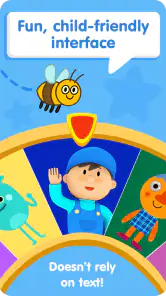
One of the standout features of this app is its user-friendly interface. I mean, even if your toddler decides to take the reins, they wouldn’t have a hard time navigating through it. The app is designed with bright colors and intuitive controls, making it super engaging for the little ones.
Another cool aspect is the variety of songs available. Whether your kiddo is in the mood for some animal sounds, counting rhymes, or alphabet jingles, there’s something to suit every mood. And guess what? These songs are not just fun but are also educational. They cleverly incorporate learning elements that help in cognitive development.
Engagement and Interactivity
The app doesn't just stop at playing songs. It goes a step further by integrating interactive elements. For instance, some songs come with sing-along features, where kids can join in and sing to their heart’s content. This not only boosts their confidence but also improves their language skills. The app also includes simple puzzles and games that align with the themes of the songs. These activities encourage kids to think critically and solve problems, all while having fun.
Parents can also appreciate the offline functionality of the app. You know those times when you're on a road trip, and there's no internet in sight? The app allows you to download songs for offline use, ensuring that the fun (and learning) never has to stop.
Using songs without letting the screen take over
One practical distinction I’d make is between using this as an audio companion and using it as something a child watches. If the aim is simply to fill a quiet stretch, an adult can start the chosen song and keep the phone out of reach, turning the experience into listening or singing rather than tapping through the device. If the child wants to explore the screen, I’d keep that exploration brief and nearby, especially at first, so the app remains a shared activity rather than an unplanned solo session.
That approach also helps answer whether it works for different kinds of families. It can suit a caregiver who wants a song to accompany a predictable task, such as putting toys away or getting ready to leave, but it is not a replacement for a toy that encourages building, drawing, or physical movement. For a child who is easily overstimulated by screens, I’d try audio-led use first and stop if the visuals or switching between activities make settling harder.
Families comparing it with streaming a children’s playlist may appreciate having a dedicated app intended for young listeners, while a general video service may offer a wider mix of material but requires more active adult selection. A learning game is the stronger choice when the goal is a sequence of challenges or measurable practice. Here, the appeal is the softer role music can play in a day; the limitation is that songs alone cannot provide the variety or progression of a full learning program.
Current version and family considerations
The app is free to download, with in-app purchases ranging from $3.99 to $57.99 per item, so I’d check the purchase options before letting a child explore on their own. Its current version is 2.1.2.0; that identifies the version available now, but by itself it doesn’t tell me which features have changed over time. The app was released on September 21, 2020, and has an average rating of 4.2 from around 2.4 thousand ratings, alongside 99 written reviews and over a million installs. Those figures suggest it has reached many families, but they can’t tell you whether its style will suit your child.
One practical tip is to decide in advance whether you want a listening session, a sing-along, or a brief activity, then choose that purpose before handing over the device. It makes the app easier to use intentionally and helps avoid turning a lullaby into an unexpectedly long screen session. Although its store summary describes an ad-free experience, I’d still review purchase settings on the device and stay nearby while a young child uses any app.
For existing users, a version number is useful as a simple check that the app on the device is current, but I wouldn’t assume that a newer version necessarily changes the experience in a particular way. If something feels different after an update, I’d first check the app’s available options and the device’s purchase controls rather than expecting a specific new feature. The practical question is whether the songs and routine still work for your household, not whether the version label sounds like a major redesign.
Before depending on the app for travel, I’d test the intended setup at home: choose a song, see whether the child can use it comfortably with an adult nearby, and confirm whether the content you want is available for offline listening. That avoids discovering a connectivity problem after you have already planned around the phone. I’d also set a stopping cue in advance, such as finishing one song and then putting the device away, which can make transitions easier for a toddler than ending an open-ended session abruptly.
What to keep in mind as your child grows
The best fit may change as a child’s interests do. A toddler who enjoys repeating familiar tunes may get a lot from the app’s music-led approach, while an older child who wants to choose complex activities or follow a more deliberate learning path may soon need something else. I would treat that as a normal point to reassess, rather than expecting one app to serve every age and stage.
It is also worth thinking about household preferences. If you want a completely screen-free bedtime, a familiar song sung by a caregiver or played through another audio source may be a better match. If your priority is a guided curriculum, a structured educational app is likely to offer a clearer progression. But when the immediate need is a gentle, familiar song that can be folded into a toddler’s day, this app has a more focused role.
Final Thoughts
In a world where screen time is often frowned upon, Super Simple - Kids Songs offers a refreshing perspective. It turns screen time into a valuable learning experience, and honestly, as a parent, there’s nothing more you could ask for. The combination of engaging songs, interactive features, and educational content makes this app a must-have for any parent looking to make learning fun and accessible for their kids.
So, if you haven’t already, give this app a whirl. It might just become your child's new favorite pastime, and who knows, you might find yourself humming along to those catchy tunes too!
My recommendation is to try it as a shared, short activity first and see how your child responds to the songs and pace. If you want a gentle music option for toddler routines, it’s an appealing place to start; if you need a structured course or prefer screen-free entertainment, another approach may fit your family better. The best use, in my view, is the one that leaves room for singing together, talking about what you hear, and moving on when the moment is over.
Super Simple - Kids Songs Frequently Asked Questions
Who develops Super Simple - Kids Songs, and what kind of app is it?
Super Simple - Kids Songs is an educational app from Skyship Entertainment Company. It brings children’s songs and learning-focused videos together in a child-friendly format, making it an option for families who want music and simple educational entertainment in one place. The app is free to download, with some content available through in-app purchases.
What is Super Simple - Kids Songs app?
Super Simple - Kids Songs is a popular children’s application that provides a wide range of engaging and educational songs and videos for kids. With an easy-to-navigate interface and vibrant visuals, it captures the attention of young audiences while promoting learning through fun and interactive content. It's ideal for parents looking to entertain and educate their children simultaneously.
Is Super Simple - Kids Songs app free to use?
Super Simple - Kids Songs offers both free and paid content. While users can access a selection of songs and videos for free, a premium subscription provides access to the full library, ad-free experience, and additional features. This ensures that parents can choose the option that best fits their needs and budget.
What age group is Super Simple - Kids Songs app suitable for?
The Super Simple - Kids Songs app is designed primarily for toddlers and preschoolers, typically ranging from ages 2 to 6. The content is crafted to be age-appropriate, ensuring a safe and engaging experience for young children as they explore music and educational videos tailored to their developmental stage.
Is Super Simple - Kids Songs suitable for a screen-time routine?
The app’s songs, videos, educational adventures, and relaxing lullabies can fit into different parts of a child’s day, from a short music break to a calmer bedtime moment. Parents can decide how it fits their family’s routine and supervise use as they would with any children’s app. Its content rating is Everyone.
Pros
- Engaging and colorful animations.
- Simple interface for young kids.
- Educational content with fun.
- Regular updates with new songs.
- Offline access to content.
Cons
- Limited free content.
- In-app purchases can be costly.
- Requires internet for updates.
- Lacks parental control features.
- Ads may interrupt play.
- Category
- Education
- Version
- 2.1.2.0