Storytel - Audiobooks & Books
- 1.10K
- 4.4
- Installs
- 10.00M
- Price
- Free

Screenshots



Analysis by Reviewed
I tend to reach for an audiobook when my hands are busy but my mind still wants a story: on a walk, while making dinner, or during a commute. Storytel - Audiobooks & Books is built for that kind of reading, combining audiobooks and ebooks in one place. It’s a Books & Reference app from Storytel Sweden AB, and its focus on listening makes it a practical option for people who struggle to find quiet time with a physical book. I like the idea, though a smooth experience depends on a few sensible setup checks.
Where people can get stuck
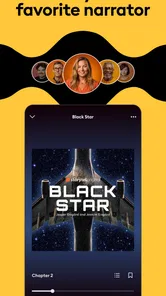
The first hurdle is often choosing what to start. A large catalogue can feel generous and overwhelming at the same time, especially when you only have a short break to browse. I’d narrow the search by a genre or author first, then sample a title’s description and narrator before committing. For audio, the voice matters as much as the writing: a narrator I enjoy can make a familiar kind of story work, while the wrong voice can send me back to the search screen.
Another possible snag is expecting every book app to work the same way. Storytel combines audio and ebooks, but the practical value of that combination depends on the title and on how you want to read at that moment. I would check the format shown for a book before planning a listening-and-reading routine around it. If you mainly want a digital shelf of books you already own, a conventional ebook reader may suit you better; Storytel makes more sense when its catalogue and audio-first convenience are the draw.
Choosing a title without turning browsing into the activity
When I have only a few minutes, I try not to treat the catalogue like a queue I must clear. I start with a specific mood or situation: something easy to follow while cooking is different from a layered novel I want to give my full attention. A description can tell me whether the subject appeals, but the narrator preview is a useful second check. If the voice feels tiring after a short sample, I move on rather than hoping it will become a better fit later.
That small test also helps with books I might otherwise abandon. Audio asks for sustained attention in a different way from print: a narrator’s pace, pronunciation, and delivery can shape how easily I follow a story. I would not judge a book only by its opening minutes, but I do use them to decide whether it suits the task I have in mind. For a walk with traffic or a busy kitchen, clarity matters more than a performance that demands close concentration.
Getting a dependable routine with Storytel
I use a dependable routine to make Storytel feel like part of the day rather than another app to browse: I choose one title that fits the time and setting, then prepare it before I need it. That small bit of planning also makes it easier to tell whether a playback hiccup is a one-off or a pattern. Next, I’d focus on the simple recovery checks I use when listening does not go as planned.
Setup checks before you press play
Before heading out, I’d open the app while connected and make sure the title I want is ready for offline use. A download is most useful when it is done before a train enters a dead zone or a flight begins; discovering an unfinished download at the platform is an avoidable frustration. I’d also check that I have enough room on my device if I plan to save several books, rather than treating offline listening as something to sort out at the last second.
More From Our News Desk

Weather by Xiaomi Review: Clear at a Glance, Less Clear Up Close

X Under Pressure: Can It Recover When Posting Goes Wrong?

Clash of Clans Is Won Between the Battles

Android Auto Makes the Case for Quieter Car Software

MobiOffice: Transforming Mobile Productivity with Seamless Integration

EA SPORTS FC™ Mobile Soccer: Redefining Mobile Sports Gaming
It helps to test playback at home, too. Set the audiobook speed to a comfortable pace rather than assuming faster is always better, and try the sleep timer if listening at bedtime. For ebooks, take a moment to choose a font and theme that remain comfortable in the lighting where you usually read. These small choices can prevent repeated fiddling later, especially when you only have a few minutes to enjoy a chapter.
Making downloads and listening fit real life
A useful habit is to prepare the next listening session when you are already on a reliable connection, not when you are rushing out the door. I would open the title, confirm that the download has completed, and then briefly check that it starts. This is less about complicated troubleshooting than about removing uncertainty before a commute or a trip. If storage is tight, I would keep the book I am actively reading available and avoid saving a stack of titles “just in case.”
There is a trade-off between convenience and choice here. Saving multiple books gives you options if your mood changes, but it takes up more device space and can make it harder to settle on one. Keeping one main title ready is often enough for a regular routine; a second is worthwhile if you genuinely use it for a different context, such as a lighter listen at bedtime. The right amount is the smallest library that supports the way you actually spend your day.
Recovering your place and keeping the story manageable
When a listening session is interrupted, I find it useful to pause deliberately before switching activities instead of letting audio continue in the background. That simple habit makes it easier to return with context, particularly in a mystery with several characters or a nonfiction book full of names and ideas. If I lose track anyway, I go back a little and listen again rather than pushing on while confused. A short replay is less annoying than realizing much later that I missed the detail that makes a chapter make sense.
For a busy day, I’d choose one main book rather than downloading several possibilities and endlessly switching between them. Keeping a single title for a commute or household routine makes it easier to build a habit and remember where I am. A second, lighter choice can be useful for bedtime or short waits, but too many active options turn the library into another place to procrastinate. This is a personal workflow choice, not a feature requirement, and it’s one of the easiest ways to make a large selection feel less demanding.
When playback trouble may be outside the app
If a title will not play or a download seems stuck, I’d first check the basics: whether the device has a working connection, whether the app is still open and responsive, and whether the download has finished. I’d try another title to see whether the issue is limited to one book, then close and reopen the app if playback remains unresponsive. Those steps are more useful than repeatedly tapping play while the same interruption continues.
It is also worth separating app trouble from the conditions around it. A weak connection can interrupt browsing or streaming, while a noisy room can make a perfectly clear recording difficult to follow. Offline downloads help with the first problem when prepared ahead of time, but they cannot make a loud environment quiet. If the app works on one connection or title but not another, that comparison can help identify where the friction lies before you change your whole routine.
When the app may not be the cause
If audio cuts out only in one particular place, I would compare what happens there with playback at home or on another connection before assuming the book or app is broken. A repeatable problem tied to a location points toward the listening conditions; a problem that follows one title across different situations is a reason to test a different book and see whether the issue changes. This simple comparison helps narrow down the cause without making unnecessary changes to settings or abandoning a book that works elsewhere.
Comfort matters as much as connectivity. If I keep losing the thread while walking beside traffic or doing a task that needs close attention, I would save the chapter for a quieter moment rather than increase the speed or force myself through it. Audiobooks are convenient, but they still ask for attention. When the environment is distracting, an ebook or a paper book may be the more practical choice because I can pause and resume at my own pace.
How it compares with other ways to read
Compared with a typical ebook-only reader, Storytel is more appealing when you want narrated books alongside text and the freedom to switch between listening and reading where available. Compared with simply streaming audio, it is tailored to books rather than general entertainment, which makes it easier to keep a story in the centre of a commute or chore. The trade-off is that listeners who care most about owning individual ebooks, or who already have a preferred reading library, may not get enough from an additional book service.
The app is free to install, rated Teen, and has a 4.4 average from around 496,000 ratings; it has been installed over 10 million times. In-app purchases range from $0.99 to $179.99 per item, so I’d check the current plan and purchase details in the app before relying on a particular listening routine. That matters if you are comparing it with buying books one at a time: a catalogue-based service and individual ownership are different ways to spend, and the better fit depends on how often you listen and what titles you want.
Who will get the most from it
I’d recommend trying Storytel if you regularly have stretches when listening is easier than reading: a walking route, a long drive as a passenger, meal preparation, or repetitive chores. A realistic routine is to pick a book the night before, download it on a reliable connection, and use the next day’s commute for a chapter or two. If you prefer quiet, focused reading, want to annotate heavily, or rarely listen to books, a dedicated ebook reader or paper book may be a better match. The strongest reason to choose Storytel is not that it replaces every way of reading, but that it can make otherwise unused pockets of time feel like reading time.
A practical day-to-day test
For a realistic trial, I would choose a title before bed, check whether it is available in the format I want, and prepare it for offline listening if the next day includes a route with unreliable reception. On the commute, I would listen at a pace that lets me follow the story without straining. Later, if I have a quiet break, I could switch to the ebook format when that title offers it; I would not assume every book supports both formats. This routine quickly shows whether the app fits my schedule, instead of judging it only by how much I enjoyed browsing.
The app is strongest for people who already enjoy books but find that their hands or schedules often rule out reading a screen or printed page. It is less compelling for someone who wants a permanent collection of purchased ebooks, extensive annotation, or a listening app mainly for music and podcasts. Those are not flaws so much as different needs. I would compare the way I actually consume books with the way Storytel is organized before making it part of a regular routine.
Vast Library at Your Fingertips
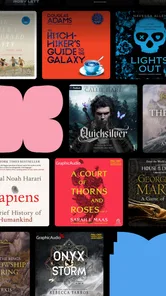
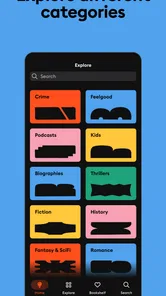
Imagine having thousands of books right in your pocket! With Storytel, that’s exactly what you get. Whether you’re into the classics, the latest bestsellers, or niche genres, Storytel has got you covered. I found myself lost in the endless options, from gripping thrillers to heartwarming romances, there’s something for everyone. And if you’re like me, always on the lookout for something new, you’ll appreciate the app’s recommendations based on your listening history.
User-Friendly Interface
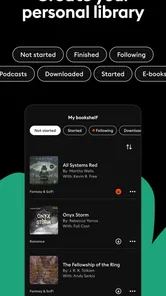
Now, let’s talk about the app’s interface. It’s sleek, intuitive, and pretty much everything you’d want in a reading app. The search functionality is robust, allowing you to filter by genre, author, or even narrator. Navigating through the app is a breeze, which means you spend less time searching and more time listening. I particularly enjoyed the seamless transition between audiobook and ebook formats, giving me the flexibility to read or listen depending on my mood.
Offline Access and Customizable Features
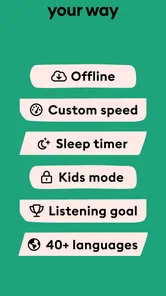
One of the nifty features of Storytel is the ability to download audiobooks and ebooks for offline access. On a long flight or maybe a train ride with spotty Wi-Fi? No worries. Just download your favorites beforehand and you’re good to go. Plus, the app offers customizable features like speed control for audiobooks and a choice of themes and fonts for ebooks, making your reading or listening experience truly personal.
It’s not just about the books; it’s about how you experience them. The sleep timer function is a neat little touch for those of us who love to fall asleep to a good story. Set the timer, and let the soothing voice of the narrator guide you into dreamland without the worry of losing your place.
Conclusion: A Must-Have for Book Lovers
In a nutshell, Storytel - Audiobooks & Books is a game-changer for anyone who loves stories but finds it challenging to carve out time to read. Its vast selection, user-friendly interface, and thoughtful features make it a worthy addition to your app collection. Whether you’re a hardcore bibliophile or just looking to dip your toes into the world of audiobooks, Storytel offers a convenient and enjoyable way to indulge in your love for literature. So why not give it a try? Your next favorite story could be just a tap away.
Storytel - Audiobooks & Books Frequently Asked Questions
Does Storytel offer both audiobooks and e-books?
Yes. Storytel is designed for both listening and reading, so you can choose the format that suits the moment. Its catalog includes big-name books as well as exclusive stories, and the available selection can vary by region. If you mainly prefer one format, browse the catalog in your area to see whether it has the titles and listening or reading choices you want.
Who develops Storytel, and is it a well-established app?
Storytel is developed by Storytel Sweden AB and has been available since September 16, 2016. It is a Books & Reference app, and its broad audience is reflected in more than 10 million installs and an average rating of 4.4 from around 496,000 ratings. Those figures can offer useful context, while the catalog and subscription experience are still worth checking for your own needs.
Can I try Storytel before choosing a subscription?
Storytel is free to download, so you can install the app and explore how it is organized before deciding whether it suits you. Access to its audiobook and e-book library is tied to a subscription, and subscription options may vary by region. Check the offer presented in the app before signing up, including any trial terms and when a paid plan would begin.
What kind of books and stories can I find on Storytel?
Storytel is a Books & Reference app for listening to audiobooks and reading e-books. Its library includes titles across different genres, with a focus on big-name books and exclusive stories. What you can access may depend on your location, so browsing the catalog in your region is a practical way to see whether it includes the kinds of books you enjoy.
What is Storytel and how does it work?
Storytel is an audiobook and e-book streaming service that allows users to listen to and read a wide variety of books on their mobile devices. After downloading the app, you can browse through thousands of titles across different genres, select your favorites, and either stream them live or download for offline consumption. The app requires a subscription, which provides unlimited access to its library.
Pros
- Wide selection of audiobooks available.
- User-friendly interface and navigation.
- Option to download for offline listening.
- Affordable subscription plans.
- High-quality audio and narration.
Cons
- Limited free content available.
- Requires internet for streaming.
- Subscription auto-renews by default.
- Some titles may not be available.
- Offers mainly popular titles.