Audible: Audio Entertainment
- 257.29K
- 4.6
- Installs
- 100.00M
- Price
- Free

Screenshots
Analysis by Reviewed
I think Audible makes the most sense when listening is not just a way to fill silence, but a practical part of how you enjoy books. It brings audiobooks and podcasts into one Books & Reference app from Audible, Inc., so I can look for something substantial or choose a shorter listen depending on the time I have. The app is free to install, but the cost of listening choices varies, which is worth keeping in mind before building a routine around it.
Start with the kind of listening you want
Before I browse, I find it useful to ask myself whether I want a story I can return to over several days, a nonfiction title that needs quiet attention, or a podcast for a shorter session. That small decision helps avoid collecting appealing titles that never fit my real schedule. An audiobook can be a good companion for a familiar walk; a complicated book may be better saved for a calm ride rather than played while I’m trying to concentrate on something else.
Audio also changes how I choose a book. On a page, I can skim a passage or reread a sentence instantly. While listening, I’m relying on the narrator’s delivery and my attention, so I’d consider whether the subject and voice are comfortable for a longer session. If previews are available, listening before purchasing can help me decide whether the pacing and narration work for me.
Articles Related to Audible: Audio Entertainment
What the cost does—and doesn’t—tell you
The app is free to install, but that is not the same as saying every audiobook or listening option is free. In-app purchases range from $0.49 to $279.99 per item, so I’d check the price of a particular title before deciding it fits my budget. That wide range also means the useful question isn’t simply whether Audible costs money; it’s whether the specific listening choice I want is worth its price to me.
For context, Audible has a 4.6 average from around 1.7 million ratings and more than 100 million installs. Those figures suggest that it has become a familiar choice for listeners, but popularity alone doesn’t establish value for an individual. It’s rated Teen, and it has been around since 2010; I’d still judge it by the titles and listening habits that matter to me.
Discovering New Stories
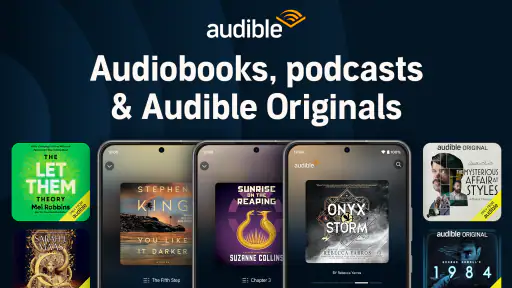
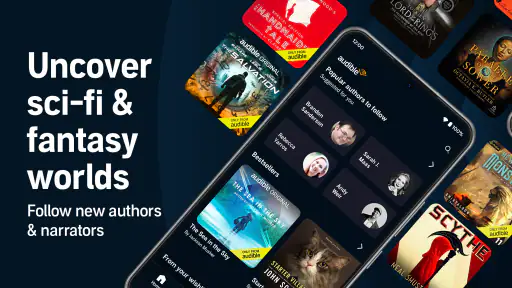
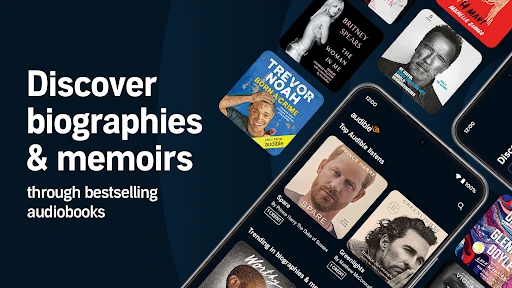
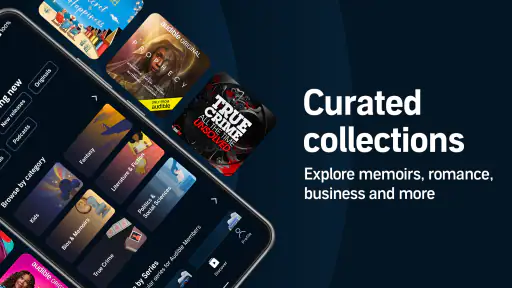
One of the first things that struck me about Audible is its massive library. I mean, we're talking about thousands of titles ranging from thrilling mysteries to heartwarming romances and everything in between. The app makes browsing super fun with categories like best sellers, new releases, and editor's picks. My personal favorite is the curated lists that help me discover gems I might have missed otherwise.
Choosing something you’ll actually finish
Browsing is part of the appeal, but a long audiobook is a commitment. I’d start with a subject or genre I already enjoy, then consider whether the narration suits the kind of listening I want: a gripping performance can make a commute fly by, while a dense nonfiction book may be easier to follow somewhere quiet. A podcast can be a lower-commitment choice when I want a shorter change of pace rather than another lengthy book.
You May Like

EA SPORTS FC™ Mobile Soccer: Redefining Mobile Sports Gaming

How Microsoft OneDrive Became a Mobile Productivity Giant

How Google Translate Breaks Language Barriers Effortlessly

Why Google Sheets Is the Ultimate Mobile Productivity Tool

Unveiling the Dynamic World of My Talking Tom Friends

Free Fire MAX: Dominating the Battle Royale Arena
One practical habit is to pick your next title before a busy day, instead of scrolling while you’re already on the bus or heading out. I’d also treat a sample or title preview, when available, as a way to check the narrator and tone before spending. That matters because audio is personal: a well-written book can still be a poor fit if I don’t enjoy listening to its voice.
Making listening fit an ordinary day
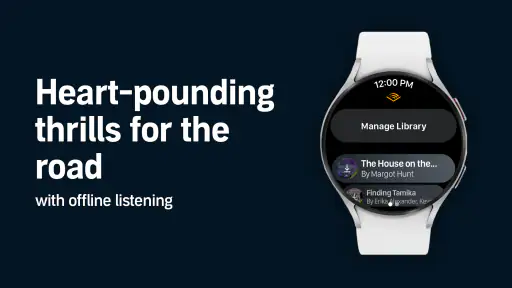
A realistic routine might be to download a book while connected to the internet, then listen during a train ride where reception is unreliable. Offline listening makes that more practical, but I’d check that the download is ready before leaving rather than assume a title will be available without a connection. At home, playback speed is useful for adjusting the pace, though I wouldn’t speed up a book so much that dialogue or important details become hard to follow.
Compared with reading a printed book or an ebook, audio frees my eyes and hands, but it asks me to pay attention in a different way. I wouldn’t choose it for a task that needs careful reading or for a noisy setting where I’d miss key details. Compared with a general podcast routine, audiobooks offer a more sustained story or subject; podcasts can suit a quick listen better. The right choice depends on whether I want depth, convenience, or something brief.
Small habits that improve the experience
I get more from an audiobook when I treat it like a book I’m actively following, rather than background noise. If I’m interrupted often, I’ll stop playback instead of letting the next few minutes pass unheard; otherwise I may need to retrace my steps. For a demanding nonfiction title, listening in a quieter place and choosing a pace that leaves room to absorb ideas is more useful than trying to fit it into every spare second.
For a commute, I’d make a short queue before leaving: one main book and perhaps a podcast as a change of pace. That avoids making a purchase or browsing decision while I’m already on the move. It also gives me a sensible way to test my habits: if I repeatedly reach for the same book and make steady progress, a longer audiobook may suit me; if I keep switching away, a shorter format may be a better match.
Features That Stand Out
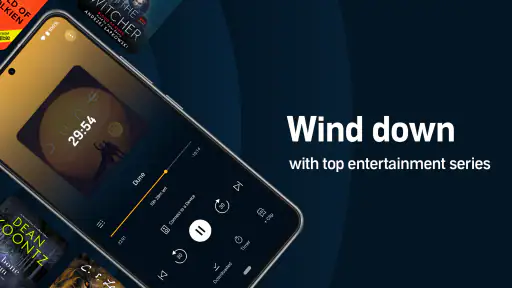
Audible isn’t just about listening; it's about enhancing your experience. The Whispersync feature is a game-changer, allowing you to switch seamlessly between reading and listening. Imagine starting a book on your Kindle and picking up right where you left off on Audible during your evening jog—mind-blowing! Plus, the sleep timer feature ensures you won’t lose your place if you doze off.
That flexibility is most useful when my day changes shape: I can read when I have a quiet moment and listen when I’m walking or doing a simple chore. It depends on having the corresponding reading and audio options for the title, so I’d check that before planning a switch between formats. For bedtime, a sleep timer is more than a convenience; it can keep a late-night listen from running on after I’ve stopped paying attention.
One trade-off with switching formats is that it works best when I decide in advance which title I want to follow and confirm that the reading and audio versions line up. I wouldn’t assume every book I’m considering will support the same handoff. When it does, the feature is especially useful for someone whose day alternates between screen time and hands-free moments; if I mostly listen and never read digitally, it matters much less.
Engaging Original Content
Aside from its vast collection, Audible Originals are something to behold. These exclusive titles offer unique storytelling experiences that you won't find anywhere else. From gripping dramas to fascinating documentaries, the original content is diverse and always keeps me coming back for more.
The trade-off is that exclusive audio is a reason to stay within Audible’s ecosystem, not necessarily a reason to pay for a title I’m unsure about. I’d browse for a subject that genuinely interests me rather than treating the label “Original” as a guarantee that every release will be my taste. If I mainly want free, short-form listening, other podcast options may be a better first stop; if I want a particular audiobook or an audio-led production, Audible is more compelling.
How it compares with other ways to listen
For someone choosing between Audible and a podcast app, I’d make the decision by format rather than by assuming one replaces the other. A podcast service can be more convenient when nearly all I want is episodic listening, especially if I prefer short shows I can sample and leave behind. Audible is more attractive when I’m looking for a book-length performance or want books and podcasts available in the same listening environment.
Compared with an ebook reader, Audible trades quick scanning and easy visual reference for hands-free listening. That is a meaningful difference for study: if I need to inspect a diagram, quote exact wording, or jump between sections, text is often better. For a novel, memoir, or subject I can follow by ear, listening can make otherwise unusable time feel more rewarding. I’d choose the format that suits the task, not insist on one app for every kind of reading.
Who gets the most value
I’d recommend trying Audible if you already enjoy audiobooks, want listening to fit around travel or household routines, or like having books and podcasts in one place. It can also suit someone who struggles to find uninterrupted reading time but can reliably listen in calmer parts of the day. If you prefer turning pages, need a no-cost source for everything, or rarely finish long audio, I’d skip paid purchases until I know the format works for me.
It is also a sensible option for a listener who likes to plan: choosing a title at home, downloading it before travel, and returning to it during walks or repetitive chores gives the app a clear job. I’d be more cautious if my listening happens mostly in brief, unpredictable gaps. In that case, a free podcast or a short text article may provide better value than paying for a long recording I’m unlikely to finish.
Questions worth answering before you buy
Does installing the app mean I can listen to any book without paying? No: the app is free, while in-app purchases are priced per item across a broad range. I’d inspect the specific title’s cost before committing and treat free installation as a low-friction way to explore, not as a promise that the catalogue is free. The right decision depends on the particular book and how often I expect to return to it.
Can I listen when I’m offline? Downloading a chosen audiobook makes offline listening possible, which is useful for travel or places with unreliable reception. I’d complete the download while connected and verify it is ready before setting off. Is it suitable for every age? The app’s content rating is Teen, so I’d still make individual title choices with the intended listener in mind rather than assume every selection suits everyone.
Should I choose an audiobook over a podcast? I’d use a book when I want a continuous story or a deeper treatment of a subject, and a podcast when I want a shorter or episodic listen. Can I switch between reading and listening? Whispersync can help with that when the corresponding formats are available for the title. Those practical checks—price, format, offline readiness, and the kind of attention a book requires—answer more than popularity figures can.
Before buying, I’d check the title’s individual price and think about how often I’ll listen to it. The free app makes it easy to explore the service, but paid value depends on the specific item and how much I’ll use it—not just on the size of the catalogue or the app’s popularity.
In the end, Audible: Audio Entertainment is more than just an app; it’s like having a library and a theater in your pocket. Whether you’re a bookworm or someone looking to dip their toes into the world of audiobooks, this app is a must-try. So plug in those headphones and get ready to immerse yourself in a universe of stories. Happy listening!
Audible: Audio Entertainment Frequently Asked Questions
Can I use Audible to build playlists for different listening interests?
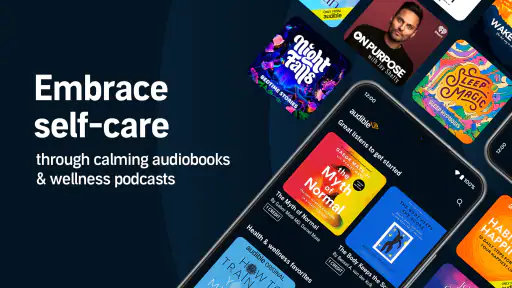
Yes. Audible is built around listening to books and podcasts, and its playlist feature can help bring selections together around different interests or moods. The range includes true crime, news, fiction, and more, so you can shape a listening queue that suits what you feel like hearing. It is a practical fit if you prefer organizing spoken-word content for listening rather than reading.
Who develops Audible, and how established is the app?
Audible is developed by Audible, Inc. and has been available since August 12, 2010. It is a well-established app for spoken-word entertainment, with an average rating of 4.6 from around 1.7 million ratings and over 100 million installs. Those figures suggest that it has reached a large audience, though whether its content and listening style suit you will depend on your own preferences.
Is Audible free to download, and what might I pay for?
Audible is free to download, and it is a Books & Reference app for spoken-word entertainment. The app offers in-app purchases, so downloading it does not mean every audiobook or listening option is included at no cost. Before choosing a purchase or subscription, check the details shown in the app and consider whether Audible’s mix of books and podcasts fits how you like to listen.
What kind of content can I find on Audible?
Audible is designed for people who want to listen to books and podcasts in one place. Its selection spans true crime, news, fiction, and more, making it possible to build a playlist around different interests and moods. It is primarily a listening experience rather than an app for reading text, so it is worth considering whether spoken-word content suits your everyday routine.
What is Audible and how does it work?
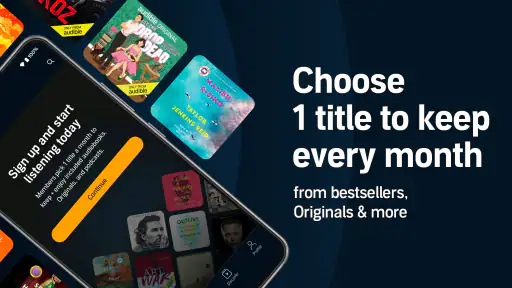
Audible is an audiobook and spoken-word entertainment platform owned by Amazon. It offers a wide selection of audiobooks, podcasts, and original content. Users can download the Audible app on Android or iOS and sign up for a subscription. Subscribers receive monthly credits to purchase audiobooks, which they can listen to offline or stream on demand. The app also offers features like speed adjustment, sleep timers, and bookmarks to enhance the listening experience.
Pros
- Wide selection of audiobooks
- Offline listening available
- Syncs across multiple devices
- High-quality audio performance
- Regularly updated content
Cons
- Subscription required for full access
- Limited free content available
- Some titles may be abridged
- Can be data-intensive to download
- Requires internet for streaming
- Category
- Books & Reference
- Version
- Varies with device