Starynovel: Read Novel & Story
- 164.00
- 3.3
- Installs
- 100.00K
- Price
- Free

Screenshots

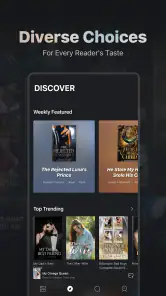
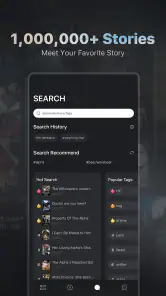
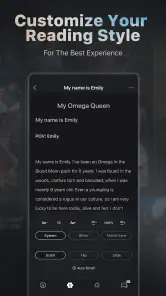
Analysis by Reviewed
I spent time with Starynovel: Read Novel & Story as a mobile reading app, and my first impression was that it is built for readers who like discovering serialized fiction rather than simply opening one finished ebook and closing it again. It sits in the Books & Reference category, comes from Dreame Media, and is free to install, although the reading experience includes optional purchases priced from $0.99 to $175.99 per item. That pricing range matters because the app can feel very accessible at the beginning while becoming a more considered choice for anyone who reads quickly or follows several stories at once.
The app’s Teen content rating also gives a useful starting point: I would treat it as a better fit for older teenagers and adults than for children. Its store presence is established enough to have more than 100 thousand installs, while the average rating is 3.3 from around 1.5 thousand ratings. I do not read that score as a reason to dismiss it, but I do read it as a reminder to approach the app with realistic expectations. It offers a particular kind of reading routine, and whether that routine works for you depends heavily on your connection, your patience with serialized releases, and how comfortable you are with optional spending.
How the reading experience changes when your connection changes
The most important thing I noticed is that Starynovel is not just about the text on the screen. The surrounding experience depends on being able to reach the service, move through its library, and continue from one part of a story to another. That makes connectivity part of the reading rhythm. When the network is behaving, browsing and reading feel like one continuous activity: I can look for something new, open a story, and return to the wider selection without treating the app like a static bookshelf.
That design suits the way many people now read in short sessions. I might open a chapter while waiting for an appointment, read a little during a commute, or continue a story before going to sleep. In those moments, the app’s value comes from reducing the distance between “I want something to read” and “I am already inside a story.” The trade-off is that the same convenience is tied to the quality of the connection available at that moment.
I would not approach it like a traditional ebook reader where I organize a personal collection of files and expect every book to behave independently of a service. Starynovel feels more like a connected library and serialized reading environment. That distinction is important before installing it. If your ideal reading app is a quiet shelf of books that you have already acquired, a standard ebook reader may feel more predictable. If you enjoy checking what is available and following fiction through an app-based catalog, this format makes more sense.
Network interruptions can affect more than the instant a page opens. They can appear when moving between chapters, returning to a story, or trying to continue after switching away from the app. I found it useful to think of each reading session as having two parts: finding or resuming the story, then actually reading. The second part may feel simple, but the first part is where a weak connection can make the experience feel less immediate.
Why short sessions suit this app particularly well
Starynovel works best for readers who are happy to make progress in small pieces. A short break becomes enough time to continue a chapter, sample another story, or decide whether a new title deserves attention. That makes it practical for people who rarely sit down for a long, uninterrupted reading session. It is also a reasonable companion for readers who like having several ongoing stories instead of committing to one book from beginning to end.
You May Like

Clash of Clans Is Won Between the Battles

Android Auto Makes the Case for Quieter Car Software

MobiOffice: Transforming Mobile Productivity with Seamless Integration

EA SPORTS FC™ Mobile Soccer: Redefining Mobile Sports Gaming

How Microsoft OneDrive Became a Mobile Productivity Giant

How Google Translate Breaks Language Barriers Effortlessly
There is a psychological difference between opening a finished novel and opening an ongoing reading app. With a finished ebook, I know the purchase gives me a complete object. With a serialized service, I am making a longer commitment to the reading flow. The app is more engaging when I enjoy anticipation and regular returns, but less satisfying when I want a complete story immediately or dislike stopping at a dramatic point.
My most realistic use case was a series of small reading windows during an ordinary day. I could start a story at home, pause when something else needed my attention, and return later from my phone. In a café or on public transport, the app made sense as long as I had a dependable connection. The experience was less appealing when I was trying to use the time specifically because I expected to be offline or dealing with an unreliable signal.
For mobile readers, screen comfort also matters. I would use a steady reading position, keep the phone brightness sensible, and avoid treating the app as something to leave open indefinitely. The shorter-session approach is not merely easier on attention; it also makes the service’s connected nature less frustrating. If a session ends naturally after a chapter, a brief interruption is less disruptive than it would be in the middle of a long reading block.
What happens when the app cannot complete an action
When a connected reading app hesitates, the best response is usually not to tap repeatedly. Repeated attempts can make it unclear whether a chapter opened, whether navigation changed, or whether an action is still waiting for a response. I found a calmer workflow more useful: pause, check whether the connection is stable, then retry once. If the screen has changed, I would first return to the current story rather than starting the same action again.
This is especially relevant around chapter transitions. A reader can become impatient after finishing a scene and immediately tapping forward, but a delayed response does not always mean the request failed. Giving the app a moment reduces the chance of creating a confusing sequence of duplicate taps. It is a small habit, but it makes the service feel more manageable on a busy mobile connection.
If the app closes or the phone changes networks, I would reopen it and look for the story through the same reading path instead of assuming that the last screen will be restored exactly as it was. The practical lesson is to remember the title and the broad point where you stopped. That sounds obvious, yet it is valuable when reading in fragmented sessions. A connected library is easier to recover when I treat the story itself as the anchor, not just the page currently visible.
I also recommend avoiding important reading decisions while the connection is unstable. If you are considering an optional purchase, wait until the app is responding normally and read the on-screen details carefully. The purchase range, from $0.99 to $175.99 per item, is wide enough that I would never rush through a payment-related screen simply because I wanted to continue a chapter. The free installation makes trying the app easy, but it does not remove the need for spending discipline.
Keeping mobile reading more data-conscious
Because the experience is connected, I would be mindful of where and how I use it. On a home or trusted Wi-Fi connection, browsing a large library is less likely to compete with a mobile data allowance. On cellular data, I would avoid repeatedly opening and closing the same story while searching for the right place. A more deliberate routine is better: choose the story, read for a planned period, and leave the app when finished.
Another useful habit is to separate discovery from reading. Browsing can encourage more movement through the catalog, while reading requires fewer changes. If I am trying to conserve data or battery, I would decide what I want to read before settling into a session rather than continually switching between stories. This also improves concentration, since the app becomes a reading tool instead of an endless sequence of recommendations or searches.
I would not assume that a chapter or story is available without a connection unless the app clearly indicates that itself. The safest expectation is that access may depend on reaching the service. That is not necessarily a flaw; it is simply the central trade-off of a library-style reading app. Readers who need guaranteed access on flights, in rural areas, or during travel should test their preferred routine before relying on it for a long trip.
The same caution applies to battery use. Reading text is generally less demanding than watching video, but a connected app still involves more activity than a plain local document. If my phone is low on power, I would choose a shorter session and avoid leaving the app running in the background. These are ordinary mobile habits, yet they make a noticeable difference when reading is meant to fill an unexpected gap in the day.
Where it stands beside familiar reading alternatives
Compared with a conventional ebook app, Starynovel is more discovery-led and more closely tied to an online catalog. A conventional reader is usually strongest when I already own a book and want dependable access to that book, consistent controls, and a personal library that feels separate from a live service. Starynovel is more attractive when I want to browse fiction and follow stories through an app rather than manage individual ebook files.
Compared with a general web-reading experience, a dedicated app can feel more focused on the act of reading. The phone becomes a place I return to for stories instead of another browser tab among many. The downside is that the app’s structure and purchase model shape the experience more directly. A web page may be easier for quick, casual access, while this app makes more sense for someone who wants a recurring reading destination.
It is also different from a library app centered on borrowing complete books. Borrowing services are appealing when I want a defined loan period and access to established titles through a library system. Starynovel is better suited to readers who enjoy app-based serialized fiction and are willing to evaluate stories as they go. Neither approach is universally better. The right choice depends on whether you value completion and ownership-like access, or discovery and continuing engagement.
The optional purchase system is the point where the comparison becomes most important. Someone who wants a predictable one-time cost may prefer a traditional ebook purchase. Someone who reads slowly, samples carefully, and is comfortable stopping before spending may find the free entry point useful. I would set a personal limit before becoming invested in several stories, because emotional momentum can make optional spending feel less optional in the moment.
Who will enjoy it, and who should choose something else
I would recommend Starynovel to readers who enjoy discovering fiction from a mobile catalog, reading in short bursts, and returning regularly to ongoing stories. It is especially suitable for someone who likes having a range of narratives available rather than carrying one finished book at a time. The Teen rating makes it more appropriate for older readers, and the app’s connected format suits people who normally have reliable internet access.
I would be more cautious recommending it to a reader who wants a complete novel immediately, dislikes interruptions between chapters, or expects every reading app to work like a local bookshelf. I would also steer away from it for anyone who needs dependable reading during offline travel unless they have personally confirmed that their chosen reading routine works without a connection. The service is simply less aligned with those priorities.
Readers with a strict budget should try the free portion carefully and decide how they feel about the progression before making any purchase. The presence of low-cost items can make experimentation feel harmless, but the highest listed item price is substantially different from the lowest. I would only spend after deciding that the story and the app’s reading model are both worth continuing, rather than paying just to resolve a moment of curiosity.
My practical routine for getting more from it
My preferred approach is to use Starynovel in three stages. First, I browse when I have time and a stable connection, rather than searching hurriedly during a weak-signal commute. Second, I choose one story for the session and keep the phone focused on reading. Third, I stop at a natural point and make a mental note of the story before leaving the app. This reduces unnecessary navigation and makes recovery easier if the next session begins under different network conditions.
I would also treat the rating of 3.3 as a prompt to test the app personally instead of expecting a universally smooth experience. Ratings can reflect different expectations: one reader may value the catalog and serialized format, while another may object to connectivity or optional spending. The useful question is not whether the number is high enough in isolation, but whether your own reading habits match what the app asks from you.
Dreame Media has positioned this product as a personal reading destination, and that description fits my experience better than calling it a simple ebook container. It is a place to discover, follow, and revisit fiction through a mobile connection. The current version is 3.6.0, and it supports devices running Android 7.0 or later, which gives it a reasonably broad technical starting point for Android users with compatible phones.
My final view is positive but selective. The strongest reason to try Starynovel is its fit for connected, bite-sized reading, not the promise of replacing every other book app. It makes sense when I have dependable access, enjoy serialized storytelling, and want a catalog that encourages regular return visits. It makes less sense when I need guaranteed offline reading, a fully predictable price, or a complete book in a single transaction.
Since the app is free to install, the sensible decision is to test the reading flow without rushing into purchases. See how it behaves on your usual network, notice whether the chapter rhythm suits you, and decide whether the catalog keeps you interested. If those pieces line up, Starynovel can become an enjoyable companion for spare moments. If they do not, a conventional ebook or library app will probably offer a calmer and more predictable experience.
Starynovel: Read Novel & Story Frequently Asked Questions
Who develops Starynovel: Read Novel & Story, and what devices can run it?
Starynovel: Read Novel & Story is developed by Dreame Media. It is available as a mobile app for Android devices running version 7.0 or later. Before downloading, check your device’s operating system version and make sure you have enough space for the app and any content you may choose to access. App availability can depend on the store and region.
What is Starynovel: Read Novel & Story?
Starynovel: Read Novel & Story is a mobile reading app focused on digital novels, serialized fiction, and short stories. Its catalog generally includes romance, fantasy, mystery, drama, and other popular genres. Readers can browse titles, open chapters, and follow ongoing stories from one place. The exact selection and availability may change over time, depending on the app’s updates and regional content offering.
Is Starynovel: Read Novel & Story free to use?
The app can usually be downloaded and used without an upfront purchase, allowing readers to explore the library and begin selected stories for free. However, some chapters or premium features may require virtual coins, credits, subscriptions, or in-app purchases. Before reading extensively, check the pricing information shown inside the app, since unlock costs, promotions, and payment options may vary by title, country, and platform. Optional in-app purchases range from $0.99 to $175.99 per item, so it is sensible to review any purchase prompt before confirming.
Does Starynovel allow offline reading?
Offline reading depends on the features currently enabled in the version installed on your device and may not be available for every story or chapter. If a download option is provided, you normally need to save chapters while connected to the internet before opening them offline. Downloaded content may also remain accessible only inside the app, and updates, account restrictions, or licensing changes can affect continued offline access.
What types of stories can I find on Starynovel?
Starynovel is designed for readers who enjoy serialized fiction across several mainstream categories. Depending on the current catalog, you may find romance, billionaire or contemporary drama, fantasy, paranormal fiction, mystery, revenge plots, and relationship-focused stories. Many titles are released chapter by chapter, so some narratives may be unfinished. It is worth checking descriptions, ratings, tags, and content notices before starting a book.
Pros
- Large selection of romance
- fantasy
- and drama stories
- Personalized recommendations make finding new novels easier
- Offline reading is useful when traveling or without internet
- Regular chapter updates keep ongoing stories engaging
- Simple interface makes browsing and reading comfortable
Cons
- Many novels require coins or purchases to unlock chapters
- Free readers may face frequent ads and promotional offers
- Some translations contain awkward wording or grammar errors
- Updates can be slow for certain ongoing stories
- Account and payment features may vary by region

- Category
- Books & Reference
- Version
- 3.6.0