Preply: Language Learning App
- 1.24K
- 4.7
- Installs
- 5.00M
- Price
- Free
Screenshots
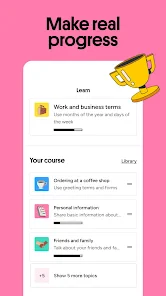
Analysis by Reviewed
Before you install Preply, it helps to know what kind of first step you are taking: this is an app for arranging tutor-led language learning, not a self-study course that does all the planning for you. I’d use it when I want to practise a real conversation, get help with a specific sticking point, or build confidence for a situation coming up in everyday life. The most reassuring way to begin is to choose one small goal; you do not need to arrive with a complete study plan.
What to expect from tutor-led learning
The first thing to understand is that the experience depends on the tutor you choose and the goals you bring to a lesson. A live session can give you speaking practice and direct feedback that a self-guided vocabulary app generally can’t provide. In return, it asks for more commitment: you need to decide what you want to practise and make time to meet. If you mainly want casual, low-effort exposure to a language, short audio lessons or flashcards may suit you better.
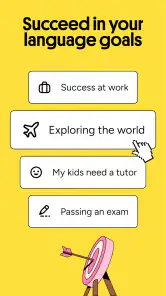
The app supports learning languages including Italian, Spanish, English, and Polish. I’d choose one practical aim before browsing—for example, explaining your work in English or asking for directions in Italian. A specific goal makes it easier to judge whether a tutor’s teaching style feels right and gives your first lesson a useful destination instead of leaving you with the vague task of “getting better.”
Preply is an education app from Preply Inc. It is free to install, but that doesn’t mean tutor-led learning itself should be treated as automatically free. Before committing to a lesson, check the options and terms shown in the app so you understand what you’re choosing. It has an Everyone age rating, a 4.7 average from around 49,000 ratings, and over 5 million installs. Those figures suggest it has found a broad audience, but they can’t tell you whether a particular tutor will match your needs.
Getting ready for a useful first lesson
For setup, write down a few things you want help with: your current level, the situations where you expect to use the language, and what makes speaking difficult for you. You don’t need a polished study plan. Even “I can read menus but freeze when ordering” gives a tutor more to work with than a general request to practise. I’d also prepare two or three questions you genuinely want to ask; that gives the session a natural starting point and lets you see how the tutor responds.
As you look through tutor options, treat the decision as a matter of fit rather than searching for a perfect-sounding profile. Think about whether you want patient correction, a conversation-led session, or help with a particular goal. You can use your first meeting to notice whether explanations make sense to you and whether you feel comfortable asking for clarification. That comfort matters: a learner who is willing to admit “I didn’t understand that” will usually get more out of live practice than someone silently trying to keep up.
Your first small win
A realistic first success isn’t becoming fluent in one sitting. It’s getting through a short exchange with less hesitation than before. If you’re learning Spanish for a trip, you might practise introducing yourself, ordering a drink, and asking someone to repeat a phrase. Afterward, note which words you reached for but couldn’t find. That short list can shape your next lesson and make practice between sessions more focused.
More From Our News Desk

Clash of Clans Is Won Between the Battles

Android Auto Makes the Case for Quieter Car Software

MobiOffice: Transforming Mobile Productivity with Seamless Integration

EA SPORTS FC™ Mobile Soccer: Redefining Mobile Sports Gaming

How Microsoft OneDrive Became a Mobile Productivity Giant

How Google Translate Breaks Language Barriers Effortlessly
This workflow is one of the app’s less obvious strengths: the tutor can help you turn a broad ambition into a small, repeatable task. Instead of trying to cover everything, you can bring back a real stumbling point from your week. A useful trade-off is that progress depends partly on your own preparation and follow-through; the app can connect you with instruction, but it can’t make a busy schedule disappear.
Your Personal Language Journey
One of the coolest things about Preply is its personalized approach to learning. Unlike apps that throw a bunch of random vocab at you, Preply lets you find tutors that match your learning style and goals. Whether you’re prepping for exams or planning a trip abroad, there’s a tutor for you. I found it super helpful to have someone who could tailor lessons to my needs, rather than sticking to a generic curriculum.
Live Lessons and Real Conversations
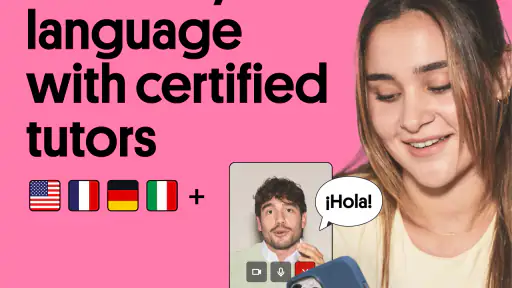
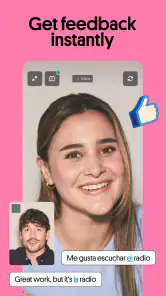
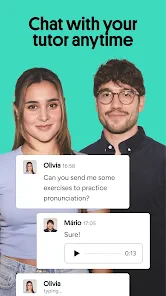
Let’s face it, learning a language isn't just about memorizing phrases. It’s about speaking and understanding real-life conversations. Preply offers live lessons with native speakers which is a game-changer. I felt my confidence soar as I practiced speaking in real-time with my tutor, who provided instant feedback and tips. It’s like having a language exchange partner right in your pocket!
For a first-time learner, a useful way to lower the pressure is to make the opening minutes of a session about your immediate need, not a test of everything you know. Tell the tutor what you are trying to do, try a short example, and ask for a correction you can remember. If you lose a word, try describing it another way before switching languages. That gives you practice recovering in conversation, which is often more useful outside a lesson than reciting a memorized line perfectly.
Flexibility at Its Best
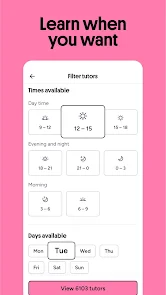
We all have busy lives, and sometimes, rigid schedules just don’t cut it. That’s where Preply’s flexibility shines. You can schedule lessons at your convenience, making it easy to fit learning into your daily routine. I loved being able to squeeze in a lesson during my lunch break or late at night, depending on what my day looked like.
Still, a convenient time is not automatically a good learning time. If you tend to be rushed during lunch or tired late at night, choose a slot when you can concentrate and speak without constantly watching the clock. A reliable routine can be more valuable than an ambitious one: a session you can attend consistently gives you a better chance to build on previous work than an irregular burst of lessons followed by a long pause.
Moreover, the app’s intuitive interface makes navigation a breeze. Even if you’re not tech-savvy, you’ll find setting up lessons and tracking your progress straightforward. Plus, the option to choose from a plethora of languages ensures that no matter your interest, you’re covered.
Building a Global Connection
Another aspect that I found particularly enriching is the cultural exchange. Learning with Preply isn’t just about the language; it’s about connecting with people from all over the world. Every lesson feels like a mini trip to another country, as tutors often share insights into their culture, traditions, and local idioms. It’s a fantastic way to broaden your horizons and see the world from different perspectives.
That cultural element can be especially helpful when a phrase is technically correct but sounds too formal, too direct, or simply unlike what people would say in a casual setting. I’d bring questions about tone and context alongside grammar questions. For example, if you are preparing to speak with a colleague or host family, ask how you might phrase the same request politely and naturally. The aim is not to collect trivia about a culture, but to understand what language choices communicate in the situation you actually expect to face.
Choosing the right learning routine
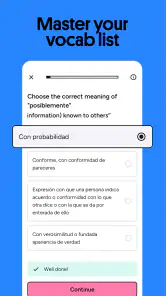
One common point of confusion is how to balance live tutoring with independent study. I wouldn’t expect a conversation lesson to replace every kind of practice. Use the tutor for things that benefit from another person’s response—pronunciation, explaining a tricky grammar point aloud, or practising how to recover when you don’t understand. For vocabulary you simply need to review, a notebook or flashcard tool may be quicker and easier to revisit between sessions.
A practical way to use both is to keep a short “bring to my tutor” note on your phone. Add a sentence you struggled to say, a correction you want to check, or a question that came up while reading or listening. Then select just one or two items for the next session rather than presenting a long list. This keeps the conversation focused and leaves room for the tutor to follow useful threads instead of turning the lesson into a hurried checklist.
Where it fits—and where it doesn’t
Compared with a self-study app, Preply’s main advantage is the human conversation and the chance to adapt lessons to your situation. Compared with a language exchange, a tutor-led lesson is a better fit when you want structured guidance and focused correction; an exchange may be preferable if your priority is informal conversation without a teaching format. Neither approach is automatically best. If you’re unsure whether you’ll keep a schedule, start with a modest goal and see whether regular live practice suits you before making it the centre of your routine.
The choice also depends on what you mean by “learning.” If you want a quick way to look up a word, practise a few minutes whenever you have a spare moment, or build a basic habit without arranging a conversation, a dictionary, flashcard app, or self-paced course is the more direct tool. If you already study grammar independently but avoid speaking, a tutor can address the missing part more directly. I would not use tutoring as a replacement for every other resource; it is most valuable when a human response changes what you can do next.
I’d recommend it most to learners who have a reason to speak soon: a trip, a new role, an exam, or the simple wish to stop avoiding conversation. It may be less suitable if you want a fully self-paced course, prefer learning in tiny bursts with no appointments, or need a no-cost approach to every part of studying. Those learners may get more value from free reading, listening, and vocabulary resources, then consider tutoring when they have a clear question or speaking goal.
One everyday scenario makes the distinction clear. Imagine you need to introduce yourself to new colleagues in English next week. You could write a short introduction, bring it to a lesson, practise saying it aloud, and ask which parts sound unclear or unnatural. Later, you could rehearse it once on your own and note where you still hesitate. That is a manageable loop: the app provides access to a person who can respond, while your own short practice helps the new wording become easier to retrieve.
Keeping momentum after the first session
After a lesson, write down one phrase you want to reuse and one point you still find confusing. At your next meeting, try the phrase in a new example and ask about the unresolved point. This small loop—prepare, practise, review—makes each session feel connected rather than like a standalone conversation. It also helps you decide whether the tutor’s explanations and pace work for you; if they don’t, it’s reasonable to adjust your approach rather than assume you’re simply bad at languages.
If you are wondering how soon to book another session, I would base that choice on whether you have something useful to practise, not on pressure to maintain a perfect streak. A short gap can give you time to try a phrase in real life and return with a more specific question. If you have no immediate speaking need, independent reading or listening may be a sensible bridge. If you have an upcoming conversation, a follow-up lesson can help you rehearse the exact situation while it is still relevant.
The current version is 6.101.0, and I’d still judge the experience by the fit of the lessons and the routine you can sustain, not by an app version number. My practical advice is to arrive with one real-life situation, leave with one phrase or correction you can use, and repeat that process. For me, that’s the clearest route from installing a tutor app to making a first meaningful step in a language.
Overall, if you’re serious about learning a new language and want a tool that adapts to your lifestyle, Preply is worth a try. It’s more than just an app; it’s a platform that brings the world closer, one language at a time.
So, whether you’re a beginner or looking to polish your skills, dive into the world of languages with Preply and see where it takes you. Who knows? Your next conversation in a foreign language might just be around the corner!
Preply: Language Learning App Frequently Asked Questions
What should I consider before choosing a tutor on Preply?
Preply is built around learning with tutors, so it helps to think about your goals and the kind of instruction you want before getting started. Consider whether you want to practise conversation, build general language skills, or focus on a particular learning need. Then look for a tutor whose teaching style and experience seem like a good fit for you.
Is Preply free to download?
Preply is free to download and is an education app for language learners. Using the app to arrange lessons does not mean that tutoring itself is free: lessons are paid for individually, and the amount depends on the tutor and how often you book. This distinction is useful to keep in mind when deciding whether the app fits your learning plans.
Which languages can I study with Preply?
Preply is designed for learning languages such as Italian, Spanish, English, and Polish with tutors. The app’s tutor-based approach lets you focus on the language you want to learn and choose an instructor whose teaching style and experience suit your goals. Before downloading, consider whether you prefer guided one-on-one lessons rather than studying only through self-paced exercises.
What is Preply and how does it work?
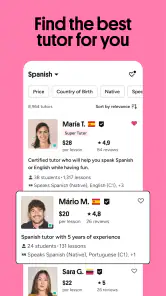
Preply is an online language learning platform that connects students with expert tutors for personalized lessons. The app allows users to choose from over 40 languages and schedule one-on-one sessions with tutors from around the world. You can filter tutors based on their ratings, availability, and hourly rates, making it easy to find the perfect match for your learning style and budget.
Is Preply suitable for beginners or only advanced learners?
Preply caters to all levels of language proficiency, from complete beginners to advanced learners. The app offers a wide range of tutors who are experienced in teaching various levels, ensuring that every student can find a tutor who matches their specific needs. Whether you're starting from scratch or fine-tuning your skills, Preply has options for you.
Pros
- Wide range of language tutors available.
- User-friendly interface and easy navigation.
- Flexible scheduling for lessons.
- Interactive learning materials and tools.
- Personalized learning experience.
Cons
- Subscription can be pricey.
- Limited free content available.
- Not all tutors are equally qualified.
- Requires stable internet connection.
- No offline mode for lessons.
- Category
- Education
- Version
- 6.101.0











