PREMIER Credit Card
- 16.37K
- 4.6
- Installs
- 1.00M
- Price
- Free

Screenshots
Analysis by Reviewed
I judge a card app by whether it helps me make a useful decision quickly, not by how many panels it can fit on a screen. For keeping an eye on a PREMIER Bankcard account, PREMIER Credit Card is aimed at a practical job: checking card activity and staying on top of everyday account management from a phone. It is a free finance app for Everyone, and its 4.7 average from around 248,000 ratings suggests many cardholders find it worthwhile. My main caveat is that this is a companion for one card relationship, not a complete money-management hub.
Readability and navigation
Hey there! So, I recently got my hands on the PREMIER Credit Card app, and let me tell you, it's been quite an experience. If you're like me and always on the hunt for a reliable credit card app that makes managing finances a breeze, you might want to stick around and hear about this one.
First Impressions
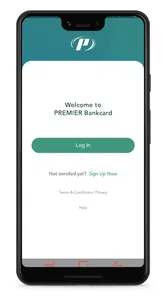
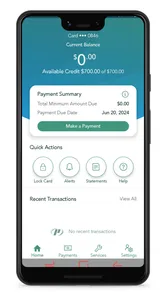
Right off the bat, the app hits you with a clean and intuitive interface. It's got this slick design that makes navigation super easy, even for those who might not be tech-savvy. I was pleasantly surprised by how quickly I could find my way around. Within minutes, I was checking my balance, viewing recent transactions, and even setting up alerts for upcoming due dates. Talk about a time-saver!
That kind of straightforward layout matters when I only have a moment to check whether a purchase has appeared or to confirm where my balance stands. I would still take a little time to explore the menus before relying on the app in a hurry: account tools are most useful when you already know where to find them. The developer is PREMIER Bankcard, so this is best understood as a direct way to manage that card rather than as an independent budgeting service for all your accounts.
Motor and sensory considerations
For someone who finds dense screens tiring, a simple path to common account information can be more helpful than a feature-packed dashboard. I also think it is sensible to check how comfortable the text and controls feel on your own phone before making this your main way to manage the card. Screen size, display settings, and personal preferences all affect readability, and I would not assume that a clean design automatically works equally well for every user.
Touch-based account management can be convenient, but it still asks you to navigate menus and enter information on a phone. If precise tapping is difficult, or if reading notifications is a challenge, a larger-screen option or another way to contact the card issuer may be more comfortable for an important task. I would keep a familiar backup route in mind rather than depending on one device for every account need.
Features That Stand Out
Now, let's dive into some of the features that really caught my eye. One thing I absolutely love is the real-time transaction alerts. Every time I make a purchase, I get an instant notification. It’s a lifesaver for keeping track of spending and ensuring there are no unauthorized transactions.
More From Our News Desk

 Bolt: Request a Ride
Bolt and the Shift from One-Tap Rides to More Legible Trips
Bolt shows how ride-hailing is shifting from a one-tap taxi request toward a more legible, choice-driven trip, while leaving the hardest questions of price and reliability unresolved.

 Farm Land - Farming life game
Farm Land Review: A Small Island Farm with a Satisfying Loop
A bright, breezy island farm turns a few quick chores into a satisfying cycle of planting, harvesting, expanding, and deciding what to build next.

 Android Auto
’s Community Takes Shape in the Passenger Seat
Its most valuable network is not a public feed but a shared set of routes, voice habits, app integrations, and advice that make driving less isolating—and sometimes more complicated.

 My Talking Angela
 Makes the Virtual Pet Feel Personal
A polished pet-raising game built on small rituals, playful customization, and a character who gives everyday screen time a surprisingly personal rhythm.

 Google Translate
 Review: A Pocket Tool for the Small Frictions of Travel
From menus and signs to quick conversations, Google Translate earns its place by cutting the little delays that make unfamiliar language feel like a barrier.

 Shazam: Find Music & Concerts
Shazam’s Best Trick Is Turning a Song Into a Night Out
A few seconds of recognition can settle an argument, rescue a half-remembered chorus, and point toward a live show. Shazam’s real trick is what happens after the match.
Latest News



For a more useful routine, I would pair an alert with a quick account check instead of treating a notification as a complete record. A notification is a prompt to look closer; if a purchase seems unfamiliar, reviewing the account and using the appropriate support channel is a better next step than making assumptions from the alert alone. If you share household expenses, this can also help you spot a charge while you still remember what you bought, though it does not replace agreeing with other card users about how to track spending.
Another cool feature is the ability to set spending limits directly from the app. It's like having a personal financial coach nudging you to stay on budget. Plus, the app offers a sleek way to view your FICO score, which is updated regularly. It’s super handy for anyone looking to keep tabs on their credit health.
I would use the limit tool as a guardrail, not as a substitute for a budget: decide what you can comfortably spend first, then use the app’s controls to reinforce that plan. A credit score view is useful for checking progress, but it is only one part of financial health. For a full picture across several cards, a dedicated budget or credit-monitoring service may be a better companion; this app’s advantage is keeping card-specific checks close at hand.
Situational access
The app can suit a quick check while I am away from home, such as confirming a recent purchase after buying groceries or seeing whether a due-date reminder needs attention during a busy week. That convenience is most helpful when I have a private moment and a dependable way to access my account. For a sensitive task in a crowded place, I would wait until I can review the screen discreetly rather than expose financial details over someone’s shoulder.
If you are deciding whether you need another finance app, the key question is whether your main need is this card’s account information or a single view of all your money. Card-focused tools are usually simpler for checking one issuer’s account; general finance apps are better suited to bringing different accounts and spending categories together, when they support the accounts you use. I would choose this app for focused PREMIER Bankcard management, and skip it as a primary tool if you want broad household budgeting or multi-bank tracking.
Security and Support
Security is a big deal when it comes to financial apps, and this one doesn’t disappoint. With biometric login options like fingerprint and facial recognition, you can rest assured that your information is well-protected. And should you ever run into any issues, the app’s customer support is just a tap away, providing assistance through chat or call.
Even with convenient login and help options, I would keep my phone’s screen lock enabled and avoid checking sensitive account information on a device other people can freely use. If I were travelling, I would also make sure I could still reach the issuer through a familiar route if the phone were unavailable. That small bit of preparation matters because an app can make routine tasks easier, but it cannot remove every access or security concern.
Remaining barriers and who should choose it
A focused card app is not automatically the right fit for everyone. If you prefer handling finances on a computer, need to compare several cards side by side, or want detailed spending reports across accounts, a broader service or direct account access on a larger screen may suit you better. Likewise, anyone who finds phone-based reading, touch controls, or notification-heavy routines uncomfortable should test the experience at a calm moment before relying on it for time-sensitive account tasks.
For day-to-day use, I would build a small routine: check the account after larger purchases, review activity before making a payment, and use reminders to prompt—not replace—your own due-date plan. That approach makes the app more useful without asking it to do the work of a complete budget. It also gives you a natural point to notice a transaction that needs checking, rather than waiting until the end of the month to review everything at once.
The app is free, has been available since September 16, 2019, and its current version is 3.18.0, with Android 7.0 as the minimum operating system. It has over one million installs and around 16,000 written reviews, alongside its strong average rating. Those figures give a sense of its established audience, but the practical test is still whether its account tools feel clear and comfortable on your own device.
Putting the account tools to work
A small workflow can make the app more useful than occasional balance checks. After a larger purchase, I would look at the account when I have a quiet moment, match the charge to the receipt, and then decide whether it changes what I can comfortably spend for the rest of the week. That quick check is especially helpful when a purchase is easy to forget, such as a fuel stop or a household order. It turns account activity into information I can act on, rather than a stream of alerts I keep dismissing.
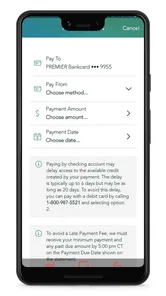
Before making a payment, I would also review the recent activity and the amount I intend to pay. This gives me a chance to catch an unfamiliar transaction or notice that a recent purchase has changed the balance. I would not treat a displayed balance as a complete monthly spending picture: people using several cards still need a separate method to reconcile their overall expenses. The app is most valuable when its card-specific view is one step in a routine, not the whole routine.
Alerts can be useful without becoming another source of noise. I would enable only the reminders that support a real habit, then check the account directly when I need to make a decision. If notifications are distracting, a set time to review the account may be easier to maintain than reacting to every prompt. For someone who relies on reminders, it is also sensible to keep a separate calendar note for an important due date rather than assuming a phone notification will always be noticed.
Who benefits from a card-focused app
I see the clearest fit for someone who already uses a PREMIER Bankcard card and wants to check its activity while away from a computer. A person who shops in different places, travels locally, or simply prefers handling small account tasks from a phone can benefit from having card details and account tools together. It is also a reasonable choice for a new cardholder who wants to build a regular habit of checking activity and keeping due dates in view.
It is less suitable for someone who wants one screen to explain the household’s full financial position. If your decisions depend on balances across multiple banks, shared bills, savings goals, and several credit cards, a broader finance service or spreadsheet may give you a more complete overview. That broader view usually comes with more setup and account juggling, while a card issuer’s own app keeps the focus narrow. I would choose based on whether convenience for this one account matters more than seeing everything together.
There is another useful distinction: an account app helps me stay informed, but it does not decide whether carrying a balance or making a purchase suits my circumstances. I would use the information to support a plan I have already made, not as encouragement to spend up to a limit. If you need help working out a debt strategy or a household budget, advice and tools built for those wider questions are a better fit than any single-card companion.
Everyday access in context
Imagine I have just paid for groceries and want to check the charge before I forget what was in the basket. I can use the phone for a quick account review, then leave any detailed comparison for when I am home and able to concentrate. That split matters: a glance while out is handy for confirming activity, while reviewing a week’s spending deserves more attention. I would avoid signing in where someone nearby can see the screen, and I would not try to resolve a complicated account issue while rushing between errands.
For users with low vision, hand-movement difficulties, or sensitivity to busy screens, the best test is practical rather than assumed: try the key tasks in comfortable lighting, adjust the phone’s display settings if needed, and see whether the controls are manageable before relying on them. I would check whether entering details, reading a balance, and finding help are comfortable at the pace I normally use a phone. If any important step feels difficult, a larger display or direct contact with the issuer may be a better route for that task.
Access can also depend on circumstances, not only ability. A phone may be unavailable, out of power, or unsuitable for a private account check at work or in a public place. In those moments, having a familiar alternative for contacting the issuer is sensible. I also like to avoid making a rushed payment decision based on a notification alone; waiting until I can verify the account is a small safeguard that reduces avoidable mistakes.
The Verdict
All in all, the app is a solid choice for anyone looking to take control of their finances with ease. It's user-friendly, packed with useful features, and has robust security measures in place. Whether you're a seasoned credit card user or someone just starting out, this app is definitely worth checking out.
So, if you're in the market for a new credit card app, give this one a whirl. Who knows? It might just become your new financial sidekick.
My inclusive verdict is that this works best as a focused, phone-based companion for cardholders who value quick account checks and can comfortably use its screen and controls. I would recommend trying its everyday workflow before depending on it for every task, and keeping another contact option available for situations when a phone is inconvenient. For that specific use, it offers a straightforward way to stay connected to a PREMIER Bankcard account; for broader financial planning or a different access style, I would choose a tool designed around those needs instead.
PREMIER Credit Card Frequently Asked Questions
Is PREMIER Credit Card the right app for me if I already have a PREMIER Bankcard account?
The app is intended for managing a PREMIER Bankcard credit card account on a mobile device, so it may be useful if you already hold a card from PREMIER Bankcard and want to manage it wherever you are. Before downloading, check the app name and developer to avoid confusing it with another finance app. The app is free, but card account terms and charges are separate from the download.
How can I make sure I download the official PREMIER Credit Card app?
Look for the app named PREMIER Credit Card and confirm that PREMIER Bankcard is listed as its developer. Those details help distinguish the intended app from similarly named finance apps. The app’s short description is “PREMIER Credit Card,” and its purpose is to help cardholders manage their account on a mobile device. Check the developer and app name before installing.
What can I use the PREMIER Credit Card app for?
The PREMIER Credit Card app is a finance app from PREMIER Bankcard for managing your credit card wherever you are. Its focus is convenient account management on a mobile device. If you are considering a download, make sure you select the app named PREMIER Credit Card and check that PREMIER Bankcard is the developer before installing.
Which devices can run the PREMIER Credit Card app, and does it cost anything to download?
The app is free to download and is listed for devices running Android 7.0 or later. The age rating is Everyone. If you use a different mobile platform, check the relevant app store for its compatibility details before downloading. The download itself is separate from any fees or interest that may apply to a credit card account.
What are the eligibility requirements for the PREMIER Credit Card?
To be eligible for the PREMIER Credit Card, applicants typically need to meet certain criteria such as being at least 18 years old, having a stable income, and holding a valid social security number. Additionally, a fair to good credit score might be required, although specific requirements can vary. It’s advisable to check the card issuer’s detailed eligibility guidelines before applying.
Pros
- Offers cashback rewards on purchases.
- User-friendly mobile app interface.
- No annual fees for cardholders.
- Wide acceptance at various merchants.
- Fraud protection for secure transactions.
Cons
- High interest rates on carried balances.
- Limited overseas usage due to restrictions.
- Late payment penalties are significant.
- No introductory 0% APR offer available.
- Cashback rewards have a cap per month.