Plus500 Trading & Investing
- 676.00
- 4.4
- Installs
- 500.00K
- Price
- Free

Screenshots
Analysis by Reviewed
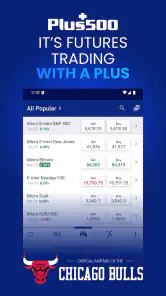
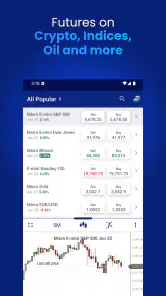
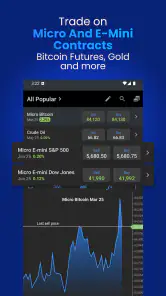
When I open a trading app, I care less about flashy presentation than about whether I can understand what is happening before I make a decision. Plus500 Trading & Investing is built for that kind of active market access, covering instruments such as Bitcoin, Ethereum, foreign exchange, the S&P 500 and Nasdaq. I found it most appealing as a focused finance app for people who want to follow several markets from a phone rather than use a traditional investment platform designed mainly for long-term portfolios.
The app is free to install, aimed at Everyone, and developed by Plus500 Trading. It has reached more than half a million installs and holds an average rating of 4.4 from roughly 3.8 thousand ratings, with 676 written reviews. Those figures suggest a reasonably established mobile product, although they do not replace the need to understand trading risk. The app gives you access to markets; it does not make the decisions for you.
How Plus500 feels during everyday market use
Speed expectations when checking a position
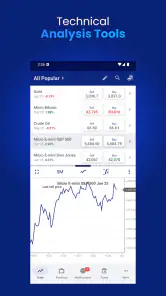
My first impression is that this is the kind of app meant to reduce the distance between noticing a market move and reviewing it. That matters when you are checking a currency pair before work, watching an index during a news-heavy session, or keeping an eye on a crypto market outside normal office hours. The value is not simply having charts on a small screen. It is having a single place where different market categories can be viewed without switching between unrelated services.
I would describe the experience as focused rather than overloaded. The product name and short store description are minimal, but the actual purpose is clear: trade and invest across futures and a range of well-known markets. That narrow purpose can make the app easier to approach than a broad personal-finance application that mixes budgeting, banking, savings and investing into one crowded interface.
There is an important distinction here between app responsiveness and market execution. A screen can open quickly while the market itself is moving rapidly, and a displayed price can change before a user completes an action. I would never treat a smooth interface as a guarantee of a particular trading result. For me, the sensible workflow is to open the app early, review the instrument, check the order details carefully, and avoid making a rushed decision simply because the screen feels immediate.
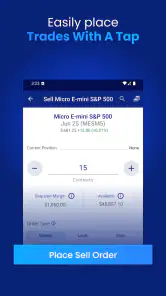
A useful habit is to separate observation from action. I might first look at the market I am interested in, then review the relevant details, and only afterward decide whether I actually want to proceed. This small pause is especially helpful with volatile assets such as Bitcoin or Ethereum, where an impulsive tap can have more consequence than the convenience of mobile access suggests.
What happens during heavier use
The app becomes more demanding when I use it as a market-monitoring tool rather than opening it for one quick check. Moving between crypto, foreign exchange and major indices creates a different workload from looking at a single instrument. A phone also has to handle changing market information, chart views and navigation at the same time. I would therefore judge Plus500 by how comfortably it supports a short research routine, not by whether it replaces a full desktop workstation.
For a realistic everyday scenario, imagine checking Nasdaq exposure during a lunch break, then comparing it with the S&P 500 and a currency market before returning to work. The app is useful in that situation because the phone is already with you and the markets are grouped inside one finance product. The trade-off is attention: a small display encourages quick glances, while proper comparison requires slowing down and reading the information rather than reacting to a single visible movement.
Another practical scenario is a user who follows cryptocurrency in the evening but watches index markets during the day. Plus500 can make that routine more coherent than maintaining separate apps for each category. I would still keep the number of open tasks modest. If I were trying to compare many instruments, study several charts, and make repeated decisions in a short period, I would prefer a larger screen and a more deliberate setup.
This is one of the app’s less obvious trade-offs. Mobile convenience is strongest when it helps you check and manage a prepared plan. It is weaker when it encourages constant monitoring. Watching every small movement can make the phone feel like a source of pressure instead of a useful tool. I recommend deciding in advance which markets matter to you and checking those first, rather than browsing every available instrument simply because it is accessible.
Stability and confidence during a session
For a finance app, stability means more than avoiding a crash. I want the screen to remain understandable while I move between market areas, and I want my attention directed toward the information that affects a decision. Plus500’s focused identity helps here: it is not trying to be a general-purpose money manager. The app is centered on trading and investing, so the reason for opening it is usually clear.
Even so, I would not use any mobile trading app as my only source of certainty during a sensitive transaction. Network conditions, market volatility and the limits of a phone screen can all affect how comfortable an action feels. If an important decision depends on reading several details at once, I would rather pause and use a larger display or verify the information through another trusted channel.
That is not a criticism unique to this product. It is a realistic boundary for mobile finance. A stable app can still be used badly, especially if the user mistakes a current screen for a complete analysis. Plus500 is best treated as an access and monitoring tool, not as a substitute for learning how the instruments work.
I also think recovery should be part of the routine. If I am interrupted while reviewing a market, I would reopen the app and retrace the instrument and order details instead of assuming I am looking at the same context as before. This is a simple but valuable safeguard. Phone notifications, calls and multitasking can break concentration, and a careful restart of the review is better than continuing from memory.
Device constraints and the right kind of phone use
Plus500 Trading & Investing supports devices using Android 8.0 or later. That gives it a broad compatibility range, but compatibility is not the same as an identical experience on every phone. A newer device with a clear display and comfortable touch response will naturally make charts and financial details easier to inspect than an older handset with limited screen space.
I would be cautious about using the app on a phone that is already struggling with general multitasking. Trading information deserves attention, and a device that frequently closes or reloads applications can make the experience more frustrating. The app itself may be suitable for an older supported phone, but the overall workflow depends on the condition of the device, the quality of its connection and how many other tasks are running.
Screen size is another meaningful constraint. On a compact phone, a quick price check may be comfortable, while comparing several markets or reading dense information can feel cramped. I see Plus500 as particularly well suited to people who want mobile access while away from a desk, not necessarily to users who intend to perform all their research on a small screen.
Resource demands should also be judged sensibly. I would not expect a finance app to be used like a video editor or a modern game, but repeated monitoring can still consume attention and battery over a long session. The practical solution is not to keep the app open constantly. I would use it for defined checks, close it when I am finished, and avoid turning ordinary market curiosity into an all-day background activity.
People with limited storage or older hardware may appreciate that the app belongs to a specific category rather than combining banking, budgeting and media features. At the same time, anyone who needs a very detailed analytical workspace should recognize the limits of a phone-first experience. For that audience, a desktop platform or a broker with a more extensive research environment may be a better companion.
Who will find it useful, and who should skip it
I think Plus500 is a good match for an informed beginner who wants to explore several market types from one mobile app, provided that person is willing to learn the difference between instruments before placing a trade. It can also suit an experienced user who wants a convenient way to check Bitcoin, Ethereum, foreign exchange or major indices while away from a computer.
The app is less suitable for someone looking for a simple long-term savings solution. If your main goal is to build a diversified portfolio gradually, a conventional investment service with a strong emphasis on recurring contributions, ownership and long-term planning may feel more natural. Plus500’s appeal is its access to active markets, not the calm, hands-off experience associated with basic savings products.
I would also advise caution for anyone attracted mainly by the word “futures.” Futures can be complex, and the fact that an app makes market access convenient does not make the underlying product easy. Before using an instrument, I would learn how its value changes, what can cause losses, and whether its behavior fits my own tolerance for risk. A clean mobile interface should never be mistaken for a low-risk product.
Another group that may want a different option is users who need extensive educational material built directly into the same service. Plus500 may be a practical place to monitor and manage market activity, but beginners should not assume that access alone provides enough preparation. I would use independent learning resources first and treat the app as the place where I apply a plan, not where I invent one under pressure.
How it compares with ordinary alternatives
Compared with a standard banking app, Plus500 is more specialized. A bank application is usually better for balances, transfers and everyday money management, while this app is aimed at following and trading market instruments. Compared with a long-term investment app, it is more relevant to users who want exposure to a wider mix of active markets rather than only building a conventional portfolio.
Compared with a desktop trading terminal, the advantage is portability. I can imagine using Plus500 to review markets on a commute, during a break or while traveling. The disadvantage is the smaller workspace and the greater temptation to make a decision quickly. Desktop software remains preferable when I need to compare a large amount of information or maintain a detailed analytical routine.
Compared with using separate specialist apps for crypto, foreign exchange and indices, the unified approach is more convenient. I do not need to change my habits completely when moving from one category to another. However, a specialist service may be better for a user who wants deep research in one particular market. Plus500’s breadth is useful, but breadth and depth are not always the same thing.
There is also a personal discipline question. A broad market app can help organize a watch routine, but it can also expose me to more opportunities than I actually need. I would rather use a short watchlist and a written reason for following each instrument than open the app and browse until something looks exciting.
Important details before installing
The app is free to download, but “free” should not be read as “without financial consequences.” The cost of using a trading service depends on the instruments, the transaction and the applicable conditions. I would read the current terms inside the service carefully before committing money, and I would avoid assuming that the installation price tells me anything about trading costs or risk.
The age classification is Everyone, which describes the app’s store classification rather than the complexity of the financial decisions involved. A person can be allowed to view or install an app and still need substantial knowledge before using it responsibly. I would consider suitability, experience and risk tolerance more important than the simple age label.
The current version is 26.8.0, and the app was released on December 27, 2022. Those details tell me that this is an established product with an ongoing version history rather than a newly appearing finance experiment. I would still keep the application updated through the normal store process, especially for a service where reliability and account access matter.
Before making the first trade, I would prepare a small checklist: confirm the market, understand the instrument, decide how much risk is acceptable, and reread the order information before submitting. This workflow is more valuable than trying to move as quickly as possible. It also makes it easier to identify whether the app genuinely fits my habits or merely makes activity feel convenient.
My performance verdict
After looking at Plus500 through the lens of speed, heavier use, stability and device limits, I see it as a practical mobile gateway to active markets rather than a complete replacement for every financial tool. Its strongest quality is focus: crypto, foreign exchange, futures and major indices are brought together in a finance app that can travel with you.
I like it most for planned checks and controlled actions. It makes sense for someone who wants to follow different markets from a phone, understands that convenience does not remove risk, and is comfortable doing deeper research outside the app when necessary. The experience is less convincing for users who want a simple savings product, a full desktop research environment or a completely hands-off investment routine.
My main recommendation is to use Plus500 as a disciplined access tool, not as a reason to trade more often. Start with markets you understand, keep sessions purposeful, and give yourself enough time to review each decision. Used that way, Plus500 Trading & Investing offers a convenient and focused way to stay connected to several markets without pretending that a mobile screen can make complex financial choices simple.
Pros
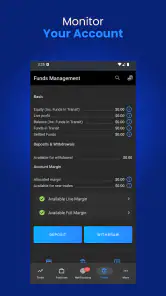
- Easy-to-use interface for monitoring markets and open positions.
- Demo account helps beginners practice without risking real money.
- Supports multiple order types
- including stop-loss and take-profit.
- Real-time price alerts help track selected instruments conveniently.
- Available on both Android and iOS with synchronized account access.
Cons
- CFD trading involves significant risk and may cause rapid losses.
- Overnight funding fees can increase the cost of holding positions.
- The platform may be unsuitable for long-term
- traditional investing.
- Some instruments may have wider spreads during volatile market periods.
- Identity checks and account restrictions can delay initial trading access.

- Category
- Finance
- Version
- 26.8.0