PlantSnap: plant identifier
- 8.66K
- 3.6
- Installs
- 10.00M
- Price
- Free

Screenshots


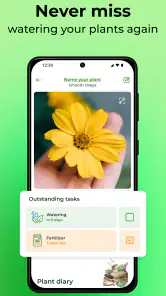
Analysis by Reviewed
I find PlantSnap: plant identifier most useful when a plant catches my attention and I want a starting point for learning about it. It’s an education app from PlantSnap, Inc., aimed at turning a photo into a more informed look at the plants around us. The basic idea is appealingly simple, but I’d treat an identification as a clue to investigate rather than a guaranteed answer—especially if a mistake could affect what I eat, touch, or plant.
What the current version is like
The app is free to download, with in-app purchases ranging from $0.99 to $39.99 per item. It is rated for Everyone, and its current version is 7.4.3. PlantSnap has an average rating of 3.6 from around 95,000 ratings, with roughly 8,700 written reviews and over 10 million installs. Those figures suggest a widely tried app, but also a mixed reception; I wouldn’t assume that every photo will produce a useful result.
For a casual nature walk, its main appeal is convenience: take a picture, get a candidate name, and use that result to guide further exploration. It can help turn an ordinary stroll into a small learning exercise, or give a new gardener a way to begin researching an unfamiliar plant. I’d use it when I’m curious, not as a substitute for careful identification from a trusted expert.
How I’d get more useful identifications
A clear photo gives a visual identifier more to work with than a distant shot of a whole garden bed. I’d frame one plant at a time, get close enough to show the leaf shape, and avoid letting other foliage dominate the picture. If the first image is ambiguous, I’d try a second view—such as a leaf and then the flower—rather than keep submitting nearly identical pictures. That small change makes the result easier to assess and gives me something concrete to compare with what I can see in person.
There’s a practical trade-off here: a quick camera result is faster than searching through plant guides, but it can be less reassuring when several species look alike. I’d compare the suggested name with visible details and treat care advice as a starting point, since light, soil, climate, and the plant’s condition all matter. If the identification affects pet safety, food, or a potentially irritating plant, I would verify it with a knowledgeable local source instead of relying on a single app result.
Where it fits among plant tools
Compared with browsing a field guide or searching the web manually, PlantSnap makes the first step more immediate: I can start with a photo instead of knowing the right search terms. A guide is often better when I want to learn how to distinguish similar species systematically, while a general web search can be useful for checking a candidate against several independent descriptions. I see the app as a convenient bridge between noticing a plant and doing that deeper research, rather than a replacement for either approach.
The social and contribution elements described in the app’s earlier presentation may appeal to people who enjoy sharing discoveries, but I’d choose PlantSnap primarily for identification and learning. Community input can make exploration more engaging, yet shared enthusiasm is not the same as expert confirmation. If I were looking for a structured gardening planner or a specialist reference focused on a particular region, I’d compare tools designed specifically for those jobs before settling on a general-purpose identifier.
More From Our News Desk

Weather by Xiaomi Review: Clear at a Glance, Less Clear Up Close

X Under Pressure: Can It Recover When Posting Goes Wrong?

Clash of Clans Is Won Between the Battles

Android Auto Makes the Case for Quieter Car Software

MobiOffice: Transforming Mobile Productivity with Seamless Integration

EA SPORTS FC™ Mobile Soccer: Redefining Mobile Sports Gaming
Getting to Know PlantSnap
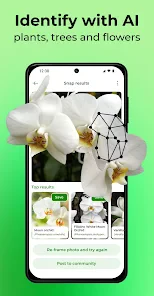
Imagine this: you’re strolling through a botanical garden or hiking through lush trails, and you come across a plant that catches your eye. With PlantSnap, you simply snap a photo, and in seconds, the app identifies the plant for you. It’s like having a botanist in your pocket! The app is available for both Android and iOS, ensuring that no matter your device, you can dive into the world of flora identification.
How It Works
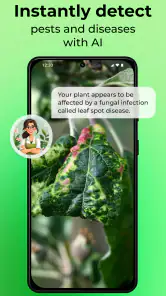
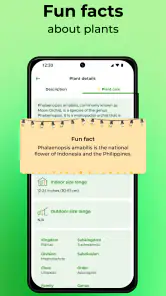
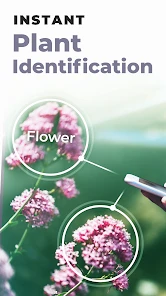
Once you’ve installed the app, using it is as easy as pie. Open the app, aim your camera at the plant, and snap a picture. PlantSnap’s advanced algorithm analyzes the image and compares it against a vast database of plant species. The app not only tells you the name of the plant but also provides additional information like its characteristics, growth habits, and care tips. It’s perfect for anyone looking to expand their botanical knowledge or just satisfy their curiosity.
Features That Stand Out
One of the standout features of PlantSnap is its extensive database. Boasting over 600,000 species of plants, flowers, trees, and mushrooms, it covers a wide range of flora. Whether you’re in the tropical rainforests or just your local park, the app has got you covered. Additionally, PlantSnap supports multiple languages, making it accessible to users worldwide. It’s a real game-changer for travelers and plant lovers across the globe.
Another delightful feature is the social aspect of the app. You can share your snaps and plant discoveries with a community of fellow plant enthusiasts. It’s like having a social network for plant lovers where you can discuss, learn, and appreciate the beauty of nature together. Plus, the app encourages users to contribute to its database, making it a growing and evolving community resource.
Why You Should Try It
If you’re someone who loves spending time outdoors or has a passion for gardening, PlantSnap is a fantastic addition to your app collection. It not only helps you identify plants but also enriches your understanding of them. The app is continuously updated, ensuring you have the latest information at your fingertips. And let's be real, it’s incredibly satisfying to finally put a name to that mysterious plant you’ve been wondering about.
For an everyday example, imagine spotting an unfamiliar shrub on your way home and wanting to know whether it might suit a sunny corner of your yard. I’d photograph a clear leaf or flower, note the suggested identification, then check whether its growing conditions match my space before making any gardening decisions. That keeps the app useful without treating a quick image match as a complete care plan.
PlantSnap is best for curious walkers, beginner gardeners, and anyone who likes collecting questions about the natural world. It may be less suitable if you need dependable identification for a high-stakes decision, want a detailed regional field guide, or expect every result to be correct without follow-up. The free entry point makes it easy to try, but I’d look closely at any in-app purchase prompt and decide whether the added value suits my own routine before spending.
The app was released on May 28, 2018, and version 7.4.3 is the current version. That establishes its age and present version, but it doesn’t tell me which capabilities changed along the way, so I wouldn’t infer a particular improvement from the version number alone. For someone who already uses it, the useful test is whether the current identification flow and information meet their needs; before relying on it more heavily, I’d check that the app still handles the plants and learning tasks I care about.
What would I watch for as I decide whether to keep using it? I’d pay attention to how often suggested plants match visible features, whether the explanations help me learn rather than merely label a photo, and whether the paid options feel worthwhile after ordinary use. My overall view is that PlantSnap: plant identifier can make plant curiosity easier to act on, particularly outdoors, as long as I stay patient with uncertain matches and verify consequential answers elsewhere.
PlantSnap: plant identifier Frequently Asked Questions
Can PlantSnap identify plants from photos I already have?
PlantSnap’s main purpose is photo-based identification of plants, leaves, trees, and flowers. That makes it relevant when you come across a plant and want to find out what it might be. The app is designed to work with images, so a clear view of the plant is useful when exploring its identification features.
Is PlantSnap useful for beginners with no gardening experience?
PlantSnap may suit people who are just starting to learn about plants, as well as experienced gardeners and nature enthusiasts. Its focus on identifying plants, leaves, trees, and flowers gives curious users a straightforward way to explore what they see around them. You do not need to be a botanist to use a photo-based plant identification app.
Can PlantSnap help me learn about plant care as well as identify species?
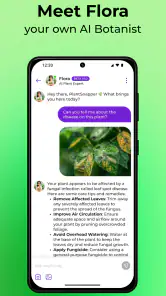
PlantSnap is presented as an AI plant identification and care app, so it is intended for people who want to explore plants as well as recognize them. Its central use is identifying plants, leaves, trees, and flowers from photos. If you are curious about a plant you have found or want to learn more while gardening, the app offers a convenient place to begin.
Who is PlantSnap designed for, and is it suitable for children?
PlantSnap is an education app that may appeal to gardeners, nature enthusiasts, and anyone curious about the plants around them. Its content rating is Everyone, making it suitable for a broad audience, including families exploring nature together. The photo-based identification approach can make plant discovery approachable, whether you are learning about a flower in a garden or a tree on a walk.
What is PlantSnap and how does it work?
PlantSnap is an innovative mobile application designed to identify plants, flowers, trees, and more through photos. Simply take a picture of the plant you wish to identify, and the app uses advanced image recognition technology to match it with its extensive database. This makes it a handy tool for botanists, gardeners, and nature enthusiasts alike.
Pros
- Identifies plants in seconds
- High accuracy in plant recognition
- Vast database with 600
- 000 plants
- Offline mode available for remote areas
- Regular updates with new plant data
Cons
- Requires internet for full features
- Some features locked behind paywall
- User interface can be confusing
- Occasional misidentification issues
- Ads can be intrusive for free users
- Category
- Education
- Version
- 7.4.3