Perpay - Shop and Build Credit
- 3.52K
- 4.8
- Installs
- 1.00M
- Price
- Free

Screenshots






Analysis by Reviewed
I think Perpay - Shop and Build Credit makes the most sense when you treat it as a planned purchase with a credit-building side effect, rather than as a way to make shopping feel free. If I needed an item and could cover its payments from future paychecks, I’d consider using it; if I were browsing just because buying is easy, I’d pause. That distinction matters because a payment plan still has to fit your real budget.
Begin with a purchase you already need
The clearest starting point is not the catalog but a real need: an appliance that has stopped working, a work item that needs replacing, or a household essential you have already budgeted for. I would write down what I need, what I can spend overall, and how much room remains in each paycheck. That gives me a reference point before an attractive listing or a convenient payment schedule starts shaping the decision.
This approach also helps answer a practical question: should I open the app if I do not have a specific purchase in mind? I would not make it my default way to pass time or browse for deals. The shopping element is central to the experience, so going in with a defined need makes it easier to separate a useful purchase from an impulse. If there is no clear need, waiting is often the better financial choice.
Start with the paycheck, not the product
Before opening the catalog, I’d decide what amount I can comfortably set aside from each paycheck without squeezing rent, food, bills, or savings. Then I’d compare that figure with the payment commitment for anything I’m considering. This small step helps keep the app’s shopping experience from setting the budget for me. A credit-building goal is useful, but it should not turn a want into a purchase I otherwise would have postponed.
Perpay is a free finance app from Perpay Inc. It has a 4.1 average from around 6,700 ratings, and more than a million installs. It’s rated for everyone, with version 3.5.0 and a minimum operating-system requirement of 11. Its core idea is unusual compared with a standard budgeting app: it connects shopping and paycheck-based payments with an aim to help users build credit. That makes it worth considering for someone who wants a structured way to buy a needed item, but it is not a substitute for tracking all household spending.
Make the purchase fit an ordinary week
Say my headphones stop working before a week of online meetings. I could check whether a replacement is available, think through the planned paycheck deductions, and choose only if those deductions leave enough room for everything else. The useful habit here is to judge the full commitment before checkout, not just whether the first payment looks manageable. If the timing of my income varies, I’d be even more cautious about relying on deductions that assume a predictable paycheck.
That workflow is different from putting the purchase on a general-purpose credit card, where I have to remember the bill and manage the balance myself. It also differs from a budgeting app, which can show where money goes but doesn’t turn a shopping purchase into a credit-building routine. A secured credit card may be a better fit for someone who wants to build credit through broader everyday spending rather than buying through a particular shopping experience. I’d compare the choices based on the item I need, the repayment structure I can sustain, and whether I want a shopping tool or a wider financial-management tool.
More From Our News Desk

 Bolt: Request a Ride
Bolt and the Shift from One-Tap Rides to More Legible Trips
Bolt shows how ride-hailing is shifting from a one-tap taxi request toward a more legible, choice-driven trip, while leaving the hardest questions of price and reliability unresolved.

 Farm Land - Farming life game
Farm Land Review: A Small Island Farm with a Satisfying Loop
A bright, breezy island farm turns a few quick chores into a satisfying cycle of planting, harvesting, expanding, and deciding what to build next.

 Android Auto
’s Community Takes Shape in the Passenger Seat
Its most valuable network is not a public feed but a shared set of routes, voice habits, app integrations, and advice that make driving less isolating—and sometimes more complicated.

 My Talking Angela
 Makes the Virtual Pet Feel Personal
A polished pet-raising game built on small rituals, playful customization, and a character who gives everyday screen time a surprisingly personal rhythm.

 Google Translate
 Review: A Pocket Tool for the Small Frictions of Travel
From menus and signs to quick conversations, Google Translate earns its place by cutting the little delays that make unfamiliar language feel like a barrier.

 Shazam: Find Music & Concerts
Shazam’s Best Trick Is Turning a Song Into a Night Out
A few seconds of recognition can settle an argument, rescue a half-remembered chorus, and point toward a live show. Shazam’s real trick is what happens after the match.
Latest News



Decide what to compare before checkout
A useful extra step is to compare the item itself, not just the payment amount. I would check whether the same model or a suitable alternative is available through a retailer I already use, then weigh the total outlay and the convenience of the payment route. A smaller-looking deduction can make a purchase feel easier than it is; the full commitment is the more meaningful comparison. If I cannot tell whether the overall cost makes sense for my budget, I would hold off rather than letting the payment schedule settle the question for me.
I would also distinguish between “I can make these payments” and “this is the best way to pay.” The first is a cash-flow test; the second involves alternatives. Paying upfront may be simpler when I already have the money set aside, while a general credit product may suit someone who wants more choice about where to shop. Perpay’s appeal is the combined shopping and repayment flow, so it is most compelling when that specific arrangement solves a real problem rather than merely making checkout feel manageable.
What is Perpay?
So, let’s get into the nitty-gritty of Perpay. Essentially, it’s an app that combines shopping with building your credit score. Sounds like a win-win, right? The app offers a unique platform where you can buy products and pay over time, all while building your credit. It’s like having your cake and eating it too!
How Does It Work?
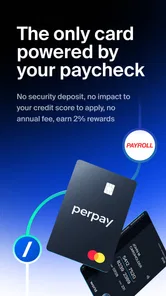
When you first sign up, Perpay evaluates your spending habits and income to determine your spending limit. The cool part? There’s no credit check involved, so it’s accessible to many who might be struggling with their credit scores. Once you’re in, you can shop from a wide range of products, from electronics to home goods. The app then divides your total purchase into smaller, manageable payments that are automatically deducted from your paycheck. This seamless integration makes it super easy to keep track of payments without breaking a sweat.
Make the paycheck handoff manageable
The automatic-payment idea can reduce the number of bills I have to remember, but it does not remove the need to manage cash flow. I would treat each scheduled deduction as already spoken for when planning the rest of my paycheck. A simple calendar reminder or budget note can help me check that the deduction has occurred and keep the remaining money aligned with upcoming essentials. That small habit matters most when several bills land close together.
Before committing, I would also make sure I understand how the payment timing lines up with my own pay cycle and how to keep enough money available. A paycheck-based approach is easiest to reason about when income arrives predictably. If I work variable hours, have irregular pay dates, or depend on income from more than one source, I would build in a cushion rather than count on an exact amount arriving at an exact time. The convenience is real, but it should not replace a plan for an uneven month.
Shopping Experience
I have to say, scrolling through the app felt like browsing a mini-mall! The interface is user-friendly, and the variety of products is impressive. Whether you’re looking for the latest tech gadgets or stylish home decor, Perpay’s got you covered. Plus, knowing that each purchase is helping build your credit adds a bit of extra joy to the shopping experience.
Turn browsing into a deliberate workflow
I would use the catalog with a short checklist rather than browsing without a stopping point: identify the item, compare it with an outside option, review the total commitment, and then decide whether the paycheck schedule fits. If the item is not urgent, leaving it in the cart and revisiting the decision later can help separate a genuine need from the excitement of finding something appealing. That pause is especially useful when the app makes shopping and repayment feel like one smooth action.
For a realistic example, imagine replacing a broken household item shortly before a busy week. I would first decide what replacement is adequate rather than automatically choosing the most appealing version. Then I would check the budget against the payment plan and consider whether waiting until the next paycheck would be less stressful. If the purchase still fits after those checks, the structured route may be useful; if it depends on optimistic assumptions about future income, I would choose a cheaper option or delay it.
Building Credit with Perpay
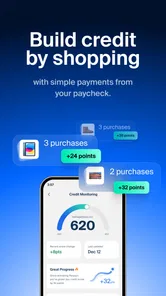
Now, onto the real magic – building credit. Perpay reports your payment activity to major credit bureaus, which means every on-time payment helps boost your credit score. It’s a simple yet effective way to improve your financial standing without the usual complications associated with credit-building apps. The gratification of seeing your credit score inch upwards is genuinely rewarding.
Keep the payoff plan in view
One practical question is whether a paycheck-based schedule suits the way I’m paid. If my income arrives regularly, automatic deductions can make repayment easier to remember; if my hours or pay vary, I’d want to leave a buffer rather than plan every dollar around an expected check. I’d also keep my own notes on the amount and timing of deductions, so I can reconcile them with my budget instead of assuming an automatic payment makes the commitment invisible.
Another question is whether I should use Perpay for every purchase. I wouldn’t. I’d reserve it for an item I already planned to buy and for which the payment schedule is comfortable. For small everyday spending, paying directly or using a budget may be simpler. If I’m trying to avoid shopping altogether, a credit-building option that doesn’t center on a product catalog may suit me better. And because credit progress depends on payment behavior and individual circumstances, I’d treat it as a possible benefit rather than a guaranteed score increase.
Where the approach can feel limiting
The main trade-off is that the shopping and credit-building goals are tied together. That can be motivating, but it may also nudge me toward buying from the app when another retailer, a cheaper option, or waiting would make more sense. I’d compare the total cost and the repayment commitment with alternatives before deciding; convenience alone is not a reason to take on payments. The catalog may be appealing, yet having many options does not mean every purchase is a good financial move.
I’d also remember that Perpay is focused on its own shopping-and-payment workflow, not on giving me a complete view of my finances. Someone who wants expense categories, bill planning, or a full picture of cash flow will likely need a separate budgeting approach. Likewise, a person who needs immediate flexibility for unexpected expenses should not assume a shopping payment plan solves that problem. The app is strongest when the purchase is deliberate and the paycheck schedule is dependable.
Who is likely to find it useful?
I can see the strongest fit for someone who has a planned purchase, receives pay regularly, and wants repayment tied to a paycheck routine rather than managing another conventional card balance. It may also appeal to someone who is trying to establish consistent payment habits and values a credit-building element alongside shopping. The useful question is not simply whether the app is accessible, but whether its particular purchase-and-payment structure matches the way that person earns and budgets.
I would be more hesitant to recommend it to someone already stretched between essential bills, someone whose income changes sharply from week to week, or someone who tends to shop more when payment is divided into smaller pieces. It is also not the right tool for a person whose main aim is to track spending across accounts or build credit without making a purchase. In those cases, a budget-first routine, saving toward the item, or a broader credit-building product may be a better starting point.
Where the approach can feel limiting
The main trade-off is that the shopping and credit-building goals are tied together. That can be motivating, but it may also nudge me toward buying from the app when another retailer, a cheaper option, or waiting would make more sense. I’d compare the total cost and the repayment commitment with alternatives before deciding; convenience alone is not a reason to take on payments. The catalog may be appealing, yet having many options does not mean every purchase is a good financial move.
I’d also remember that Perpay is focused on its own shopping-and-payment workflow, not on giving me a complete view of my finances. Someone who wants expense categories, bill planning, or a full picture of cash flow will likely need a separate budgeting approach. Likewise, a person who needs immediate flexibility for unexpected expenses should not assume a shopping payment plan solves that problem. The app is strongest when the purchase is deliberate and the paycheck schedule is dependable.
My Final Thoughts
Overall, my experience with Perpay - Shop and Build Credit has been nothing short of fantastic. It’s an innovative solution for those looking to improve their credit scores while still enjoying the freedom to shop. The convenience of automatic payments and the joy of shopping make it a standout in the financial app market. If you’re in the market for a smarter way to shop and build credit, give Perpay a shot. I promise, you won’t be disappointed.
My more measured recommendation is to approach it with a purchase already in mind, check that the deductions fit comfortably, and keep track of how they affect the rest of the paycheck. That makes it a more sensible option for someone who wants a structured shopping route and is comfortable with automatic repayment. If you prefer to compare across retailers, avoid installment commitments, or build credit through a broader financial product, another approach may suit you better. For me, the value is in using the workflow deliberately—not treating the ability to shop as a reason to spend.
Perpay - Shop and Build Credit Frequently Asked Questions
Is Perpay free to download, and what devices can I use it on?
Perpay is a free finance app from Perpay Inc., available for Android and iOS. On iOS, it requires version 11 or later. The app is rated for Everyone, and its store summary says, “Make your paycheck work harder for you with Perpay.” If you are considering installing it, make sure your device meets the operating system requirement and review the app’s permissions before signing up.
What is Perpay and how does it work?
Perpay is a unique shopping platform that allows users to purchase products and pay for them over time while simultaneously building their credit. Users can shop from a wide range of products and make payments that fit their budget. The app reports these payments to the credit bureaus, helping improve users' credit scores over time.
Is there a credit check required to use Perpay?
No, Perpay does not require a credit check to create an account or shop on their platform. This makes it accessible to users who may have limited or poor credit history, allowing them to gradually improve their credit score through responsible payment activity.
How does Perpay help in building credit?
Perpay helps build credit by reporting users' on-time payments to major credit bureaus. As users make timely payments for their purchases, these are reflected in their credit reports, which can positively impact their credit score. This process makes Perpay a practical option for users looking to improve their creditworthiness.
What products can I buy using Perpay?
Perpay offers a wide range of products, including electronics, home goods, fashion, and more. Users can browse and shop from a diverse selection, ensuring there is something for everyone. The platform partners with various brands to provide quality products, making it a convenient one-stop-shop for different needs.
Pros
- No credit check required.
- Interest-free purchasing.
- Wide range of products.
- Simple app interface.
- Helps build credit score.
Cons
- Limited to U.S. residents.
- Requires direct deposit setup.
- High prices for some items.
- Slow shipping times.
- Limited customer support.