Oportun: Savings & Loans
- 20.75K
- 3.9
- Installs
- 1.00M
- Price
- Free

Screenshots

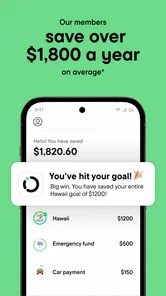
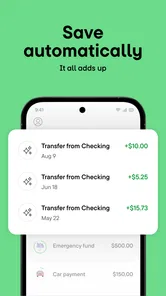
Analysis by Reviewed
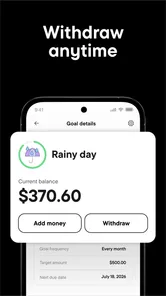
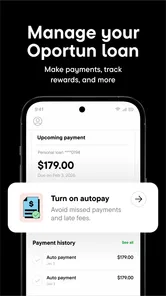
When I’m deciding whether to trust a finance app with a place on my phone, I look for a clear reason to open it and a simple way to understand what it helps me manage. Oportun: Finances made simple is built around two practical concerns: building savings and keeping an eye on a loan. That focus makes it easier to judge than an app promising to solve every money problem at once. I’d consider it most useful for someone who already has a relationship with Oportun and wants a convenient mobile way to stay oriented.
Where a connection becomes part of the experience
Financial apps are most useful when their information is current, and that makes connectivity an important part of the routine. If I’m checking a loan while out of the house or reviewing savings during a break, I need to allow for the possibility that the app may need a working connection to load or refresh account information. I wouldn’t plan an urgent money decision around a screen I haven’t recently refreshed. A quick check before leaving a reliable connection is a sensible habit when I know I’ll need account details later.
This matters especially when the purpose of opening the app is time-sensitive. I might want to check a loan balance before deciding how much of a paycheck can go toward another expense, or look at savings before making a discretionary purchase. In either case, I’d treat the displayed information as a useful reference, then confirm anything consequential through the appropriate account channel if the app seems slow or the connection is unreliable.
Useful in short mobile moments
The app’s savings-and-loan focus suits brief, practical visits better than long sessions spent building an elaborate financial plan. A realistic routine might be checking the loan after payday, then taking a moment to review savings before setting aside money for a bill. Those small check-ins can help make a financial task visible without turning every purchase into a spreadsheet exercise.
I’d also use it with a specific question in mind: “What do I need to keep track of today?” That approach is more useful than repeatedly opening a finance app out of habit. If I’m on a commute or in a place with patchy service, I’d wait until I can connect before relying on account details. For a finance tool, convenience is valuable, but it shouldn’t encourage rushed decisions based on information that may not have refreshed.
What to do when a screen does not load
Connectivity trouble can make any account app feel more stressful than it should. If a page stalls, I’d first check whether other apps can reach the internet, then retry when the connection is stable. I would avoid repeatedly submitting the same action if the app has not clearly confirmed what happened; with money-related tasks, checking the account status before trying again is the safer choice.
That is a practical limitation of a phone-based finance routine: access can depend on the device, the network, and the account service all behaving normally at the same time. I’d keep a separate record of important payment dates rather than relying on any single app as my only reminder. That doesn’t make the app less useful; it gives me a fallback when I can’t get online or need to act quickly.
More From Our News Desk

 Bolt: Request a Ride
Bolt and the Shift from One-Tap Rides to More Legible Trips
Bolt shows how ride-hailing is shifting from a one-tap taxi request toward a more legible, choice-driven trip, while leaving the hardest questions of price and reliability unresolved.

 Farm Land - Farming life game
Farm Land Review: A Small Island Farm with a Satisfying Loop
A bright, breezy island farm turns a few quick chores into a satisfying cycle of planting, harvesting, expanding, and deciding what to build next.

 Android Auto
’s Community Takes Shape in the Passenger Seat
Its most valuable network is not a public feed but a shared set of routes, voice habits, app integrations, and advice that make driving less isolating—and sometimes more complicated.

 My Talking Angela
 Makes the Virtual Pet Feel Personal
A polished pet-raising game built on small rituals, playful customization, and a character who gives everyday screen time a surprisingly personal rhythm.

 Google Translate
 Review: A Pocket Tool for the Small Frictions of Travel
From menus and signs to quick conversations, Google Translate earns its place by cutting the little delays that make unfamiliar language feel like a barrier.

 Shazam: Find Music & Concerts
Shazam’s Best Trick Is Turning a Song Into a Night Out
A few seconds of recognition can settle an argument, rescue a half-remembered chorus, and point toward a live show. Shazam’s real trick is what happens after the match.
Latest News



Choosing how much data and attention to spend
For a data-conscious user, the best habit is to open the app when there’s a clear reason, rather than leaving it running in the background or refreshing repeatedly. I’d also use a trusted connection when reviewing personal financial information and keep my device protected with its normal screen-lock settings. These are straightforward precautions, not a substitute for understanding how an account is managed.
Compared with a general budgeting app or a bank’s all-purpose mobile app, Oportun has a narrower identity: its stated emphasis is savings and loan tracking. That can be an advantage if those are the details I need to follow, because a focused tool may feel less cluttered than an app covering every spending category. But if I want a full household budget, detailed investment tracking, or one dashboard for accounts from several institutions, I’d compare it with broader alternatives before making it my main finance app.
Getting Started with Ease
When I first downloaded Oportun: Finances made simple, I was pleasantly surprised by its user-friendly interface. The setup process was straightforward, requiring just a few taps on the screen to get everything up and running. It’s perfect for those who, like me, aren't exactly tech-savvy. You don't need to be a financial expert to navigate this app, which is one of its greatest strengths.
Features that Stand Out
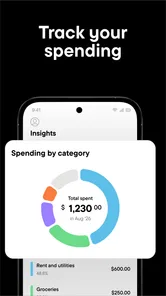
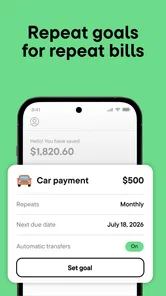
What really caught my attention were the features packed into this seemingly simple app. It's not just about tracking expenses; it's about understanding your financial habits. The app provides insightful analytics on your spending patterns, helping you make informed decisions. I found myself checking the app regularly just to see how I could improve my financial health. It even sends friendly reminders about upcoming bills, so you never miss a payment. How cool is that?
Another highlight is the budgeting tool. It's incredibly intuitive, allowing you to set realistic goals and stick to them. The app categorizes your expenses automatically, which means you spend less time logging every single purchase and more time enjoying life. Plus, it offers personalized tips to save more based on your spending habits, which felt like having a personal finance coach right in my pocket.
Those tools would be most valuable to someone who wants prompts and a more active budgeting routine, rather than only a place to glance at an account. I’d still review automated categories and suggestions rather than treating them as a final verdict: a purchase can be categorized in a way that doesn’t match how I think about my budget. Checking a few entries at a regular time, such as after payday, is a low-effort way to spot a mismatch before it affects a plan.
Security and Support
Of course, when it comes to financial apps, security is a top priority. Rest assured, Oportun employs robust security measures to protect your data. It uses bank-level encryption, which gave me peace of mind knowing my financial information is safe from prying eyes.
If you ever run into a snag, their customer support is top-notch. I had a minor issue with syncing my bank account, and their support team was quick to respond and resolve the problem. It's reassuring to know that help is just a message away.
Before connecting financial information, I’d take a moment to understand the account access and security choices presented during setup, and make sure I’m comfortable with them. If a connection stops working, I’d avoid sharing sensitive account details in an informal message; I’d use the app’s available support route and follow its guidance. That careful approach is useful for any finance app, especially when an account sync is involved.
Who is likely to get the most from it?
Oportun is a better fit for someone who wants to keep savings and a loan in view through the same provider than for someone seeking a complete financial command center. A student or early-career worker who is trying to stay aware of a loan while forming a savings habit may appreciate that focused purpose. Someone managing several banks, cards, bills, and investments may prefer a broader budgeting service, while a person who only needs an occasional loan check might find their provider’s basic account access sufficient.
The practical question is whether I’d use it often enough to justify another finance app. If checking savings or a loan helps me make better choices during the week, a dedicated mobile option can earn its place. If I rarely need those details, or I prefer keeping all financial activity in one existing banking app, adding another login may be more friction than value.
Making it useful without adding another chore
I’d tie each visit to a money moment that already exists in my week, rather than creating a new daily ritual. For example, after payday I could check the loan, review savings, and then note upcoming bills in the calendar or system I already use. That sequence keeps the app’s role clear: it provides a focused account check, while my separate reminder remains the safety net for dates that matter.
For someone paid irregularly, the same approach can help avoid treating a displayed balance as spare cash. I’d check the account, account for near-term essentials, and only then decide whether a discretionary purchase fits. The app may make information easier to reach, but the decision still depends on expenses that might sit outside its savings-and-loan view.
What the narrower focus means in practice
Many finance apps compete by gathering budgets, cards, investments, and accounts into one broad overview. Oportun’s appeal is different: if my main reason for opening a finance app is to stay aware of savings and a loan, a more focused companion may involve less sorting through unrelated sections. The trade-off is that it should not be mistaken for a complete picture of my finances. I’d keep using a broader budgeting tool or bank app if I need to compare household spending across several providers.
That distinction also helps answer whether it is worth installing when I already have a banking app. If that existing app covers the relevant Oportun account details clearly, another app may not improve my routine. If I value a dedicated place for these particular checks, Oportun has a more specific purpose. I’d decide based on which screen I’m actually likely to use when I need to make a practical choice, not on the number of features an app appears to offer.
Final Thoughts: A Must-Have App for Everyone
In a world where managing finances can be daunting, Oportun: Finances made simple truly lives up to its name. It simplifies financial management, making it accessible to everyone, regardless of their financial expertise. Whether you're a student trying to manage your budget or a professional looking to streamline your finances, this app is a game-changer.
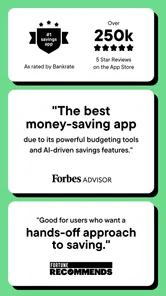
It’s a free finance app from oportun, rated for Everyone, with a four-point-zero average from around forty-eight thousand ratings and more than one million installs. It first appeared on September seventh, twenty sixteen, and version four-point-one-four-six-point-zero supports Android eight-point-zero and later. Those details make it a well-established option, though popularity alone can’t tell me whether its particular savings-and-loan focus matches my needs.
So, if you're ready to take control of your finances and want an app that's both easy to use and packed with features, give Oportun a try. It's a step towards financial freedom, and trust me, you won't regret it.
My connectivity verdict
I’d recommend it to someone who wants a straightforward mobile place to check in on Oportun-related savings and loan matters, and who is comfortable doing those checks when a connection is available. I’d be more cautious if I needed dependable access in places with weak service, or if I expected one app to replace a full budgeting system. Used as a focused account companion, with a backup for important dates and decisions, it can fit neatly into an everyday money routine.
Oportun: Savings & Loans Frequently Asked Questions
Does Oportun offer tools for people who want to improve their financial habits?
Oportun is designed for money management and highlights building savings and tracking a loan. Its broader feature set also includes budgeting tools and financial education, which can help users keep everyday money tasks in view. If you are looking for an app that brings several financial activities together, consider whether those tools match the habits you want to develop.
Is Oportun suitable for someone new to financial apps?
Oportun may be worth exploring if you are getting started with financial apps, since it brings savings and loan tracking together with budgeting and educational resources. These features can give users ways to follow their money and learn about financial topics. As with any finance app, take time to understand the available tools and any service terms before relying on them.
Can I use Oportun on an iPhone or iPad?
Oportun is a finance app, but its availability and operating-system requirements can differ by device platform. Before downloading, look for the app in the store for your device and check that it is compatible. The Android version runs on devices with Android 8.0 or later; make sure you are viewing the appropriate version for your phone or tablet.
What does Oportun focus on?
Oportun focuses on making financial tasks easier to follow, with building savings and tracking a loan highlighted as central goals. It also describes broader money-management features, such as budgeting and credit-related services. That combination may suit people who want an app with more than a basic account overview, although the specific tools you use will depend on your needs.
Is Oportun intended for adults only?
Oportun has an Everyone age rating, so its app rating is not limited to adults. However, that rating does not automatically mean every financial service within the app is available to every user. Loan and other financial products can have their own eligibility requirements, so review the relevant terms before attempting to use a particular service.
Pros
- User-friendly interface for easy navigation
- Quick loan approval process
- No credit score impact for inquiries
- Multiple payment options available
- Financial education resources included
Cons
- Limited loan amount options
- Higher interest rates for short-term loans
- Only available in select regions
- Customer support response time can be slow
- Requires stable internet connection