NeuroNation - Brain Training
- 13.61K
- 4.6
- Installs
- 10.00M
- Price
- Free

Screenshots


Analysis by Reviewed
When I try a brain-training app for the first time, I want to know two things: what a session actually feels like and whether it can fit into a normal day without turning into another obligation. NeuroNation - Brain Training is an education app built around short, game-like mental exercises. I’d approach it as a structured way to practise attention, memory and reasoning—not as a shortcut to better grades or a guarantee of broad changes in everyday ability.
Before You Begin: What the App Is For
I think the most reassuring way to approach NeuroNation is to see it as a guided routine, not a test you have to pass. Its exercises give you a defined task to work through, and the training plan gives those tasks a broader shape. That can be useful if you find it hard to choose a puzzle or activity on your own; you can open the app and let the session provide the next step.
It is also worth separating enjoyment from evidence of improvement. A challenge may become easier because you have learned its rules or become more familiar with its format. That can still feel satisfying, but it is different from proof that every aspect of memory or focus has changed. I’d use the app because I enjoy the practice and the routine, while keeping any bigger claims about everyday performance modest.
A Low-Pressure Way to Start
For a first session, I’d choose a calm moment and follow the setup at an unhurried pace. The early prompts and exercises are there to shape the experience, so rushing through them just to reach the games may make the opening feel less useful. I’d also put the phone somewhere comfortable to hold and give the tasks my attention; trying to train while replying to messages is an easy way to mistake distraction for difficulty.
If the first exercise feels awkward, I wouldn’t take that as a sign that the app is not for me. New controls, unfamiliar instructions and a tired moment can all make a task harder. A better first goal is simply to understand what the exercise asks and complete a short session. That first small success makes it easier to decide whether the format suits you.
Getting to Know NeuroNation
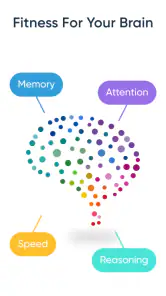
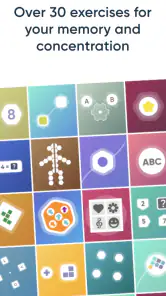
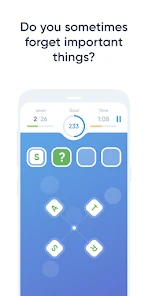
When you first open NeuroNation - Brain Training, you’re greeted with a sleek and user-friendly interface. It’s designed to make brain training easy and accessible for everyone. The app offers a variety of exercises targeting different areas of your brain: memory, concentration, and critical thinking, among others. Each exercise is like a mini-game, making it a fun and engaging experience.
What to Expect from a First Session
I’d go in expecting a sequence of focused tasks rather than an open-ended puzzle collection. That distinction matters: the point is to follow the training path and engage with different kinds of challenges, not simply replay one favourite game until it feels easy. If you enjoy small goals and clear feedback, that structure can make it easier to return. If you mainly want free-form puzzles, a dedicated puzzle app may suit you better.
More From Our News Desk

Weather by Xiaomi Review: Clear at a Glance, Less Clear Up Close

X Under Pressure: Can It Recover When Posting Goes Wrong?

Clash of Clans Is Won Between the Battles

Android Auto Makes the Case for Quieter Car Software

MobiOffice: Transforming Mobile Productivity with Seamless Integration

EA SPORTS FC™ Mobile Soccer: Redefining Mobile Sports Gaming
One practical question is how much time to set aside. I wouldn’t make the first visit a test of willpower or try to fit it into a packed stretch of the day. Start when you have a quiet break, see how the sequence feels, and stop when the session is done rather than adding extra time just to chase a better result. This helps you judge the app on its actual rhythm, not on an unusually long first try.
The Science Behind It
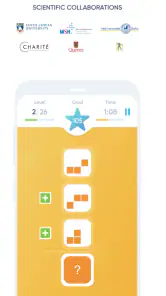
What sets NeuroNation apart is its foundation in scientific research. The app collaborates with renowned neuroscientists to ensure that the exercises are effective. So, when you spend time on this app, you’re not just playing games; you’re engaging in activities that have been scientifically proven to enhance your cognitive abilities. Now, that’s some serious motivation to keep going!
I’d still keep expectations measured. A better result inside a particular exercise shows that you’re becoming more familiar with that task; it doesn’t automatically prove that every kind of memory or concentration will improve outside the app. I find it more useful to treat the exercises as regular mental practice and judge the experience by whether I can stick with it and enjoy the challenge.
That distinction also helps answer a common concern: this is not the app I’d choose to investigate a worrying change in memory or to make a health decision. Its scores and exercises are part of a training experience, not a substitute for a professional assessment. If a real-life concern is the reason you’re searching for brain training, I’d speak with a qualified professional rather than relying on an app’s progress screen.
Personalized Training Plans
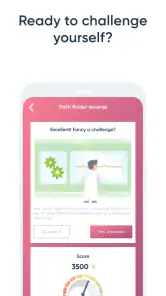
One of the features I absolutely love is the personalized training plans. NeuroNation takes into account your current cognitive level and tailors exercises to suit your needs. It’s like having a personal brain trainer in your pocket! As you progress, the app adjusts the difficulty level, ensuring that you’re always challenged but never overwhelmed.
For a first-time user, my practical advice is to answer the opening prompts thoughtfully and give the early exercises your attention, rather than rushing just to get through setup. Those first attempts help make the training feel more relevant. If a task feels unexpectedly difficult, I wouldn’t read too much into one result; distractions, unfamiliar controls or simply being tired can affect how an exercise goes.
Personalization is useful, but I wouldn’t expect it to mean that every session will match my mood or preferred challenge. A plan is designed to guide practice, which can mean moving among different kinds of tasks instead of choosing only the one I find most enjoyable. I’d give that variety a fair chance before deciding it is a mismatch; if I consistently want to pick a single puzzle and repeat it, a dedicated game gives me more direct control.
Making It Fit a Real Day
A useful routine might be opening the app while waiting for a bus or taking a quiet break between study sessions. I’d choose a moment when I can focus on the screen instead of trying to play while walking, watching something else or answering messages. That small choice makes the exercises less frustrating and gives the session a clear beginning and end.
One non-obvious trade-off is that a training plan is most helpful when it gives you variety, but variety also means you may not always get the exact kind of puzzle you’re in the mood for. I’d follow the sequence for a while before deciding whether it works for me, then use my own consistency and enjoyment—not a single score—as the main test.
For example, imagine I have a gap before an evening class and keep reaching for social media. I could use that break for a short, focused session, then put the phone away when it is time to leave. I would not try to squeeze in exercises while crossing a busy street or listening for a meeting to start; attention matters to the task, and a rushed attempt is less informative than a calm one. This is a small, realistic use case rather than a promise that a session will transform the rest of the day.
A useful habit is to attach training to a break that already exists instead of inventing a demanding new schedule. If I miss a day, I’d simply return when it fits rather than treating the gap as failure. That makes the app easier to keep as a light routine, especially for people whose study or workdays change from one day to the next.
Keeping Track of Your Progress
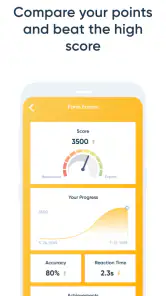
The app includes a detailed progress tracker that allows you to see how you’re improving over time. It provides insights into your strengths and areas where you need improvement. This feature is incredibly motivating because you can actually see your brain getting stronger as you work through the exercises.
I’d use that information as a prompt for choosing where to focus, rather than as a formal assessment of my overall cognitive health. A simple workflow is to check progress after several sessions, notice which exercise types remain challenging, and then keep practising without obsessing over every change. That makes tracking useful without letting scores become the whole point.
There is a small but important trade-off in any score-based routine: feedback can encourage you to return, but it can also make you focus too closely on a single result. I’d compare patterns across a few visits rather than judging myself after one distracted attempt. If a number starts making the activity stressful, I’d take a break from checking it and focus on completing the exercises at a comfortable pace.
Fun and Engaging
Let’s be honest, brain training could sound a bit dull, but NeuroNation makes sure it’s anything but boring. The variety of exercises keeps things fresh, and the gamified elements, like earning points and unlocking new levels, add an extra layer of excitement. It’s like playing a game, but with the added benefit of boosting your brainpower.
Compared with ordinary brain-teaser games, the appeal here is the combination of multiple exercise types and a guided training plan. A standalone puzzle game can be better if you want to jump straight into one familiar challenge, while a general meditation app is a different choice if your main goal is to wind down. NeuroNation makes most sense when you specifically want active, task-based practice.
The choice between this and a paper puzzle or a casual game comes down to what kind of structure I want. Paper puzzles can be satisfying when I want to solve one problem at my own pace, and a casual game may be better when the goal is simply entertainment. NeuroNation’s more specific appeal is having several task styles within a guided routine. I’d choose it for a planned mental break, not because every leisure moment needs to become self-improvement.
If a session starts feeling repetitive, changing the time of day or taking a short pause can help me tell whether I’m bored with the format or simply tired. I wouldn’t force myself to keep going just to maintain a streak of effort. The app works best as something I choose to revisit, not as another obligation competing with study, sleep or downtime.
NeuroNation also offers a community feature where you can connect with friends, compare scores, and even engage in friendly competitions. It’s a great way to stay motivated and make brain training a social activity.
I’d treat the social side as optional motivation, not a requirement for getting value from the exercises. Comparing scores can make a session playful with a friend, but it can also distract from your own pace. If competition makes you tense, you can focus on the personal routine instead.
If I were inviting a friend to try it, I’d make the comparison playful and agree not to treat scores as a measure of who is smarter. People may be at different stages of familiarity with an exercise, and a leaderboard-style comparison can obscure that. The social option is most useful when it gives both people a reason to show up, rather than turning a private practice into a contest that one person dreads.
Cost, Compatibility and Who It Suits
The app is free to download, with in-app purchases ranging from $4.49 to $400.00 per item, so I’d explore the free experience before deciding whether any paid option is worthwhile for me. NeuroNation is rated for Everyone, has a 4.6 average from around 469,000 ratings, and has been installed over 10 million times. It comes from developer NeuroNation, and version 3.8.76 requires Android 8.0 or later.
Because there are in-app purchases, I’d first work out whether the available free experience fits my routine before considering spending anything. The listed purchase range is broad, so I would read the option presented in the app carefully and decide whether it offers something I actually want. I wouldn’t treat a purchase as necessary to establish whether I enjoy the basic training style.
I’d recommend trying it if you like guided practice, enjoy tracking progress, and can spare a focused break for a few exercises. I’d skip it if you need a clinically reliable way to assess memory, want guaranteed real-world results, or dislike plans and performance feedback. For those needs, a qualified professional or a less structured leisure app is a better fit.
It may also be a poor match if what you want is a quiet, passive way to relax. These activities ask you to concentrate and respond, so they are not interchangeable with meditation or background entertainment. Likewise, if you are looking for a course that teaches a school subject, this is not the kind of education app I’d choose; its focus is practice through mental exercises rather than lessons in a specific topic.
For someone deciding whether to keep it, I’d suggest a simple personal check after several sessions: Did I find a convenient time to use it? Did the mix of exercises hold my interest? Did the feedback encourage me without making me anxious? Those answers are more useful than expecting a particular score or a dramatic change. If the routine feels like work and brings no enjoyment, it is reasonable to choose another way to spend a break.
Final Thoughts
In a world where we’re constantly looking for ways to improve ourselves, NeuroNation - Brain Training is a fantastic tool to have. It’s not just about improving your cognitive skills; it’s about having fun while doing it. Whether you’re a student looking to enhance your study skills or just someone wanting to stay mentally sharp, this app has something to offer.
So, next time you find yourself mindlessly scrolling through social media, why not open NeuroNation instead? Your brain will thank you for it!
NeuroNation - Brain Training Frequently Asked Questions
What kinds of exercises and skills does NeuroNation focus on?
NeuroNation is an education app centered on brain training, with a store description highlighting memory training, brain teasers, focus, and logic. It may suit people who want short mental activities as part of a regular routine. The experience is intended to be interactive rather than a general course, so consider whether this style of practice matches what you want from an app.
Who develops NeuroNation, and what is its main purpose?
NeuroNation is developed by NeuroNation and is designed as a brain-training app. Its core idea is to offer exercises and brain teasers aimed at areas such as memory, focus, and logic. If you are looking for an education app built around these kinds of activities, it may be worth exploring; it is not presented as a replacement for professional assessment or care.
Does NeuroNation require much storage or a recent phone to run?
NeuroNation is an education app, and the current version is 3.8.76. It requires Android 8.0 or later, so it may not be suitable for devices running an older operating system. If your phone meets that requirement, you can check the available storage on your device before installing, especially if you plan to download exercises for offline use.
Is NeuroNation free to download, and what might I have to pay for?
NeuroNation is free to download, so you can try the app without paying upfront. It also offers in-app purchases, with items ranging from $4.49 to $400.00. The published description distinguishes free and premium options, but the available features and purchase choices can vary. Check the purchase details shown in the app before confirming anything.
What is NeuroNation - Brain Training and how does it work?
NeuroNation - Brain Training is a cognitive enhancement app designed to improve mental agility, memory, and concentration through a series of scientifically-backed exercises and games. The app personalizes training sessions based on your cognitive strengths and weaknesses, offering a tailored experience. Users can track their progress over time and compare results with others, making it an engaging way to boost brain performance.
Pros
- Enhances cognitive functions effectively.
- Offers personalized training plans.
- Engaging and interactive exercises.
- Tracks progress with detailed insights.
- Available in multiple languages.
Cons
- Requires internet connection to access.
- Some features need subscription.
- Occasional ads interrupt sessions.
- Limited free version features.
- May drain battery quickly.
- Category
- Education
- Version
- 3.8.76