myFICO - Credit Score Tracking
- 4.47K
- 4.3
- Installs
- 1.00M
- Price
- Free

Screenshots
Analysis by Reviewed
When I compare credit tools, I start with a practical question: do I need a general snapshot, or do I want to follow FICO scores and credit reports more closely? That distinction is where myFICO: FICO Credit Check makes sense to me. It is a free finance app from FICO, aimed at people who want to keep tabs on credit as they plan for cards, a mortgage, or a loan. The app is rated for Everyone, and its current version is 4.0.13.1.
What free access means in practice
The app has an average rating of 4.3 from around 11,000 ratings, with about 4,100 written reviews and over one million installs. Those figures suggest it has reached a substantial audience, but they do not tell me whether every tool or report is included at no cost. I treat “free” as the cost to get the app, not as a promise that every service inside it is free. Before relying on a particular report or feature, I would check its terms in the app rather than assume it is included.
That distinction matters because credit apps often mix a free entry point with paid monitoring or report options. If your only goal is to check a score occasionally, compare what you can access here with the free credit information available through a card issuer or another finance service you already use. If you want FICO-focused monitoring in one place, the app may be more useful, but I would decide based on the actual access offered to my account.
Choosing the right credit view
Credit scores are not a single universal number. A lender may consider a particular score model and information from a particular bureau, so a number in an app is best treated as a guide rather than a guarantee of the score a lender will use. I find this especially important before applying for a mortgage or loan: use the app to understand your credit picture and spot questions to investigate, not to predict approval or an exact lending decision.
For a realistic example, imagine I am planning to apply for a card after paying down a balance. I would check the report for accounts and activity I recognize, note any issues, and use the score information as a baseline. I would not make a last-minute application simply because a score moved in the direction I hoped. The practical value is having a more informed conversation with myself about timing and credit habits—not treating a score as a promise.
Exploring the Features
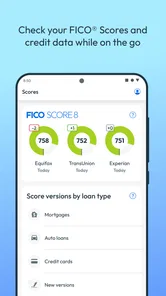
First off, the interface of myFICO: FICO Credit Check is user-friendly, making it a breeze even for those who aren’t tech-savvy. With just a few taps, you can access your FICO scores and reports. It's like having your financial health report card right in your pocket!
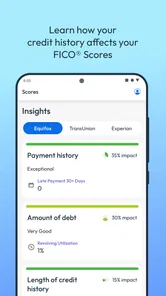
What sets this app apart is the comprehensive nature of the information it provides. Not only do you get to see your scores, but it also gives insights into the factors affecting them. This is gold if you’re trying to figure out what’s helping or hurting your score. Plus, it offers simulation tools that allow you to see how certain actions might impact your score in the future. Pretty neat, right?
More From Our News Desk

 Bolt: Request a Ride
Bolt and the Shift from One-Tap Rides to More Legible Trips
Bolt shows how ride-hailing is shifting from a one-tap taxi request toward a more legible, choice-driven trip, while leaving the hardest questions of price and reliability unresolved.

 Farm Land - Farming life game
Farm Land Review: A Small Island Farm with a Satisfying Loop
A bright, breezy island farm turns a few quick chores into a satisfying cycle of planting, harvesting, expanding, and deciding what to build next.

 Android Auto
’s Community Takes Shape in the Passenger Seat
Its most valuable network is not a public feed but a shared set of routes, voice habits, app integrations, and advice that make driving less isolating—and sometimes more complicated.

 My Talking Angela
 Makes the Virtual Pet Feel Personal
A polished pet-raising game built on small rituals, playful customization, and a character who gives everyday screen time a surprisingly personal rhythm.

 Google Translate
 Review: A Pocket Tool for the Small Frictions of Travel
From menus and signs to quick conversations, Google Translate earns its place by cutting the little delays that make unfamiliar language feel like a barrier.

 Shazam: Find Music & Concerts
Shazam’s Best Trick Is Turning a Song Into a Night Out
A few seconds of recognition can settle an argument, rescue a half-remembered chorus, and point toward a live show. Shazam’s real trick is what happens after the match.
Latest News



Staying Alert
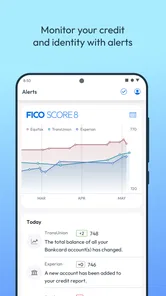
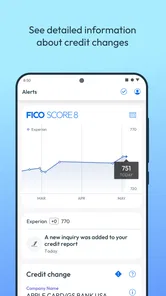
One feature I found particularly useful is the alert system. The app notifies you of any significant changes to your credit report. Whether it’s a new account being opened in your name or an inquiry from a lender, you’ll know about it almost instantly. This real-time alert system is crucial for keeping an eye on potential fraudulent activities.
Additionally, the app offers identity theft protection. In today’s digital age, safeguarding your identity is more important than ever, and myFICO provides peace of mind by helping you monitor and protect your personal information.
When I use credit alerts, I see them as prompts to verify activity, not as a replacement for checking a report carefully. If an alert concerns an account or inquiry I do not recognize, I would review the details and contact the relevant institution through a trusted channel. That extra step is important: an alert can help draw attention to a change, but I still need to judge what happened and decide what action to take.
Educational Resources
For those of us who aren’t financial gurus, the educational resources available within the app are incredibly beneficial. It’s like having a personal finance class at your fingertips. The app breaks down complex financial jargon into digestible, easy-to-understand information. Whether you’re looking to improve your credit score or just understand it better, the guidance provided is invaluable.
The app also offers personalized tips on how to maintain or improve your credit score. These tips are tailored to your personal financial situation, which is a nice touch. It’s like having a financial advisor in your pocket!
Making the information useful
I would get the most from these explanations by checking them alongside the report details, then choosing one realistic habit to focus on rather than trying to change everything at once. For example, if a factor points to revolving balances, I would look at how I use my cards over time and build a sustainable payment routine. A score simulator can help me explore a hypothetical, but I would treat its result as an estimate, not a promise that a lender will see the same change.
This is also where the app differs from a basic score display. A free score offered by a bank or card issuer can be enough for a quick check, while myFICO is more appealing if I specifically want a FICO-centered view and related report information. Neither option replaces reviewing the underlying report, and someone who only wants occasional reassurance may prefer the simpler tool they already have rather than adding another app.
Who will get the most from it
I would recommend trying it if you are preparing for a major borrowing decision, actively learning how credit works, or want to notice changes in your report without checking manually every day. It can also help someone who has found an unfamiliar entry understand why careful monitoring matters. On the other hand, if you rarely borrow, already get the information you need elsewhere, or do not want to manage another account, the extra detail may not justify your attention.
My practical tip is to review a report when you have enough time to follow up, not just glance at a notification while busy. Keep notes on items you want to verify and revisit them after you have checked the source. That turns monitoring into a useful routine instead of a stream of numbers that can create worry without helping you decide what to do.
Planning a useful routine
For a homebuyer, I would use the app as one part of a longer preparation routine rather than a final-minute gatekeeper. Check your report early enough to notice an unfamiliar account or an error, then leave time to investigate it through the appropriate organization. A score view can help you track the broad picture, but the report’s underlying entries are what make the information actionable. This approach is more useful than opening the app repeatedly in the days before an application and reacting to every small movement.
There is also a sensible way to use the simulator without letting it steer every financial choice. I would test one hypothetical at a time, such as changing a balance, and treat the result as a planning aid. I would not borrow, close an account, or spend money simply to chase a predicted score change. The better question is whether the action makes sense for my budget and borrowing goals even if the estimate does not come true.
How it compares with other credit tools
In everyday use, the main alternative is often not another dedicated app but the credit score or report feature already available through a bank or card issuer. That can be more convenient and may be enough if I just want a periodic check. The difference I would look for is whether I specifically want the FICO-focused perspective and the related explanation and monitoring tools described here. A free number from another service can still be useful, but it may not answer the same question or present the same view.
For a person trying to keep costs and app clutter down, using an existing financial account first is a reasonable choice. For someone who wants to spend time understanding report changes and credit factors, a dedicated tool can make that process feel more organized. I would compare the actual information available to me, not assume that two scores are interchangeable simply because both are labeled as credit scores. The point is to choose a view that supports the decision I am making, rather than collect numbers for their own sake.
When alerts help—and when they do not
Alerts are most valuable when I have a clear next step. A notification about an account or inquiry I recognize may simply be a useful reminder to keep track of activity; an unfamiliar one deserves a closer look. I would avoid treating every alert as proof of fraud, because the notification is a reason to verify, not a conclusion. Keeping a note of the date and what I checked can also make follow-up less confusing if I need to contact an institution later.
Monitoring is not the same as resolving a problem. If something looks wrong, I would use the report details to identify what needs attention and then contact the relevant organization using a trusted route. The app can help me notice and understand a change, but I still have to decide what to do about it. That distinction keeps the protection angle useful without giving me a false sense that an alert alone has fixed anything.
Final Thoughts
In the grand scheme of things, myFICO: FICO Credit Check is more than just an app; it’s an essential tool for anyone serious about taking charge of their financial future. Its blend of accessibility, comprehensive features, and educational resources make it a standout in the financial app space.
So, if you’re ready to get proactive about your credit health, this app is definitely worth checking out. It’s a small investment of time that could yield significant benefits in the long run. After all, understanding your credit score is the first step in improving it!
My verdict is to try it if FICO-oriented credit information is what you are looking for, while checking the cost of any specific service before depending on it. The app itself is free to download, but I would not assume that every report or monitoring option has no charge. If all you need is a quick occasional score check, a credit tool already included with a financial account may be enough; if you want a more focused view and will act on what you learn, this is a more compelling choice.
myFICO - Credit Score Tracking Frequently Asked Questions
Is myFICO suitable for someone who has never used a credit-monitoring app before?
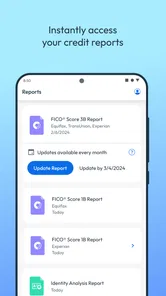
myFICO is a finance app for people who want to check their FICO Score and Equifax credit report in one place. Its score insights, report information, and alerts can help make credit details easier to follow, even if you are new to monitoring them. You can start by reviewing the features and deciding which information is most useful to you.
What features does the myFICO app offer to users?
The myFICO app provides users with access to their FICO credit scores, credit reports, and monitoring services. It offers insights into what factors are influencing your scores, alerts for important changes, and tips on how to improve or maintain your credit health. Additionally, the app provides identity theft protection features and a simulator to predict how financial decisions may impact your credit score.
Is the myFICO app free to use or does it require a subscription?
While the myFICO app itself is free to download, accessing its full range of features requires a subscription. There are various plans available, providing different levels of access to your credit scores and reports, ongoing monitoring, and identity theft protection. Prices vary depending on the plan you choose, so it’s important to review each plan to find one that best suits your needs.
How secure is the myFICO app in protecting personal information?
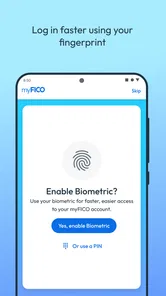
Security is a top priority for the myFICO app. It employs advanced encryption technologies to protect users’ personal and financial information. The app is designed with security measures that comply with industry standards to ensure data protection. Additionally, users can set up two-factor authentication for an extra layer of security when accessing their accounts.
Can the myFICO app affect my credit score when I check it?
No, checking your credit score via the myFICO app does not negatively impact your credit score. The app provides a "soft inquiry," which is different from a "hard inquiry" that occurs when a lender checks your credit for a loan or credit card application. Soft inquiries do not affect your credit score and are not visible to lenders.
Pros
- Comprehensive credit score analysis.
- User-friendly interface for easy navigation.
- Regular credit score updates.
- Detailed report explanations.
- Access to FICO scores used by lenders.
Cons
- Subscription required for full features.
- Limited free features.
- Occasional app crashes reported.
- No real-time credit alerts.
- High subscription cost.