밀리의 서재 - 독서와 무제한 친해지리
- 140.00
- 3.6
- Installs
- 5.00M
- Price
- Free

Screenshots






Analysis by Reviewed
I like the idea of a reading app most when it fits into the small gaps of a normal day, rather than demanding a perfect quiet hour. That is the appeal I see in 밀리의 서재 - 독서와 무제한 친해지리: it puts a large digital reading space on a phone, so a book can come along on a commute, a lunch break, or a slow evening at home. Millieshelf’s Books & Reference app is free to install, has a Teen age rating, and offers in-app purchases, so I’d treat the free entry point and any paid options as separate decisions rather than assume every part of the experience costs nothing.
A book for the gaps in a shared day
Picture a household where one person reads during a train ride, another picks up a book while waiting for dinner, and someone else settles in after the chores are done. A digital library is convenient in that rhythm because the phone is already nearby. I’d use short breaks to sample a title or continue a few pages, then save longer reading for a quieter moment. The practical benefit is not simply carrying many books; it is being able to make reading fit around different schedules.
For households, though, a shared phone or tablet needs a little thought. I would avoid treating one open reading session as a shared family library: separate people can have different tastes, reading histories, and comfort levels about what they read. Before handing a device to someone else, I’d check which account is open and whether the current screen is appropriate for them. That small habit helps keep recommendations and reading activity personal without assuming the app provides family profiles or parental controls.
Setting boundaries on a shared device
If a household has only one suitable screen, I’d agree on a simple handoff routine before making the app part of everyone’s day. The person finishing a session can close the book or return to a neutral page, while the next reader checks the account and reading position before continuing. This avoids the awkward moment of opening a book where someone else left off or exposing a title that was meant to stay personal. It is a household habit, not a setting I would expect the app to enforce.
I would also distinguish between sharing a device and sharing an account. A device can pass from one person to another, but reading histories and recommendations are personal enough that one person’s activity may affect what another sees. If a reader wants their own private choices and consistent recommendations, using their own account and device is the clearer arrangement. If that is not practical, it helps to be candid that the shared setup trades some separation for convenience.
Endless Books at Your Fingertips
One of the standout features of 밀리의 서재 - 독서와 무제한 친해지리 is its vast collection of books. Seriously, it's like having an unlimited buffet of books. Whether you’re into fiction, non-fiction, or something in between, this app has got you covered. You can literally spend hours browsing through genres and discovering new authors. It’s a bookworm's paradise!
User-Friendly Experience
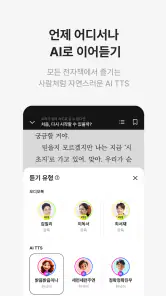
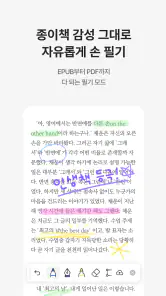
Now, let’s talk about the user interface. It’s sleek, intuitive, and just feels right. You know when you pick up a book, and it just feels good in your hands? That’s the vibe I get with this app. Navigating through it is a breeze. You can easily bookmark your favorite reads, adjust the font size, and even switch to night mode for those late-night reading sessions. It’s all about making your reading experience as enjoyable as possible.
You May Like

Clash of Clans Is Won Between the Battles

Android Auto Makes the Case for Quieter Car Software

MobiOffice: Transforming Mobile Productivity with Seamless Integration

EA SPORTS FC™ Mobile Soccer: Redefining Mobile Sports Gaming

How Microsoft OneDrive Became a Mobile Productivity Giant

How Google Translate Breaks Language Barriers Effortlessly
In a shared home, I’d use bookmarks as personal waypoints rather than rely on memory when switching between books. A useful routine is to leave each reading session with a clear stopping point, then return later instead of endlessly browsing for something new. If several people take turns using one device, agreeing to close a book or return to a neutral screen avoids confusion about what the next person sees. The trade-off is that convenience on a shared screen depends on considerate habits; it is not the same as having separate devices and accounts.
Making reading work around real routines
A realistic use for me would be opening a book while waiting for a train, reading a few pages, and then returning to the same spot later during a break. Font-size adjustment matters particularly in that stop-and-start pattern: I can make a short session easier on my eyes without needing to turn it into a formal reading hour. At home, night mode is a useful choice when I want to read after other people have settled down. These small accommodations make phone reading more workable, though they cannot make a bright, busy setting feel as calm as a quiet room.
One less obvious way I’d use bookmarks is to separate “where I stopped” from “what I want to remember.” When I’m reading in short bursts, marking a passage or leaving a clear point to resume can save me from rereading several pages to regain the thread. I’d still keep expectations modest: a bookmark is a practical aid, not a substitute for notes if I’m studying a subject or need to retain detailed information. For serious reference work, a paper notebook or a dedicated note-taking routine may be better.
Oh, and did I mention the recommendation feature? It’s like having your personal librarian who knows your taste. The app suggests books based on your reading history, making sure you never run out of good stuff to read. It’s pretty spot on, I must say!
Social Reading
Another cool aspect of the app is its community feature. You can join reading groups, share your thoughts on books, and see what others are reading. It’s like having a book club right at your fingertips. This adds a social element to your reading, which is a neat touch. You get to connect with fellow book lovers, discuss plots, and even debate over book endings. It’s the social network for bookworms!
That social side can help a household coordinate without turning reading into a chore. One person might mention a title that sounds good, while another can explore it later at their own pace. I’d still keep discussions spoiler-aware, especially if people in the home are reading at different speeds. Compared with a basic e-book reader, the community element gives you more ways to discover what others enjoy; compared with a physical book club, it is easier to dip in briefly, though it may feel less focused than a planned conversation around one book.
Choosing the right reading setup
If you mainly want a quiet, distraction-free page and already buy or borrow titles one at a time, a dedicated e-reader or a simpler library app may suit you better. Those options can make the choice feel more deliberate and may be preferable if you do not want recommendations or social activity shaping your reading. I’d pick this app when discovery and variety matter more than keeping a short, carefully selected reading list.
A practical tip is to decide what you want before opening the catalog: a light read for a commute, a topic to explore, or a title to discuss with someone at home. That simple intention can keep a broad collection from turning into an hour of browsing. The recommendation feed is useful for finding a next step, but I would treat it as a starting point, not a substitute for choosing based on mood. Readers who prefer print, need a specific title above all else, or dislike reading on a phone may not get much from a digital-first service.
Who benefits most from the format
I think this approach suits curious readers who like moving between subjects or genres instead of committing to a carefully limited shelf. It can also work for someone rebuilding a reading habit: choosing a short session during an ordinary wait feels less daunting than setting aside a large block of time. The trade-off is that easy discovery can become easy distraction. If I find myself sampling one book after another without settling into any of them, I’d choose a title before opening the app and give it a few sessions before browsing again.
For a student or a reader using books for work, I’d judge it by the actual titles and the way they need to use them, not just by the size of the digital collection. A broad reading service is convenient for exploratory reading, but someone who needs a particular edition, a specific book for a course, or a dependable reference workflow should check that the exact material suits the task. If the goal is close study, highlighting and note-taking needs may matter more than a large choice of books. A physical copy or a focused reference tool can be the better fit in that case.
The app has been available since March 14, 2017, and its average rating is 3.6 from around 35,000 ratings, with more than five million installs. Those figures suggest a substantial audience, but they don’t tell me whether its catalog or reading style will match an individual household. I’d also remember that it is rated Teen: that is useful context, not a promise that every title will suit every younger reader. Adults should choose books with the reader’s age and preferences in mind, and talk through shared-device boundaries rather than assume a general age label settles the question.
Age, trust, and household expectations
For a younger reader, I would treat the Teen rating as a starting point for an adult conversation, not as a substitute for knowing the person and the book. Families differ in what they consider suitable, and a broad reading app can bring varied material within reach. I’d help a child choose titles at first, then gradually give them more independence as appropriate. In a shared household, it is sensible to check the book itself and the account currently open rather than assume that everyone’s preferences are interchangeable.
There is a trust question here too: recommendations are shaped by reading activity, so a shared account can blur whose interests they reflect. If a child and adult both use the same account, neither gets a cleanly separate reading identity through ordinary use. I would not treat that as a reason to avoid the app altogether, but I would decide openly whether that compromise feels acceptable. Separate accounts, where available to the household, would be a more natural boundary; the key point is not to assume a family-control feature exists.
What I would check before settling in
For someone deciding whether to try it, the key questions are practical: Is reading on a phone comfortable for you? Do you enjoy discovering books as much as finishing a specific one? Are you happy to keep a shared device’s account and screen use organized? If the answers are mostly yes, the free app is an easy way to explore, while its in-app purchases—priced from $0.49 to $109.99 per item—make it worth checking the cost of anything you choose before buying. If your priority is a particular book, confirm it is available before building a routine around the service.
And if you ever feel overwhelmed by the choices, don’t worry. The app offers curated lists and themes, making it easier to pick your next read. From bestsellers to hidden gems, there’s always something that catches the eye.
In conclusion, 밀리의 서재 - 독서와 무제한 친해지리 is a must-have for anyone who loves books. It combines the joy of reading with the convenience of technology, creating an experience that’s hard to beat. Whether you’re on the commute, taking a break, or simply relaxing at home, this app is your gateway to endless literary adventures. So go ahead, dive into the world of books, and let your imagination run wild!
My household verdict
I’d recommend it most to a reader who likes browsing, wants reading to travel between everyday moments, and enjoys sharing reactions with other book lovers. In a household, it works best when each person respects the account and screen currently in use and chooses age-appropriate reading thoughtfully. I would skip it if I wanted a strictly private, distraction-free device, or if I were only looking for one specific title and did not want to explore a broader service. For me, it is an inviting way to make casual reading easier, provided the household treats shared access with a little care.
A sensible way to decide
My recommendation would be to start with one clear purpose: try it for casual discovery, a commute read, or a book you can discuss with someone at home. Pay attention to whether browsing leads you to something you genuinely want to finish, and whether the screen feels comfortable for the length of your usual reading sessions. If those parts click, the app can become a practical part of a household routine. If you want a highly private, print-like experience, a dedicated e-reader or paper book is likely to be more satisfying.
Overall, I see the strongest case for Millieshelf as a flexible reading option for people who enjoy exploring and can make sensible boundaries around shared devices. It is free to install, while optional purchases mean it is still worth checking what a chosen item costs before committing. With a little coordination, different readers can make room for books in the same busy home; without that coordination, account overlap and browsing distractions can take away from the convenience. I’d try it for discovery and everyday reading, but choose a more focused alternative when privacy, a specific title, or a distraction-free page matters most.
밀리의 서재 - 독서와 무제한 친해지리 Frequently Asked Questions
Can I use 밀리의 서재 if I prefer listening to books rather than reading them?
Yes. 밀리의 서재 includes audiobooks alongside digital books, so it can suit readers who would rather listen. You can explore different genres and choose between reading and listening according to your preference. The app is designed as a reading platform, so audiobook fans can use it for more than just written pages, while the available selection may shape how well it fits your tastes.
What does the Teen age rating mean for 밀리의 서재?
밀리의 서재 carries a Teen age rating, which is useful to keep in mind before installing it for a younger user. The app offers a varied library, and the suitability of individual books or audiobooks can depend on their subject matter. Parents and guardians may want to review the app and the titles a young reader plans to explore, rather than relying on the age rating alone.
Is 밀리의 서재 available for my phone?
밀리의 서재 is an app for Android and iOS, and it requires Android or iOS version 10 or later. It is listed as a Books & Reference app and is rated Teen, so it is worth checking your device’s operating-system version and the age guidance before downloading. The app is free to install, while access to its reading service may involve a subscription.
Who develops 밀리의 서재, and is it widely used?
밀리의 서재 is developed by Millieshelf and is presented as Korea’s largest reading platform. It has more than five million installs and an average rating of 3.6 from around 35,000 ratings. Those figures suggest it has a substantial audience, though individual experiences can differ. If you are deciding whether it suits you, consider the reading options and subscription model as well as its popularity.
What is 밀리의 서재 and how does it work?
밀리의 서재, also known as Millie's Library, is an innovative digital reading platform that allows users to access a vast collection of e-books and audiobooks. By subscribing to the app, you get unlimited access to its library, making it a great choice for avid readers. The app features various genres and categories, ensuring that there's something for everyone. Its user-friendly interface and personalized recommendations enhance the reading experience, making digital reading more accessible and enjoyable.
Pros
- Vast library of books available.
- User-friendly interface.
- Offline reading supported.
- Regularly updated content.
- Affordable subscription plans.
Cons
- Limited to Korean language books.
- App may crash occasionally.
- Requires internet for updates.
- Some books lack proper formatting.
- Limited features in free version.

- Category
- Books & Reference
- Version
- Varies with device