JPay
- 36.05K
- 3.9
- Installs
- 5.00M
- Price
- Free

Screenshots


Analysis by Reviewed
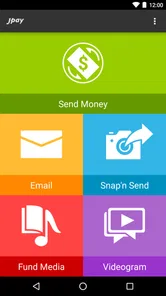
When I assess an app for keeping in touch with someone in custody, I look beyond its list of tools: the important questions are whether it fits the facility’s arrangements and whether it makes routine contact manageable. JPay is a finance app from Jpay Mobile that brings money transfers and communication into one place. It is free, has an Everyone age rating, and has an average rating of around 4.0 from roughly 104,000 ratings. Its current version is 25.2.0, and it has been available since October 15, 2012.
Who will get the most from it?
I see the clearest use for someone who regularly supports a person in custody and wants one place to handle practical payments and communication. Instead of treating money and messages as unrelated errands, the app can make them part of a single contact routine. That convenience matters most when the service is supported for the person and facility involved; without that match, the combined setup offers little advantage.
A realistic routine might be a family member checking in after work, sending a message when there is time to write thoughtfully, then handling a planned transfer separately later in the week. I would avoid doing both in a rush. Before confirming a payment, I’d pause to recheck the recipient and amount, and before sending a message, I’d make sure it is addressed to the intended person. A short pause is useful because these actions have different consequences even though they sit within the same app.
People who only need ordinary banking, everyday email, or casual messaging should probably stick with their usual apps. JPay is specialized, and its value is tied to this particular kind of contact. I would also hesitate to recommend relying on it as the only communication route until the facility’s available services are clear. If a user needs a general-purpose financial tool, a bank app is a more natural fit; if the goal is normal conversation with friends, a standard messaging service is simpler.
The Gateway to Connection
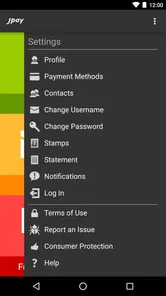
One aspect that immediately caught my attention was how user-friendly the app is. Setting up an account was straightforward, and within minutes, I was navigating through its features. The main dashboard is intuitive, with clearly labeled sections for each service it offers. The design is minimalistic, yet effective, which is a relief when dealing with something as sensitive and important as communication with inmates.
Sending Funds Made Easy
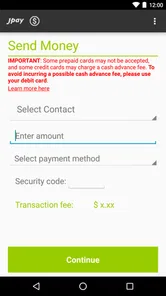
One of the cornerstone features of JPay is the ability to send money. Whether it's for commissary purchases or other needs, transferring funds is just a few taps away. I found it incredibly convenient. The app provides various payment options, ensuring flexibility. Plus, the transaction process is swift, with real-time updates on the status of your transfers. It’s clear that JPay has streamlined this process to make it as painless as possible.
That speed should not replace careful checking. I would review the recipient and payment details before pressing confirm, then keep the confirmation where I can find it. This is especially helpful if I later need to remember whether I completed a transfer or am still waiting for its status to change. I would also treat the transfer as its own task rather than assuming that sending a message at the same time somehow records or explains the payment.
More From Our News Desk

 CapCut - Video Editor
CapCut Power User Guide: Build a Faster, More Repeatable Editing Workflow
CapCut rewards a little setup. Learn the settings, timeline habits, and feature combinations that turn quick phone edits into a repeatable, polished workflow.

 CarX Highway Racing
 Turns Traffic Gaps into Small Victories
A sharp, fast highway racer built around nerve, traffic gaps, and the pleasure of improving one more car. Its best runs are hard to leave unfinished.

 Pou
Pou’s Quiet Comeback Shows the Pull of Small Daily Routines
Pou is resurfacing because its small, low-pressure routines fit a shareable mobile era. The real test is whether care, customization, and mini-games can keep players coming back.

 SHEIN-Shopping Online
How SHEIN Made Browsing a Shopping Habit
SHEIN’s edge is not simply low prices. It is a fast, highly renewable stream of discovery that makes a quick browse feel like the start of a new wardrobe.

 Booking.com: Hotels & Travel
Booking.com Makes Booking Clear, but Finding Your Way Back Is Harder
A close look at how Booking.com guides travelers from a broad search to a confident reservation—and where its busy interface makes recovery harder than it should be.

 MX Player
 and the Small, Private Rituals of Mobile Viewing
A practical video player reveals how mobile viewing has become private, portable, and woven into the spare minutes of ordinary life.
Latest News



Emails and Video Calls
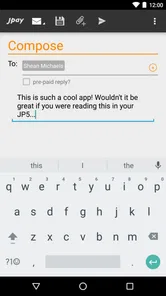
Another fantastic feature is the email system. Writing an email felt just like using any other email service, which is a win in my book. It's comforting to know that despite the circumstances, loved ones can maintain some semblance of normal communication. Video calls, though dependent on the facility’s capabilities, are another modern touch. It's like a mini FaceTime session, allowing for a more personal connection. I can't stress enough how important these features are for maintaining morale and relationships during tough times.
The practical advantage of a message is not just convenience; it gives me a way to communicate when a live conversation is not possible or does not fit the moment. I can take a little time to write clearly, share an ordinary detail from the day, and avoid trying to cover everything in one rushed exchange. Photos can add a more personal element too, but I would first confirm that this option is available in the particular situation rather than planning around it.
For calls, I would think of availability as something to verify before making plans, not as a guaranteed part of the experience. If a conversation is important, I would not leave it to the last minute to find out whether video calling is supported or how it is arranged. When calls are not available, the message and money-transfer functions may still be useful; when the facility does not support the contact method I need, I would look for another approved route instead.
Security and Privacy
In terms of security, JPay doesn't cut corners. The app employs high-level encryption to ensure all transactions and communications are secure. While it's not something one might think about immediately, knowing that your information is protected provides peace of mind. It's one less worry on your plate, and trust me, every little bit helps.
Even with a security-minded service, I would use sensible habits: keep account access private, avoid rushing through payment screens, and check details before sharing personal information or sending funds. The app handles sensitive communication and financial activity, so a moment spent reviewing what I am about to do is more useful than simply assuming that a familiar-looking screen means every detail is correct.
Making the Routine Work for You
The app is most useful when contact and financial support are part of an ongoing routine rather than a one-off task. I would keep the recipient details and payment method carefully checked before sending anything, then save the confirmation for my own records. That small habit matters: a quick transfer is convenient, but accuracy is more important than speed when money is meant for a specific person.
For example, if I planned to write after work and send funds near the end of the week, I would treat those as separate tasks and verify each one before confirming. A message and a transfer serve different purposes, so combining them mentally can make it easier to overlook a detail. Keeping a simple note of when I sent a message or payment also helps me follow up without relying on memory.
One useful way to keep the routine manageable is to decide in advance what each visit to the app is for. I might open it to write a message and leave the payment for another time, when I can check the amount without distraction. If I am helping another family member coordinate contact, I would keep my own notes clear and factual so we do not duplicate a transfer or mistake a planned message for one already sent. These are ordinary organizational steps, but they matter more when the app brings several kinds of activity together.
What Depends on the Facility
JPay is not a universal substitute for ordinary email, messaging, or banking apps. Its usefulness depends on whether the relevant facility supports the service and the particular form of contact you want to use. The app’s mention of email and photos makes it worth considering for people who want more than financial transactions, but I would check what is available for the person I’m contacting before building a routine around any one feature.
The same caveat applies to video calls. I would not plan an important conversation around a call until I knew it was available and understood how it fits the facility’s process. If calls are not an option, messaging and funds may still make the app worthwhile; if the facility does not support the service needed, a different approved channel is the better choice. This facility-specific variation is the main practical limitation I would keep in mind.
This is also the first question I would answer before creating an account or changing an existing routine: does the intended recipient have access to the specific service I need? A general sense that the app supports communication is not enough if I am counting on a particular channel. I would confirm the available options directly through the applicable arrangements, then choose the app functions that match them. That simple check can prevent wasted setup and avoid planning around a feature that does not fit.
How It Fits Among Alternatives
Compared with using a regular bank app for money and a separate email service for correspondence, JPay’s appeal is having these kinds of contact gathered in one place. That can reduce the hassle of switching between tools, especially for a family member handling both practical support and regular communication. The trade-off is that this is a specialized service, not a general-purpose finance or messaging app; I would not choose it for everyday payments or ordinary conversations with people outside its intended setting.
It is also not the right fit for someone who only needs a standard way to message friends, or for a user who expects every communication feature to work in every location. Before relying on it, I would confirm that the intended recipient and facility can use the relevant services. For someone who needs a supported route to send money and stay in touch, that check is worth making; for everyone else, familiar banking and messaging apps are simpler.
The trade-off is not only specialization but also flexibility. A conventional bank app is generally the tool I would reach for when managing day-to-day finances, while an ordinary email service is better suited to broad correspondence. JPay makes more sense when the specific connection it serves is the reason for using it. I would not treat having communication and payments together as a reason to move unrelated financial tasks into it; the benefit is focused convenience, not replacing the rest of a person’s digital life.
A Mature Service, With Practical Questions
JPay has been available since 2012, and its current version is 25.2.0. That history suggests an established product, but it does not by itself tell me how every facility’s arrangements work or what a particular transaction will involve. The app has over five million installs and around 36,000 reviews, signs that many people have used it, though those figures cannot predict an individual experience.
For existing users, the useful question is whether the current app still makes their own regular tasks clear and manageable. If the dashboard changes or a familiar path to a service seems different, I would slow down and review the screen before completing a payment or sending a message. A newer version number signals the app’s current state, but it does not mean every facility offers the same services or that every person’s routine will change in the same way.
The app’s long presence and broad use can be reassuring when deciding whether to explore it, but popularity is not a substitute for checking whether it fits an individual case. The average rating is around 4.0, which gives a rough sense of how users have responded overall, not a promise that every transfer or communication will feel straightforward. I would weigh that general signal alongside the more important practical questions: whether the service is supported, whether the tools I need are available, and whether I am comfortable managing both communication and payments in one place.
If I were helping a first-time user, I would start by confirming the supported services for the recipient, then set up the account and review the transaction details before sending money. I would also ask whether photos or calls are available in that specific situation rather than assuming that an option shown in the app is automatically usable. Those checks answer the most important practical questions: can I contact this person through the service, which tools are available, and what should I verify before paying?
For someone who has already been using the app, I would keep an eye on whether their usual workflow remains clear after changes to the app. I would not assume a change in version means a change in facility access, or that one person’s experience predicts another’s. If something important appears unavailable, I would check the relevant arrangements before repeating a payment or switching to an unfamiliar method. The goal is not to monitor every update obsessively; it is to verify anything that affects a real payment or planned contact.
For existing users, the key thing to watch is whether the current app continues to make the particular services they rely on easy to find and use. The version number is a useful marker of the app’s present state, not a promise that every user’s facility has the same features. I would keep expectations grounded in the arrangements that apply to the person I’m contacting, and treat any change in access or workflow as something to check rather than assume.
My Take on JPay
In a world where staying connected with incarcerated loved ones can be a daunting task, JPay offers a lifeline. The app is a testament to how technology can bridge gaps and bring people closer, even when physical distances seem insurmountable. If you’re looking for a reliable way to maintain those precious connections, JPay is undoubtedly worth considering.
My recommendation comes with one important condition: check the available services for the person you want to reach before making this part of your routine. If the supported options match your needs, bringing messages and financial support together can make recurring contact easier to organize. If you only need general banking or everyday messaging, the usual apps will be less specialized and more suitable. I would choose JPay for the particular connection it is designed to support, and judge its usefulness by how well it fits that real-world situation.
JPay Frequently Asked Questions
Can JPay help me stay in touch with someone who is incarcerated?
JPay is intended to help people stay connected with incarcerated loved ones. Its app summary highlights sending money and sending or receiving emails, photos, and more. Before downloading, consider which services you expect to use and whether they suit your needs. The app is a finance app developed by Jpay Mobile.
What should I know about JPay’s communication features before downloading it?
JPay’s communication options include sending and receiving emails and photos, giving families and friends a way to stay in touch through the app. The particular services available to you can depend on the person and facility involved, so check that the options you need are supported before relying on them. You can also use the app for money-related services.
What should I check before creating a JPay account?
Before downloading JPay, consider whether its communication and financial services fit your needs. The app is designed to help people stay connected with incarcerated loved ones, including through money transfers and messages. JPay is a finance app developed by Jpay Mobile, and it is free to download. Its content rating is Everyone.
What is JPay and what services does it offer?
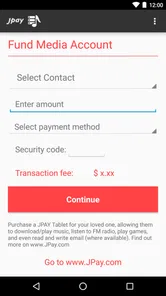
JPay is a comprehensive platform designed to facilitate communication and financial services for individuals incarcerated in the United States. The app offers a range of services including sending money to an inmate's commissary account, purchasing electronic stamps for email communication, and accessing educational programs. Additionally, JPay provides features for video visitation and parole payments, making it a versatile tool for families and friends to stay connected with their loved ones.
How can I send money to an inmate using JPay?
To send money to an inmate using JPay, users must first create an account on the platform. Once logged in, you can select the 'Send Money' option, enter the inmate's ID, and choose the facility where they are located. After inputting the amount you wish to send, you can select a payment method, such as a debit or credit card, to complete the transaction. JPay ensures secure and quick processing of funds, typically within 24 hours.
Pros
- Easy to use interface for sending money.
- Secure platform with encryption features.
- Instant notifications for transactions.
- Wide network of correctional facilities.
- Allows sending emails and photos easily.
Cons
- Limited to certain correctional facilities.
- Fees can be relatively high.
- Occasional app crashes reported.
- Limited customer support options.
- Account setup can be tedious.