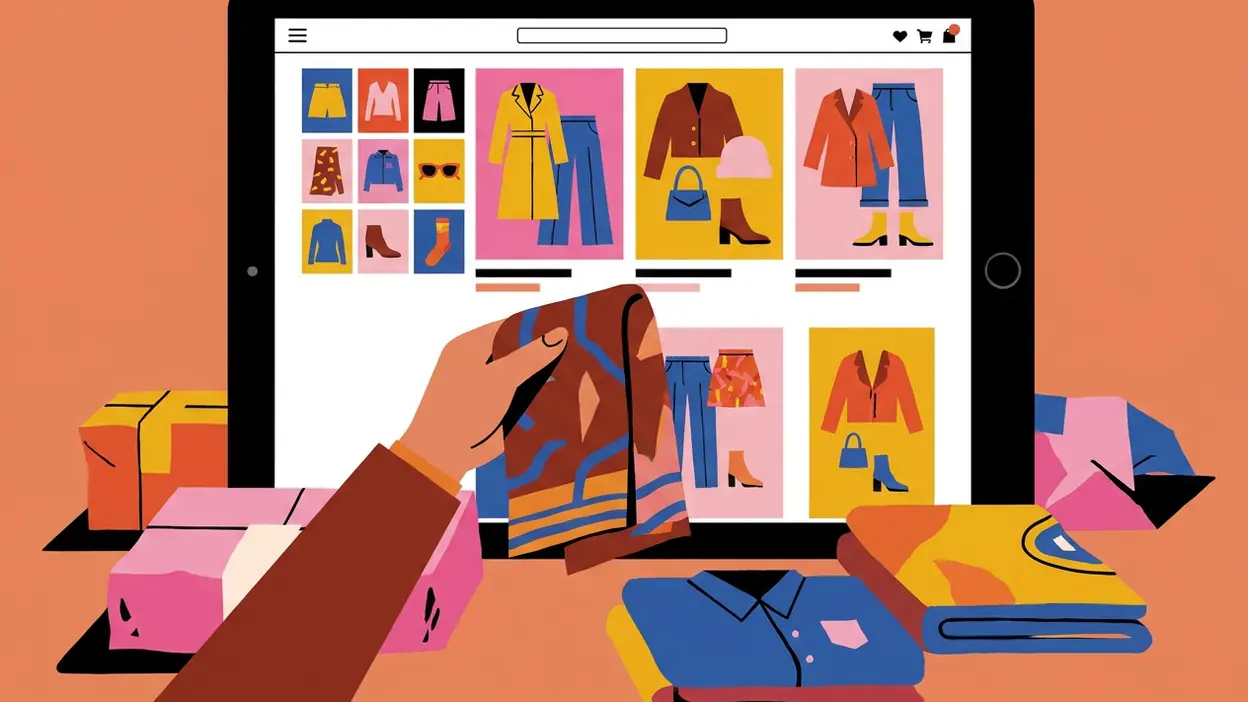
 About SHEIN-Shopping Online
How SHEIN Made Browsing a Shopping Habit
SHEIN has made the ordinary act of checking a shopping app feel less like running an errand and more like seeing what has appeared overnight. That shift is the core of its success. SHEIN-Shopping Online wins attention with an enormous, rapidly refreshed catalog, then converts curiosity into repeat visits through recommendations, promotions, and the promise that the next scroll might surface something better. Its dominance is real, but it rests on a trade: customers accept uncertainty and a busy interface in exchange for low prices and constant novelty.
That trade explains more than any single discount. SHEIN is not just a place to search for a particular top or pair of shoes. It is a place to browse without a settled plan, assemble possibilities, and return later to see what is new. The app’s commercial machinery is visible, sometimes almost too visible, yet its central proposition remains unusually clear: there is always another item, another look, or another reason to keep looking.
Why SHEIN grew so large
Fashion shopping rewards breadth. A shopper may arrive wanting a basic shirt and leave considering accessories, home goods, or a different style altogether. SHEIN puts that breadth on the same screen, with product imagery and category paths designed to make the catalog feel bottomless. The app lowers the cost of exploration: browsing takes seconds, and a low listed price makes adding an item to a wishlist or cart feel less consequential than it would at a traditional retailer.
Its scale also changes expectations. New products appear frequently, while the app organizes them into a steady flow of edits, categories, recommendations, and sale-led collections. A conventional store often asks shoppers to come back when they need something. SHEIN gives them a reason to return even when they do not. That distinction turns shopping from a task into a habit, and it is the more important source of its reach.


Low prices alone are not enough to hold attention; plenty of marketplace apps compete on price. SHEIN’s stronger move is joining price with a recognizable fashion browsing experience. Products are grouped around outfits, aesthetics, and occasions, so discovery can feel more personal than a plain list of unrelated bargains. The app does not need every visitor to know exactly what they want. It can start with a mood and let the catalog do the rest.
What it does better than rivals
Temu also leans hard on deals and discovery, while AliExpress is built around an enormous assortment from many sellers. Their strengths can make a shopping session feel like searching a sprawling bazaar. SHEIN’s presentation is more tightly centered on fashion. The product feed, imagery, and browsing categories create a more coherent sense of style, even though the underlying assortment is vast and uneven.
That focus matters on a phone. A shopper can move between dresses, shoes, jewelry, and styling ideas without feeling that the app has abandoned its main purpose. Wish has long used low-cost discovery as a hook, but SHEIN’s fashion-first structure gives browsing a clearer visual thread. Alibaba.com, by contrast, is a business marketplace; comparing it directly on casual consumer browsing would miss the point. SHEIN is built to make individual shoppers linger.
Latest News



The app also gives customers several ways to approach the catalog. Search works for a specific product; category browsing supports a looser plan; recommendations make the session feel open-ended. This mix is more useful than forcing every shopper into one route. It also lets SHEIN serve both the person replacing a wardrobe staple and the person who just wants to look around.
The design that keeps people scrolling
The stickiness comes from a loop that is simple but well tuned. A user opens the app, sees a fresh set of products or promotions, taps into an item, and is offered more nearby choices. A wishlist can preserve an idea without requiring a purchase. A cart turns browsing into a visible plan. Sale messaging adds urgency, and fresh inventory gives the user a reason to believe that waiting might reveal a better option.
None of those mechanics is unique on its own. Their force comes from being layered across a catalog that always seems to have another angle. A dress leads to related cuts; a category leads to an edit; a promotion sends the shopper back into discovery. The app keeps the next action obvious, so leaving the session takes more intention than continuing it. This is productive design for the retailer, though not always restful design for the shopper.
Promotions are a particularly effective part of the rhythm. Discounts and limited-time offers can turn a casual look into a decision, while app notifications can pull a user back before a purchase is even planned. The result is a sense of movement: the store appears active, and the customer risks missing a deal or a newly spotted item by putting the app aside. That pressure can be motivating, but it can also make the experience feel noisy.
What customers forgive, and why they return
People forgive friction when the exchange feels worthwhile. On SHEIN, that often means accepting a crowded interface, variable product quality, or uncertainty about how an item will look and feel in person. In return, shoppers get low prices, abundant choice, and the chance to experiment with styles they might not risk at a higher price. The app makes trying an idea feel affordable, even when the outcome is not guaranteed.
That bargain has limits. A low price does not erase the need to assess materials, fit, seller information, or delivery expectations. Product pages and customer feedback can help, but shoppers still have to do the work of judging what is dependable. The app’s abundance can make that effort feel like part of the game: compare several options, read reviews, save one, and keep browsing. Yet the more the catalog asks customers to self-police, the less effortless the purchase becomes.
Repeat opens also come from the fact that fashion is never fully resolved. People browse for a coming event, a seasonal change, a new look, or simply a small treat. SHEIN meets those shifting motives with a constantly renewed storefront. Unlike a utility app, it does not have to solve one problem and wait for the next. Its reason to return is the possibility of discovery itself.
Where the cracks show
The biggest weakness is the distance between digital presentation and physical product. Photos can make an item look polished and consistent, while the real garment may vary in fit, fabric, or finish. Customer reviews and sizing details reduce the risk, but they cannot remove it. For anyone who values predictable construction or wants to inspect a garment before buying, the app’s low-price model asks for more trust than a conventional fitting room does.
Choice can become a burden, too. A huge catalog is useful until similar listings blur together and a shopper spends more time comparing than deciding. The busy promotional layer adds another demand on attention. I found the browsing flow compelling, but it is easy to enter with one purpose and end up following a chain of recommendations and discounts that has little to do with it.
There is also a broader tension between rapid fashion turnover and the environmental and labor questions associated with the fast-fashion model. An app can make frequent buying feel frictionless, but it cannot make the consequences disappear. Consumers who want fewer purchases, longer-lasting clothing, or a clearer picture of how goods are made may find that SHEIN’s defining strengths are precisely what make them hesitate.
Who benefits most
SHEIN suits shoppers who enjoy experimenting, are comfortable comparing listings, and value variety and price over a consistently premium feel. It is particularly useful for someone with a flexible style, a modest budget, or a specific occasion in mind who wants to survey many looks quickly. The app can also help a shopper find small accessories or trend-led pieces without committing to a higher-priced store.
It is less persuasive for people who want a short, controlled shopping trip or need confidence in exact fit and material quality. A focused search can still work, but the surrounding recommendations and promotions encourage detours. If a shopper finds those detours entertaining, they are part of the appeal. If the goal is to buy one reliable item and leave, they are overhead.
What keeps competitors behind
Competitors can copy discount banners, recommendation feeds, and endless scrolling. Reproducing SHEIN’s particular mix is harder: a fashion-centered catalog, a steady sense of newness, and a shopping interface that treats browsing as entertainment. Temu may be persuasive for broad bargain hunting, and AliExpress has huge reach across product types, but neither comparison cancels SHEIN’s advantage in making inexpensive fashion feel like an ongoing editorial feed.
That advantage does not make the company invulnerable. A rival could compete through more reliable quality, better curation, or a calmer experience that saves shoppers time. SHEIN’s own scale is a strength, but it also makes consistency difficult. The more products it surfaces, the harder it is for every listing to meet the expectations created by attractive images and low prices.
Does the dominance last?
The habit loop is durable as long as SHEIN can keep the catalog feeling fresh and the value proposition credible. Its strongest asset is not a particular promotion but the expectation of new choices whenever the app opens. That expectation gives the company room to adapt its merchandising and keep customers returning. But low prices and novelty are vulnerable foundations if shoppers increasingly prioritize durability, transparent sourcing, or fewer impulse purchases.
Long-term loyalty will depend on whether SHEIN can make trust part of the experience, not just a task customers handle on their own. Better confidence in sizing, product consistency, and delivery would strengthen the reasons to return without relying so heavily on urgency. Without that improvement, the app may retain casual browsers while losing customers who tire of sorting through uncertainty.
The final judgment
SHEIN-Shopping Online is exceptionally good at making a shopping session begin before the shopper has decided what to buy. Its catalog, fashion focus, and persistent sense of newness combine into a habit that rivals cannot dismiss. The cost is a cluttered, pressure-heavy experience where quality requires scrutiny and the sheer volume can overwhelm the original purpose.
SHEIN’s dominance is therefore less a verdict on the quality of every product than proof of how effectively it turns discovery into a repeat behavior. For bargain-minded shoppers who enjoy exploring and accept the need to judge carefully, it can be useful and entertaining. For shoppers who want dependable quality, a quiet interface, or a more deliberate relationship with clothing, its weaknesses are hard to scroll past. The app has earned its place in the shopping routine, but keeping it there will require more than showing customers something new.