Instant Cash Advance: CashHoop
- 1.35K
- 4.6
- Installs
- 1.00M
- Price
- Free

Screenshots





Analysis by Reviewed
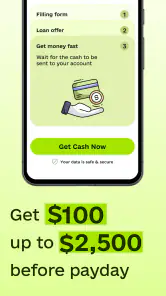
I approached Instant Cash Advance: CashHoop as a practical finance app rather than a general money-management tool. Its purpose is narrow and easy to understand: it is designed to help people request a cash advance, deal with an unexpected bill, or handle tax-related expenses from a phone. That focus can be useful when timing matters, but it also means I would not treat it as a replacement for a full budgeting app, a bank account, or long-term financial planning.
The app is free to install, carries an Everyone content rating, and comes from Biskup Apps. It has reached over a million installs, with a 4.6 average from around 26 thousand ratings and roughly 1.4 thousand written reviews. Those figures suggest that many people have found the basic idea useful, although popularity should never replace checking the actual terms shown to you before accepting any financial product.
How I would use CashHoop from the first screen
The sensible starting point is to treat the app as a short-term decision tool. I would open it only when I already know why I need the money, how much the immediate gap is, and when I expect to be able to cover it. That simple preparation makes the process less impulsive and helps me judge whether a cash advance is genuinely appropriate or merely postpones a larger problem.
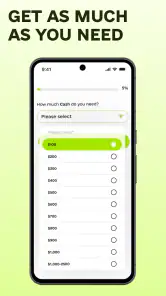
A typical situation might be an unexpected household bill arriving shortly before payday. In that case, I would first write down the bill amount, check the money already available in my account, and then use CashHoop to explore the advance process. I would compare the amount requested with the exact gap rather than asking for extra money “just in case.” Borrowing only what solves the immediate problem is one of the most important habits with an app of this type.
The same approach applies to tax-related expenses. If I were using the app around tax filing, I would separate the cost of preparing or filing taxes from the tax amount itself. These are different obligations, and combining them mentally can make the final repayment picture harder to understand. CashHoop may be convenient for accessing funds, but convenience does not remove the need to plan the total amount that will leave my finances later.
I would also keep the app workflow separate from my everyday spending. A cash advance should not quietly become extra shopping money, subscription money, or a way to maintain a lifestyle that no longer fits the budget. The strongest use case is a defined, temporary shortage with a clear repayment plan. If the same shortage appears every pay cycle, a conversation with a bank, credit counselor, employer, or trusted financial professional may be more useful than repeatedly opening the app.
What to prepare before requesting money
Experienced users can make the process smoother by preparing the information and documents they are likely to need before starting. I would have my identification details, income information, bank details, and the relevant bill or tax information nearby, while still entering everything carefully inside the official app flow. Rushing because a payment is urgent is exactly when small mistakes become expensive or delay a decision.
I would read every screen rather than tapping through based on the button color or the amount displayed most prominently. The important details are the amount, the repayment timing, any applicable cost, and what happens if the plan does not fit my expected income date. If the app presents an offer or agreement, I would save a personal note of the key figures and due date. That creates a simple reference point outside the app and reduces the chance of forgetting what I accepted.
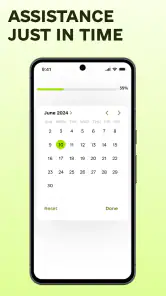
One useful habit is to run the numbers against the next complete pay cycle, not merely the next few days. An advance that solves today’s problem but leaves too little for rent, food, transport, or utilities is not really a solution. I would list those essential expenses first, then decide whether the proposed repayment still leaves enough room. This is a more reliable test than judging the advance by its speed alone.
Settings and phone habits worth checking
Because this is a finance app, I pay particular attention to practical phone settings before using it. I would keep the operating system updated where possible, use a screen lock, and avoid submitting sensitive information over an unsecured public connection. These are not special CashHoop features; they are basic habits that matter whenever an app handles personal financial details.
I would also review notification settings after installation. A reminder about an application status or an upcoming action can be useful, but unnecessary notifications can make financial matters feel more urgent than they are. I prefer to keep useful account-related alerts while disabling promotional or distracting notifications if the phone offers those controls. The goal is to make the app a calm checkpoint, not something that repeatedly pushes me toward borrowing.
Before relying on the app during an emergency, I would confirm that it runs properly on my device. The current version is 1.0.15 and it supports Android 7.0 or later, so compatibility is broad for Android users, but an older phone can still have limited storage, outdated security components, or trouble with modern verification screens. Testing the sign-in and application flow before the urgent moment is a small step that can prevent frustration.
I would never share a verification code with another person claiming to represent support, and I would avoid entering details through a message or a page reached from an unexpected notification. Opening the installed application directly is a safer routine. If something looks different from the normal flow, I would stop and verify the situation through an official support route rather than trying several random links.
Faster patterns that do not sacrifice judgment
The quickest responsible workflow is not simply tapping faster. It is reducing avoidable decisions before opening the app. I would decide the exact purpose, calculate the smallest useful amount, gather the needed information, and reserve enough time to read the final terms. That preparation is especially valuable when the app is being used for a bill due soon, because urgency can make people overlook details.
I would create a repeatable personal checklist with four questions: What expense am I covering? What is the smallest amount that handles it? On what date can I realistically repay it? What essential expense could be affected afterward? Keeping those questions in a notes app or on paper makes each future decision more consistent. It also helps reveal whether the need is occasional or becoming a pattern.
Another efficient habit is to check the app at a deliberate time rather than opening it repeatedly throughout the day. Repeatedly refreshing a financial application rarely improves the underlying situation and can encourage anxious decisions. I would submit information once, monitor the relevant status through the app, and keep my own record of what I am waiting for. This approach is faster in practice because it avoids duplicated effort and confusion.
When using CashHoop for taxes, I would organize the process into separate stages: estimate the obligation, identify the shortfall, review the advance terms, and then set aside the repayment amount. That sequence prevents the advance from being mistaken for income. It also makes it easier to compare the app with alternatives such as a payment arrangement, an existing emergency fund, or a conversation with the tax authority where applicable.
For an unexpected bill, I would compare the app with the bill provider before accepting anything. Some providers offer extensions, installment arrangements, or hardship options that may cost less than borrowing. CashHoop is more attractive when speed and access are the main priorities, but a direct arrangement can be better when it avoids a separate repayment obligation. The best shortcut is therefore a quick comparison, not automatic acceptance.
Where the convenience reaches its limits
The biggest limitation is built into the product’s purpose: a cash advance is short-term help, not a cure for an ongoing income-and-expense mismatch. If I needed money for several consecutive months, I would be cautious about using the app repeatedly. Each new request could make the next pay period tighter, even if every individual request seemed manageable at the time.
I would also avoid assuming that an approval is guaranteed simply because the app is easy to install or widely used. Financial decisions depend on the information and checks involved in the application process. I would enter accurate details, avoid inflating income, and make sure the bank information belongs to me. Incorrect information can create delays or lead to an offer that does not match my needs.
Another limit is that speed can hide the importance of comparison. Before accepting an advance, I would compare its total cost and repayment structure with my available alternatives. A credit card may be cheaper in one situation, an employer advance may be better in another, and a local assistance program may be more appropriate for someone facing a deeper hardship. CashHoop is not automatically the best financial choice just because it is convenient.
Privacy is another reason to slow down. I would consider why each requested piece of information is needed and read the relevant disclosures before proceeding. I would not install the app on a shared phone without understanding how account data and notifications might appear. After finishing, I would sign out if the device is shared and remove saved details that I do not need stored locally.
The app is also not the right choice for someone looking for investment guidance, expense categorization, credit-building education, or a complete monthly budget. Its finance category may sound broad, but the experience is centered on accessing money for immediate needs. For broader control, I would pair it with a separate budgeting method rather than expecting one advance app to show the full health of my finances.
Who gets the most value from it
I see CashHoop as most suitable for an adult who has a specific short-term expense, understands the repayment impact, and values a mobile application for handling the request. The Everyone rating makes the app broadly accessible from a content perspective, but financial responsibility still depends on the user’s circumstances. A simple interface or fast process should not be confused with a risk-free decision.
It can be useful for someone who has already checked alternatives and needs a focused way to address a temporary gap. The tax and unexpected-bill scenarios make the purpose clearer than a general-purpose money app. I especially like the idea of using a written repayment plan alongside the application, because it turns a vague promise to “deal with it later” into a date and amount that can be tested against the real budget.
I would recommend skipping it when the requested money is for recurring groceries, rent, or utilities and there is no realistic way to repay the advance without taking another one. I would also skip it when I am unwilling to read the terms, compare the total cost, or protect my personal information. In those situations, a nonprofit counselor, creditor conversation, community resource, or longer-term budgeting plan is likely to address the underlying issue better.
My verdict after looking at the complete workflow
CashHoop has a clear role: it gives Android users a free, focused way to explore a cash advance for urgent expenses and tax-related needs. Biskup Apps has kept the concept straightforward enough for someone who does not want a complicated financial dashboard. The strong average rating and broad install base show that the approach has connected with many users, but I would still make my decision from the specific offer and repayment details shown in my own situation.
What I value most is the possibility of building a disciplined routine around it: prepare the information, request only the necessary amount, read the agreement, record the due date, and compare the result with less costly alternatives. Those habits matter more than the speed of the first screen. They also make it easier to recognize when the app is solving a one-time timing problem and when it is being used to cover a structural budget problem.
My recommendation is therefore conditional but positive. I would consider CashHoop for a defined, temporary shortfall after checking other options and confirming that repayment will not endanger essential expenses. I would not use it as a standing source of income or as a substitute for budgeting. Used with that boundary, it can be a convenient finance app; used without it, the same convenience may make an already difficult financial cycle harder to escape.
Pros
- Simple application process with minimal paperwork required.
- Useful for handling unexpected expenses between paychecks.
- Clear repayment details are shown before accepting an offer.
- Convenient mobile access without visiting a physical lender.
- May help users with limited traditional credit options.
Cons
- Approval
- loan amounts
- and rates can vary by applicant.
- Fees and interest may make borrowing expensive over time.
- Repayment deadlines can be short and require careful budgeting.
- Not available to users in every state or region.
- Late payments may lead to extra charges or financial stress.

- Category
- Finance
- Version
- 1.0.15