Hooked on Phonics Learning
- 1.72K
- 4.4
- Installs
- 1.00M
- Price
- Free
Screenshots
Analysis by Reviewed
I see Hooked on Phonics Learning as a guided starting point for children who need regular, approachable practice with early reading. Its strongest idea is not that a screen can replace a parent or teacher, but that short lessons, spoken examples, and activities can make it easier to return to letter sounds and early words. I’d consider it when a child benefits from repetition and a clear sequence; I’d look elsewhere for advanced reading, individualized tutoring, or a simple collection of books.
A useful routine, not a magic shortcut
What matters most with an early-learning app is whether it helps a family practise consistently without turning every session into a struggle. I would keep the goal modest: a little focused time, a chance to repeat a tricky sound, and an adult nearby to notice how the child is doing. If the learner is engaged, that is a practical win. If the screen becomes a source of distraction or frustration, stopping is more useful than insisting on finishing a lesson.
That distinction also helps set expectations. A lesson can introduce or reinforce a skill, but real reading involves using it with words and stories beyond the activity. I’d treat the app as one part of a wider routine that includes talking about sounds, reading together, and letting the child try independently. It is most useful when it supports those habits rather than becoming the only place reading happens.
Why Hooked on Phonics?
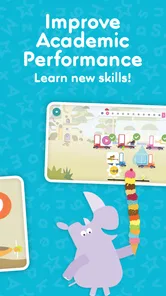
I’ve always believed that learning should be fun, and the Hooked on Phonics Learning app takes this philosophy to heart. From the get-go, the app greets you with a colorful interface that’s both inviting and easy to navigate. It’s like walking into a candy store, but instead of sweets, you’re diving into a world of letters and sounds.
Features that Stand Out
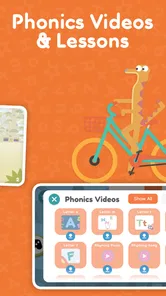
One of the standout features of this app is its structured learning path. Each lesson builds upon the previous one, ensuring a solid foundation. It’s like stacking LEGO blocks; you start with the basics and, before you know it, you’re constructing entire sentences. This methodical approach is perfect for beginners and even those looking to brush up on their phonics skills.
That structure makes it easier to fit practice into a busy day. I’d use a short session while a child is waiting for dinner, then let them revisit a sound or word they found tricky rather than pushing through several lessons at once. The practical benefit is consistency: a small, familiar routine can be less overwhelming than handing a new reader a thick workbook and asking them to work independently.
Another cool feature is the interactive games. These aren’t just any games; they’re designed to reinforce what you’ve learned in the lessons. It’s a fantastic way to test your knowledge while having a blast. Plus, the app rewards you with virtual stickers and badges, adding a layer of motivation to keep you going.
More From Our News Desk

 Bolt: Request a Ride
Bolt and the Shift from One-Tap Rides to More Legible Trips
Bolt shows how ride-hailing is shifting from a one-tap taxi request toward a more legible, choice-driven trip, while leaving the hardest questions of price and reliability unresolved.

 Farm Land - Farming life game
Farm Land Review: A Small Island Farm with a Satisfying Loop
A bright, breezy island farm turns a few quick chores into a satisfying cycle of planting, harvesting, expanding, and deciding what to build next.

 Android Auto
’s Community Takes Shape in the Passenger Seat
Its most valuable network is not a public feed but a shared set of routes, voice habits, app integrations, and advice that make driving less isolating—and sometimes more complicated.

 My Talking Angela
 Makes the Virtual Pet Feel Personal
A polished pet-raising game built on small rituals, playful customization, and a character who gives everyday screen time a surprisingly personal rhythm.
 Google Translate
 Review: A Pocket Tool for the Small Frictions of Travel
From menus and signs to quick conversations, Google Translate earns its place by cutting the little delays that make unfamiliar language feel like a barrier.

 Shazam: Find Music & Concerts
Shazam’s Best Trick Is Turning a Song Into a Night Out
A few seconds of recognition can settle an argument, rescue a half-remembered chorus, and point toward a live show. Shazam’s real trick is what happens after the match.
Latest News


I’d treat those rewards as encouragement, not as proof that a skill is mastered. A useful habit is to ask the learner to say the sound or read a word aloud after a game, then notice whether they can do it without the screen’s prompts. That quick pause helps a parent see whether the activity is sticking, and it keeps screen time connected to actual reading rather than just collecting digital prizes.
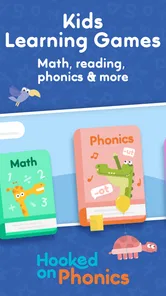
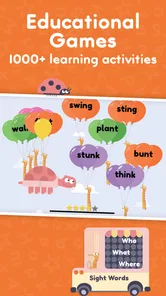
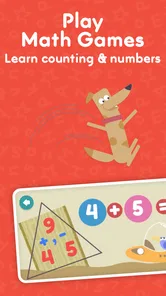
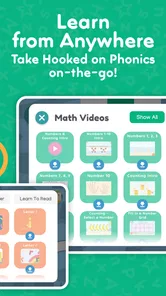
The store describes a library of more than a thousand reading and math lessons, which gives families room to explore beyond phonics. That breadth can be handy when a child is ready to alternate activities, but it also makes it worth choosing a clear purpose before opening the app. If today’s aim is a particular sound, I’d keep attention on that rather than treating the size of the library as a reason to do more in one sitting.
A small practical tip is to let the child explain what they just did in their own words. They might name the sound, point out a word, or tell you which part felt easy. That conversation takes little time, but it can reveal whether they understood the task or were mainly following the on-screen cues. It also gives the adult a natural way to praise effort without making a badge or score the centre of the session.
User Experience
Let’s talk about the user experience. The app is incredibly intuitive, making it a breeze for both kids and adults. The voice narrations are clear and engaging, almost like having a personal tutor right at your fingertips. I particularly enjoyed the “Read to Me” feature, which helps in improving pronunciation and fluency. It’s like having a bedtime story read to you, but with an educational twist!
For a realistic routine, I’d pair that listening time with a few minutes of the child reading aloud themselves. The narration can model how a passage sounds, while taking turns reading gives the child a chance to practise at their own pace. If a learner is tired or reluctant, listening can be a gentler start; it shouldn’t replace reading practice altogether.
In a busy household, I can imagine using it after school while a parent prepares a snack: the child completes one activity, then tells the adult what they practised before moving on to something else. That makes the app a prompt for shared attention rather than a way to occupy a child indefinitely. If an adult cannot sit beside the learner every time, the straightforward presentation may help, but I would still check in regularly to make sure the child is not guessing through activities or getting stuck.
Compared with a printed phonics workbook, an app can make listening and interaction more immediate, while a book avoids device time and makes it easier to write, point, or practise away from a screen. Compared with broad learning apps, Hooked on Phonics is more clearly oriented toward guided reading foundations, even though its lesson offering reaches into math as well. Neither format is automatically better: I’d choose this app for an engaging, repeatable routine, and choose print or shared reading when the child needs a slower pace, fewer distractions, or more direct conversation.
The app is an education product from Hooked on Phonics, and its emphasis on guided phonics makes it a more focused choice than a broad children’s learning app that jumps between many subjects. The wider lesson library also includes reading and math activities, so families can explore beyond phonics. That breadth is useful, but parents looking strictly for an open-ended reading library, a classroom management tool, or a full one-to-one tutoring service may prefer a different option.
It is free to download, with in-app purchases ranging from $0.99 to $79.99 per item, so I’d check what is included before building a routine around paid material. The app is rated Everyone and has a 4.2 average from around 5,100 ratings; it has also passed one million installs. Those figures suggest it has found a substantial audience, but they can’t tell you whether its teaching style suits one particular child.
Because paid items span a wide range, I would explore the free experience first and decide what the child actually uses before considering a purchase. A child may enjoy the format but still need only occasional practice, while another may want more material once a routine takes hold. This is a better way to judge value than assuming a large collection automatically matches your family’s needs. The app’s free entry point lowers the barrier to trying it, but families should keep the purchase range in mind when planning ongoing use.
What to Consider Before Starting
One limitation of a guided learning app is that it cannot replace an adult noticing when a child is confused, bored, or ready to move on. I’d stay nearby at first, especially with a beginner, and use the lesson sequence as a guide rather than a test of how quickly a child should progress. Children who already read confidently may find the foundational phonics work too basic, while reluctant learners who dislike screen-based practice may respond better to a printed book and shared reading.
It is also worth matching the app to the learner rather than assuming every child will respond to the same style. A child who likes hearing a model and repeating a sound may settle into the activities quickly; a child who needs frequent back-and-forth explanation may need an adult to pause and discuss each step. If the learner begins tapping through quickly, losing interest, or becoming tense, I’d shorten the session and switch to a book or conversation instead of treating completion as the goal.
Another trade-off is that screen-based practice can make it tempting to measure progress by visible rewards. I would pay more attention to what the child can recall away from the device: can they recognize the sound later in a book, or try a word without being prompted? That does not require formal testing. A casual moment during shared reading can show whether practice is transferring, and it keeps the experience supportive rather than turning it into an exam.
Families may also wonder whether it suits an older learner who is still developing reading confidence. The app’s phonics focus can be helpful if that learner needs foundational practice and is comfortable with a child-oriented presentation. If they already read smoothly and want longer, more challenging material, I’d choose books or reading resources matched to their interests instead. The key is not age alone, but whether the level and style feel respectful and useful to that reader.
Hooked on Phonics Learning is free, is listed at version 7.3.01, and requires iOS 11 or later. It was released on May 8, 2014, and has received around 1,600 reviews. For a family deciding whether to try it, the key question is less about its age or popularity and more about the learner’s needs: a child who benefits from repetition, spoken examples, and small interactive tasks is a stronger fit than someone seeking advanced reading material.
Those practical details matter before starting: check that the device meets the operating-system requirement, then try a session with the child rather than deciding from the app’s description alone. The rating and review volume offer context about its audience, not a guarantee of an individual result. I’d judge the fit by whether the learner is willing to return to the activities and whether an adult can connect them to reading away from the screen.
Ending Thoughts
In a nutshell, the Hooked on Phonics Learning app is a delightful blend of education and entertainment. It's perfect for those who want to turn reading into a fun adventure. Whether you’re a parent looking to give your child a head start or an adult wanting to improve your reading skills, this app is a fantastic tool to have in your learning arsenal.
So, why not give it a try? Dive into the world of phonics and watch your reading skills soar. Happy learning!
My recommendation is to begin with a short, supervised session and see whether the learner enjoys the pace and responds to the sound practice. If they do, the lessons and games can become a convenient part of a reading routine; if they need more personal feedback or already know the material, a different approach will serve them better. Used with realistic expectations, this is a cheerful, approachable way to add structured practice to a child’s day.
I’d especially recommend it to caregivers who want a ready-made starting point for practising early reading but are happy to stay involved. It is less suitable as a substitute for a teacher’s feedback, a complete reading curriculum, or a library of books chosen around a child’s own interests. Those are different needs, and a focused phonics app should not be asked to cover them all.
My final verdict is positive, with a clear condition: use it as a regular, low-pressure practice companion, not as a promise that reading will become effortless. Give the learner room to repeat, take breaks, and show what they understand without prompts. If the app makes that routine easier in your home, it earns its place; if it creates friction or feels too basic, moving on is a sensible choice.
Hooked on Phonics Learning Frequently Asked Questions
What kind of learning content does Hooked on Phonics Learning offer?
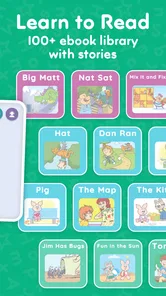
Hooked on Phonics Learning is an education app with reading and math lessons, along with learning games, videos, and books. Its mix of formats can give children different ways to engage with early learning, rather than relying on one style of activity. The app is free to download, with in-app purchases available for additional content or access.
What age group is Hooked on Phonics Learning suitable for?
Hooked on Phonics Learning is designed for children ages 3 to 8, covering preschool through second grade. It offers a structured approach to reading that grows with your child, ensuring they develop the essential skills required at each stage of their early education. The app's engaging lessons and activities cater to different learning paces, making it adaptable for various age groups within this range.
Does Hooked on Phonics Learning require a subscription?
The app is free to download, and it offers in-app purchases ranging from $0.99 to $79.99 per item. Hooked on Phonics Learning operates on a subscription model for continued access to its full range of lessons and features. This allows users to benefit from regular updates and new content that supports their child's learning journey. Check the purchase details in the app before committing, so you can choose an option that suits your family.
Is Hooked on Phonics Learning available offline?
Hooked on Phonics Learning provides some offline capabilities, allowing children to continue learning without an internet connection. However, to access the full range of features and content updates, an internet connection is necessary. This hybrid approach ensures that learning can continue uninterrupted during travel or in areas with limited connectivity.
How does Hooked on Phonics Learning engage children?
Hooked on Phonics Learning uses interactive lessons, games, and songs to engage children and make learning to read fun. The app incorporates colorful animations and characters that capture the attention of young learners. By turning reading into an enjoyable activity, it helps maintain children's interest and motivation, which is crucial for effective learning.
Pros
- Engaging, interactive content for young learners.
- Proven phonics-based reading method.
- User-friendly interface for children.
- Includes a variety of learning materials.
- Tracks progress with detailed reports.
Cons
- Subscription required for full access.
- Limited free content available.
- Requires internet for most features.
- Occasional app crashes reported.
- Some users find it too repetitive.