Finelo
- 2.85K
- 4.6
- Installs
- 500.00K
- Price
- Free

Screenshots

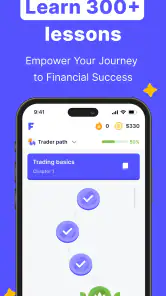
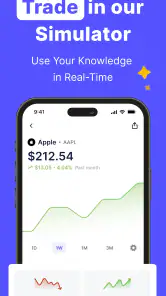


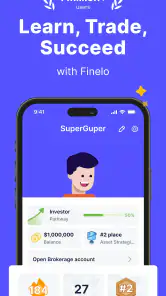

Analysis by Reviewed
Before I decide whether a trading-learning app belongs on my phone, I want to know what kind of trust it asks for. Lessons and chart tools can make unfamiliar ideas easier to approach, but they do not automatically make an app a source of financial advice. With Finelo, I would keep that distinction in view: use it to study, question what you see, and make my own decisions outside the app.
A learning tool, not a shortcut to trading
Finelo is an education app from Zimran Limited that focuses on learning about trading, with AI chart analysis and tools for studying markets. That puts it in a different lane from budgeting apps, which are mainly about household spending, and from brokerage apps, where the central task is placing trades. I’d approach Finelo as a study companion rather than a place to manage money or seek individualized recommendations.
That distinction matters because a confident-sounding chart explanation can still leave important questions unanswered. I’d treat any analysis as a prompt to investigate: What pattern is being described? What might make that interpretation wrong? Does the idea make sense when I compare it with another learning source? This habit is useful even for a beginner, because it makes the tool part of a learning process instead of a substitute for one.
What to check before getting invested
The app is free to install, but in-app purchases range from $9.99 to $99.99 per item, so I’d check the terms of any paid option before committing. A free starting point doesn’t mean every lesson or tool will necessarily be free. Its Teen content rating is also worth keeping in mind for younger learners: trading education can make markets feel approachable, but it should not be confused with a promise of easy returns.
Finelo has a 4.6 average from around 21,000 ratings and more than 500,000 installs. Those figures suggest that many people have tried it, but they don’t tell me whether its teaching style suits my learning habits. I’d use a first session to judge whether explanations are clear, whether chart tools help me understand an idea, and whether the app encourages careful thinking rather than rushed decisions.
For someone deciding whether to pay, I’d make the first test specific rather than browsing aimlessly. Pick one subject you actually want to understand, note what you already know, and see whether the lesson leaves you able to explain the concept in your own words. If a paid option appears, compare what it offers with that concrete learning goal. This is a better value check than buying because a screen suggests that more content must mean faster progress.
Learning with Finelo
For an everyday use case, I can imagine opening the app during a short break, choosing one market concept to study, and then looking at a chart to practice describing what I see. The useful habit is to write down a question before opening an analysis tool, then check whether the tool helps answer it. That keeps AI chart analysis in the role of a study aid rather than treating its output as a trading instruction.
More From Our News Desk

Clash of Clans Is Won Between the Battles

Android Auto Makes the Case for Quieter Car Software

MobiOffice: Transforming Mobile Productivity with Seamless Integration

EA SPORTS FC™ Mobile Soccer: Redefining Mobile Sports Gaming

How Microsoft OneDrive Became a Mobile Productivity Giant

How Google Translate Breaks Language Barriers Effortlessly
Make a short session answer one question
A practical routine could be to spend a few minutes identifying a term or chart feature that feels confusing, then use the lesson and analysis tools to clarify that one point. Before closing the app, I’d summarize the idea without looking at the explanation. If I can’t do that yet, I’d revisit the concept rather than moving on just to complete more material. The point is not to turn every break into a trading session; it is to leave with one clearer question or idea.
I’d also keep a simple learning note outside the app: the concept I studied, what the chart tool appeared to suggest, and what I still need to verify. That small separation helps me notice when I’m repeating an interpretation without understanding it. It also gives me a way to return later and see whether my reasoning has improved, without treating a tool’s output as a record of what the market will do next.
How it fits beside other learning options
Compared with reading general investing articles or watching videos, a dedicated learning app can make it easier to keep lessons and chart study in one place. The trade-off is that a focused app may not offer the breadth or independent viewpoints of several sources. I’d pair it with reputable educational material, especially when a lesson touches on risk, and avoid making real-money decisions solely because a chart explanation sounds convincing.
Compared with a broad online course, a phone-based app is more convenient for brief, repeatable study, but convenience can encourage skimming. Compared with a charting platform, a learning-focused experience may be easier to approach when the goal is understanding vocabulary or analysis, while a specialist platform may be a better fit for someone who already knows what data and tools they need. I wouldn’t choose one format for every task: use short app sessions for learning prompts, longer reading for context, and dedicated market tools only when you can interpret their output responsibly.
Who is likely to get value from it
I’d recommend trying it if you’re curious about trading and prefer guided learning with chart-related tools. It may suit someone who wants to build familiarity gradually, has a few minutes at a time to study, and is willing to question analysis rather than follow it automatically. A learner who likes connecting an explanation to a chart may find that combination more engaging than reading definitions alone.
If you only need a household budget, want personalized financial advice, or already rely on a detailed market-data platform, this may not be the best match. It also isn’t the right choice for someone hoping to turn a quick session into a dependable trading strategy. Beginners who feel pressured by market language may do better starting with a broad, risk-focused educational resource before using chart analysis. The current version is 1.23.7, and the app requires Android 8.0 or later; check that your device meets the requirement before installing.
It is free to download, though paid items can change the overall cost. I’d decide whether a purchase makes sense only after seeing how the free experience supports my own study routine and reading the purchase terms carefully. If you are comparing learning apps, look at the kind of instruction you want, not just the number of tools on the screen: clear explanations and room to think are more useful than features you will not understand or use.
Keeping control of the experience
When an app deals with financial interests, I make a habit of reviewing the choices it presents during setup and before paying for anything. I also pause before entering sensitive information and check what the app is asking me to share at that moment. I wouldn’t assume that chart analysis needs access to bank details, nor would I enter credentials or personal financial information unless I understood why it was needed and was comfortable with the request.
That is a general decision rule, not a claim about a particular permission or data practice. I would read each on-screen request in context, ask whether it is necessary for the action I’m trying to take, and decline anything I don’t understand until I have a reason to proceed. For purchases, I’d review the price and terms at the point of confirmation, rather than relying on the fact that the initial download costs nothing.
That cautious approach is especially useful for a learning tool: try a lesson, test whether the explanations make sense, and decide whether the paid options offer enough value for your own goals. If you’re under 18, involve a parent or guardian before making purchases or acting on financial ideas. I’d treat Finelo as a possible addition to a broader learning routine, while keeping control of spending and trading decisions outside the app.
Questions I would settle during a trial
Would I need to pay to get meaningful learning value? I’d answer that by trying the material relevant to my goal first and checking the in-app purchase details before deciding. Is AI chart analysis a reason to act? No: I’d use it to generate questions for study, then seek context and consider uncertainty rather than treating an interpretation as a signal.
Is it suitable for a teenager? Its Teen content rating makes it relevant to younger learners, but that does not remove the need for adult guidance around spending or financial decisions. Can it replace a course or a specialist charting tool? I wouldn’t expect one app to serve both purposes equally well. It may be convenient for guided exploration, while a course or other independent resources can provide broader context and a specialist platform can suit more experienced analysis.
A cautious verdict for curious learners
First things first, downloading Finelo is a breeze. Available on both Android and iOS, the app installs in a snap, and you’re greeted with a sleek, user-friendly interface. No need to be a tech wizard to get around here. The sign-up process is straightforward, and within minutes, you’re ready to dive into a world of financial wisdom.
That said, I would judge the experience by what I can actually learn from it, not by how quickly I reach the first screen. For me, a useful first visit means choosing a small topic, checking the available choices, and leaving with a clearer understanding rather than a rush to explore every tool. Anyone uncomfortable with financial apps should take the same deliberate approach and stop if a request or purchase does not feel clear.
Organizing Your Finances
Once you’re in, the app offers a plethora of features designed to make financial management a piece of cake. You can easily link your bank accounts, track expenses, and set budgets. The real-time updates mean you’re always in the loop with your spending habits. It’s like having a personal financial advisor in your pocket, without the hefty price tag!
Those claims describe budgeting and account-linking functions, but they do not fit the trading-education role I would rely on here. I would not connect a bank account or enter financial credentials just because I’m studying a chart. If a screen presents such an option, I’d first work out what task it serves and whether it is relevant to my learning goal. For everyday spending oversight, I’d choose an established budgeting tool designed for that job rather than assume a trading-learning app is the right place to organize household finances.
Planning for the Future
One of the standout features of Finelo is its goal-setting functionality. Whether you’re saving for a vacation, a new car, or just trying to build an emergency fund, the app helps you set realistic goals and track your progress. It even sends gentle nudges to keep you on track. Talk about motivation!
For my purposes, I would keep a learning goal separate from a savings target or a trading target. A realistic study goal might be to understand a concept well enough to explain it, not to reach a particular return or make a certain amount of money. That distinction keeps education measurable without implying that completing lessons can guarantee a financial result.
Security and Support
In today’s digital age, security is a biggie, and Finelo gets it. The app uses bank-level encryption to ensure your data stays safe and sound. Plus, if you ever hit a snag, their customer support is top-notch. They’re just a quick chat away, ready to solve any hiccups you might encounter.
I would not rely on broad security assurances without checking the actual choices and explanations shown to me in the app. My own practical safeguards are simpler: keep sensitive credentials out unless a clear, necessary reason is given, review what I agree to, and pause before any payment. That approach does not require assuming a particular permission, policy, or support channel; it keeps the decision with me at the moment it matters.
In conclusion, if you’re looking for a reliable, intuitive, and comprehensive financial app, Finelo should be at the top of your list. It’s more than just an app; it’s a financial companion that makes managing money feel less like a chore and more like an empowering experience. So, why not give it a whirl? Your wallet will thank you!
I’d make that recommendation narrower: try it if your aim is to explore trading education and you are comfortable evaluating explanations critically. I would skip it for budgeting, individualized advice, or a shortcut to confident trades. The most sensible way to test whether it suits you is to begin with one learning question, pay attention to what the app asks you to do, and decide for yourself whether its teaching is worth continuing.
Finelo Frequently Asked Questions
What should I know about Finelo before downloading it?
Finelo is an education app from Zimran Limited, released on Sep 29, 2024. Its focus is trading learning, and the app’s store description presents it as an all-in-one platform with AI chart analysis and expert tools. It is rated for a teen audience. Consider whether you are looking for trading education and analysis features before installing it.
Can I try Finelo without paying, and what might cost extra?
Finelo is free to download, but it also offers in-app purchases. Those purchases range from $9.99 to $99.99 per item, so it is worth checking the purchase details shown in the app before choosing any paid option. The free download gives you a chance to explore the app, while paid features may be relevant depending on what you want from the learning tools.
What kind of learning experience does Finelo provide?
Finelo is an education app focused on learning about trading. It is presented as an all-in-one trading learning platform, with AI chart analysis and expert tools intended to support users as they explore financial markets. It may suit someone looking for learning resources and analysis features in one app, though it should be treated as an educational aid rather than a guarantee of trading success.
Who develops Finelo, and what should new users know about its audience?
Finelo is developed by Zimran Limited and is intended for a teen audience and older users. Its focus on trading education means the material may be most useful to people who want to build familiarity with charts and market concepts. As with any financial education app, users should consider their own experience and make careful decisions before applying lessons to real-world trading.
What is Finelo and what does it offer to its users?
Finelo is a comprehensive financial management app designed to help users track their expenses, create budgets, and achieve their financial goals. The app offers a user-friendly interface, robust analytics, and personalized financial advice. It integrates with various bank accounts to provide real-time updates on spending and savings, making it a valuable tool for anyone looking to improve their financial health.
Pros
- User-friendly interface
- easy to navigate.
- Comprehensive financial management tools.
- Customizable budgeting features.
- Real-time expense tracking.
- Secure data encryption.
Cons
- Limited free version features.
- Occasional syncing issues.
- Requires account linking.
- Ads in free version.
- No offline mode.
- Category
- Education
- Version
- 1.23.7











