Debbie Rewards
- 3.95K
- 4.9
- Installs
- 100.00K
- Price
- Free

Screenshots

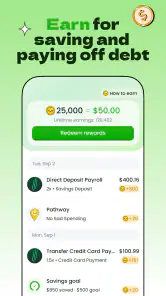
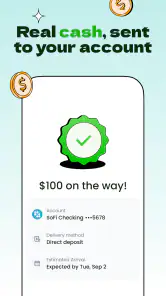
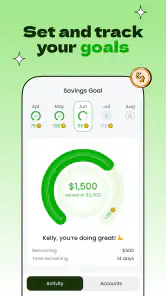

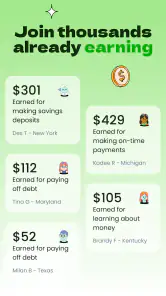
Analysis by Reviewed
I’m usually cautious about rewards apps because a flashy promise can hide a lot of effort between earning something and actually using it. Debbie Rewards has a clearer appeal: it puts the idea of earning rewards alongside paying off debt and saving. That combination makes it interesting to people who want everyday money decisions to feel more rewarding, but it also means I’d approach it as a supporting tool—not a replacement for a budget or a proper debt plan.
Rewards with a financial purpose
A different reason to open a rewards app
Debbie Rewards is a free finance app from Debbie Inc. Its central draw is the connection between rewards and personal financial goals. Rather than treating points or perks as the whole point, it frames rewards around paying off, saving, and earning. I find that more motivating than an app that offers incentives without giving them any connection to what I’m trying to accomplish.
The distinction matters in real life. If I’m trying to build a savings habit or make progress on a balance, a reward can provide a small nudge to stay engaged. It won’t make a difficult financial goal easy, and it shouldn’t be mistaken for a meaningful return on its own. The useful question is whether the reward structure helps me keep doing something sensible that I already intend to do.
That makes the app’s appeal less about chasing every possible perk and more about keeping a financial goal in view. I’d use it with a specific purpose in mind—for example, encouraging myself to follow through on a regular savings routine—rather than expecting it to find spare money or solve a debt problem for me.
What the focus changes in day-to-day use
With a conventional cashback or loyalty app, I tend to judge the experience by how quickly I can spot an offer and whether the payoff is worth changing my habits. Debbie Rewards invites a different test: does the rewards angle reinforce a healthy money decision? That is a more promising use of incentives, although the value still depends on the actual steps the app asks a person to take and whether those steps fit their finances.
My practical advice is to decide on the goal before getting drawn into the reward side. If I’m saving for a near-term expense, I’d keep the amount and timing of that plan clear outside the app too. If I’m paying down debt, I’d prioritize the repayment terms and avoid treating a reward as a reason to spend more, borrow more, or delay a payment. A reward is most useful when it supports a financial choice I would make anyway.
The app has an average rating of 4.9 from around 15,000 ratings, with roughly 3,900 written reviews, and has passed 100,000 installs. Those figures suggest that it has found an audience, but they don’t tell me whether its approach suits every person’s finances. I’d still judge it by how comfortably its reward model fits my own goals and routines.
More From Our News Desk

Clash of Clans Is Won Between the Battles

Android Auto Makes the Case for Quieter Car Software

MobiOffice: Transforming Mobile Productivity with Seamless Integration

EA SPORTS FC™ Mobile Soccer: Redefining Mobile Sports Gaming

How Microsoft OneDrive Became a Mobile Productivity Giant

How Google Translate Breaks Language Barriers Effortlessly
How I’d fit it into a routine
I wouldn’t make a rewards app the center of my money management. I’d treat it as a prompt I check at a convenient moment, then keep the core decisions—what I can afford, what I owe, and what I want to save—grounded in my own budget. That separation helps prevent a common trap: letting an incentive set the agenda instead of using it to reinforce an agenda I chose.
One useful workflow is to review a financial goal first, then open the app and see whether its reward-oriented approach makes that goal easier to stick with. If the app’s activity would require a purchase or a financial commitment I hadn’t planned, I’d skip it. If it fits a routine I already follow, the extra motivation may be worthwhile. This simple check keeps the reward from becoming a reason to spend.
Another sensible habit is to avoid counting a potential reward as guaranteed progress in a budget. I’d plan around money I know I have, not around incentives whose timing or conditions may affect when they are useful. That distinction is especially important for anyone managing tight cash flow: a reward can feel encouraging, but it should not be used to justify a bill payment or repayment plan that otherwise doesn’t work.
Where it may help—and where it may not
A realistic fit would be someone who already wants to improve a savings or repayment habit and likes having a reward-based reason to stay engaged. For instance, imagine I’m trying to keep a regular amount aside after payday. I could use the app as an extra nudge to stay focused on that goal, while continuing to track the actual money in my bank account separately. The benefit is the added motivation; the discipline and affordability still come from my own plan.
It’s less suitable if I want a full-featured budgeting system, an investment platform, or a substitute for advice about serious debt. The app’s financial framing may sound broad, but rewards alone cannot show whether a repayment strategy is optimal or whether a budget is realistic. If I need detailed expense categories, a clear debt schedule, or direct control over financial accounts, I’d choose a dedicated tool designed for that job and use rewards only as a secondary extra.
There’s also a tradeoff common to incentive-based finance products: I have to decide whether the attention and effort they require are worth what I get back. If I find myself checking repeatedly or changing spending habits just to pursue a perk, the system is working against my broader goal. I’d set a limit on how much time I give it and keep the decision rule simple: no reward should make a purchase worthwhile that I wouldn’t otherwise make.
Questions I’d settle before relying on it
Is it a budgeting app? I’d think of it first as a rewards-focused finance app, not assume it replaces a budget. I would keep my main spending plan somewhere I can review clearly, especially if I have several bills or balances to manage. That way, the reward experience can encourage progress without becoming the only place I look to understand my finances.
Can it help with debt? Its focus includes paying off, which makes it relevant to someone working toward repayment. But I wouldn’t treat an incentive as debt advice or assume it changes the underlying terms of a balance. I’d continue following the lender’s payment schedule and use a trustworthy repayment plan; the app’s role is best understood as encouragement around that effort.
Is it worth trying if I already use cashback apps? That depends on what I want from them. If my priority is comparing purchase offers, a conventional cashback service may be more direct. If I’m more interested in connecting rewards to saving or repayment habits, Debbie Rewards has a more relevant angle. I wouldn’t keep both by default: I’d compare the time and attention each one takes against the practical value I actually receive.
Who should avoid it? Anyone hoping for guaranteed financial improvement without changing habits should keep expectations modest. It is not a shortcut around budgeting, and rewards are not a reason to make a purchase or take on debt. People who prefer a simple bank account and have no interest in incentive programs may find the extra layer unnecessary.
A measured recommendation
Debbie Rewards is available for free, is rated for Everyone, and is currently at version 2.6.36; it was released on February 15, 2023, and supports Android 7.0 or later. Those details make it accessible to a broad range of Android users, while the app’s main appeal remains its effort to connect rewards with financial progress rather than treating rewards as an end in themselves.
I’d recommend giving it a look if a reward-based nudge could help you stay consistent with a goal you already understand and can afford. I’d skip it if you need rigorous budgeting, direct financial guidance, or a way to make debt disappear. The most sensible way to use it is as a small companion to a real plan: keep your spending decisions independent, check whether the rewards fit your routine, and stop if chasing them distracts you from the goal. For the right person, that focused role is a genuine reason to try Debbie Rewards; for everyone else, a straightforward budget or a more targeted finance app may be the better choice.
A low-friction test before you commit
I’d approach the first few uses as a trial of fit, not a test of how much I can earn. Pick one existing goal—such as putting aside part of a paycheck or staying on track with a repayment—and notice whether the app’s reward framing makes that routine easier to return to. If it adds motivation without changing the amount you planned to save or pay, it is serving a useful purpose. If it makes you rethink purchases or spend time pursuing incentives, that is a sign to step back.
This also helps answer a practical question: does a rewards-focused app need to become part of every money task? In my view, no. I’d check it at a natural point in the week, perhaps while reviewing the budget, rather than opening it whenever I make a purchase. That keeps the reward element attached to a deliberate financial routine instead of turning it into another stream of prompts competing for attention.
How it differs from everyday money tools
Compared with a spreadsheet or basic budgeting app, Debbie Rewards is more about encouragement than detailed oversight. A spreadsheet gives me control over categories, dates, and calculations, but it rarely makes the routine feel rewarding. A cashback app, meanwhile, is usually most relevant when I’m deciding where to shop. Debbie Rewards occupies a different lane by connecting incentives with saving and paying off goals, so I’d consider it a companion rather than a substitute for either tool.
That distinction matters if you’re trying to choose just one finance app. If your main problem is not knowing where your money goes, start with budgeting. If you already have a plan but struggle to stay engaged, a rewards-oriented approach may be more appealing. And if you mainly want discounts on planned purchases, a conventional cashback or retailer loyalty app may be simpler. The right choice depends less on which app sounds more generous and more on the specific point where your routine breaks down.
Small safeguards that make the idea work
One trade-off worth keeping in mind is mental accounting: a reward can feel like “extra” money even when it arrives with conditions or doesn’t match the timing of a bill. I’d keep rewards separate from essential cash-flow decisions until they are actually usable. That prevents an encouraging balance or expectation from quietly becoming part of a budget it cannot reliably support.
I’d also decide in advance what counts as success. It might simply be following a savings habit for a while, rather than maximizing rewards. That standard is useful because it keeps the goal measurable in everyday terms without turning the app into a competition. If I’m making progress on the financial behavior I chose, the app is helping; if I’m doing extra activity for the sake of the reward alone, I’d reconsider whether it deserves my attention.
For someone who already has a clear plan but wants a little more reinforcement, Debbie Rewards offers a focused reason to give a rewards app a try. For someone who needs precise spending visibility, tailored debt guidance, or a tool that handles core banking tasks, I’d look elsewhere first. Its value is in the motivational layer, and I’d keep that layer firmly secondary to decisions based on what I can actually afford.
Debbie Rewards Frequently Asked Questions
What is Debbie Rewards, and how does it work?
Debbie Rewards is presented as a rewards app, but the exact earning options and redemption rules can vary by the version and region available to you. Before relying on it for a particular reward, review the app’s current description and in-app terms. These explain what activities qualify, how progress is tracked, and whether rewards are provided directly by Debbie or by participating partners.
How can I earn rewards in Debbie Rewards?
The ways to earn depend on the offers and features currently shown in Debbie Rewards, so check the app before assuming that a specific activity will earn points or money. Read each offer’s eligibility requirements, completion steps, and deadlines carefully. If an offer does not track correctly, keep relevant confirmation details and use the app’s official support channel rather than repeating a purchase or sharing sensitive information.
How do I redeem rewards, and are there minimum requirements?
Redemption options, minimum balances, processing times, and any fees are details that can change, so confirm them in the app’s rewards or account section before spending time completing offers. Some rewards may require identity, payment, or account verification, while others may be limited by location or availability. Check expiration dates and withdrawal conditions, and never treat displayed reward progress as a guaranteed payout until the terms are met.
Is Debbie Rewards free, and what information does it collect?
Check the current store listing and privacy policy to learn whether Debbie Rewards is free to download and whether any optional purchases or paid activities are involved. Like many rewards services, it may request account details and permissions needed for its features; the exact data collected depends on the app version and your use. Review permissions before granting access, and avoid entering financial or personal information unless the purpose is clear.
Is Debbie Rewards available on my device and in my country?
Availability can depend on your country, device, operating system, and the app’s current distribution status. Search for Debbie Rewards in the official Google Play Store or Apple App Store, and check the developer name, supported requirements, and recent update information before downloading. If the listing is unavailable in your region, avoid unofficial installation files or links, since they may be outdated, altered, or unsafe.
Pros
- Earn rewards by completing eligible purchases and activities.
- A straightforward way to keep track of available offers.
- Rewards can make regular shopping more worthwhile.
- The app may provide access to deals in one place.
- Useful for shoppers who frequently visit participating retailers.
Cons
- Offers and participating stores may be limited by location.
- Some rewards may require meeting minimum purchase conditions.
- Points or rewards may expire if they are not used in time.
- Earning rewards can require sharing personal or purchase information.
- The value of rewards may be modest compared with spending required.
- Category
- Finance
- Version
- 2.6.36