CorrectPay
- 444.00
- 3.6
- Installs
- 500.00K
- Price
- Free

Screenshots
Analysis by Reviewed
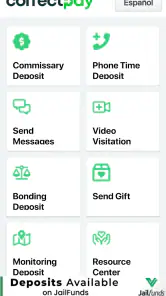
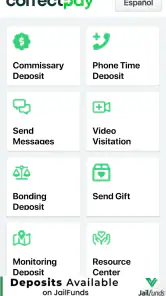
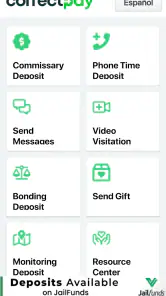
Sending money or arranging a video visit for someone in jail is not a normal communication task. It often happens under pressure, with limited time and very little room for a failed payment or missed appointment. CorrectPay is built around that narrow but important problem. It is a free communication app from Tyler Technologies, Inc that brings commissary deposits and video visits into one mobile place. After using it, I see its main value less as “another messaging app” and more as a practical bridge between families and people in custody.
The central benefit is convenience in a situation where convenience matters. Instead of searching for separate services for financial support and remote contact, I can begin with one app designed for both jobs. That does not make the process effortless, because jail-related services still depend on the facility and the details connected to the person in custody. However, having one starting point makes the experience easier to understand than juggling unrelated websites, phone numbers, and payment pages.
The app is listed as free and suitable for Everyone, which makes it approachable for relatives who may not be especially comfortable with technology. It belongs to the Communication category, although its purpose is much more specific than ordinary chat or social networking. It was released on March 8, 2021, and has grown to over 500 thousand installs. Its average rating is 3.6 from around 1.3 thousand ratings, with roughly 444 written reviews, so the public response suggests a useful service that can still produce frustration in real situations.
CorrectPay in everyday use: from support to a scheduled visit
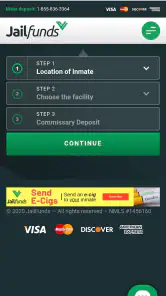
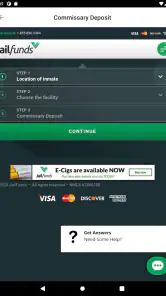
Starting with the right person and facility
The first practical challenge is making sure I am working with the correct facility and incarcerated person. This is more important than it sounds. A similar name, an incorrect identification detail, or choosing the wrong location can turn a simple deposit into a support request. I would prepare the person’s information before opening the app, rather than trying to remember everything while moving through the process.
This preparation is one of the most useful habits with CorrectPay. I keep the facility name, the person’s identifying information, and my own payment details ready. I also check whether the intended service is a commissary deposit or a video visit before proceeding. Treating those as two separate tasks prevents me from assuming that completing one automatically prepares the other.
The app’s combined purpose is helpful here. A family member might first open it because someone needs funds for commissary, then return later to arrange a remote visit. That repeated use is where the app makes the most sense. It gives the user a familiar place to begin instead of forcing them to learn a completely different service for every form of contact.
Making a commissary deposit
A commissary deposit is usually about supporting daily needs rather than having a conversation. CorrectPay’s role is to make that support available through a phone. I like the fact that the financial action sits beside the visit function, because both are connected to the same relationship even though they serve different purposes.
You May Like

Clash of Clans Is Won Between the Battles

Android Auto Makes the Case for Quieter Car Software

MobiOffice: Transforming Mobile Productivity with Seamless Integration

EA SPORTS FC™ Mobile Soccer: Redefining Mobile Sports Gaming

How Microsoft OneDrive Became a Mobile Productivity Giant

How Google Translate Breaks Language Barriers Effortlessly
My advice is to slow down at the confirmation stage. Check the selected recipient and facility, review the amount, and make sure the transaction is intended for commissary rather than another account or service. In a stressful moment, the temptation is to tap through quickly. That is exactly when a careful pause is worthwhile.
There is also an important emotional distinction. A deposit can be useful even when a video visit is not possible. Perhaps the family member has a busy work schedule, limited internet access, or cannot arrange a suitable private space for a call. CorrectPay is therefore not only a visiting tool; it can support contact indirectly when a live conversation is impractical.
Joining a video visit
The video-visit side is the more personal part of the app. It can reduce the distance created by incarceration, especially for relatives who cannot travel regularly. A remote visit may help a child, older relative, or working family member maintain a connection without turning every visit into a full-day journey.
I would not treat the app as a replacement for an ordinary video-call service. Apps such as FaceTime, Google Meet, or WhatsApp are designed for flexible conversations between people who can contact one another freely. CorrectPay operates within a controlled correctional setting, so the visit depends on the facility’s arrangements and the person’s eligibility. Its strength is not freedom; its strength is being aimed at a type of visit that general-purpose apps cannot provide.
Before relying on a scheduled conversation, I would confirm the visit details inside the app and allow time to deal with sign-in or device problems. A video visit has more consequences than an ordinary missed call. The other person may have been waiting for that contact, and the available appointment may be difficult to replace. Using a stable internet connection and a quiet room is basic advice, but here it directly affects whether the visit feels worthwhile.
A realistic family scenario
Imagine a relative who works shifts and lives several hours from a county jail. On payday, that person opens CorrectPay to send commissary support. Later, rather than arranging travel, they use the same app to prepare for a video visit on a day off. The value is not that every step becomes instant. The value is that the financial support and personal contact are handled through one recognizable workflow.
In that situation, I would use a small checklist: confirm the facility, verify the recipient, review the deposit before submitting it, and then handle the visit as a separate appointment. I would also avoid waiting until the last possible moment. The app can organize access to the service, but it cannot remove facility schedules, identity checks, connection problems, or restrictions that belong to the correctional system.
Where the app saves effort—and where it does not
The biggest time saving comes from reducing the number of places I need to remember. That matters for families who make recurring deposits or visit regularly. A single app can also make it easier to explain the process to another family member who is helping with support.
Still, CorrectPay is not a universal solution for every communication need. It is not the right choice for casual messaging, group calls, or keeping in touch with friends outside custody. If I only need ordinary video chat, a mainstream communication app will usually be simpler and more flexible. CorrectPay becomes relevant when the recipient is in a jail environment and the facility uses the service for deposits or video visits.
The tradeoff between a focused service and a general app
Specialization is both the app’s advantage and its limitation. A general video platform offers familiar controls, broad contact options, and fewer institutional steps. CorrectPay offers a path tailored to commissary and correctional video visits, but that path is necessarily more dependent on the facility and the rules surrounding the incarcerated person.
This dependency can feel like an app problem even when the real limitation is outside the app. A visit may not work as expected because of scheduling, account details, facility procedures, or the other person’s availability. I think users should approach CorrectPay with realistic expectations: it is a tool for accessing a controlled service, not an independent communication channel that can override those conditions.
The rating of 3.6 gives a fair warning about that mixed experience. It is not a sign that the app has no value, especially because the service addresses a difficult need. It does suggest that users should be patient with account setup and careful with each transaction. When an app handles something as sensitive as family contact and financial support, even a small point of friction feels significant.
Privacy and practical caution
I would use CorrectPay deliberately rather than casually. Before handing the phone to a child or another family member, I would make sure the correct account is open and that payment information is not exposed unnecessarily. I would also avoid using a shared device for this kind of task unless I can sign out and protect the account afterward.
Keeping records is another sensible habit. I would note the date, recipient, facility, and purpose of each deposit in my own private records. That is useful for household budgeting and for resolving confusion later. It also separates personal bookkeeping from the app, which is helpful if several relatives contribute to the same person’s support.
Who benefits most from CorrectPay?
The strongest audience is a family member or close friend who needs a direct way to support someone in jail and may also want remote contact. It is especially useful for people who live far away, cannot travel often, or need to fit visits around work and caregiving. The free download lowers the barrier to trying it, while the Everyone age classification makes it less intimidating for households with different levels of technical experience.
It can also help a relative who has never dealt with correctional communication services before. The app gives that person a clear starting point instead of requiring them to understand the entire system immediately. I would still recommend learning the facility’s own expectations, because the app cannot explain every local procedure simply by being installed.
People who should skip it are those looking for ordinary private messaging, broad social communication, or unrestricted video calls. It is also a poor fit for someone who expects one app to guarantee a visit regardless of facility availability. In those cases, a conventional communication platform—or direct contact with the relevant facility—may be more appropriate.
Connectivity shapes the experience
Both main tasks rely on being able to reach the service at the right time. For a deposit, I would avoid starting while moving between weak-signal areas or when I cannot check the confirmation carefully. For a visit, connection quality matters more because interruptions can break the conversation. A stable location and a charged phone are small preparations that reduce avoidable stress.
If a screen seems slow or a step does not complete, I would pause before repeating a payment action. First check whether the transaction or visit appears to have gone through; submitting the same request again too quickly could create confusion. If the issue is with a scheduled visit, I would preserve the appointment details and use the relevant facility or service support route rather than assuming that a second attempt will solve it.
My final view after weighing the experience
I see CorrectPay as a focused utility with a meaningful purpose. Its best feature is the way it connects two practical forms of support—commissary deposits and video visits—without asking families to begin from completely unrelated services. That can make a difficult routine more manageable, particularly when the same person needs to provide financial help and maintain emotional contact.
At the same time, I would not call it frictionless. The user must pay close attention to facility and recipient details, prepare for the possibility of technical or scheduling trouble, and remember that correctional procedures shape the experience. The moderate public rating reflects that reality better than an overly enthusiastic recommendation would.
For the right user, the app is worth trying because its purpose is specific and practical. I would recommend it to someone whose loved one’s jail uses it for these services, especially if distance makes in-person visits difficult. I would not recommend installing it merely as a general communication app. CorrectPay is most valuable when it turns a complicated family responsibility into one repeatable mobile routine.
CorrectPay Frequently Asked Questions
Can I use CorrectPay to make commissary deposits for someone in jail?
CorrectPay is designed to help people make commissary deposits for loved ones in jail. It is a communication app from Tyler Technologies, Inc, with a focus on practical ways to stay connected. Before making a deposit, check that the intended facility and recipient are available in the app and carefully review the details entered so the payment is directed correctly.
Can I join video visits through CorrectPay?
Yes. CorrectPay’s purpose includes helping users join video visits with loved ones in jail, as well as making commissary deposits. It may offer a convenient way to handle these activities from a mobile device. Check the app for the options available for your loved one and facility, and follow any instructions shown before starting a visit.
What is CorrectPay and what can I use it for?
CorrectPay is a digital payment application designed to help users manage everyday financial transactions from a mobile device. Depending on the services available in your country, it may support features such as sending or receiving money, paying bills, checking transaction activity, or managing linked payment methods. Before downloading, review the official feature list because availability can vary by region, account type, and local regulations.
Is CorrectPay safe to use for payments and personal information?
CorrectPay may include standard security measures such as account authentication, encrypted connections, transaction confirmations, and protection for stored payment information. However, no financial application is completely risk-free. Use a strong, unique password, enable any available two-factor authentication, avoid public Wi-Fi for sensitive transactions, and download the app only from an official store. Never share verification codes or login details with anyone.
Does CorrectPay charge fees for transfers, payments, or withdrawals?
The cost of using CorrectPay depends on the transaction type, destination, payment method, and country where your account is registered. Some services may be free, while others can include transfer, processing, withdrawal, currency conversion, or service fees. Check the fee information shown in the app before confirming a transaction, and remember that your bank or card provider may apply additional charges.
Pros
- Simple interface makes everyday payment tasks easy to navigate.
- Supports quick bill payments without visiting physical service locations.
- Payment records help users review previous transactions when needed.
- Useful reminders can reduce the chance of missing recurring payments.
- Convenient for managing several household services in one place.
Cons
- Availability of services may vary depending on your region or provider.
- Some payments may take time to appear as completed.
- A stable internet connection is required for most features.
- Users may need to verify their identity before making payments.
- Customer support response times may vary during busy periods.

- Category
- Communication
- Version
- Varies with device