Común: Your money, your way
- 2.75K
- 4.8
- Installs
- 500.00K
- Price
- Free

Screenshots




Analysis by Reviewed
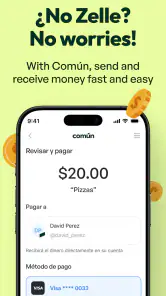
I approached Común as the kind of finance app that could quietly become part of a household routine rather than something used only for occasional transfers. Its main appeal is straightforward: it lets you pay people, send money to Latin America, and use a Visa debit card from one place. In my experience, that combination makes more sense for people whose financial life crosses borders or involves frequent everyday spending than for someone looking for a complete replacement for every banking service.
What makes the app interesting in a shared household is not that several people should use one account together. It is that one person can use it as a practical hub while coordinating payments, remittances, and card spending with others. That distinction matters. A finance account is personal, and treating it like a communal wallet can create confusion quickly. I found Común more useful when each person kept clear ownership of their own account and used ordinary conversations or separate transfers to coordinate household money.
The app comes from Comun and is free to install, with an Everyone content rating. It has built a sizeable audience, passing half a million installs, and its average score sits at 4.8 from roughly twenty-two thousand ratings. Those figures suggest that the basic experience has resonated with many users, although a strong store score should not replace checking whether its payment and transfer model fits your specific situation.
How Común fits into a shared household
A realistic use case: one person manages the movement, not everyone’s money
Imagine a household where one adult regularly sends money to relatives in Latin America, pays a friend back for groceries, and uses a debit card for routine purchases. Común can bring those activities into one workflow instead of forcing that person to jump between a traditional bank, a separate remittance service, and a payment app. The value is less about adding another account and more about reducing the number of places to remember.
I would use it in that scenario as the account holder responsible for initiating payments and checking the result. If another adult contributes to the household budget, I would agree on the amount and timing first, then send or receive money through each person’s own account. I would not hand over my login or leave the account permanently signed in on a shared phone. That is basic financial hygiene, but it becomes especially important when a device is used by children, guests, or multiple adults.
For a couple, the app can be convenient when one person handles international transfers while the other mainly needs visibility into what was sent and when. That visibility should come from a shared household record or a conversation, not from assuming that a single personal account is designed for joint bookkeeping. I found this boundary helpful because it prevents a useful payment tool from turning into an unclear substitute for a joint bank account.
Where the Visa card adds practical value
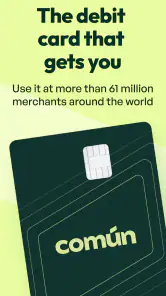
The Visa debit card gives Común a more immediate role in daily spending. A transfer app can feel occasional, but a card can become part of a normal routine: buying lunch, paying for transport, or covering a household purchase. I like that connection because it lets the same service handle money movement and card-based spending without requiring the user to think of them as completely separate tools.
That convenience also creates a habit worth building from the beginning. I would check the available balance before using the card for a larger household purchase, especially if money has recently been sent abroad or received from another person. A debit card spends existing funds, so it should be treated differently from a credit card or a payment method that offers a borrowing buffer. For shared expenses, I would also record who paid and how the cost will be divided rather than relying on memory.
The card is a good fit for someone who wants direct access to money already held in the account. It is less attractive if your priority is credit-building, rewards, extensive budgeting tools, or a broad set of traditional bank products. Those are not the reasons I would choose Común. I would choose it for the connection between a personal balance, everyday card use, and sending money to people in Latin America.
Setup should begin with clear account boundaries
Before using the app in a household, I recommend deciding who owns the account, which phone number or device will be used, and who is allowed to initiate a payment. This is not a feature inside the app; it is a practical arrangement between people. A shared device can be convenient, but a finance app should not be treated like a shared streaming profile where everyone can open it casually.
On a family tablet or a phone passed between relatives, I would sign out when finished and avoid saving access details where another user can see them. I would also keep notifications in mind. Payment alerts may reveal amounts or recipient names on a lock screen, so a household that values privacy should review the device’s notification display before making regular transfers. That small step is easy to overlook and can prevent an awkward disclosure.
For a teenager or younger family member, I would not assume that an Everyone rating means the app is automatically suitable as an unsupervised money tool. The rating describes the app’s content suitability, not a family’s readiness to delegate financial decisions. An adult should remain responsible for understanding the account, confirming recipients, and explaining what a debit card can and cannot do.
Sending money requires a deliberate checking routine
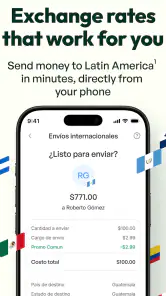
International transfers are the feature that most clearly separates Común from an ordinary debit-card wallet. When I think about sending money to Latin America, the recipient details matter more than speed or convenience. I would pause before confirming a transfer, read the recipient information aloud if another household member is helping, and keep a private note of the purpose and date. This is particularly useful when several relatives have similar names or when a household sends money on a recurring basis.
A simple two-step routine works well: prepare the payment, then verify the person and amount again before completing it. I would not ask a child to perform the final confirmation, even if they are helping navigate the phone. The person whose money is being sent should make that decision. This separation between assistance and authorization is one of the most useful habits for shared-device use.
I would also avoid treating a transfer as complete merely because the button was pressed. After sending, I would check the in-app status and keep any confirmation available until the recipient acknowledges receipt. If a transfer is time-sensitive, such as help with a bill or an urgent family expense, I would communicate directly with the recipient rather than assuming the app alone has solved the problem.
Coordinating household payments without mixing identities
Común can support coordination, but it does not remove the need for a household system. My preferred approach is to assign simple roles: one person initiates the payment, another can verify the recipient or amount, and the household keeps a basic record of what the transfer was for. That record can be a note or spreadsheet outside the app. The important point is that the account remains personal while the expense can still be shared.
This works well for rent contributions, grocery reimbursements, or money sent to relatives. Suppose one partner pays for a family purchase with the Visa debit card and the other wants to contribute. The second person can send their share to the cardholder’s account, but both should agree on the amount before the transfer. That creates a clean trail of responsibility instead of leaving everyone unsure whether a balance belongs to one person or the whole household.
I would be cautious about using one account as a temporary holding place for money belonging to several people. Even when everyone trusts one another, balances become harder to interpret, and a mistaken payment can affect funds that were meant for someone else. Común feels strongest when it is used as a personal financial tool that supports coordination, not as an informal pooled account.
Age, trust, and the meaning of an Everyone rating
The Everyone rating makes the app broadly approachable from a content perspective, but financial responsibility still depends on age, maturity, and supervision. A young person may understand how to tap through a transfer without understanding the consequences of sending money to the wrong recipient or spending the available balance with a debit card. I would explain those consequences before allowing any hands-on use.
For a trusted older child, a parent might use Común as an opportunity to teach practical habits: checking the recipient, distinguishing available money from expected money, and keeping a record of shared expenses. I would still keep final control with the adult account holder unless the young person independently meets the requirements and responsibilities for having their own financial account. The app should not be treated as a shortcut around those decisions.
Trust also matters between adults. If a partner needs to help with navigation, I would let them watch the process instead of sharing a password. If an account must be accessed from a different device, I would make sure the original device is no longer left open. These precautions may sound obvious, but finance apps are often used in busy moments, precisely when people are most likely to hand over a phone without thinking through account exposure.
What I would compare before choosing it
The usual alternative is a traditional bank account with a debit card, plus a separate service for international remittances. That arrangement may be better for someone who needs branches, a wider range of account products, formal joint-account options, or a long-established budgeting system. It can also make household ownership clearer when two adults need genuinely shared access under defined terms.
Another alternative is a peer-to-peer payment app used only for reimbursements. That may be simpler if you rarely send money internationally and mainly split meals, rent, or small purchases. Común becomes more compelling when paying people, sending money to Latin America, and using a Visa debit card are all regular needs. Its usefulness comes from bringing those jobs together, not from being the most feature-rich option in every financial category.
I would also compare the exact transfer experience before making Común the household’s only option. Look at the recipient details, confirmation process, available support path, and how comfortable everyone is with the app’s interface. A service can have an excellent average rating and still be a poor match for a family member who needs a different language presentation, a branch, cash handling, or a more formal joint-account structure.
Everyday friction I would plan around
Any app that combines transfers and card spending asks the user to pay attention to timing and balance. Money set aside for a transfer should not be mentally counted as available for card purchases, and a card purchase should not be confused with a completed remittance. I recommend checking the balance and recent activity before a major household expense, especially when several transactions happened close together.
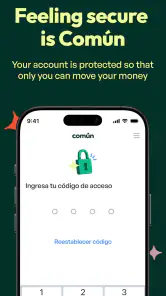
Shared devices add another layer of friction. Automatic sign-in, visible notifications, and saved personal information can make a quick payment convenient but reduce privacy. My practical rule is simple: use a personal device whenever possible, lock the screen, and finish each session deliberately. If another person needs to participate, let them review the details without giving them permanent access.
The app is also not the right choice for someone who wants a full household financial command center. I would look elsewhere if the main requirement is detailed category budgeting, formal multi-user permissions, investment management, credit products, or extensive account aggregation. Común’s appeal is narrower and clearer: personal money movement, international sending, and Visa debit spending in one app.
Version, availability, and who should try it
At the time of my review, the current version is 2.29.0 and it requires Android 10 or newer. That makes checking the phone’s operating system a sensible first step before planning a household rollout. If one family member uses an older device, the experience may depend on whether that device can be updated; I would not assume that every phone in the home can run the same version.
Because the app is free, trying it does not require an upfront purchase. I would still begin with a small, non-urgent transaction rather than immediately making it the destination for an important payment. That gives the account holder a chance to understand the flow, confirm the recipient experience, and see whether the Visa debit card fits daily spending habits.
I think Común is especially suitable for adults who regularly send money to Latin America and want a debit card attached to the same financial routine. It can also suit a household where one person handles those tasks while another helps coordinate expenses. I would skip it if the family needs shared legal ownership, cash-first banking, advanced budgeting, or a broad traditional banking relationship.
My household verdict
My overall impression is positive, but specific. Común is not valuable because it tries to be every financial product at once. It is valuable because its combination of person-to-person payments, Latin America transfers, and a Visa debit card can simplify a real pattern of life. For the right user, that is more useful than a long list of features that never get touched.
The best household experience comes from respecting account boundaries. Keep one clear owner, avoid sharing login access, verify every recipient, and use a separate record when several people contribute to an expense. Those habits make the app easier to trust and stop convenience from becoming confusion. They are especially important when a phone or tablet is used by more than one person.
With that approach, I would recommend giving Común a careful trial if international sending is part of your routine. Its strong user response, free entry point, and focused feature set make it worth considering. I would not recommend presenting it to children as a casual shared wallet or relying on it for needs it was not designed to cover. Used as a personal account within a coordinated household, it offers a practical middle ground between a conventional bank and a collection of separate payment services.
Pros
- Simple interface makes everyday money management easy to understand.
- Useful tools help users keep track of spending and personal finances.
- Designed for flexible money decisions rather than rigid budgeting rules.
- Convenient access to financial information from a mobile device.
- Can help users become more aware of their financial habits.
Cons
- Some features may require account verification or personal financial details.
- Availability and functionality can vary depending on your country.
- Financial information may not update instantly in every situation.
- Users should review privacy settings before connecting financial accounts.
- It may not offer enough advanced tools for experienced budget planners.

- Category
- Finance
- Version
- 2.29.0