Cash Advance - No credit Check
- 2.84K
- 4.7
- Installs
- 500.00K
- Price
- Free

Screenshots
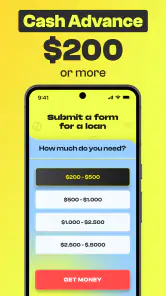
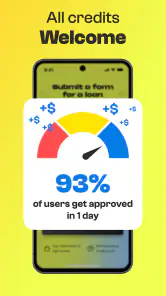


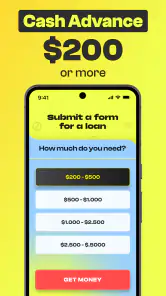
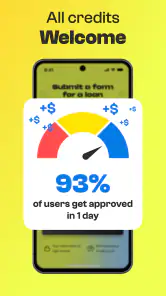


Analysis by Reviewed
When an unexpected bill arrives before payday, the first thing I want is clarity rather than another complicated financial product to decode. Cash Advance - No credit Check is aimed at that exact moment. It is a free finance app from D.J. Advance App, presented as a way to explore cash advance options without making the experience feel like a traditional bank application. I found its appeal strongest when I treated it as a starting point for reviewing short-term borrowing possibilities, not as a guaranteed solution to a money problem.
The app is available to everyone from a content-rating perspective and works on devices running Android 7.0 or later. It has built a sizeable audience, with over 500 thousand installs, a 4.7 average from around 35 thousand ratings, and roughly 2.8 thousand written reviews. Those figures suggest that many people find the basic idea useful, although popularity should not be confused with approval for a cash advance or with a promise that every user will receive the same result.
What to expect before you begin
The name sets a very specific expectation: this is about cash advances and short-term financial help, rather than a full budgeting suite, investment platform, or everyday banking replacement. I would open it when I need to understand what kind of advance route may be available and what information is required to continue. I would not install it expecting a permanent income solution, debt-management program, or a way to make an unaffordable expense disappear.
The most reassuring part of the first encounter is the straightforward purpose. The store summary focuses on getting cash while waiting for payday, and the short description reduces the concept to “Cash Advance.” That simplicity is useful for someone who has never used this type of service, because it avoids burying the main action under unrelated financial tools. At the same time, the simple positioning means I pay close attention to every screen before submitting anything.
My advice is to enter with a clear limit in mind. Decide how much you genuinely need, what expense it covers, and how repayment would fit around your next income. This small preparation prevents the common mistake of treating the largest available amount as the correct amount. A cash advance can solve a timing gap, but it can also make the following pay cycle tighter if the repayment obligation is not considered first.
The app is best used as a careful screening and application starting point, not as permission to borrow impulsively. That distinction matters more here than the attractive promise of speed. “Instant” language can make a financial decision feel like a normal tap-to-buy action, while borrowing deserves a slower review of terms, timing, eligibility, and total cost.
Who will get the most from it
I can see this app helping a user who has a temporary cash-flow mismatch: an essential purchase due now, income arriving soon, and a realistic plan for handling the obligation. It may also suit someone who wants a mobile-first route instead of visiting a branch or searching through several unrelated websites. The focused design makes sense for a first look at short-term options.
It is less suitable for someone already juggling several advances, credit-card balances, overdrafts, or unpaid bills. In that situation, another advance may hide the underlying problem rather than fix it. I would also steer away from using it for nonessential shopping, recurring expenses that cannot be covered next month, or anything where repayment depends on an uncertain future event.
Compared with a bank overdraft, the app may feel more direct and less tied to an existing current account. Compared with a credit card, it is centered on a short-term advance rather than flexible revolving spending. Compared with asking an employer for an early wage payment, it may be easier to explore privately, but the employer route could be cheaper or more predictable when available. A local credit union, bank, or community lender may take more effort to investigate while offering a better fit for a longer-term need.
What “no credit check” should mean to a careful reader
The wording should not be read as “no questions asked” or “everyone is approved.” In my view, it means the app presents itself around an alternative to a conventional credit-check experience. A provider can still need identity, income, account, or eligibility information before showing an offer or completing a transaction. I would never assume that the phrase removes verification, guarantees acceptance, or eliminates fees.
Before moving forward, I would look for the exact repayment date, the total amount to be returned, any optional or required charges, and the consequences of a late payment. I would also check whether the final provider is different from the app’s developer and read the provider’s own terms. Those details are more important than the speed of the first screen.
Getting from installation to a useful first result
Start with a calm setup
After installing the current version, 1.1.3, I would begin by checking that the device meets the Android requirement and that I am using a secure connection. I would keep my basic financial information nearby, but I would not rush to paste sensitive details into the first prompt I see. A good first setup is deliberate: read each request, confirm why it is needed, and stop if a screen feels unclear.
I would also make sure the phone itself is private before entering personal or financial information. That means using a screen lock, avoiding a shared device, and closing the app when finished. These are simple habits, but they matter more in a finance app than they do in a casual utility. I would not send screenshots of an application screen to friends or store sensitive details in an unprotected notes app.
The developer shown for the app is D.J. Advance App, while the actual advance option may involve a separate financial provider. That is an important distinction during setup. I would verify the name of the party presenting the terms, especially if the application moves beyond the initial app experience. The company that publishes an app and the company responsible for a financial offer are not automatically the same.
Make the first meaningful action a comparison, not a submission
For a first successful action, I would define success as reaching a clear, understandable offer or eligibility result and knowing what would happen next. I would not define success as pressing the fastest possible confirmation button. Start with the smallest realistic amount, enter information accurately, and pause when the app presents a summary.
At that point, I would write down four things before accepting anything: the amount received, the amount repaid, the date repayment is due, and what happens if repayment is delayed. This is a practical workflow that turns a quick mobile interaction into a decision I can check later. If any of those points are difficult to find, I would treat that friction as a reason to stop and investigate rather than as a minor design annoyance.
A useful second check is to compare the proposed advance with a non-borrowing alternative. Could the bill be moved, could a smaller purchase solve the immediate issue, or could an employer, bank, family member, or credit union offer a less costly route? I would do this before accepting because the most convenient option is not always the least expensive one.
A realistic everyday situation
Imagine that a necessary household payment falls due three days before wages arrive. I would first confirm that the expense is essential and that my next income is dependable. Then I would use the app to explore whether a suitable advance route exists, focusing on the smallest amount that covers the gap. Before accepting, I would check that the repayment will not leave me short for rent, food, transport, or other fixed commitments after payday.
If the repayment would create another shortfall, I would not call the result a success even if the application were approved. I would instead contact the bill provider, ask about a payment arrangement, or look for a lower-cost source of help. The app can support the search, but it cannot replace that wider judgment. This is the kind of situation where a short delay in making a decision can prevent a longer cycle of borrowing.
Confusion I would expect new users to face
The biggest possible misunderstanding is believing that the app itself is the lender in every step. A finance app can connect a user with an option without being the party that sets the final terms. I would read the transition carefully and note whose privacy notice, agreement, and customer-support details apply at each stage.
Another common confusion is mixing up approval with access to money. A preliminary result may still be followed by verification, additional review, or a separate agreement. I would not make a purchase based on the assumption that funds are already available until the app clearly confirms the completed process.
The phrase “instant cash advance” can also blur the difference between a fast application and immediate funds. Speed may depend on eligibility, verification, account details, provider procedures, and timing. I would plan as though the money might not arrive instantly, particularly when a bill has a strict deadline.
Finally, “free” describes the app’s download price, not necessarily the cost of borrowing. I would separate those two ideas every time. The application may cost nothing to install while an advance can still carry fees, interest, membership conditions, or repayment consequences. The total repayment figure is the number I care about, not the price shown in the app store.
Small habits that make the experience safer
Use the app only for a defined short-term gap, and record the repayment date in a calendar immediately.
Compare the total repayment with the amount received rather than focusing only on the requested amount.
Read every consent screen and keep a copy of the final agreement or confirmation in a secure place.
Do not submit multiple applications in a rush simply because the first route is unclear.
If repayment would require another advance, stop and seek debt or budgeting support instead.
One non-obvious trade-off is that a focused cash-advance app can reduce the time spent searching, but that convenience can also narrow attention. I might compare fewer alternatives simply because the first path is easy to follow. To counter that, I would deliberately spend a few minutes checking my bank, employer, and local lending options before committing.
How the app fits into a longer financial plan
I would not use this app as my main money-management tool. It is more useful as an occasional decision point inside a broader routine: track upcoming bills, keep a small emergency buffer when possible, review subscriptions, and identify recurring shortfalls. If the same payday gap appears repeatedly, the right next step is a budget review or professional debt advice rather than another advance.
That is also where the app differs from a traditional bank account or budgeting application. A bank may provide a fuller view of income and spending, while a budgeting tool can help identify why the gap keeps appearing. Cash Advance - No credit Check is more narrowly focused on immediate access to a possible advance. Its strength is the direct purpose; its weakness is that it does not, by that purpose alone, solve the habits or income pressures behind repeated borrowing.
Who should choose another option
I would choose a different route if I needed a large amount, a long repayment period, or predictable monthly installments. A regulated bank loan, credit union product, or advice-led debt solution may be more appropriate for those needs. I would also avoid relying on this type of app when I cannot state exactly how repayment will fit into my next budget.
People who are uncomfortable sharing financial information through a mobile application may prefer speaking directly with a bank or community lender. Likewise, anyone dealing with persistent arrears should look for independent debt support before applying for more credit. The app’s accessible presentation does not remove the need for careful eligibility and affordability checks.
My closing view after using it
Cash Advance - No credit Check is a focused finance app that makes sense for a narrow situation: a temporary shortfall where I understand the repayment plan and need a mobile way to explore an advance. Its free download, Everyone rating, Android compatibility from version 7.0 onward, and clear cash-advance focus make the first step approachable. Its strong user response, including a 4.7 average, also shows that the concept resonates with many people.
My recommendation comes with a firm condition: treat the app as a tool for informed comparison, not as emergency money that is automatically safe or guaranteed. Read the final terms, identify the real provider, confirm the total repayment, and consider cheaper alternatives before accepting. If those checks fit your situation and the gap is genuinely temporary, this app can be a practical place to begin. If the problem is ongoing, another advance is unlikely to be the answer, and a budgeting, banking, or debt-support option would serve you better.
Pros
- Fast access to funds for eligible users
- No traditional credit check is required
- Simple application process from a mobile device
- Clear repayment dates help plan your budget
- Useful for handling short-term financial emergencies
Cons
- Approval and advance limits may vary by user
- Service fees can make borrowing expensive
- Repayment may be withdrawn automatically
- Late repayment could lead to additional charges
- Availability may depend on location and employer details

- Category
- Finance
- Version
- 1.1.3