Bookmory - reading tracker
- 2.61K
- 4.8
- Installs
- 1.00M
- Price
- Free

Screenshots


Analysis by Reviewed
I tend to have several books on the go at once: a paperback by the bed, an ebook for travel, and a title I keep meaning to finish. That makes it easy to forget where I left off or what I wanted to remember. Bookmory is a reading-tracker app from Tony soft that gives those scattered reading habits a home. I’d recommend it most to readers who enjoy keeping a record, not to anyone looking for an ebook reader or a place to discover their next book.
Starting with a reading list
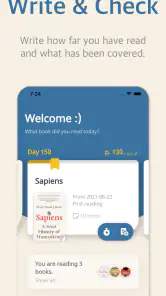
My first useful step is to treat the app as a record of what I’m actually reading, rather than another aspirational to-do list. Adding a book and keeping its status current gives me a simple overview of what is underway and what I’ve finished. That distinction matters if you switch between formats or pause one book for another: a list that reflects reality is much more helpful than a long queue of books you once intended to read.
For a realistic everyday routine, I’d update the record after a commute or before putting a book down for the night. A quick note about a character, an argument, or a passage I want to revisit can save me from trying to reconstruct my thoughts weeks later. The useful habit is consistency, not elaborate journaling. If I only log a session when I finish a book, I lose the smaller details that make the tracker feel personal.
Choosing a routine that lasts
Before adding every title I own, I’d begin with the books I’m currently reading and one or two I genuinely expect to start soon. This keeps the library useful instead of turning setup into a weekend project. Older finished books can be added gradually, when I have a reason to look them up or want a fuller record; there is little benefit in making a complete backlog a condition of getting started.
That small choice also makes the app easier to maintain. I can decide whether my goal is to remember books, protect time for reading, or keep notes for a club, then use only the parts that support that aim. Trying to record everything at once can make a relaxing hobby feel administratively heavy. My advice is to start with a short entry after a real reading session and expand the routine only if it helps.
Where Bookmory Shines
From the moment I downloaded the app, its clean and intuitive interface had me hooked. No clutter or unnecessary tabs—just straightforward features that even my non-tech-savvy friends can navigate. With Bookmory, tracking your reading isn’t just easy; it’s fun! You can log your reading sessions, jot down notes, and even set goals. It’s like having a personal cheerleader in your pocket, motivating you with every page you turn.
Seamless Tracking and Insights
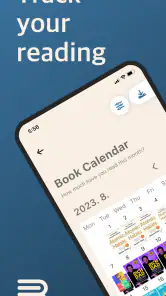
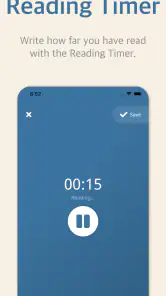
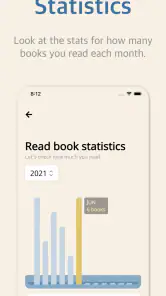
One of the standout features of Bookmory is its seamless tracking system. Ever wondered how long you actually spend reading? The app logs every session and gives you detailed insights into your habits. After a few weeks, I was surprised to see the patterns in my reading times—turns out, I’m a late-night reader! These insights have genuinely helped me manage my time better and prioritize my reading sessions.
More From Our News Desk

Weather by Xiaomi Review: Clear at a Glance, Less Clear Up Close

X Under Pressure: Can It Recover When Posting Goes Wrong?

Clash of Clans Is Won Between the Battles

Android Auto Makes the Case for Quieter Car Software

MobiOffice: Transforming Mobile Productivity with Seamless Integration

EA SPORTS FC™ Mobile Soccer: Redefining Mobile Sports Gaming
The practical payoff is less about chasing a perfect streak and more about noticing what fits into my day. If my sessions keep happening in short bursts, I can set a modest goal that suits that rhythm instead of planning for an unrealistic hour every evening. I’d also keep the log focused: recording a session soon after reading is more reliable than trying to remember several days at once. Readers who dislike tracking anything may find that step feels like homework, and they can simply enjoy their books without it.
Making a session log useful
A session record becomes more informative when I use it to answer a specific question, rather than treating every number as a score. For example, if I keep postponing a book, I can look at whether I’m picking it up only at the end of a tiring day. That doesn’t prove the book is wrong for me, but it can suggest trying a different time or reading a few pages during a quieter part of the day.
There is a trade-off between a precise log and a low-friction habit. If I stop often to record every detail, the tracking can interrupt the reading itself. I’d keep entries brief and record them after putting the book down. When I miss a day, I wouldn’t guess at a precise session from memory; an honest gap is more useful than a polished but unreliable history.
Goal Setting and Achievements
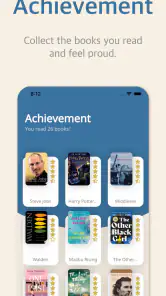
Setting goals has never been easier. Whether you aim to read a certain number of books by the end of the year or just want to up your daily reading time, Bookmory has got you covered. The app lets you set custom goals and even rewards you with achievements once you hit them. I must admit, those digital badges are quite motivating! It’s like earning a little trophy every time you reach a milestone.
I find book-count goals and time-based intentions serve different readers. A count can encourage me to finish titles, but it may also tempt me to choose short books just to hit a target. A time goal is often kinder when I’m reading a long novel or dipping into a dense nonfiction book. I’d use the goal as a nudge, not a judgment: if a target starts turning reading into a chore, lowering it is a sensible adjustment.
Using goals without letting them take over
For a busy week, I’d set a target that allows for missed evenings instead of assuming every day will go to plan. A goal is most useful when it brings reading back to mind, not when it makes me feel behind. If a holiday, deadline, or family commitment interrupts my routine, I can treat that as a change in circumstances rather than evidence that I have failed at reading.
Achievements may appeal to readers who enjoy visible milestones, but they won’t motivate everyone. Someone who reads for calm or curiosity may prefer to leave goals in the background and use the app mainly as a record. The flexibility I value is being able to let the tracker support the purpose I already have, rather than letting a badge or annual total decide what counts as a worthwhile book.
Note Taking and Library Management
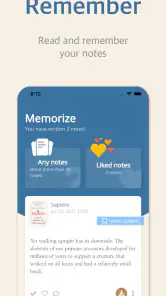
Another aspect where Bookmory excels is note-taking. I mean, who doesn’t love jotting down their favorite quotes or thoughts? The app provides a handy note-taking feature that lets you capture your reflections on the go. Plus, managing your library is a breeze. You can categorize books, mark them as read/unread, and even track the ones you’ve lent to friends. No more wondering where that paperback went!
A small workflow tip: I’d make lending status part of the moment I hand a book to someone, rather than relying on memory later. Likewise, a short note tied to a book is easier to use than a page of unstructured thoughts; I can record a quote or question, then return to it when I pick the book up again. This is especially handy for book-club reading, where I want a couple of points ready for discussion without turning every reading session into a formal review.
From a reading note to a useful handoff
Bookmory’s notes can help bridge the gap between finishing a book and talking about it. Before a book-club meeting, I can revisit a question I saved while reading instead of trying to remember which chapter prompted it. If I lend the book afterward, recording that handoff at the same time gives me a simple reminder of who has it. These are modest uses, but they address two common points where reading records otherwise disappear: conversation and circulation.
For research-heavy reading, I would still keep formal citations or long reference notes in a dedicated system. A reading tracker is a convenient place for personal reactions and reminders, but it is not automatically a substitute for a carefully structured research archive. I’d use it to preserve what I thought and what I want to revisit, then move essential material into the tool I rely on for a project.
How it fits beside other reading tools
Compared with a paper notebook, Bookmory is better suited to someone who wants a searchable, organized record of books, sessions, goals, and notes in one place. A notebook still wins for free-form sketches, long reflections, or the pleasure of writing by hand. Compared with a general notes app, this is more reading-centered, so I don’t have to build my own structure for titles and reading progress. But if my main need is to buy, borrow, or read digital books, a bookstore or ebook app is the more direct tool; Bookmory is for keeping track of the experience around reading, not replacing the book itself.
There is also a meaningful difference between tracking and discovery. A social reading service may be a better choice if the main thing I want is a community feed or recommendations from other readers. A library or bookstore app makes more sense when finding and obtaining titles is the priority. Bookmory is strongest after I already have a book: it gives me a place to record progress and thoughts without asking it to serve as my reading source.
A day-to-day example
Imagine I take a paperback on the bus, read a few pages, and later switch to an ebook at home. I can keep both titles visible in my reading record, then log the session when I have a moment. If a passage raises a question, I add a short note while it is fresh. A few days later, the record can help me see which book I have actually been making time for and which one has stalled.
That example is also a good test of whether the app fits. It works best when I’m willing to make a small manual handoff from reading to tracking. It won’t remove the need to decide what I’m reading, and it won’t make scattered attention disappear. What it can do is gather the trail—current titles, sessions, goals, and reflections—so I don’t have to rely entirely on memory.
Cost, compatibility, and who should try it
Bookmory is free to download and is rated for Everyone. Optional in-app purchases range from $2.99 to $79.99 per item, so I’d check the purchase details in the app before paying for anything; the core appeal is the tracking routine, and not every reader needs extras. It has a 4.8 average from around 69,000 ratings and more than a million installs, which suggests it has found an audience among people who like a structured reading record. Version 1.3.57 requires Android 7.0 or later.
The app is a particularly good fit for someone moving between print and digital formats, a reader who wants to remember reactions rather than just titles, or a person who finds gentle goals helpful. It may also suit a book-club member who wants a few discussion notes in one place. Since it is in the Books & Reference category, I think of it as a personal reading companion, not a replacement for the books, library services, or specialist research tools that supply other parts of a reading life.
Before spending on an optional purchase, I’d first use the free app long enough to learn which parts of the routine I actually keep. The purchase range is broad, so checking the specific item matters more than assuming every extra is necessary. If all I need is a simple list and occasional note, I may not need to buy anything. The app is free to start, but it is worth treating each purchase as a separate decision rather than an automatic step.
I’d suggest trying it if you alternate between print and digital books, want to remember what you’ve read, or need a gentle prompt to make reading part of the week. I’d skip it if I wanted an app that supplies books, recommends titles as its main purpose, or keeps records automatically without any input from me. The app’s value depends on the small habit of logging; that’s also its main friction. The developer’s 2.6K reviews reflect reader feedback, but the right fit still comes down to whether tracking feels satisfying to you.
Where the routine can break
The biggest weakness is the same thing that makes the record personal: I have to maintain it. If I forget to log sessions, leave books in the wrong status, or stop writing notes, the library gradually becomes less trustworthy. This is not a serious problem for someone who enjoys a quick end-of-session check-in, but it is a real drawback for a reader who expects passive tracking or dislikes entering information at all.
There is another limit to keep in mind: organizing a reading life is not the same as managing every task around a book. I wouldn’t choose it as my only tool for academic references, a detailed lending system for a large collection, or finding new titles through recommendations. In those situations, a specialist tool or a simple notebook may fit better. Choosing the right boundary keeps Bookmory helpful instead of asking it to solve problems it was not designed to solve.
Overall, Bookmory has transformed how I interact with my reading list. It’s more than just a tracker; it’s a companion that makes the reading journey enjoyable and productive. If you’re a book lover looking to enhance your reading experience, I’d say give Bookmory a shot. It might just become your new favorite app too!
Bookmory - reading tracker Frequently Asked Questions
Can I organize books by reading status in Bookmory?
Bookmory is aimed at readers who want to keep their reading journey organized in one place. You can log books and track your progress, making it useful for keeping a record of what you are currently reading as well as titles you have completed or hope to read. If you prefer a lightweight way to follow your reading rather than managing a complicated catalog, it may suit your routine.
Who develops Bookmory, and is it a well-established app?
Bookmory is developed by Tony soft and is a reading tracker in the Books & Reference category. It has an average rating of 4.8 from around 69,000 ratings, with about 2,600 written reviews and over one million installs. Those figures suggest that many readers have tried it, though whether its approach suits you will depend on how you like to record and review your reading.
Can I use Bookmory to keep a reading journal as well as a book list?
Yes. Bookmory is designed to do more than store a list of titles: you can log books, record your reading progress, and jot down notes. That makes it useful if you want a personal record of what you read and your thoughts along the way, rather than simply a catalog of books you have finished or plan to read.
Is Bookmory free to download, and are there in-app purchases?
Bookmory is free to download, so you can try its reading-tracking tools without paying upfront. It also offers in-app purchases, with options ranging from $2.99 to $79.99 per item. If you are considering a purchase, review the available options in the app and decide whether the additional features suit the way you want to track your reading.
What is Bookmory and what does it offer to users?
Bookmory is a comprehensive reading tracker app designed to enhance your reading experience. It allows users to log books, track reading progress, jot down notes, and set reading goals. With a user-friendly interface, it caters to avid readers who want to organize their reading habits and review their progress over time.
Pros
- User-friendly interface for easy navigation.
- Tracks reading progress efficiently.
- Supports multiple formats and genres.
- Offers personalized reading suggestions.
- Includes a built-in community for book lovers.
Cons
- Limited free version features.
- Occasional syncing issues.
- Ads can interrupt reading flow.
- Requires internet for full functionality.
- Limited customization options.
- Category
- Books & Reference
- Version
- 1.3.57