Bilt Rewards
- 3.98K
- 4.6
- Installs
- 500.00K
- Price
- Free

Screenshots
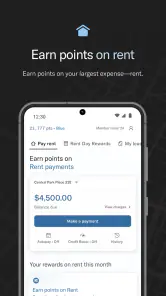
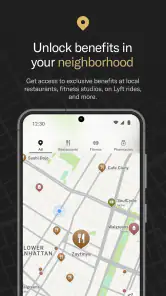
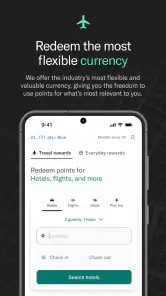
Analysis by Reviewed
I look at Bilt Rewards as a finance app built around one very specific question: can your regular rent payment do more for you than simply disappear from your monthly budget? Developed by Bilt Technology, Inc., it gives renters a way to start earning points on rent, which makes it more focused than a general budgeting or banking app. That narrow purpose is also its main appeal. If rent is your largest recurring expense, even a small improvement in how you handle it can feel meaningful.
My first impression is that this is not an app I would recommend just because it is free or popular. I would recommend it when the user’s housing situation, payment habits, and interest in rewards all line up. The app is free, carries an Everyone age rating, and sits in the finance category, but those facts alone do not tell you whether it belongs in your monthly routine. The important decision is whether earning rent-related points is worth adapting your payment workflow.
How I decided whether Bilt Rewards is worth using
When I assess an app like this, I start with the payment itself rather than the reward. Rent is usually a large, unavoidable bill, so the first test is whether the app makes paying it feel clear and manageable. I then consider how much effort is involved, whether the points fit the way I already spend, and whether the reward system would actually influence my choices. A points balance that looks attractive but requires constant attention is less useful than a simple system I can maintain every month.
I also separate Bilt Rewards from ordinary finance tools. A budgeting app helps me see where money goes. A banking app helps me move or store money. A general rewards card may reward everyday purchases. This app is more specialized: its central reason to exist is connecting rent with rewards. That makes the comparison less about finding the app with the most features and more about choosing the right category of tool.
The app has reached over 500 thousand installs, with an average rating of 4.6 from around 45 thousand ratings and roughly 4 thousand written reviews. I take that as a useful sign that the concept is resonating with a substantial group of renters, while still remembering that a strong store rating cannot tell me whether the payment process suits my own landlord or property arrangement.
Before switching, I would ask myself four practical questions. Do I pay rent consistently enough to benefit from a recurring rewards habit? Am I comfortable adding another financial app to my routine? Will I actually use the points rather than letting them sit untouched? And do I need detailed budgeting more than I need rent-focused rewards? Those questions are more revealing than the headline promise.
The everyday workflow matters more than the points headline
Imagine a renter who normally pays rent on the first day of the month, checks a banking app afterward, and then forgets about the transaction. With Bilt Rewards, the useful change is not merely seeing a points balance. The user has to make the app part of the payment routine: open it when rent is due, follow the available payment flow, and check that the transaction has been handled as expected. That creates a small monthly task, but it also gives the payment a more visible place in the user’s financial life.
I would set a reminder a day before rent is due, especially during the first few months. That is a simple but important tip because a rewards system only helps when the underlying payment is completed correctly and on time. I would also keep the usual bank confirmation or account record until the new routine feels dependable. Rewards should be treated as an extra benefit, not as a reason to become careless with the bill itself.
Another practical insight is to judge the app over several rent cycles rather than after the first login. The real test is whether the process remains easy when the month is busy, the payment date changes, or the user is travelling. A polished first session does not automatically mean the app will fit a complicated household budget. Repetition reveals whether it saves attention or demands more of it.
Where Bilt Rewards feels strongest
The clearest strength is its focus. Many financial apps ask me to track spending across groceries, transport, subscriptions, savings, and bills. Bilt Rewards starts with one expense that most renters already have to manage. That focus can make the value easier to understand: instead of searching for small rewards across many transactions, I can connect the app to a major recurring payment.
This is especially appealing for someone who rents for the long term and wants to get something back from an expense that normally offers no obvious upside. The app does not require me to invent a new spending category. Rent is already in the budget. The potential benefit comes from changing the handling of that payment, not from buying more things.
I also like the psychological effect of making rent more visible. Rent can feel like a fixed loss because it leaves the account every month without producing anything tangible. A points balance does not erase the cost, but it can make the transaction feel less one-sided. For users who already understand rewards and remember to use them, that may be enough motivation to keep the app active.
The free price removes one common barrier to trying a rewards app. I can explore whether the workflow suits me without adding a subscription charge to the calculation. Still, free does not mean frictionless. My time, attention, and willingness to manage another account are part of the real cost, and I would include them in the decision.
The developer, Bilt Technology, Inc., has kept the product centered on the rent-rewards idea rather than presenting it as a universal money manager. That specialization is valuable when I want a focused tool. It is less valuable if I am looking for one place to build a full spending plan, monitor every account, and understand long-term cash flow.
Small habits that make the app more useful
My first recommendation is to place the rent task beside an existing monthly habit, such as checking the bank balance or reviewing upcoming bills. Pairing the actions reduces the chance that the app becomes something I remember only after the due date. I would also decide in advance what the points are for. If I have no realistic use in mind, the reward can become a number I collect without purpose.
A second tip is to avoid changing too many financial routines at once. I would use the app for rent while keeping my normal account monitoring in place. That makes it easier to identify whether a problem comes from the app, the landlord’s process, or my own timing. Once the workflow feels predictable, I could simplify the surrounding routine if appropriate.
A third trade-off is household coordination. If several people share rent, the person responsible for payment needs a clear agreement with the others about timing and records. A rewards app cannot solve confusion over who sends money, when transfers arrive, or how the household divides the bill. In that situation, the points are secondary to having a reliable shared process.
Where a different type of app may fit better
Bilt Rewards is not the obvious choice for every renter. Someone who is struggling to control spending may benefit more from a traditional budgeting app that categorizes income and expenses, sets limits, and shows cash-flow patterns. Earning points on rent is unlikely to fix an account that regularly runs short before payday. In that case, visibility and planning should come before rewards.
A general banking app may also be better for a user who wants fewer financial logins. If the main need is transferring money, checking balances, and paying several kinds of bills in one place, a dedicated rent-rewards app can feel like an extra layer. The convenience of consolidation may outweigh the appeal of specialized points.
Some users may prefer a rewards card or another established payment method for everyday spending because it fits habits they already understand. I would not switch solely because rent points sound more interesting. The alternative may be better if it offers a smoother payment routine for that particular renter, even if it is less specialized. The right comparison is not “which reward is bigger?” but “which system can I use correctly every month?”
There is also a clear audience that should probably skip this app: homeowners who do not pay rent, renters whose payment arrangement is too unusual to fit comfortably into the available workflow, and people who dislike rewards programs altogether. If points do not influence your decisions, the app’s central benefit loses much of its meaning. Likewise, anyone who tends to ignore payment notifications should be cautious about adding another monthly obligation.
What switching really costs
The financial entry cost is straightforward because the app is free. The more important switching cost is administrative. I would need to learn the payment process, confirm how it fits with my landlord or property manager, and build confidence that the transaction is recorded correctly. That is not necessarily difficult, but it is still a change from a familiar bank transfer, cheque, or existing payment portal.
I would not cancel the old method immediately. During the first cycle, I would keep evidence of the rent amount, due date, and completed payment, then compare that record with what appears in the app. This cautious approach is particularly sensible when late fees or housing-related disputes would be serious. A rewards balance is never worth risking a missed rent payment.
There is also a mental switching cost. Once I use Bilt Rewards, I may start thinking about rent in terms of points, redemption possibilities, and monthly activity. That can be motivating, but it can also encourage unnecessary attention to a system that should remain simple. I would set a personal rule: use the app to handle the rent efficiently, not to justify extra spending elsewhere.
Version 4.170.2 is the current version I reviewed, and the app supports operating system version 10 or later. For most people on a reasonably current Android device, that requirement should be easy to check before installing. I would still verify the device version first, particularly if the phone is older or receives updates infrequently. Compatibility is a small detail, but discovering it after planning a payment workflow is avoidable friction.
Questions I would settle before committing
The first question is whether I need a special card or account to use the service. I would not assume that every renter has the same setup or that every payment route works identically. Before moving a real rent payment, I would read the in-app instructions carefully and confirm the method available for my situation. The app’s value depends on a workable path from my account to the landlord, not simply on having an account.
The second question is whether points can replace a discount on rent. They cannot be treated that way in my budgeting. I would continue planning for the full rent amount and regard any rewards as a separate benefit. That keeps the monthly budget accurate and prevents a speculative reward from influencing whether I can afford housing.
The third question is how much time the system will take. My answer is to test it during a normal month, not during a quiet holiday period. If I can complete the payment, confirm the record, and understand the reward activity without repeated searching, that is a good sign. If I need to keep troubleshooting every month, a simpler payment method is probably better for me.
The fourth question is what kind of user gets the most from it. In my view, it suits a renter with stable monthly payments, a reliable bank routine, and genuine interest in turning unavoidable expenses into rewards. It is less suitable for someone whose immediate priority is debt repayment, spending control, or reducing the number of financial tools they use.
My recommendation after weighing the trade-offs
I recommend Bilt Rewards as a focused experiment for renters, not as a replacement for a complete financial plan. Its strongest argument is that it targets rent, one of the largest regular expenses for many households, and does so without an app price. That combination makes it reasonable to try when the payment workflow fits your circumstances.
I would install it if I rented, paid reliably each month, and already had a habit of checking financial transactions. I would begin with one carefully monitored payment cycle, keep my existing records, and decide whether the points justify continuing. If the process becomes a natural part of my monthly checklist, the app has earned its place.
I would skip it if I wanted detailed budgeting, a single all-purpose banking solution, or a completely hands-off rent arrangement. In those cases, a conventional finance app or existing payment service may be more useful, even without the specialized reward angle. The best app is the one that reduces mistakes and fits the way I actually manage money.
Overall, Bilt Rewards is appealing because it asks me to rethink a payment I already make rather than encouraging new purchases. That is a healthier rewards proposition than chasing points through unnecessary spending. My final view is positive but practical: use it when the rent workflow is dependable, the rewards have a real purpose, and the extra monthly step feels smaller than the benefit. For that specific renter, it can turn an ordinary obligation into a more rewarding part of the financial routine.
Pros
- Earn points on rent payments without transaction fees.
- Redeem points for travel
- fitness classes
- dining
- and homeownership.
- Transfer points to several airline and hotel loyalty programs.
- Rent Day promotions can provide bonus points and extra rewards.
- App combines rent tracking
- rewards
- and neighborhood benefits in one place.
Cons
- Rewards depend on participating properties and supported payment methods.
- Some valuable redemption options may require significant points.
- Transfer partners and redemption values can change over time.
- Rent payments may need specific setup or verification to qualify.
- Availability of neighborhood perks varies by city and local partners.

- Category
- Finance
- Version
- 4.170.2