Atlas - Rewards Credit Card
- 35.60K
- 4.6
- Installs
- 1.00M
- Price
- Free

Screenshots
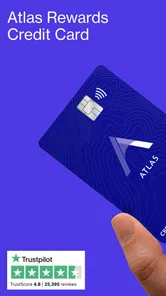

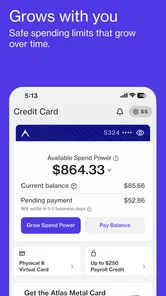
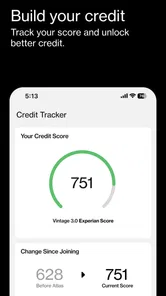
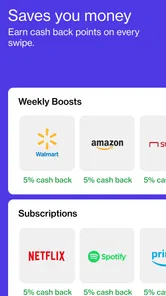
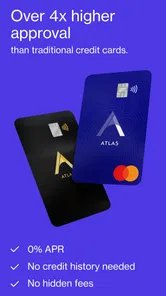
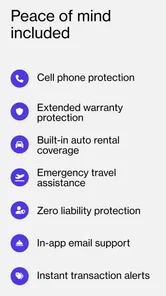
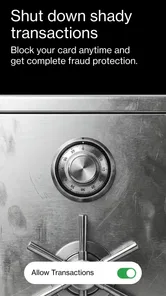
Analysis by Reviewed
Before I installed Atlas, I wanted a straightforward answer to one question: can a rewards-focused credit app fit into an ordinary spending routine without encouraging me to spend more? I’d approach it as a way to keep an eye on credit activity and rewards, not as a reason to change what I buy. The best first result is understanding how the app fits your finances, then using it only for purchases you had already planned.
Choosing a sensible first goal
It helps to decide what you want from Atlas before setup. Maybe you want to follow card activity more closely, explore rewards, or make credit-building part of a careful payment routine. Those goals can overlap, but they are not identical: a points offer does not itself build good credit habits, and watching a balance does not replace a budget. I’d choose one practical goal first, such as checking a planned purchase and then reviewing the resulting activity.
If you already use a bank app, a budget tool, and a card, you do not need to abandon them on day one. I’d treat Atlas as a focused addition and see whether its rewards-and-credit approach earns a useful place in my routine. That keeps the decision manageable and makes it easier to spot whether I’m gaining convenience or simply adding another account to monitor.
What to expect before you begin
I’d approach Atlas as a finance app for people curious about earning rewards while building credit, not as a shortcut to either. It’s free, developed by Exto Inc., and intended for everyone. Its 4.6 average from around 97,000 ratings and more than a million installs suggest that many people have tried it, but those numbers don’t tell you whether its approach suits your spending habits. The app’s current version is 4.7.8, and it first appeared on June 28, 2022.
The useful question is whether you’ll make decisions around your real budget or around the promise of points. I’d start by treating rewards as a possible extra, never as a reason to buy something I wouldn’t otherwise purchase. That mindset matters especially with a credit product: a reward is not a good deal if carrying a balance or spending beyond your means cancels out its value.
Features that Stand Out
First things first, the Atlas - Rewards Credit Card is all about maximizing your rewards. With every purchase, you're not just spending money; you're investing in your future perks. Whether it’s groceries, dining, or travel, you earn points that can be redeemed for a variety of rewards. What's even cooler? They often have promotional offers that can skyrocket your points earning potential.
Getting from setup to a first useful check
For a first-time user, I’d keep setup simple: install the app, follow the prompts it presents, and read each step before sharing information or accepting an option. Once you reach the account view, look for the basics that help you make a sound decision—your balance, spending activity, and any bill information shown there. I wouldn’t plan a purchase around a reward until I had checked the terms displayed in the app and understood how that reward can be used.
More From Our News Desk

 Bolt: Request a Ride
Bolt and the Shift from One-Tap Rides to More Legible Trips
Bolt shows how ride-hailing is shifting from a one-tap taxi request toward a more legible, choice-driven trip, while leaving the hardest questions of price and reliability unresolved.

 Farm Land - Farming life game
Farm Land Review: A Small Island Farm with a Satisfying Loop
A bright, breezy island farm turns a few quick chores into a satisfying cycle of planting, harvesting, expanding, and deciding what to build next.

 Android Auto
’s Community Takes Shape in the Passenger Seat
Its most valuable network is not a public feed but a shared set of routes, voice habits, app integrations, and advice that make driving less isolating—and sometimes more complicated.

 My Talking Angela
 Makes the Virtual Pet Feel Personal
A polished pet-raising game built on small rituals, playful customization, and a character who gives everyday screen time a surprisingly personal rhythm.

 Google Translate
 Review: A Pocket Tool for the Small Frictions of Travel
From menus and signs to quick conversations, Google Translate earns its place by cutting the little delays that make unfamiliar language feel like a barrier.

 Shazam: Find Music & Concerts
Shazam’s Best Trick Is Turning a Song Into a Night Out
A few seconds of recognition can settle an argument, rescue a half-remembered chorus, and point toward a live show. Shazam’s real trick is what happens after the match.
Latest News



A realistic first success is less dramatic than a big points haul. Say you’re buying your usual groceries: check the purchase afterward, confirm that the amount looks right, and see whether the app reflects the activity or points as expected. That small check helps you learn the interface without changing your routine or spending more just to test it.
Turning a routine purchase into a useful test
For that first grocery run, I’d keep the test deliberately narrow. Before paying, make sure the purchase is one you would have made anyway and that you understand how you plan to pay the resulting bill. Afterward, check the transaction details rather than judging the app by a headline points total. A clear match between the purchase and the activity shown is a more useful sign that you understand the workflow than a promotional bonus whose conditions you have not yet studied.
That approach also answers a common first-week question: should I use the card for everything straight away? I wouldn’t. Start with a familiar, easy-to-budget expense, then decide whether the tracking and reward experience feels clear enough for more planned purchases. If seeing available credit tempts you to treat it as extra income, keep usage limited or choose a debit-based approach instead. The point is to learn the routine while keeping your normal spending boundaries intact.
Easy Management
Managing your finances with Atlas is a breeze. The app interface is user-friendly, making it simple to track your spending, check your balance, and even pay your bill. No more waiting for monthly statements to know where you stand – it’s all at your fingertips!
Compared with a basic banking app, Atlas is more appealing if you want rewards and credit-building to be part of the same experience. A standalone budget tracker may be better if your main goal is detailed expense planning, while a familiar card from your bank may suit you better if you want to keep all your accounts in one place. I’d use Atlas for the credit and reward workflow it offers, not assume it replaces every money tool I already rely on.
How it fits beside your other money tools
The trade-off is less about which app is universally better and more about what you want to check in one place. If your main question is “What have I spent on this card, and what do I need to pay?”, a card-centered view can be convenient. If your main question is “How much can I spend across rent, bills, savings, and several accounts?”, a dedicated budget tool is usually the more natural home for that broader plan. I’d avoid duplicating every entry manually unless doing so genuinely helps me stay accountable.
There is also a practical middle ground: keep your bank app as the source you use for your wider cash position and use Atlas to follow its own card activity. That way, you can compare the card’s balance with the money you have set aside to pay it. It takes a little discipline, but it prevents a rewards screen from becoming the only view of your financial picture. For someone who values a single consolidated dashboard above all else, a card already integrated into their usual banking setup may be simpler.
Security is Key
In today’s digital age, security is paramount. Atlas ensures your transactions are secure with their advanced encryption technology. Plus, they offer real-time alerts to keep you updated on every transaction. If anything looks off, you can flag it immediately.
One practical habit is to review unfamiliar activity promptly rather than waiting until bill time. Alerts can help you notice a transaction, but they don’t remove the need to check that the amount and purchase make sense. If you’re uneasy about managing credit in an app, or prefer not to use a credit card at all, a debit card or a simple spending account may be a more comfortable fit.
Making alerts useful rather than noisy
I’d treat transaction alerts as prompts to check, not as proof that everything is correct. A purchase can be unfamiliar because the merchant name differs from the shop name you remember, for example, so I’d compare the amount and timing with my own receipts before deciding what to do. If something still looks wrong, use the app’s available account-help route promptly rather than ignoring it until a statement arrives.
On the other hand, frequent notifications can become background noise if I stop paying attention to them. A useful routine is to review activity at a consistent time, such as after a regular shopping trip, and make sure I can explain the transactions. That turns alerts into a light check on my spending instead of a stream of interruptions. I would also keep ordinary account-safety habits: use a secure device and avoid making a rushed decision just because a notification feels urgent.
Customer Support That Cares
Ever had an issue with your credit card and dreaded the customer service call? With Atlas, those fears are a thing of the past. Their customer service team is incredibly responsive, and they genuinely seem to care about resolving your issues promptly. Whether it's a billing question or a lost card, they’ve got your back.
When something is unclear, I’d check the wording in the app before making a payment or relying on a promotion, then contact support if the issue affects a charge, account access, or a decision about the card. That is a better use of help than guessing at reward rules. Promotions can make the experience more attractive, but they also make it worth slowing down and checking the conditions rather than assuming every purchase earns the same way.
Reading rewards without letting them set the budget
Promotions are easiest to evaluate when I separate the offer from the purchase. First, I’d decide whether the item belongs in my budget; only then would I check whether the offer adds anything worthwhile. This is particularly useful for a limited-time deal or a category I do not usually spend in. If an offer would make me buy extra, its headline value is not a saving for me.
I’d also make a note of what I need to understand before counting a reward as real value: which purchases qualify, how the reward can be redeemed, and whether the terms fit my intended use. That is not busywork; it avoids assuming that points and cash are interchangeable. Someone who wants only a simple cash-back arrangement may prefer a product with redemption rules they already know, while a curious user may be happy to compare options and learn the details.
Atlas - Rewards Credit Card isn’t just about spending; it’s about gaining. From travel rewards to cashback options, the flexibility is excellent. However, always remember that with great power comes great responsibility. Make sure to pay off your balance on time to truly enjoy all the benefits without any of the stress.
I’d also decide in advance what “building credit” means in my own routine: use the card only for planned spending, keep an eye on activity, and make payments deliberately rather than treating available credit as extra income. Rewards are easiest to judge after you understand what you can redeem and whether the options are useful to you. If you mainly want cash management without borrowing, there’s no need to choose a credit product just because points sound appealing.
A low-stress payment routine
For an everyday example, imagine I use the card for groceries and a planned household purchase during the week. I’d check both transactions, compare them with my receipts, and make sure the combined amount still fits the money I have set aside. When it is time to pay, I’d review the bill information shown in the app and make the payment intentionally, rather than waiting for a reminder to force the decision. The routine is simple, but it connects spending, review, and repayment instead of treating rewards as the main event.
If your income varies or you are juggling several due dates, I’d be especially cautious about adding another credit workflow. A rewards app can make purchases feel more satisfying, but it cannot make an uncertain repayment plan safer. In that situation, a debit card or a straightforward budgeting method may be the better first step; revisit credit rewards only when you can comfortably manage the amount and timing of payments.
So, if you’re in the market for a new credit card, give Atlas a try. With its competitive rewards program, robust security features, and stellar customer service, it’s a solid choice for anyone looking to get more out of their spending. Happy swiping!
Who is likely to get the most from it?
I can see Atlas fitting someone who already pays attention to everyday purchases and wants rewards to accompany a credit-building goal. It may be less suitable if you tend to overspend when a points offer appears, need a detailed budgeting system, or prefer to avoid credit entirely. My advice is to judge it by whether it supports habits you already want—not by how exciting a promotion looks on its own.
What I would check before making it a habit
Before relying on Atlas as part of my regular finances, I’d make sure I can answer a few plain questions from what the app shows me: where to check a transaction, how to review the bill, what steps are involved in paying, and how a reward is actually used. If one of those points remains unclear, I’d resolve it before increasing my use. A little certainty up front is more valuable than discovering a confusing term after I have built a routine around it.
Overall, I’d recommend trying Atlas only if the combination of credit activity and rewards matches a goal you already have. Keep the first purchase ordinary, check the resulting activity, and make repayment part of the same routine. If that feels clear and controlled, the app may be a useful companion; if it makes spending harder to track or rewards harder to resist, stepping back is the sensible choice.
Atlas - Rewards Credit Card Frequently Asked Questions
Do I need an Atlas credit card account to use the app?
Atlas is designed around managing an Atlas credit card account, so its usefulness depends on whether you have or intend to use that service. The app’s store summary focuses on earning cash back and building credit. Before installing, consider whether you want a mobile tool for handling a card account rather than a general-purpose finance app.
Who develops Atlas - Rewards Credit Card, and when was it released?
Atlas - Rewards Credit Card is a finance app developed by Exto Inc. It was released on June 28, 2022, and its current version is 4.7.8. Those details can help you identify the app when browsing for it and understand that it has been available for some time. Check that you select the app from the intended developer before downloading.
Is Atlas - Rewards Credit Card free to download?
The app is free to download. That makes it possible to install and explore the mobile experience without paying an app-download price. Keep in mind that downloading an app and using a credit card service are separate considerations: review the card account terms and any costs associated with the account before deciding to sign up or use it.
Who is the Atlas - Rewards Credit Card app designed for?
Atlas is a finance app for people who want to manage a credit card account on their phone and keep an eye on rewards. Its store summary is “Earn cash back. Build credit.” The app is published by Exto Inc. and is rated for Everyone, so it may be worth considering if you want card-management tools alongside a rewards-focused service.
What should I check before downloading Atlas - Rewards Credit Card?
Before downloading, make sure your device meets the app’s operating-system requirement and that you are comfortable managing your card account through a mobile app. Atlas is free to download, and the app is intended for use with an Atlas credit card account. It is also sensible to review the app’s permissions and account terms before signing in or sharing personal information.
Pros
- No annual fee for cardholders.
- Offers cashback on all purchases.
- Flexible payment options available.
- Instant notifications for transactions.
- Secure with advanced fraud protection.
Cons
- Limited to select countries.
- High foreign transaction fees.
- Requires good credit score.
- No introductory APR offers.
- Customer service can be slow.