The Room
- 33.76K
- 4.8
- Installs
- 1.00M
- Price
- $0.99

Screenshots


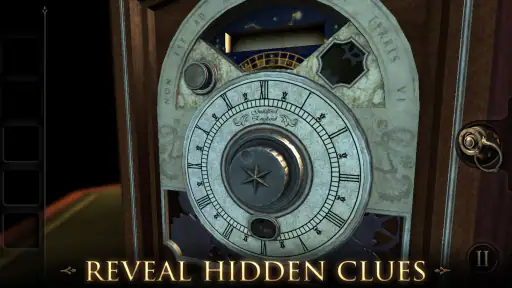
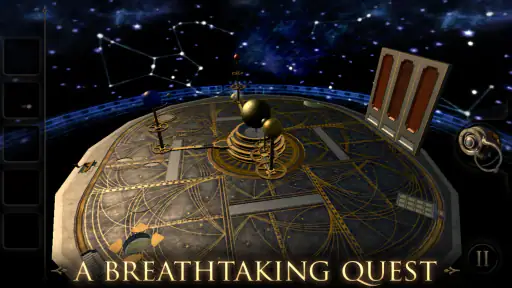
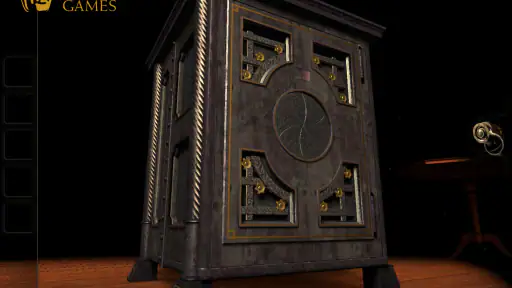
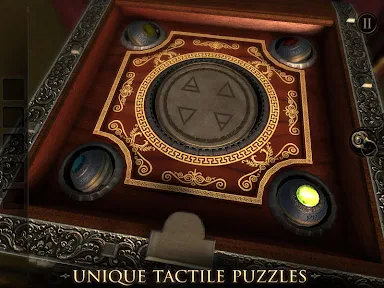
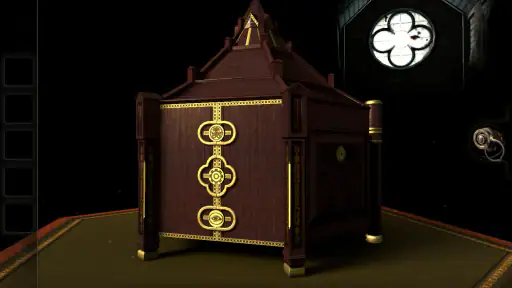

Analysis by Reviewed
If you enjoy handling a puzzle rather than simply answering one, The Room has a particular appeal. Its central pleasure is close inspection: a mysterious object sits in front of you, and progress comes from noticing how its parts relate, then testing what you can touch or move. I like that this makes solving feel physical, not like selecting a line from a list of clues. It is a focused mobile puzzle game from Fireproof Games, built around curiosity and careful observation.
Why examining the objects matters
The game’s tactile presentation is more than decoration. The detailed surfaces, shifting light and close-up view encourage me to slow down and look for seams, unusual markings or components that seem out of place. The controls let me swipe, pinch and zoom, so I can turn attention from the whole object to a small detail without losing the sense that I am interacting with a real mechanism. That close-up approach is the capability that gives the puzzles their identity.
How I work through a puzzle
In practice, I try a deliberate loop: inspect the object from different angles, test the parts that look movable, and pause when a response suggests I have uncovered something. If I get stuck, I revisit details I dismissed rather than repeatedly tapping everything. That habit helps keep experimentation purposeful. Some trial and error is part of the experience, but the most satisfying steps come when observation explains why a mechanism changes, rather than when I happen upon the right action by chance.
One useful habit is to make each action answer a small question. If a fitting looks unusual, I test it once, watch for a change, and then compare the object with how it looked before. This makes the visual feedback easier to read than a run of unrelated taps. When several details seem promising, I focus on one area at a time; otherwise, I can lose track of which interaction produced a response. The game rewards curiosity, but a little method makes that curiosity more productive.
The atmosphere supports this slower rhythm. Eerie music and small sounds make each discovery feel consequential, while the shadows and textures give the objects a convincing presence. I would not call the presentation a substitute for good puzzle design; it works because it makes close attention enjoyable. The game’s steady reveals also give me a reason to keep examining each new layer instead of treating every box as an isolated brainteaser.
A good fit for a quiet break
A realistic way to play is to settle in for a short stretch at home, perhaps with a cup of tea, and give one puzzle your full attention. The game suits someone who enjoys unhurried mysteries and is happy to stop, think, and return with fresh eyes. It is less suitable when I want rapid rounds, a score chase, or a puzzle that can be solved while barely looking at the screen. Its mood asks for concentration, and the tactile details are best appreciated when I am not rushing.
For example, I would choose it after dinner when I have enough quiet time to investigate an object without switching constantly between messages and other tasks. If I need to put the phone down, I try to stop after a discovery or a clear change rather than halfway through testing a clue. That gives me a natural point to resume and reduces the chance that I will repeat actions simply because I have forgotten what I was checking. It is not a game I reach for to fill a thirty-second wait; it feels better when I can stay with its atmosphere.
More From Our News Desk

Weather by Xiaomi Review: Clear at a Glance, Less Clear Up Close

X Under Pressure: Can It Recover When Posting Goes Wrong?

Clash of Clans Is Won Between the Battles

Android Auto Makes the Case for Quieter Car Software

MobiOffice: Transforming Mobile Productivity with Seamless Integration

EA SPORTS FC™ Mobile Soccer: Redefining Mobile Sports Gaming
A Dive into the Mysterious World
When I first opened The Room, I was immediately struck by its stunning graphics and eerie music. The game sets the mood perfectly with its dark and mysterious ambiance, making you feel like a detective on the brink of uncovering something big. The attention to detail is impeccable, and the tactile experience is so realistic that it almost feels like you’re physically interacting with the objects.
Gameplay That Hooks You
The gameplay is what really sets this app apart. You’re presented with a series of intricate puzzle boxes, each more challenging than the last. I found myself completely engrossed in figuring out each box’s secrets, using a combination of logic, observation, and sometimes a bit of trial and error. The controls are intuitive, allowing you to swipe, pinch, and zoom with ease, almost as if the game is responding to your every thought.
What I love most about The Room is its ability to keep you guessing. Just when you think you’ve got it all figured out, another layer of mystery is revealed. It’s this constant evolution that keeps you coming back for more, always eager to see what the next chapter holds.
A Visual and Auditory Delight
Visually, the game is a masterpiece. The textures, the shadows, the way light plays on surfaces – it’s all designed to pull you deeper into the storyline. The sound design complements this perfectly. The subtle creaks, the echoing footsteps, and the hauntingly beautiful soundtrack all work together to create an immersive experience that’s hard to put down.
The close camera view is especially helpful when I am deciding whether a mark is simply decoration or something worth investigating. Rather than immediately zooming in on every detail, I first take in the whole object, then narrow my focus to features that stand out. This order gives me a better sense of how small parts fit into the larger mechanism. It is a modest change in approach, but it helps the puzzles feel like connected objects instead of collections of unrelated touch points.
Where it stands among puzzle games
Compared with quick-match puzzles or games built around a stream of separate riddles, this one asks you to stay with a single object and read its physical details. That makes it more absorbing for me, but also less convenient for tiny gaps in the day: if I am interrupted halfway through investigating a mechanism, I may need a moment to recall what I was testing. I find it helps to stop after a clear discovery, rather than in the middle of a chain of clues.
That difference matters if you are choosing between this and a familiar casual puzzle. Match-and-clear games are usually easier to dip into without remembering context, while this experience asks me to carry a little mental thread from one interaction to the next. It offers a more tangible sense of investigation in return. I would choose it when I want to explore and reason through an object; I would pick a quick-round alternative when I want an immediate task that needs no warm-up and can be abandoned at any moment.
The game is rated for Everyone, and its puzzle focus makes it an approachable choice for players who prefer thinking to reflex challenges. Still, the shadowy mood and measured pace will not suit every younger player or every family’s taste. I would choose a brighter, more playful puzzle game for someone who wants light comedy or quick instructions; this is better for a player who enjoys an air of mystery and is comfortable working things out without constant prompts.
Small habits that make the puzzles smoother
When a clue seems to lead nowhere, I avoid treating every surface as a button. I rotate the view, zoom in on markings, then return to the part that has changed since my last action. That sequence cuts down on random tapping and makes the logic easier to follow. I also take a brief pause if I feel stuck: because the puzzles reward noticing relationships between details, a fresh look can be more useful than repeating the same gestures.
Another practical choice is to adjust how long I spend on a single puzzle. If I am making progress, I stay with it; if I have tried the same idea several times without learning anything, I step away and come back later. The point is not to avoid difficulty, but to make sure each attempt is testing a fresh observation. This is a better fit for players who enjoy thinking through uncertainty than for anyone who finds being stuck frustrating and wants frequent nudges toward the next move.
It is worth knowing what kind of purchase this is before settling in. The game costs $0.99, and its average rating is 4.8 from around 284,000 ratings; it has passed one million installs. Those figures fit its lasting appeal, but they do not mean every puzzle style will click for everyone. At version 1.09, it supports Android 5.1 and later, while the release dates back to April 5, 2013. I would treat it as a compact, atmosphere-led puzzle experience rather than expect the structure of a newer, constantly updated game.
For a prospective player, the important question is less whether the game is easy to pick up and more whether its pace suits the way you want to play. Its touch controls are straightforward, but the puzzles still ask you to notice, remember and make sense of changes. The one-time price is modest, yet I would not buy it expecting a stream of unrelated mini-games or quick daily tasks. I see it as a focused purchase for a particular mood: a quiet session spent following a mystery through its physical details.
Who will get the most from it
Fireproof Games has made a strong pick for anyone who likes escape-room-style observation, intricate objects and the satisfaction of figuring out a mechanism without rushing. It is also a good choice for a player who wants a game that feels distinct from familiar match-and-clear puzzles. I would skip it if I mainly want fast action, frequent rewards, or an open-ended collection of daily challenges; the appeal here is the focused mystery, not a routine of short tasks.
I would also recommend it to someone who enjoys noticing small visual changes and is willing to try a different angle when a first idea fails. The tactile presentation makes it approachable for players who may not usually choose a conventional logic puzzle, because the objects give their attention somewhere concrete to go. On the other hand, players who prefer explicit directions, a bright comic tone, or constant forward motion may find the deliberate investigation too slow. Knowing that distinction beforehand is more useful than assuming every puzzle fan will enjoy the same style.
Why You Should Download It
If you’re a fan of puzzles and love a good mystery, The Room is a game you should definitely try. It’s not just about solving puzzles; it’s about the journey, the atmosphere, and the thrill of discovery. Plus, with its high replay value, you’ll find yourself coming back to it time and time again, trying to find new secrets or beat your previous times.
In conclusion, The Room is more than just a game; it’s an experience. It challenges your mind, engages your senses, and keeps you on the edge of your seat. So, go ahead, download it, and step into the room where every object has a story to tell.
The Room Frequently Asked Questions
Is The Room a good fit if I enjoy hands-on puzzles and mysteries?
The Room is a puzzle game built around interacting with intricate objects, inspecting their details, and working out how their mechanisms fit together. Its mystery-focused atmosphere gives the solving a sense of discovery rather than making it feel like a collection of unrelated brain teasers. If you enjoy taking your time and looking closely for clues, its style is likely to appeal.
How much does The Room cost, and what do you get for the purchase?
The Room costs $0.99 as a paid puzzle game. Its appeal is built around examining intricate objects, solving mechanisms, and uncovering secrets, so the purchase is for a focused, single-player puzzle experience rather than a free game supported by ads. If you enjoy careful observation and tactile-feeling puzzles, its compact premise may be a good fit.
Can I play The Room on my Android or iOS device?
The Room is available for Android and iOS, and the Android version requires Android 5.1 or later. Before downloading, check that your device runs a compatible operating system and that the game is available for your device in its app store. The game is designed around interactive puzzle objects, so a touchscreen device is the natural way to play.
What is The Room, and what type of game is it?
The Room is a critically acclaimed puzzle game available on both Android and iOS platforms. It immerses players in a series of intricately designed rooms filled with complex puzzles. The main objective is to solve these puzzles to unlock secrets and progress through the story. It's known for its stunning graphics, atmospheric soundtrack, and challenging gameplay that requires keen observation and problem-solving skills.
Is The Room suitable for all ages?
The game carries an Everyone content rating, while its puzzles still call for logical thinking, attention to detail, and patience. Players who like mysteries and brain teasers may find the challenge engaging, but younger players may appreciate having help if they get stuck. Its atmospheric presentation also gives the puzzle-solving a moody feel, which may suit some players more than others.
Pros
- Immersive 3D puzzle environment
- Intricate and engaging storyline
- Smooth touch controls
- High-quality graphics and sound
- Challenging brain teasers
Cons
- Limited replay value
- Can be too dark visually
- Requires significant storage space
- No multiplayer mode
- Some puzzles may be difficult
- Category
- Puzzle
- Version
- 1.09