The Room: Old Sins
- 11.13K
- 4.9
- Installs
- 500.00K
- Price
- $4.99

Screenshots
Analysis by Reviewed
I’d choose The Room: Old Sins when I want a puzzle game that rewards patience and careful observation, rather than quick reactions or competition. Its central appeal is handling a mysterious, detailed world as I work through its mechanisms and clues. That makes it a good fit for a quiet break when I can give the screen my attention, but a less natural choice if I’m looking for something to play in short, distracted bursts.
What to consider before you start
The Room: Old Sins is a paid puzzle game from Fireproof Games, and the one-time price is $4.99. I’d think of that as paying for a focused, self-contained puzzle experience rather than an endlessly refreshed game. If I enjoy taking my time with physical-feeling objects and following a mystery, that format makes sense. If I usually prefer free-to-start games, daily challenges, or rapid rounds, the price may be harder to justify.
The game is rated Everyone, and its current version is 1.0.4, with Android 6.0 as the minimum operating-system requirement. Its average rating is 4.9 from around 81,000 ratings, while more than 500,000 installs give a sense of its reach among players. Those figures are reassuring context, but I’d still choose based on whether its slower, hands-on puzzle style suits me.
The Plot Thickens
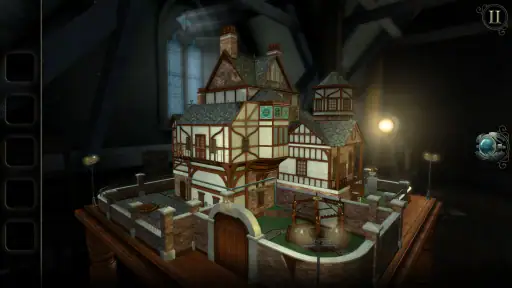
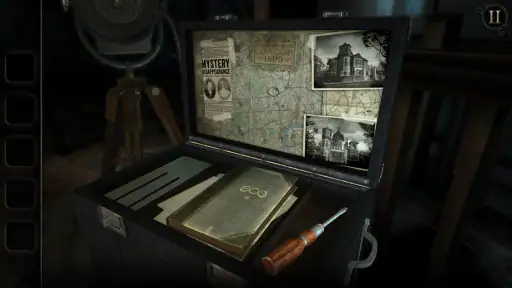
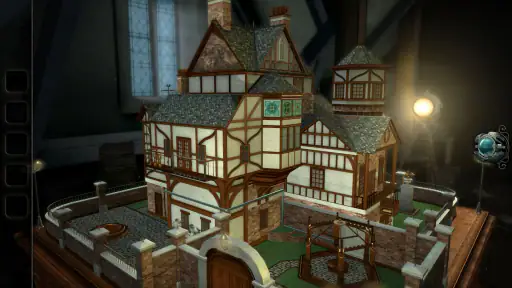
The story kicks off with the mysterious disappearance of an ambitious engineer and his high-society wife, which leads you, the player, on a hunt for a precious artifact. The entire game is set within the confines of a somewhat eerie dollhouse. But don’t let the idea of a dollhouse fool you into thinking it’s a child’s play. This dollhouse is filled with intricate puzzles and hidden secrets that unravel as you progress. The developers have done a stellar job of intertwining the narrative with the gameplay, making every puzzle you solve feel like a step closer to uncovering the truth.
Where its focused design pays off
What I like about this kind of puzzle is that it encourages a deliberate routine: inspect an object, try its moving parts, then return to anything that seemed unusual once I’ve learned more. Instead of treating every clue as a separate riddle, I can connect small discoveries to the larger mystery. That makes revisiting a room feel purposeful rather than like backtracking for its own sake. A useful habit is to pause before tapping randomly and ask what the object’s shape, markings, or movement might be telling me.
That approach also suits an ordinary evening better than a long, uninterrupted session. I can settle in after dinner, solve a section, and stop when I reach a natural point, rather than needing to keep up with other players or remember a complex control scheme. On a phone or tablet, touch interaction is especially well matched to examining and manipulating objects. Still, I’d avoid starting when I’m likely to be interrupted: a half-remembered clue can make the next session feel less clear.
Visuals and Atmosphere
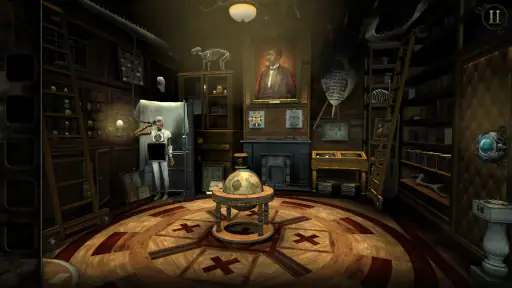
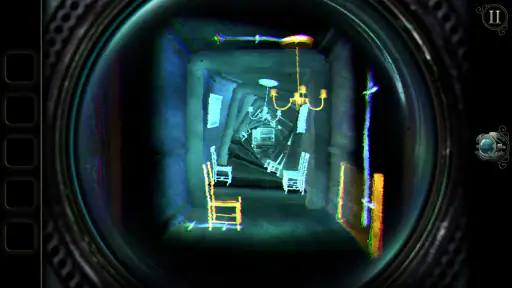
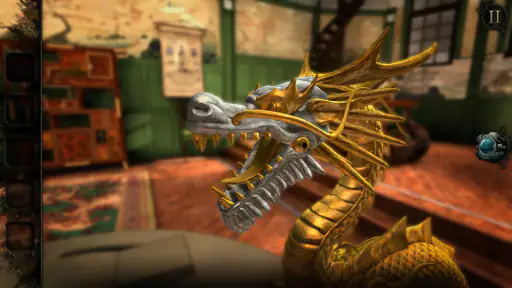
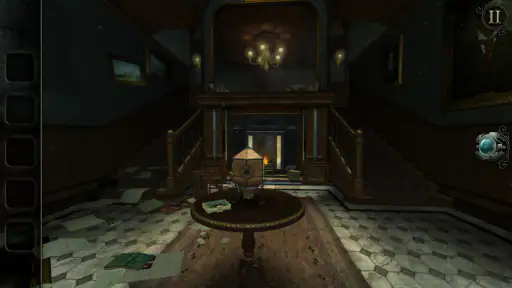
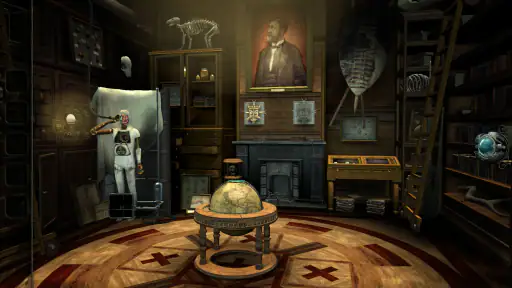
One of the standout features of The Room: Old Sins is its stunning graphics. The attention to detail is mind-blowing, and the atmospheric design pulls you right into the world of mystery and intrigue. The lighting, the textures, and the overall aesthetic are just phenomenal. It’s like they’ve taken care to craft every nook and cranny of the game to perfection. You might find yourself pausing just to admire the beautifully rendered environments. Trust me, it’s that good!
More From Our News Desk

Clash of Clans Is Won Between the Battles

Android Auto Makes the Case for Quieter Car Software

MobiOffice: Transforming Mobile Productivity with Seamless Integration

EA SPORTS FC™ Mobile Soccer: Redefining Mobile Sports Gaming

How Microsoft OneDrive Became a Mobile Productivity Giant

How Google Translate Breaks Language Barriers Effortlessly
The dollhouse framing gives that visual detail a practical role: it invites me to treat each setting as something to examine, not merely a backdrop to pass through. I can zoom in on a feature, then shift my attention to how it relates to the space around it. That kind of close looking is rewarding on a screen I can hold comfortably and view without rushing. It is less suited to playing while walking, sharing attention with a conversation, or trying to make progress in a few seconds at a time.
Puzzling Puzzles
Now, onto the meat of the game—the puzzles! If you’re someone who thrives on challenges, then you’re in for a treat. The puzzles in this game are brilliantly designed and are bound to make you scratch your head more than a few times. They range from simple mechanical challenges to more complex logic-based conundrums. The sense of satisfaction you get from finally cracking a particularly tough puzzle is unmatched. Plus, the intuitive touch controls make interacting with the game a breeze, allowing you to feel fully immersed in the experience.
There’s a useful trade-off here: the tactile style makes solving feel satisfying, but it also means I need to inspect the scene closely and use deliberate gestures. When I get stuck, I find it better to change my approach than to repeat the same action. I’ll look at the object from another angle, check nearby details, and consider whether an earlier clue changes what I should try. That’s a more rewarding way to make progress than tapping everything in frustration.
Players who want a hint-free test can take their time before seeking help, while anyone who finds a puzzle frustrating may prefer to use whatever guidance the game offers rather than abandon the story. The key decision is how much uncertainty feels enjoyable. If I want a constant stream of obvious objectives, this is not the right match; if I like working things out at my own pace, the occasional stall is part of the appeal.
Compared with word puzzles, number grids, or match-style games, this is less about solving a repeatable format and more about interacting with a specific setting and its objects. Those alternatives are better when I need a quick round or a familiar challenge I can dip into without following a narrative. Old Sins is the better choice when atmosphere, exploration, and a sense of discovery matter more than speed or endless replay.
And here's a little tip: pay attention to details. Sometimes the smallest hint can lead to the biggest breakthrough. So, keep your eyes peeled!
Audio Experience
A good game isn’t just about visuals and gameplay; sound plays a crucial role too, and The Room: Old Sins nails it. The eerie soundtrack perfectly complements the mysterious vibe of the game. Every click, turn, and twist is accompanied by sound effects that add depth to the experience. It’s the kind of game where you’d want to plug in your headphones and get lost in the ambiance.
Sound is part of the mood rather than a substitute for observation, so I wouldn’t make headphones a requirement for every session. They make sense when I want to settle into the atmosphere at home, while playing quietly can be more practical in a shared space. If I do use headphones, I still try to keep my attention on the objects themselves; the game’s appeal comes from combining that close inspection with its eerie presentation.
Who should choose it—and who should pass
The game is the fourth entry in the The Room series, but I’d recommend it most to someone who is specifically drawn to this entry’s dollhouse mystery and hands-on puzzle solving. Being part of a series may appeal to returning fans; newcomers can still judge it by its self-contained setting and puzzle-focused play. With 11,000 reviews, it has also drawn substantial player feedback, though popularity alone cannot tell me whether its pace will suit a particular person.
I’d pass if I mainly want a social game, frequent competitive matches, or something that can be played almost entirely by instinct. I’d also think twice if I dislike paying before I know whether a game’s style works for me. On the other hand, it’s a strong candidate for someone who enjoys examining crafted environments, following a subdued mystery, and giving a tricky object a few thoughtful attempts.
For a realistic use case, I’d pick it on a quiet evening when I have enough time to focus but don’t necessarily want to commit to one long sitting. I could work through a puzzle, stop after a satisfying discovery, and return later with a clear idea of what still interests me. Someone who plays mostly during brief, interrupted waits may have a harder time keeping track of clues. A familiar word or number puzzle would be a better companion for that kind of stop-and-start routine.
Making the purchase decision
There’s little practical switching cost if I decide the style is not for me, but the bigger commitment is attention: the pleasure comes from noticing details and remembering what I have already tried. I’d play somewhere comfortable, with enough time to explore rather than squeezing it into a noisy commute. Headphones can help bring out the sound design, though they are not essential to understanding the core appeal. If I’m buying it as a gift, I’d first make sure the recipient enjoys slow, solitary puzzles more than quick-action games.
The paid format also changes what I’d expect from the purchase. I wouldn’t approach it as something that needs daily rewards or a routine of short repeatable rounds to feel worthwhile. Its value is in the particular mystery and the time spent working through it. That makes the decision personal: if I enjoy carefully exploring one designed experience, the price is easier to accept; if I want a puzzle game to supply a fresh challenge whenever I open it, a different format may suit me better.
One practical way to avoid frustration is to make a mental note of what I have already tested before putting the game down. I don’t need a formal log for every interaction, but remembering which parts moved, what looked unusual, and which clue changed my thinking can help me restart without retracing every step. This matters most after a break between sessions. The trade-off is that the game asks for a little continuity from me; that’s part of its investigative feel, but not ideal if I want every return to start with a completely fresh, obvious task.
As a puzzle specialist, Fireproof Games has built a recognizable kind of experience here: enclosed spaces, careful inspection, and a mystery that gives the objects a reason to matter. Its 4.9 average is impressive, but I wouldn’t treat a high rating as proof that every puzzle player will enjoy it. The deciding question is simple: do I want a tactile mystery to explore, or a quick puzzle I can put down without losing the thread?
My recommendation
The Room: Old Sins is a convincing pick for patient puzzle fans who value atmosphere and the satisfaction of working through carefully presented objects. I’d recommend it to a friend who likes to slow down, look closely, and solve a mystery without being rushed. I’d steer someone seeking short, competitive, or endlessly repeatable challenges toward a different kind of puzzle game instead.
In conclusion, if you’re looking for a puzzle game that offers a rich narrative, striking visuals, and challenging puzzles, The Room: Old Sins is well worth considering. It’s a game that invites you to spend time with its enigmatic world and leaves room for the pleasure of figuring things out yourself. So, go ahead and immerse yourself in the world of Old Sins. Happy puzzling!
The Room: Old Sins Frequently Asked Questions
Is The Room: Old Sins a good choice if I prefer story-driven games?
The Room: Old Sins combines a mystery with hands-on puzzle solving, so its story unfolds as you explore and work out how objects and mechanisms fit together. The central mystery concerns the disappearance of an ambitious engineer and his wife. If you want a game where investigation and solving puzzles drive the narrative, this approach is a natural fit; it is not built around fast-paced action.
Who developed The Room: Old Sins, and where does it fit in the series?
The Room: Old Sins was developed by Fireproof Games and is the fourth entry in the multi-award-winning The Room puzzle game series. You can expect a puzzle-focused experience centered on close observation, exploration, and interacting with objects. Knowing its place in the series may be useful if you are already familiar with the earlier games, but its central appeal is the mysterious setting and its mechanisms.
What kind of game is The Room: Old Sins?
The Room: Old Sins is a puzzle game and the fourth entry in the multi-award-winning The Room series. It centers on exploring a detailed, dollhouse-like setting and interacting with objects to uncover their secrets. If you enjoy carefully examining environments and working through mechanical puzzles, its focus is on that sort of hands-on discovery rather than fast-paced action.
What is the main objective in The Room: Old Sins?
In The Room: Old Sins, the main objective is to solve intricate puzzles to uncover the mystery surrounding the disappearance of an ambitious engineer and his wife. Players explore a dollhouse-like environment, unlocking hidden secrets by maneuvering through complex mechanisms and solving challenging riddles. The game's immersive atmosphere and cleverly designed puzzles are key to progressing through the storyline.
Is The Room: Old Sins suitable for all age groups?
The Room: Old Sins is generally suitable for teenagers and adults due to its complex puzzles and eerie atmosphere. While it does not contain explicit content, the game's challenging nature and suspenseful environment may not be ideal for younger children. It carries an Everyone content rating, but parental guidance is still worth considering if younger players are interested in trying the game, especially because of its suspenseful mood.
Pros
- Stunning graphics and immersive atmosphere.
- Challenging puzzles that engage the mind.
- Intuitive touch controls for smooth gameplay.
- Engaging storyline with unexpected twists.
- No ads for an uninterrupted experience.
Cons
- Limited replay value once puzzles are solved.
- Requires a higher-end device for optimal play.
- Some puzzles may feel overly complex.
- Relatively short gameplay for seasoned players.
- No multiplayer or social features.

- Category
- Puzzle
- Version
- 1.0.4