The Room Two
- 29.44K
- 4.9
- Installs
- 1.00M
- Price
- $1.99

Screenshots
Analysis by Reviewed
I’d approach The Room Two as a quiet, hands-on puzzle game rather than something to play while half-watching a show. Its pleasure comes from studying an object, noticing a detail that seems out of place, and testing what that detail might do. If you enjoy mysteries that let you investigate at your own pace, the first few minutes make a reassuring case for settling in and looking closely.
What to expect from this puzzle adventure
This is a puzzle game from Fireproof Games, built around tactile-feeling objects, layered clues, and an eerie atmosphere. It has a 4.9 average from around 241,000 ratings, and more than a million installs. Those figures suggest a well-loved entry in its niche, but the important distinction is its pace: this is not a reflex test or a stream of quick, disposable brainteasers. It asks you to observe, experiment, and remember what you have already inspected.
The mood is part of the appeal, though it may not suit everyone. Shadowy rooms and unsettling sound create tension without turning the experience into an action game. I’d choose it for a calm evening or a short break when I want to focus on one absorbing task; I would not choose it when I need bright, cheerful stimulation or a game I can play without paying attention.
Getting comfortable with the first puzzles
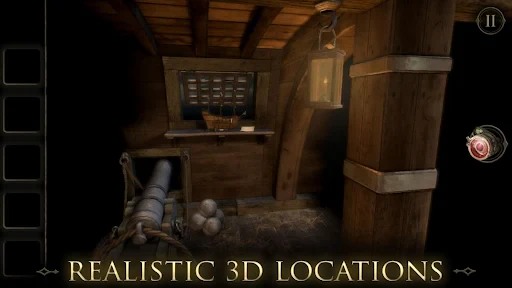
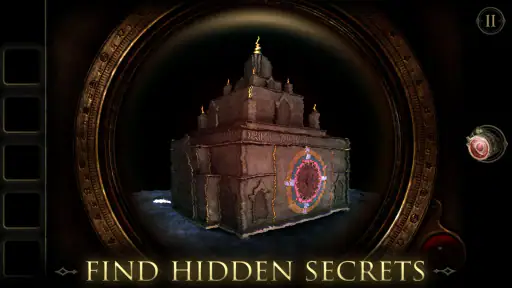
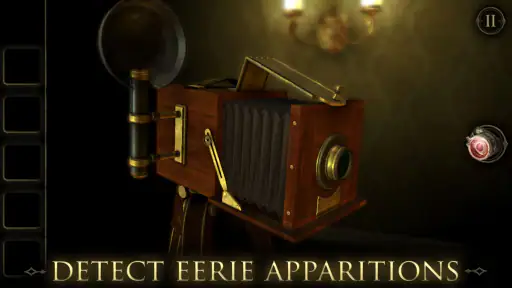
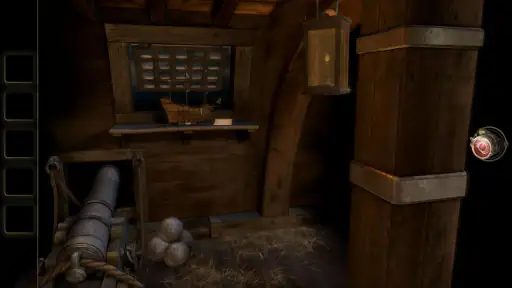
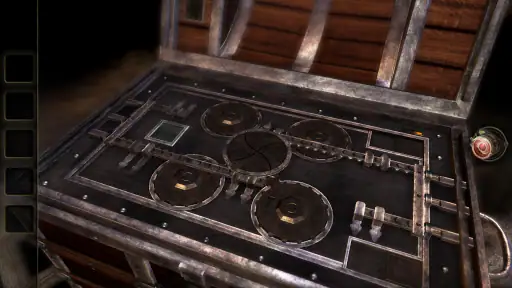
Jumping into The Room Two feels like stepping into a mysterious, forgotten world. Right from the get-go, the game enthralls you with its stunning graphics and atmospheric sound design. The developers have done an exceptional job at creating an environment that feels both eerie and inviting. The rooms are adorned with intricate details that make you want to explore every nook and cranny.
From installing to your first useful discovery
The game costs $1.99, is rated Everyone, and its current version is 1.11. It runs on Android 4.4 or later, which gives it a clear starting point if you are checking an older device. Before settling in, I’d charge the phone and find a comfortable place to hold it; close visual inspection is central to the experience, and a rushed commute or a tiny, distracting screen can make clues easier to miss.
For a first session, resist the urge to tap every object quickly. Move your attention around one object at a time, examine its edges and visible mechanisms, and try interactions deliberately. The first satisfying breakthrough is often not a complicated chain of logic but realizing that a small visual feature is meant to be handled. That habit—look, test, then look again—makes later puzzles feel fairer and helps you avoid random tapping that can blur the clues together.
Gameplay Mechanics That Hook You In
The gameplay mechanics are intuitive yet challenging. As you progress through the game, you’ll find yourself solving puzzles that are ingeniously crafted. Each puzzle is unique, requiring you to think outside the box and pay attention to even the smallest details. What’s more, the game doesn’t hold your hand. You have to rely on your wits and the subtle clues scattered throughout the game.
More From Our News Desk

Clash of Clans Is Won Between the Battles

Android Auto Makes the Case for Quieter Car Software

MobiOffice: Transforming Mobile Productivity with Seamless Integration

EA SPORTS FC™ Mobile Soccer: Redefining Mobile Sports Gaming

How Microsoft OneDrive Became a Mobile Productivity Giant

How Google Translate Breaks Language Barriers Effortlessly
When I get stuck, I find it more useful to pause and describe the object to myself than to keep repeating the same gesture. What can move? What looks like a control, a seam, or a piece that might fit somewhere else? A brief break can also help: returning with fresh eyes is a better strategy than tapping faster. If you prefer explicit instructions at every stage, this restrained guidance may feel frustrating; the reward depends on doing some of the interpretive work yourself.
One of the highlights for me was how seamlessly the puzzles are integrated into the storyline. It never feels like a chore to solve them; instead, it feels like an integral part of the game’s narrative. The sense of accomplishment you get after cracking a particularly tough puzzle is incredibly rewarding.
Keeping track without turning it into homework
A useful habit for longer puzzles is to remember the question you were trying to answer, not every detail you saw. For example, keep in mind that you were looking for a way to open a particular mechanism, or that one marking seemed to relate to another part of the object. That small mental bookmark makes it easier to return after a break without retracing every inspection. I wouldn’t take notes for every room, but if I had to stop midway through a knotty sequence, a short reminder in my own words would be more useful than a vague “I was stuck here.”
It is also worth changing your viewpoint before deciding that an object has no more to offer. A detail that blends into the design when viewed straight on may become noticeable when you inspect the object from another angle or focus on its boundary. The point is not to search randomly around the screen; it is to revisit the same object with a specific question. That distinction keeps exploration purposeful and helps the game’s fine visual detail feel like evidence rather than decoration.
How it fits into an ordinary day
A realistic way to play is to set aside a quiet stretch after dinner, make progress through a puzzle, and stop once you reach a natural pause rather than trying to rush through. The game rewards attention and memory, so a few focused minutes can be more satisfying than playing distractedly in several tiny interruptions. If you do have to put it down, taking a moment to remember the object or clue you were investigating can make it easier to resume your train of thought.
Compared with casual puzzle apps that serve up separate levels for quick completion, this experience leans on atmosphere and connected discovery. That makes it more absorbing, but less convenient if you only want a rapid challenge with an obvious finish line. It is also a different choice from a word or number puzzle: here, close observation and experimenting with the objects matter more than solving a familiar format from memory.
A Visual and Auditory Feast
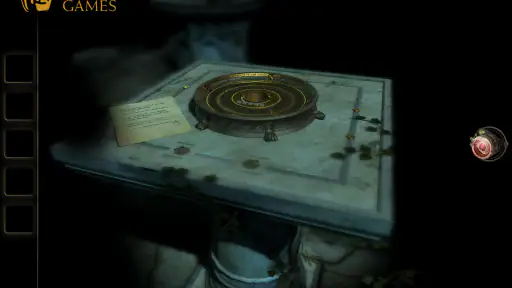
The visual experience in The Room Two is nothing short of spectacular. The attention to detail is remarkable and adds depth to the overall atmosphere of the game. The lighting, shadows, and intricate designs on objects create a visually stunning experience that pulls you deeper into the game’s world.
Couple that with an evocative soundtrack and you have a game that not only looks good but sounds amazing too. The eerie music and sound effects heighten the suspense, making every moment more thrilling.
Making the most of a focused session
I’d treat the sound and visuals as part of how I settle into a puzzle, rather than background decoration. If the eerie audio helps you concentrate, a quiet room and a comfortable volume can make the atmosphere more involving. If it distracts you or makes the experience less relaxing, you can still approach the objects methodically; the important thing is being able to inspect details without other demands competing for attention. This is one reason I see it as a better fit for a deliberate session than for playing while multitasking.
There is a practical trade-off in that visual richness: it encourages close inspection, but can also make it tempting to assume every tiny detail is a clue. I try to look for features that appear functional—something that might slide, turn, align, or connect—rather than assigning meaning to every mark. That keeps the investigation manageable and prevents decorative detail from sending me down a string of unsupported guesses.
Who will enjoy it—and who may want another kind of game
I’d recommend it to players who like to inspect carefully, make their own deductions, and enjoy a mysterious setting as much as solving the puzzle itself. It is also a good fit if you want a premium game rather than a free app built around quick, repeated rounds. The one-time price is modest, but the style is specific: someone seeking multiplayer competition, constant action, or light puzzles that explain each step may be happier elsewhere.
The atmosphere can be a trade-off, too. Its eerie presentation adds character, but anyone who dislikes suspenseful sound and dim surroundings may not find it relaxing. I’d also avoid starting a difficult puzzle when I have only a moment to spare; being interrupted can break concentration, and the game’s appeal depends on having room to think.
Where it sits among puzzle games
The closest comparison is not a daily word grid or a collection of match-and-clear stages. Those formats are easier to dip into for a minute, and they make success immediately legible: finish the round, see the result, move on. This game asks for a different kind of attention. Progress comes from understanding how an object works and noticing how separate clues might relate, so a session can feel like solving a small physical mystery rather than completing a score-based challenge.
That difference matters when choosing what to play. If I want something to occupy my hands while waiting in a queue, a self-contained level game is more convenient. If I have a calm stretch and want to become absorbed in one setting, this is the stronger choice. The game is also less suited to anyone who measures enjoyment mainly by speed or high scores; its satisfying moments are the quiet ones when an observation finally makes sense.
Why You Should Dive In
So, why should you give The Room Two a shot? If you enjoy puzzles, love a good mystery, and appreciate beautiful game design, this game is a must-try. It’s a perfect blend of challenge and narrative, offering a gaming experience that is both engaging and satisfying.
In conclusion, The Room Two offers a captivating escape into a world of mystery and intrigue. It’s a game that invites you to lose yourself in its puzzles and emerge with a sense of satisfaction and wonder. So grab your device, dim the lights, and prepare to be captivated by the enchanting world of The Room Two.
The Room Two Frequently Asked Questions
Is The Room Two a standalone game, or should I play the first The Room before downloading it?
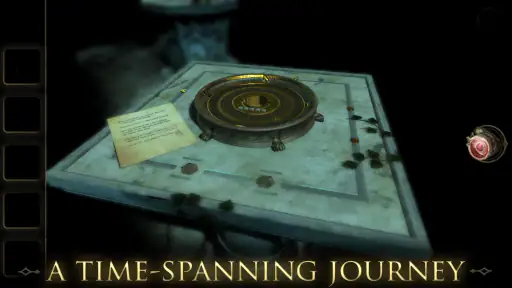
The Room Two is a puzzle game in its own right, centered on examining objects, manipulating mechanisms, and uncovering a mystery. Its store summary calls it “A time-spanning journey,” which gives the experience a story-led feel. If you are new to the series, you can still approach it as a game about observing clues and solving room-based puzzles; players who have enjoyed the first game may already recognize the style.
What kind of controls and interaction does The Room Two use?
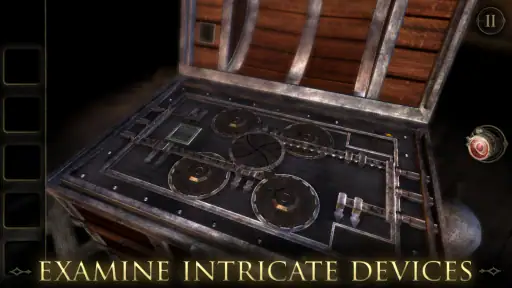
The gameplay focuses on interacting directly with objects and mechanisms, rather than relying on fast movement or reflexes. You examine details, try components, and work out how pieces fit together as you explore each room. That makes the experience well suited to players who enjoy tactile puzzle solving and taking time to inspect their surroundings. The central appeal is careful observation and experimentation.
How much does The Room Two cost, and what do I get for the purchase?
The Room Two is a premium puzzle game priced at $1.99. Buying it gives you access to the game itself, rather than a free download that depends on optional purchases to continue. It is developed by Fireproof Games, and its store summary describes it as “A time-spanning journey.” If you enjoy exploring tactile puzzles and uncovering a connected mystery, this is the kind of experience the purchase is meant to provide.
What is the main objective of The Room Two?
The Room Two is a puzzle game that immerses players in a mysterious world filled with intricate puzzles and hidden secrets. The main objective is to solve challenging puzzles by interacting with a variety of objects and mechanisms in each room to progress through the story. Players must use their observation skills and problem-solving abilities to unlock the mysteries of each room and ultimately escape.
Is The Room Two suitable for all ages?
The Room Two is generally suitable for a wide range of ages, particularly for those who enjoy puzzle games. However, due to its eerie atmosphere and suspenseful theme, it might not be suitable for very young children or individuals who are easily frightened. Parents should consider the game's content and themes before allowing younger players to engage with it. It carries an Everyone content rating, though the mood may still feel unsettling to some players.
Pros
- Engaging puzzles enhance cognitive skills.
- Stunning graphics create immersive experience.
- Intuitive touch controls for smooth gameplay.
- Intriguing storyline keeps players hooked.
- Multiple languages support broadens accessibility.
Cons
- Limited replay value once puzzles are solved.
- Requires high-performance device for best experience.
- Lack of hints can frustrate some players.
- Relatively short gameplay length.
- No multiplayer or social features available.

- Category
- Puzzle
- Version
- 1.11