Matchington Mansion
- 104.10K
- 4.4
- Installs
- 100.00M
- Price
- Free

Screenshots





Analysis by Reviewed
Hey there, app explorers! Today, I’m diving into the whimsical world of Matchington Mansion, a game that’s been buzzing around the app stores for quite some time. I’ve spent some quality time with it, and I’m here to spill the tea on everything you need to know before hitting that download button.
Finding your way around the mansion
One useful way to approach the game is to treat its two activities as a single loop: solve a board, then spend the earned progress on the mansion. That clear cause and effect makes it easy to return after a break; I can see what the next puzzle contributes to without having to remember a complicated set of controls. The renovation choices also give the puzzles a visible purpose, rather than leaving each level as an isolated score chase.
That setup may suit players who like a small, definite task between other parts of the day. If I have a few spare minutes, I can focus on a board and decide whether to continue once it is done. The mansion’s evolving rooms provide a longer goal for people who enjoy seeing incremental changes, while the puzzle remains the main activity for anyone who prefers to think move by move.
Welcome to Matchington Mansion
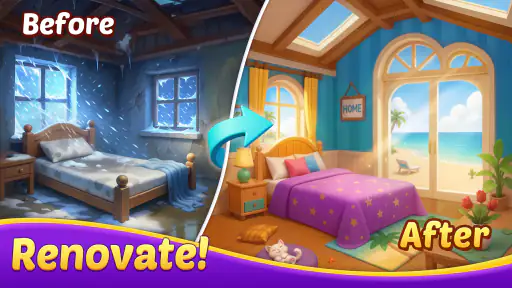
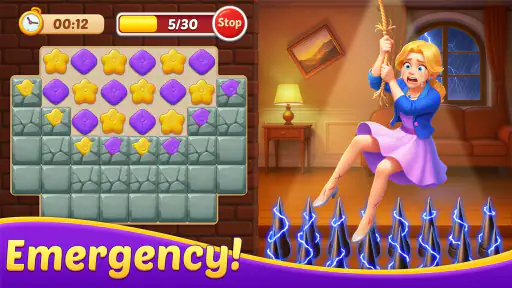
So, what’s the deal with Matchington Mansion? At its core, it's a match-3 puzzle game, but with a twist. You're not just swapping tiles to score points; you're renovating a mansion! Yes, you heard that right. It’s like Candy Crush got a fancy interior design degree.
As you progress through the levels, each puzzle you solve earns you stars, which you then use to fix up and decorate your new home. The mansion starts off looking like it’s seen better days, but with your magic touch (and a lot of puzzles), it transforms into something straight out of a home design magazine.
Gameplay and Mechanics
Let’s get into the nitty-gritty. The mechanics are pretty straightforward. You match three or more identical tiles to clear them from the board. There are special tiles that can blast rows or columns, which is super satisfying. As you advance, the levels get trickier with obstacles like boxes and ice that need to be cleared.
The addictive part? It’s definitely that satisfying feeling of watching your mansion come to life. The game mixes things up by throwing in various tasks and challenges, keeping you on your toes.
More From Our News Desk

Weather by Xiaomi Review: Clear at a Glance, Less Clear Up Close

X Under Pressure: Can It Recover When Posting Goes Wrong?

Clash of Clans Is Won Between the Battles

Android Auto Makes the Case for Quieter Car Software

MobiOffice: Transforming Mobile Productivity with Seamless Integration

EA SPORTS FC™ Mobile Soccer: Redefining Mobile Sports Gaming
Readable play, with a changing pace
The basic match-three pattern is familiar, so I don’t need to learn a long set of rules before making useful moves. That simplicity is a practical strength for new puzzle players, but later obstacles ask for more deliberate planning. When a board feels difficult, I find it helps to look first at the objective and the blockers rather than making the most obvious match. A move that clears a key obstacle can be more valuable than a larger-looking match elsewhere.
There is also a trade-off in the renovation side. Choosing how a room should look gives the progress a personal touch, but the central activity is still completing puzzles to earn the resources for those choices. If you want an open-ended interior-design tool where you can freely arrange a whole home, this is not quite that experience; the design layer is tied to the game’s progression.
Design and Visuals
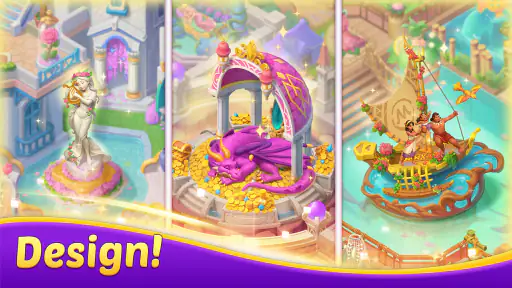
Visually, Matchington Mansion is a treat. The graphics are vibrant and colorful, giving off a cozy, lighthearted vibe. Each room you renovate has its own unique style, and there are plenty of decoration options to suit your taste. Whether you’re into classic, modern, or quirky designs, there’s something for everyone.
The characters you meet along the way add a nice touch to the game. They each have their own little stories and personalities, which makes the game feel like more than just a series of puzzles.
Comfort and everyday situations
For sensory comfort, the bright presentation is part of the appeal, though it may not be the calmest choice for someone who finds colorful, animated puzzle boards tiring. I’d try a short session first if visual busyness is a concern. Likewise, players who need specific accessibility controls or adjustable sensory settings should check whether the current version suits their needs before settling in; I wouldn’t assume those options are available just because the game is easy to understand.
In an ordinary routine, I can imagine playing a level while waiting for a ride or during a quiet break, then stopping before the game takes over the rest of the time. A useful habit is to decide in advance whether the session is just one puzzle or a longer stretch. Because progress comes through repeated levels, a quick diversion can turn into a longer session when I’m close to finishing a room or overcoming a tricky board.
Storyline and Characters
This isn’t just a mindless puzzle game; there’s a storyline to follow. You’ll meet quirky characters like Tiffany, who’s your design-savvy friend, and a mischievous cat that pops up here and there. The storyline is light and humorous, adding a nice layer to the gameplay.
The interactions with characters offer a break from the puzzles and give you a sense of purpose as you work on turning the mansion into a home.
Who will enjoy it, and who may prefer something else
I’d recommend it to someone who likes match-three puzzles but wants a continuing goal beyond clearing boards. The renovation rewards and character scenes help give each win context, and the light story makes it a friendlier fit for players who don’t want a serious or competitive tone. It is also an approachable option for casual play, since the basic matching idea is easy to grasp.
On the other hand, a player who wants a pure logic puzzle, a direct competitive challenge, or complete freedom to design rooms may be happier with a different kind of game. Compared with a straightforward tile-matching alternative, this one adds decorating and story, but those extras also mean that puzzle progress is linked to the mansion’s tasks. If the home-renovation layer is not interesting to you, it may feel like an interruption rather than a reward.
Taking a more deliberate approach to play
When I’m stuck, I try not to spend a move simply because a match is available. I check which obstacle or objective is actually holding up the board, then look for a match that changes that area. This small pause is especially useful when special tiles are involved: clearing space or setting up a line effect can be more helpful than using a powerful match immediately. It won’t make every level easy, but it makes my choices feel less random.
The renovation layer also helps me decide when to stop. If I’ve completed a board and can spend the reward on a visible room task, that feels like a natural stopping point. If I’m midway through a difficult stretch, I’m more likely to tell myself I’ll do one more level. For anyone trying to keep play brief, ending after a completed room action is a better boundary than waiting until the game feels finished.
In-App Purchases and Ads
Okay, let’s talk about the elephant in the room: in-app purchases. Like many free-to-play games, Matchington Mansion offers various items to buy, such as additional lives or special boosters. The game is quite generous with lives and rewards, so you can definitely enjoy it without spending a dime, but if you’re impatient (like me sometimes), those purchases can be tempting.
Ads are present but not overly intrusive. They’re primarily used to gain extra rewards, which is a fair trade-off in my opinion.
It is free to start, and the optional purchases range from small amounts to considerably more per item, so I’d keep an eye on spending if I’m tempted to buy help during a difficult stretch. My practical advice is to avoid paying just because one board is frustrating: take a break and come back with a fresh look first. The game is suitable for everyone by its age rating, but that does not make purchase prompts irrelevant for families; it’s sensible to review purchasing settings on the device if children will play.
For a household sharing a device, I’d also agree on a simple rule before handing it to a child: puzzle progress is fine, but purchases need an adult’s say-so. That avoids turning a moment of impatience on a hard level into an unexpected expense. The game is free to begin, but its optional items make those device-level boundaries worthwhile.
What to expect before installing
Magic Tavern, Inc. is the developer behind the game, which has been available since October 11, 2017. It remains a substantial, established puzzle game, with an average rating of 4.4 from around 2.4 million ratings and over 100 million installs. Those figures show that it has found a broad audience, though they cannot tell you whether its particular mix of puzzles and decorating will match your taste.
The current version is 1.203.0, and it supports Android 6.0 or later. If you’re choosing between playing on a phone and another device, consider how comfortable you are viewing a colorful board and tapping tiles on that screen; the game’s simple matching actions are easy to understand, but comfort depends on your own device and preferences.
Choosing it for your kind of puzzle break
The game is a stronger fit for someone who wants a familiar puzzle format with a visible, decorative payoff than for someone who treats puzzle games as a test of pure logic. Its combination of board goals, room decisions, and character scenes gives a session more variety than a bare tile-matching game. The trade-off is that anyone uninterested in the mansion may feel that the extra layer slows down what they came to do.
It can work well as a low-pressure shared interest, too, provided the player is comfortable with the visual activity and the family has purchase boundaries in place. One person can enjoy choosing room details while another focuses on finding matches, but the game still asks the player to progress through puzzles to reach those decoration moments. If the main appeal is designing freely together, a dedicated creative game would be a better match.
Final Thoughts
In conclusion, Matchington Mansion is a delightful blend of puzzle-solving and home renovation that will keep you entertained for hours. It’s perfect for those who love a good match-3 game and have a passion for interior design. The visuals are charming, the gameplay is engaging, and the storyline adds a fun twist.
If you’re looking for a game that’s relaxing yet challenging, with a dash of creativity, this might just be your next download. So, go ahead, give it a whirl, and let me know if you end up with a mansion that rivals the designs of your wildest dreams!
My inclusive verdict is positive but not universal: the familiar matching rules and clear renovation goals make it approachable, while the bright visuals, gradual difficulty, and purchase temptations are worth weighing for your own situation. I’d give it a try if you enjoy a gentle story alongside puzzle solving; I’d skip it if you need a quieter, highly customizable experience or want design to be the main activity rather than a reward for clearing boards.
Matchington Mansion Frequently Asked Questions
How much storage space should I set aside for Matchington Mansion?
Matchington Mansion is a mobile puzzle game, so you should make sure your device has enough free storage for the app and its updates before downloading. The space needed can vary as the game changes over time. If your phone is low on storage, clearing unused files or apps first can help avoid installation or update interruptions.
Can I play Matchington Mansion at my own pace?
Yes. Matchington Mansion combines match-3 puzzles with mansion renovation, so you can focus on completing levels and using your progress to work on the home-design tasks. You do not need to treat it as a competitive game; it suits players who enjoy returning to a puzzle in short sessions or spending more time decorating as they advance.
What kind of game is Matchington Mansion?
Matchington Mansion is a puzzle game centered on renovating and decorating a mansion. Its match-3 levels provide the way to earn progress, while the renovation tasks give each puzzle a purpose beyond clearing the board. If you enjoy combining colorful matching challenges with a home-design theme, the game brings those elements together in one experience.
What is Matchington Mansion and what is its main objective?
Matchington Mansion is a captivating puzzle game where players renovate and decorate a mansion by solving match-3 puzzles. The main objective is to progress through levels to unlock new areas of the mansion, revealing its story and characters. Players can unleash their creativity in designing rooms, making it a delightful blend of puzzles and interior design.
Is Matchington Mansion free to play, or does it require in-app purchases?
Matchington Mansion is free to download and play, but it does offer in-app purchases. These purchases can enhance gameplay by providing extra lives, boosts, or coins to help advance through challenging levels. While in-app purchases can speed up progress, they are entirely optional, allowing players to enjoy the game without spending money. Optional purchases range from $0.29 to $139.99 per item, so it is worth checking purchase settings if you share your device.
Pros
- Engaging storyline with charming characters.
- Innovative puzzles keep gameplay fresh.
- Stunning graphics and vibrant design.
- Regular updates with new levels and events.
- Free to play with optional in-app purchases.
Cons
- In-app purchases can become expensive.
- Some levels are very challenging.
- Requires internet connection to play.
- Ads can be frequent and disruptive.
- Progress can be slow without purchases.
- Category
- Puzzle
- Version
- 1.203.0