The Room Three
- 11.83K
- 4.9
- Installs
- 500.00K
- Price
- $3.99

Screenshots
Analysis by Reviewed
I like puzzle games best when they give me something satisfying to figure out without demanding that I clear an entire evening. The Room Three has that immediate pull: its mysterious setting makes me want to inspect the first object, turn it around, and see what shifts. It is a paid puzzle game from Fireproof Games, priced at $3.99, and the appeal is less about racing through tasks than about giving a curious mind a place to settle for a while.
A mystery that rewards looking closely
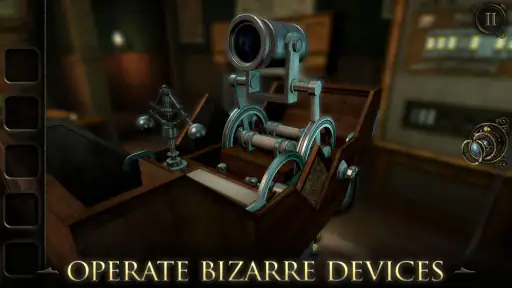
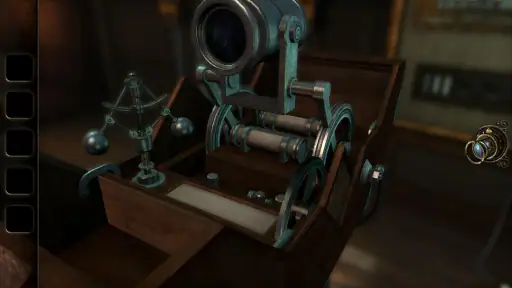
What makes this one easy to start is the way its puzzles invite hands-on inspection. Rather than relying on quick reflexes, I spend my attention examining objects, testing how their parts move, and connecting what I notice to the surroundings. That tactile, close-up approach is a good fit for a quiet break: I can make progress through careful observation, even when I only have a little time.
The trick is to treat each object as more than decoration. I find it useful to rotate and inspect a mechanism from different angles before trying random interactions. If I hit a wall, I pause to ask what the game has already shown me: a mark, a shape, or a detail that might make sense beside something else. That small habit keeps experimentation purposeful and makes solving a puzzle feel earned rather than lucky.
There is also a clear trade-off in this style. The slow, deliberate interaction is the pleasure, but it can feel frustrating if I want fast progress or obvious instructions. I would choose a brisk word puzzle for a queue or a quick burst of play; this is better when I can give a puzzle my full attention and enjoy the process of working it out.
Why the first few minutes work
The strongest invitation is not a long explanation of rules; it is the feeling that an ordinary-looking object may have more to reveal. I can begin by looking, touching, and testing rather than memorizing a complicated control scheme. That makes the first minutes approachable for someone who rarely plays puzzle games, while still leaving room for the objects to resist easy answers. The appeal is immediate, but the game does not turn that first impression into a promise of effortless progress.
For me, the best way to settle in is to slow down before I start tapping. I look at the whole object, then narrow my attention to the places that seem designed to move or connect. A small change in position can make a feature easier to notice, and careful inspection is often more useful than repeating an action because it worked somewhere else. This is a concrete advantage over puzzles that depend on speed: I can make an informed attempt without racing a timer.
Entering the Enigma
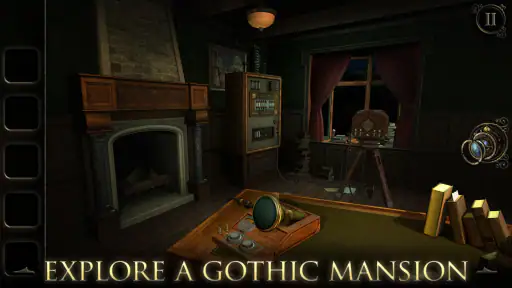
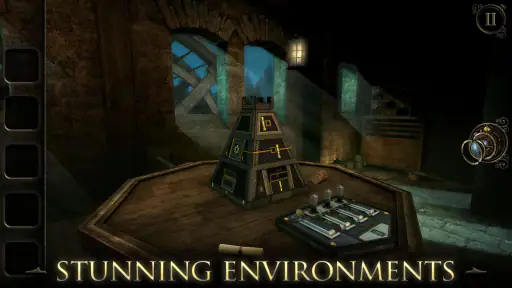
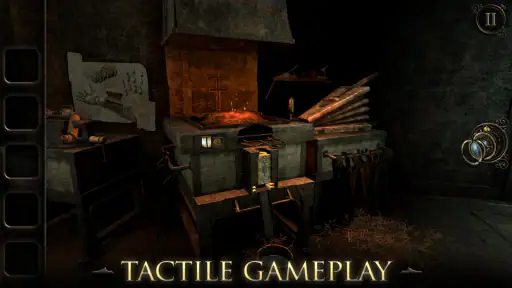
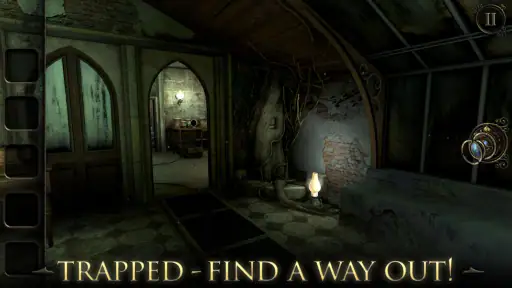
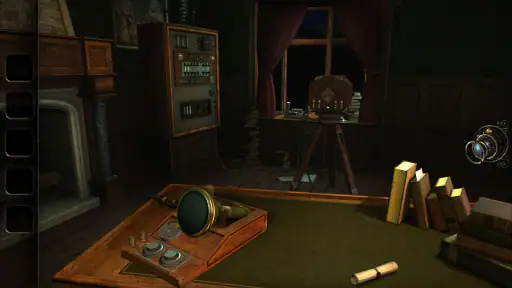
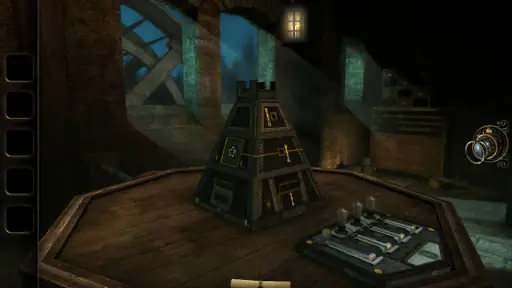
From the moment you launch The Room Three, you’re immediately ensnared by its eerie atmosphere and stunning visuals. The game is the third installment in the critically acclaimed series by Fireproof Games, and it doesn’t disappoint. The graphics are on point, with every little detail meticulously crafted to draw you into its immersive world. You’ll find yourself lost in a labyrinth of rooms, each one more enticing and mysterious than the last.
More From Our News Desk

Clash of Clans Is Won Between the Battles

Android Auto Makes the Case for Quieter Car Software

MobiOffice: Transforming Mobile Productivity with Seamless Integration

EA SPORTS FC™ Mobile Soccer: Redefining Mobile Sports Gaming

How Microsoft OneDrive Became a Mobile Productivity Giant

How Google Translate Breaks Language Barriers Effortlessly
The Gameplay Experience
Let me tell you, the gameplay is nothing short of brilliant. It’s like they’ve taken everything that was great about the first two games and cranked it up a notch. The puzzles are ingeniously designed and will have you scratching your head, but in the best possible way. They're challenging, yet fair, and each solved puzzle brings with it a satisfying sense of accomplishment.
Navigation is smooth and intuitive, making it easy to become fully engrossed in the experience. The controls are simple to master, allowing you to focus on the task at hand - solving the mystery. It’s the kind of game that makes you feel like a detective, piecing together clues and unlocking secrets as you go. And trust me, once you start, it’s hard to stop.
Making progress in short sessions
Although the puzzles encourage concentration, I don’t think every play session has to be long. A useful everyday rhythm is to tackle one mechanism, then stop at a natural point instead of beginning a new puzzle when I know I’ll soon be interrupted. Before putting the game down, I take a moment to note what I tried and what changed. That quick mental recap makes it easier to return without repeating every experiment.
If a clue has me circling the same object, I switch from tapping to observing: I look for a feature I have not examined closely, then test one idea at a time. This is more effective than hurriedly trying every control, and it turns a stuck moment into a manageable investigation. The game is therefore a stronger choice for a coffee break at home than for a few distracted seconds while multitasking.
Pause, return, and pick up the thread
For a player wondering whether this suits stop-and-start play, my answer is yes, with a caveat: it is easy to return to the central activity, but remembering the logic of an unfinished puzzle is part of the challenge. I would avoid leaving halfway through a chain of small observations if I can help it. Finishing a mechanism or reaching a clear transition gives me a more satisfying stopping point and reduces the chance that my next session begins with guesswork.
That makes it a pleasant option for a calm evening when interruptions are possible but not constant. It is less suitable if I need a game that can be abandoned at any second with no loss of context. The pleasure comes from holding a few details in mind, so a very fragmented session can blunt the atmosphere as well as the puzzle-solving flow.
A practical way to manage interruptions
In a realistic everyday session, I might open it after dinner while waiting for a friend to arrive, or play at home during a short break when I have enough quiet to focus. I would choose one clear goal, such as understanding the object in front of me, rather than expecting to finish a large portion before I have to leave. If a message or household task interrupts me, I try to stop after an interaction that has taught me something. The useful note is not a full solution; it is simply what I tested and what seemed to change.
That habit matters because observation puzzles can leave several small details in memory at once. A vague thought like “I was nearly there” is not much help on returning, while remembering that a certain part moved or that a mark matched something nearby gives me a place to restart. I would not call the game interruption-proof, but it can fit a stop-and-start routine if I create my own stopping points. If my day is so fragmented that I cannot spare a few minutes of attention, a more disposable puzzle is the sensible choice.
Sound and Ambience
The sound design in The Room Three is top-notch. The ambient sounds and haunting music perfectly complement the eerie atmosphere, drawing you even deeper into the game’s world. Every creak and whisper adds to the sense of suspense and urgency, making each moment feel tense and exciting. It’s like you’re right there in the room, trying to crack the code.
How it compares with other puzzle games
Compared with a typical word puzzle or a grid-based logic game, this is less suited to quick repetition and more focused on exploring a physical-feeling object. I do not reach for it when I want a fresh challenge that can be completed in a minute and then replaced by another. Its pleasure comes from staying with one mystery long enough to see how its pieces relate. That gives it a stronger sense of place than a stack of separate short rounds, but it also asks more of my attention.
It also occupies a different space from a casual match-style game. There is no appeal in treating each moment as a reflex test; rushing tends to make my investigation less thoughtful. If I enjoy examining details and forming a theory before trying it, that slower pace is a strength. If I want bright, low-commitment activity while watching something else, I would pick a simpler game that does not depend on remembering clues or following a chain of observations.
What replay means here
I would not choose this primarily as an endlessly repeatable daily puzzle. Its strongest reward is discovery: once I know how a particular puzzle works, the surprise of solving it is naturally reduced. That does not make revisiting pointless; I may want to return to the atmosphere or remind myself of how its objects fit together. But someone who wants fresh rounds, score-chasing, or a changing challenge each day will likely get more mileage from a puzzle app built around repeatable runs.
Its rating is 4.9 from around 111 thousand ratings, and it has passed 500 thousand installs. Those figures suggest a well-liked game, but the best reason to consider it is the particular kind of attention it asks for: patient, visual, and curious. It is rated Everyone, and version 1.08 requires Android 5.1 or later, details worth checking against your device before buying.
Who gets the most from the purchase
Because this is a paid game rather than a free puzzle to sample casually, I would decide based on the kind of play I actually enjoy. The $3.99 cost makes sense to me if I want a focused, atmospheric experience and expect to give its objects sustained attention. It is a less appealing choice if I mainly collect free games for brief idle moments, or if I know that I abandon slower puzzles as soon as the answer is not obvious. The right question is not whether I like puzzles in general, but whether I like this patient, close-up style.
The game is especially fitting for someone who enjoys talking through a mystery with a friend, even if only one person is holding the device. I can imagine taking turns pointing out details and suggesting what to test; that kind of shared observation suits the visual puzzles better than competing for a score. On the other hand, anyone who wants a multiplayer contest, a constant stream of new rounds, or a story that can be followed passively should look elsewhere. Its focus is narrower, and that is both the point and the limitation.
Final Thoughts
So, what’s the final verdict? Well, if you’re looking for a game that offers a compelling mix of mystery, suspense, and mind-bending puzzles, then The Room Three is a must-play. It’s a game that’ll keep you on the edge of your seat, eager to uncover the next piece of the puzzle. The combination of stunning visuals, challenging gameplay, and immersive sound design makes it stand out in the world of mobile gaming.
In short, The Room Three is a masterpiece that offers a captivating escape from reality. It’s not just a game; it’s an experience. So, grab your device, dim the lights, and get ready to enter a world of mystery and intrigue. You won’t regret it!
Who I’d recommend it to
I’d recommend it to someone who enjoys inspecting detailed objects, taking time over a clue, and playing in a comfortable, low-pressure setting. It works particularly well when I have a quiet half-hour at home and want a focused activity rather than background entertainment. If you prefer rapid rounds, competitive play, or puzzles that explain every step, this slower mystery may not be the right fit. The $3.99 price makes it a deliberate purchase rather than a casual free download, so I’d choose it for its distinctive object-based puzzling, not simply because I want any puzzle game.
My practical verdict is that this is best approached with patience: look carefully, experiment deliberately, and stop after a satisfying bit of progress. That approach brings out its pleasures while limiting the annoyance of returning to a half-solved mechanism. For a thoughtful, atmospheric puzzle experience, I find it compelling; for highly repeatable or interruption-proof play, I would pick something more modular.
The Room Three Frequently Asked Questions
Is The Room Three suitable for players who are new to puzzle games?
The Room Three is a puzzle game focused on exploring environments and solving mechanical challenges, so it can be approachable if you enjoy taking your time and examining details. Its appeal comes from working things out rather than relying on fast reactions. If you are new to the genre, expect to observe carefully, test ideas, and make progress through patient problem-solving.
Can I play The Room Three on a tablet as well as a phone?
The Room Three is available on mobile devices, including phones and tablets, giving you the option to play on whichever screen suits you. Its detailed 3D environments and tactile puzzle interactions are central to the experience, so a larger display may make it easier to inspect objects and mechanisms. Check your device’s operating-system compatibility before downloading.
What is The Room Three, and who developed it?
The Room Three is a puzzle game developed by Fireproof Games, built around exploring detailed environments and working through mechanical puzzles. Its short store description is simply “The Room Three,” while its summary promises that “A journey of discovery awaits.” If you enjoy methodical, tactile puzzle-solving and a mysterious atmosphere, that gives you a useful sense of the experience before downloading.
What is the main objective of The Room Three game?
The Room Three is a puzzle game that challenges players to solve intricate puzzles within beautifully designed 3D environments. The main objective is to explore each room carefully, unlocking new areas and uncovering the story behind the mysterious world. With engaging gameplay and a captivating narrative, players must use their problem-solving skills to progress through the game.
Is The Room Three available for both Android and iOS devices?
Yes, The Room Three is available for download on both Android and iOS devices. Players can find the game on the Google Play Store for Android devices and the Apple App Store for iOS devices. The game is designed to work smoothly on a variety of smartphones and tablets, providing an immersive gaming experience across platforms.
Pros
- Immersive graphics and sound design.
- Challenging and engaging puzzles.
- Intuitive touch controls.
- Expansive game world with multiple endings.
- Excellent replay value.
Cons
- Can be too challenging for some.
- Requires significant time investment.
- Occasional difficulty spikes.
- Limited hints available.
- Not suitable for casual gamers.
- Category
- Puzzle
- Version
- 1.08