Mahjong Triple - Match 3 Tile
- 232.00
- 4.9
- Installs
- 5.00M
- Price
- Free

Screenshots
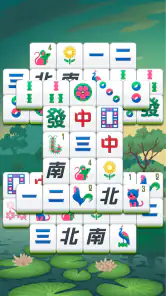
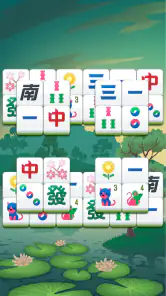

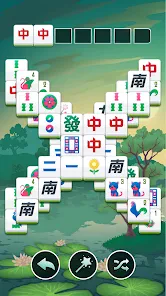
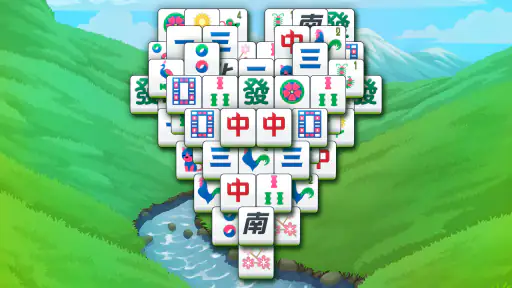
Analysis by Reviewed
I judge a tile puzzle by more than whether its rules are easy to learn. I also want to know whether I can read the board comfortably, make a move without fuss, and put the game down when the moment is over. Mahjong Triple - Match 3 Tile is a free puzzle game from GamoVation built around clearing groups of three matching tiles. The idea is straightforward, but whether it feels relaxing or demanding depends on your eyesight, touch accuracy, attention, and the time you have available.
Reading the board and finding your way around
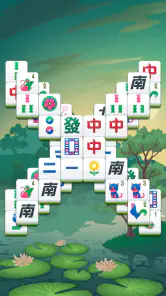
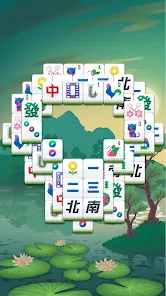
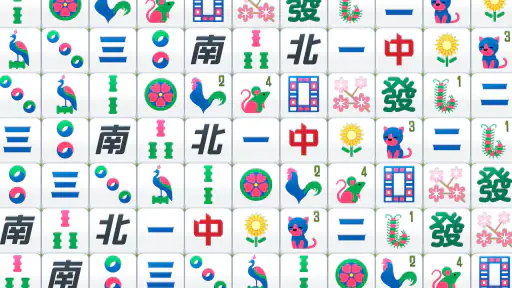
The interface feels organized, and the graphics are crisp, which helps me distinguish the tiles during ordinary play. I can understand the basic aim without learning a long rulebook: look for three identical tiles and match them. That makes the game approachable for someone who wants a puzzle they can start playing quickly rather than a tutorial-heavy strategy game.
There is a useful distinction here from traditional Mahjong solitaire. That familiar format usually asks players to remove exposed pairs from a layered layout; this game’s central task is to collect triples. If you enjoy scanning for patterns but want a different matching rhythm, that change gives the board its own feel. If you specifically want the classic pair-clearing rules, a conventional Mahjong solitaire app is likely a closer fit.
The Gameplay Experience
Once you open the app, you’re greeted by a vibrant and well-organized interface. The game revolves around the classic Mahjong concept but with a twist. You’re tasked with matching three identical tiles to clear them from the board. Sounds simple, right? Well, as you progress, the levels become increasingly challenging, ensuring you’re hooked for hours.
The graphics are crisp, and the sound effects are quite soothing. I personally love how the game doesn’t bombard you with ads every few seconds, which is a huge plus in my book. It allows for a more immersive experience without constant interruptions.
Planning moves instead of tapping at random
The triple-matching rule rewards a different kind of attention from a familiar pair-clearing layout. I find it useful to scan the whole board before committing to a tile, especially when several matching symbols are visible. A tile that looks like an obvious match can be less helpful than one that keeps other choices available. That small pause turns the game from simple image spotting into a modest planning exercise.
When I’m playing casually, I treat each selection as a choice about what I want to keep accessible next, rather than just clearing whichever match catches my eye. This is a practical way to make busier boards feel less haphazard. It won’t suit everyone: if you want a puzzle that rewards elaborate long-term tactics, this remains a focused matching game, not a deep strategy system.
Motor and sensory comfort
For me, the calm sound and uncluttered presentation make short sessions easier to settle into. Still, this is a game based on spotting matching images and tapping particular tiles, so it may be tiring if small visual details are difficult for you to separate or precise touch selection is uncomfortable. I’d try a brief session first and see whether the board remains easy to scan once the layouts get busier.
A practical approach is to slow down before choosing a tile: scan for a trio, then tap deliberately rather than treating the board like a speed test. That can reduce accidental selections and keeps the puzzle focused on planning. The trade-off is that players who want fast reactions, competitive action, or a more varied set of mechanics may find the repeated matching less engaging than other puzzle styles.
Sound, attention, and a comfortable pace
The gentle audio can make the game feel less abrupt than a puzzle built around sharp alerts or urgent timing. That is a plus when I want a quiet activity, but it is not a substitute for being able to see the tile designs clearly. If I’m tired, distracted, or playing in a bright or crowded setting, I’m more likely to miss a match or make a careless tap. I get more from a short, focused session than from trying to play while doing several other things.
Players who prefer silent play may also want to consider how they usually use mobile games. The sound is part of the calming impression, but the core puzzle is visual, so muting audio would not change the matching task itself. The useful test is simple: try a few boards at the pace that feels comfortable, and notice whether the tile patterns remain distinct without straining. If they do not, another puzzle based on words, numbers, or larger visual elements may be an easier fit.
When it fits into the day
A commute or a quiet break can suit a game built around individual tile decisions. I’d use it when I have a little attention to spare but don’t want to commit to a long story or a complicated run. The game is rated for Everyone, and its free entry makes it easy to try; optional in-app purchases range from $0.99 to $99.99 per item, so I’d check purchase prompts carefully if spending is a concern.
Offline play is a practical advantage when connectivity is unreliable, though I wouldn’t assume that every online-linked element behaves the same way without a connection. If you’re playing during a short wait, it’s sensible to treat daily challenges and rewards as an extra rather than the reason to open the game. That way, a missed day doesn’t turn a relaxing puzzle into a chore.
A realistic pocket of downtime
Imagine having a few minutes before an appointment, with enough time to focus but not enough to start a long game. This is the sort of gap where I’d consider opening it: I can look for triples, make a few deliberate choices, and return to what I was doing without needing to remember a story or manage a team. If the appointment is called sooner than expected, the best approach is to stop rather than rush through a board just to finish it.
On a longer train ride, the same quality can be both a benefit and a limitation. The clear, repeated task is easy to return to, but it may become monotonous if I want a changing objective for the whole journey. I’d alternate it with another kind of activity instead of expecting one matching game to hold my attention for hours. Its offline usefulness is most valuable as a fallback when a connection is patchy, not as a reason to assume every extra feature will be available anywhere.
Why It's Worth Your Time
What sets Mahjong Triple - Match 3 Tile apart from other puzzle games is its blend of simplicity and complexity. The game starts off easy to get you accustomed, but don’t be fooled – it ramps up and really gets your brain working. It’s perfect for killing time on a commute or winding down after a long day.
Another feature I appreciate is the ability to play offline. In a world where data can be a precious commodity, having an app that doesn’t require a constant internet connection is a breath of fresh air. Plus, the game offers various daily challenges and rewards, which keeps things exciting and gives you a reason to come back every day.
How it compares with other puzzle choices
Among tile games, the key decision is whether you want to clear triples or follow the more familiar Mahjong solitaire routine of removing available pairs. The triple format is a better match for someone who likes grouping identical images and weighing which choice to make next. A pair-based game is the more natural pick if you already enjoy the traditional rule set and want that specific rhythm rather than a variation.
Compared with a word puzzle, this one asks you to visually sort symbols rather than retrieve vocabulary or spell under pressure. Compared with a match-three game built around swapping pieces, it makes the act of identifying and selecting tiles the central task. Those differences make it a useful option when I want a quiet visual puzzle, but they also make it an easy skip if I’m looking for language practice, quick reflexes, or a broader range of puzzle mechanics.
Who should give it a try
With a 4.9 average from around 41,000 ratings and over 5 million installs, it has attracted a substantial audience. It was released on January 28, 2025, and version 1.1.6 requires Android 5.1 or later. I’d recommend it to casual puzzle fans who like visual pattern-finding, appreciate a gentle audio atmosphere, and want a free game they can sample without mastering a complicated ruleset.
It is less suited to anyone who dislikes repeated tile matching, needs a fast-paced challenge, or specifically wants traditional Mahjong pair removal. Compared with word puzzles, it asks more of visual scanning and less of vocabulary; compared with action games, it offers a slower, more deliberate pace. That makes it a good choice for a small pocket of downtime, but not necessarily for someone seeking deep strategic variety.
Who may be happier with another game
I would steer away from it if the appeal of a puzzle, for you, depends on constantly changing rules or a strong sense of progression through a story. The core task here stays centered on recognizing tiles and choosing triples, so increasing difficulty does not automatically mean a different kind of play. Someone who gets bored by repeated visual matching is unlikely to be won over just by the approachable start.
It may also be the wrong choice for someone who finds touch selection frustrating or who needs a puzzle to remain effortless while their attention is split. A slower pace gives you room to think, but it does not remove the need to distinguish tiles and tap accurately. In those situations, a word-based puzzle or a game with controls that demand less precise visual selection may feel more comfortable.
Remaining barriers and a balanced verdict
The main limitation is inherent in the format: you repeatedly inspect tiles and select matching groups, so visual fatigue or touch precision can become a concern over longer sessions. I’d take a break when scanning starts to feel effortful instead of pushing through. The growing challenge can be satisfying, but it also means the later experience may feel less casual than the opening levels.
There are also two practical questions worth considering before installing. Is it free to start? Yes, the game is free, while optional purchases are available; I’d avoid tapping purchase choices casually. Can it work without internet? Offline play is part of the appeal, making it useful when a connection is unavailable, although I would not rely on connected daily extras in that situation. The game has 232 reviews alongside its broader ratings, and its Everyone age rating makes it a broadly accessible option, though that label doesn’t guarantee that the visual and touch demands will suit every player.
Keeping play low-pressure
For a more comfortable session, I’d choose a moment when I can look at the board without hurrying, and stop when my attention starts to wander. That is more useful than treating daily rewards as a deadline. If a purchase prompt appears, taking a moment to read it before proceeding is sensible, especially for anyone who shares a device or wants to avoid unplanned spending. Free to begin does not mean every optional choice is cost-free.
The game’s broad age rating is reassuring as a general content signal, but it is not a personal accessibility guarantee. A player can be comfortable with the theme and still find the matching visuals tiring, while another may enjoy the exact same board without difficulty. I’d let the actual experience of a short session guide the decision rather than assuming that a calm presentation will work equally well for every set of eyes and hands.
Final Thoughts
All in all, if you’re in the market for a fun, challenging, and visually appealing puzzle game, give Mahjong Triple - Match 3 Tile a shot. It’s a game that’s easy to pick up but hard to put down, and it’s sure to keep your mind sharp and entertained. So, what are you waiting for? Head over to your app store, download it, and let the tile-matching madness begin!
For me, its strongest case is specific: I’d choose it for an unhurried break when I want to scan patterns, make deliberate moves, and play without needing a complicated setup. I’d pass if I wanted classic pair-clearing Mahjong, a fast competitive challenge, or a game with more varied mechanics. The best way to decide is to try a short session and see whether the board feels clear and the triple-matching rhythm stays enjoyable.
Happy gaming, everyone!
Mahjong Triple - Match 3 Tile Frequently Asked Questions
Is Mahjong Triple - Match 3 Tile suitable for a quick, casual gaming session?
Yes. Mahjong Triple - Match 3 Tile is a puzzle game built around matching three identical tiles, with the aim of clearing the board. That simple core idea makes it approachable when you want a casual puzzle rather than a complicated game to learn. You can focus on the tiles in front of you and play at your own pace.
Does Mahjong Triple - Match 3 Tile have a story or require knowledge of traditional Mahjong?
The game combines Mahjong-inspired tiles with match-three puzzle mechanics, so you do not need to know traditional Mahjong to understand its basic objective. The focus is on finding three matching tiles and clearing them from the board. Its straightforward format gives newcomers a way to try a Mahjong-themed puzzle without first learning the rules of the traditional game.
What devices can run Mahjong Triple - Match 3 Tile?
Mahjong Triple - Match 3 Tile is a puzzle game for Android devices running Android 5.1 or later. Before downloading, check that your device meets this minimum requirement and has enough available storage for installation. The game is free to download, so you can try its tile-matching gameplay without paying upfront.
Who makes Mahjong Triple - Match 3 Tile, and is it suitable for all ages?
Mahjong Triple - Match 3 Tile is developed by GamoVation and has an Everyone content rating, making it suitable for a broad audience. Its straightforward puzzle format centers on matching tiles, so it can appeal to both newcomers and people who already enjoy casual matching games. Parents may still want to review any in-app purchase options before letting children play.
What is Mahjong Triple - Match 3 Tile?
Mahjong Triple - Match 3 Tile is a mobile puzzle game that combines elements of traditional Mahjong with match-3 mechanics. Players are tasked with matching three identical tiles to clear them from the board, with the ultimate goal of clearing all tiles to complete levels. The game offers a unique twist on classic Mahjong, providing a fresh and engaging experience for both new and seasoned players.
Pros
- Intuitive controls easy to learn.
- Visually appealing graphics.
- Addictive gameplay keeps players engaged.
- Offers offline play mode.
- Regular updates with new levels.
Cons
- Ads can be intrusive.
- Some levels require in-app purchases.
- Occasional bugs disrupt gameplay.
- Limited customization options.
- Initial load time is long.

- Category
- Puzzle
- Version
- 1.1.6