Gratitude: Self-Care Journal
- 8.88K
- 4.9
- Installs
- 5.00M
- Price
- Free

Screenshots


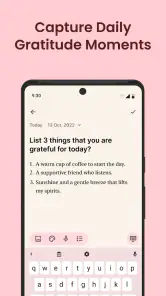
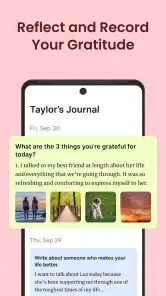

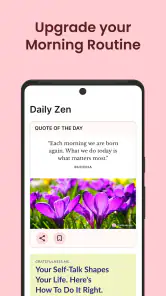


Analysis by Reviewed
I found Gratitude: Self-Care Journal most useful when I treated it as a small daily pause rather than another task-management tool. It is a free lifestyle app from Hapjoy Technologies built around gratitude journaling, affirmations, and vision boards. That combination makes it easy to bring into a household routine: one person can use it after waking up, another before bed, and neither needs the other person to follow the same reflection style.
That shared-device angle matters more than it first appears. A phone or tablet in a family space often becomes a mixture of personal and communal technology. Someone may use it for a quiet journal entry, while another person reaches for it to browse affirmations or review a vision board. My first practical lesson was simple: this app works best when everyone understands whose reflection space is open and when. Its calm design encourages personal use, but the device itself may not be private.
How Gratitude Fits Into a Shared Household Routine
A gentle starting point for different kinds of users
The app’s main appeal is that it does not force gratitude into one rigid format. Some days I would rather write a few sentences, while on other days a short affirmation is more realistic. Vision boards add another visual layer for people who think in images or goals instead of diary paragraphs. That flexibility makes it easier to suggest to a partner, older child, roommate, or parent without assuming everyone enjoys traditional journaling.
I would not describe it as a replacement for a full private diary, therapy, or a structured mental-health program. Its value is narrower and more approachable: it gives everyday appreciation and positive self-talk a place on the phone. If your household already has a habit of sharing one good thing from the day, the app can support that routine without requiring everyone to write the same amount or use the same feature.
A realistic example is a busy evening when nobody has energy for a long conversation. I might open the journal and record one specific moment from the day, such as a helpful message or a quiet commute. Someone else in the home might spend a minute with an affirmation instead. The activity remains individual, but it creates a common rhythm: each person takes a short pause rather than turning self-care into a large project.
What I would do before letting others use the device
My strongest recommendation is to decide the privacy boundary before installing the app on a shared phone or tablet. A gratitude entry can contain names, family situations, health concerns, relationship thoughts, or plans that were never meant for casual reading. Even a harmless-looking note can feel exposed if another person opens it without asking.
I would use a personal device for deeply private writing and reserve a shared device for lighter activities such as reading affirmations or building a household inspiration board. That is not a criticism of the app; it is a sensible distinction between a personal journal and a communal screen. If the only available device belongs to everyone, agree on a simple rule: ask before opening the app, and do not browse another person’s entries.
You May Like

Clash of Clans Is Won Between the Battles

Android Auto Makes the Case for Quieter Car Software

MobiOffice: Transforming Mobile Productivity with Seamless Integration

EA SPORTS FC™ Mobile Soccer: Redefining Mobile Sports Gaming

How Microsoft OneDrive Became a Mobile Productivity Giant

How Google Translate Breaks Language Barriers Effortlessly
It is also worth checking which part of the experience each person intends to use. A vision board displayed in a common room may naturally invite discussion, while a written entry should be treated as personal. Mixing those two purposes without an agreement can create awkward moments, especially when younger users and adults share the same device.
Keeping accounts and identities separate
Household use becomes confusing when several people treat one app space as if it were several private profiles. I would not assume that a shared installation automatically creates clear boundaries between users. Before anyone begins writing regularly, decide whether the device will be assigned to one person or whether the app will be used only for common, non-sensitive material.
For individual journaling, separate device accounts or separate personal phones are the cleaner approach. That keeps one person’s reflections from being mistaken for another’s and avoids the emotional problem of seeing a note that was not intended for you. For a shared vision board, use wording that everyone is comfortable displaying. A board about a household trip or a common savings goal has a different privacy level from a board about one person’s private ambitions.
This is one of the less obvious trade-offs with a lifestyle app: convenience and openness are not always the same thing. A shared tablet makes the app easy to discover and discuss, but it also increases the chance of accidental exposure. I would choose the device arrangement first and only then decide how personal the content should become.
Coordinating without turning reflection into homework
The app can help a household coordinate a small wellbeing habit, but I would avoid making it compulsory. Gratitude loses much of its value when one person is checking whether everyone completed an entry. A better arrangement is a voluntary time window, such as a few minutes after dinner, with each person free to journal, read an affirmation, or skip the activity.
That flexibility is especially useful when household schedules do not match. One person may prefer mornings, another may have a clearer head late at night. The app does not need to become a synchronized event. In my experience, the most sustainable pattern is to agree on the purpose rather than the exact timing: use it to notice something positive, reset after a difficult day, or keep a personal goal visible.
A shared vision board can also support coordination when it stays concrete. Instead of filling it with vague motivational ideas, a household might choose a few themes everyone understands, such as making more time for outdoor activities or creating a calmer evening routine. The board then becomes a conversation starter rather than decorative clutter. I found that fewer, more meaningful items are easier to revisit than a crowded collection of inspirational material.
Affirmations need a little care in group settings. A phrase that feels encouraging to one person may sound unrealistic or uncomfortable to another. I would let each user choose the language that feels natural and avoid presenting positive statements as a cure for serious problems. The app is better at supporting a moment of encouragement than at solving the reason someone is struggling.
Age, trust, and the meaning of “Everyone”
The app carries an Everyone content rating, which makes it approachable for a broad household audience. That does not mean every feature or every journal topic should be handled identically by every age group. A young user may enjoy simple gratitude prompts or a family vision board, while an older user may want to write about personal relationships and private worries.
For children, I would introduce it as an optional reflection activity, not as a way for adults to inspect feelings. If a child chooses to share an entry, listen without demanding more detail than they want to provide. Trust is more important than completion. The app can encourage a conversation, but it should not become a monitoring tool.
Adults should also be clear about what is shared and what is not. If a parent and child use the same tablet, the child should know whether the journal is personal or communal. If a couple shares a device, both people should agree on whether entries are off-limits. These boundaries are ordinary household etiquette, yet they make a major difference with any journaling product.
I would be particularly cautious about using it as the only support for someone dealing with persistent distress. Writing down gratitude may be comforting, but it is not a substitute for professional help or a trusted conversation. The app’s tone is positive and reflective; users who dislike that style, or who need clinical structure, may be better served by a different kind of resource.
What daily use feels like after the novelty fades
The first few sessions are easy because the format feels fresh. The real test is whether the app remains useful when the day is ordinary. I found that specific entries work better than repeating broad statements. “I am grateful for my life” is pleasant but vague; noting the exact person, action, or small event that helped me is more memorable and gives the journal a clearer personal record.
A practical workflow is to keep the writing deliberately short on busy days. One sentence is enough to maintain the habit, while a longer entry can wait for a quieter moment. I would also separate gratitude from goal-setting: use the journal to notice what already happened, and the vision board to keep future intentions visible. That distinction prevents the app from feeling like one more place where I must optimize myself.
Another useful habit is reviewing the board before adding anything new. Vision boards can become crowded when every passing idea is treated as a permanent goal. Removing items that no longer matter makes the remaining ones more honest. This is a small but important trade-off: the feature is most helpful as a focused visual reminder, not as a storage box for every aspiration.
Device fit, cost, and what to expect
Gratitude: Self-Care Journal is free to install, with optional in-app purchases ranging from $3.99 to $59.99 per item. I would begin with the free experience and decide whether the routine itself is useful before spending anything. A paid option cannot create a habit that does not fit your household schedule, and the core question is whether you return willingly after the first few days.
The current version is 7.2.3, and the app requires Android 8.0 or later. That makes checking the household’s older phones and tablets worthwhile before planning a shared setup. Compatibility is not just a technical detail here: if the family device is old, an app that cannot run on it will not become part of the routine, no matter how appealing the concept is.
The app has built a substantial audience, with over five million installs and a 4.9 average from around 169 thousand ratings. Those figures suggest strong general appeal, but they do not remove the need to judge the style personally. People who enjoy short positive prompts and visual goal-setting are likely to connect with it more quickly than people who want detailed mood tracking, extensive customization, or a strictly neutral writing environment.
Where it beats familiar alternatives, and where it does not
Compared with a paper notebook, the app is easier to keep nearby and combines writing with affirmations and vision boards. A notebook still wins for people who want complete physical privacy, no screen time, or total freedom over page layout. It can also feel more deliberate, which may be exactly what someone wants from reflection.
Compared with a plain notes app, this app gives the activity a clearer purpose. A notes app is better for mixed material such as shopping lists, work ideas, and long-form writing. Gratitude: Self-Care Journal is more focused, so opening it can make the intended habit easier to remember. The trade-off is that focused tools may feel limiting when your journaling needs change.
Compared with a mood tracker, it takes a more positive and aspirational route. A mood tracker is the better choice when you need to identify patterns across difficult days, record symptoms, or communicate detailed information to a professional. This app is better suited to a small daily reset than to systematic emotional analysis.
For a household, the comparison is even more specific. A shared notes document may be easier for a grocery list or family plan, but it is a poor substitute for private reflection. A physical board may be more visible for common goals, while the app is more convenient when each person wants a separate moment with affirmations or writing. The right choice depends on whether the household wants coordination, privacy, or both.
Who should use it and who should skip it
I would recommend it to someone who wants a low-pressure gratitude habit, enjoys positive language, and likes the idea of combining short writing with visual goals. It is also a reasonable choice for households that want to encourage reflection without requiring everyone to participate in exactly the same way. The free starting point makes experimentation straightforward.
I would skip it if you strongly dislike affirmations, find motivational wording irritating, or need advanced journaling analysis. I would also choose a private notebook or a more privacy-focused personal setup if sensitive writing is central to your routine and the only available phone or tablet is shared. People looking for reminders, clinical mood records, or detailed habit analytics should compare other tools before committing.
My final household verdict is positive, with one condition: treat the app as a personal reflection tool that can occasionally support a shared routine, not as a communal diary for everyone to inspect. Hapjoy Technologies has made a friendly lifestyle app around gratitude, affirmations, and vision boards, and its broad age rating helps it fit naturally into many homes. Used with clear device boundaries, modest expectations, and voluntary participation, it can turn a few quiet minutes into a worthwhile daily pause.
Gratitude: Self-Care Journal Frequently Asked Questions
Can Gratitude: Self-Care Journal help me build a consistent self-care habit?
The app is designed to make reflective self-care feel manageable by giving gratitude journaling, affirmations, and vision boards a place in your routine. You can use it to pause and notice what is going well, then return to your reflections over time. It may suit you if you want a gentle journaling practice, though a useful habit still depends on choosing a rhythm that feels realistic.
Can I use Gratitude: Self-Care Journal for affirmations and vision boards, as well as writing?
Yes. Alongside gratitude journaling, the app’s focus includes affirmations and vision boards, so it offers more than a blank page for daily notes. These tools can help you collect positive reminders and visual intentions in one self-care space. If you prefer a simple writing-only journal, consider whether this broader mix of reflection and inspiration matches the way you like to organize your thoughts.
Who develops Gratitude: Self-Care Journal, and what kind of app is it?
Gratitude: Self-Care Journal is a lifestyle app developed by Hapjoy Technologies. It is centered on gratitude journaling, affirmations, and vision boards, offering a way to make reflective self-care part of a daily routine. If you are looking for a lightweight space to pause, focus on positive moments, and collect personal intentions, its overall purpose is easy to understand before you begin.
What is Gratitude: Self-Care Journal, and how does it work?
Gratitude: Self-Care Journal is a wellness and journaling app designed to help you build a more positive daily routine. You can record things you appreciate, write personal reflections, add photos or memories, and use guided prompts when you are unsure what to write. With regular use, the app encourages mindful pauses and makes it easier to look back on meaningful moments.
Is Gratitude: Self-Care Journal suitable for beginners who have never kept a journal?
Yes. The app is approachable for beginners because it does not require long entries or writing experience. Guided questions and simple prompts can help you get started, while the flexible format lets you write as much or as little as you want. A short daily note is enough to create a consistent habit, making it less intimidating than a traditional paper journal.
Pros
- Simple prompts make daily gratitude journaling easy to maintain.
- Mood tracking helps reveal emotional patterns over time.
- Private journal entries support personal reflection without social pressure.
- Customizable reminders encourage consistent self-care habits.
- Clean interface is approachable for beginners and experienced journalers.
Cons
- Some useful features may require a premium subscription.
- Daily prompts can feel repetitive after extended use.
- Limited options may not suit users wanting detailed free-form journaling.
- Reminder notifications may become distracting if not adjusted.
- Benefits depend on consistent use rather than occasional check-ins.

- Category
- Lifestyle
- Version
- 7.2.3