Familo: Find My Phone Locator
- 1.75K
- 4.3
- Installs
- 10.00M
- Price
- Free
Screenshots
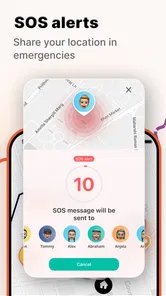
Analysis by Reviewed
I see the appeal of a family locator most clearly in the ordinary moments when plans are moving faster than messages: a child is travelling home, someone is running late, or relatives are trying to meet in a busy place. Familo: Find My Phone Locator is a lifestyle app from Familonet built around sharing locations within a family circle. It can make those check-ins easier, but it works best when everyone understands what is being shared and treats the map as a helpful guide rather than a substitute for communication.
When the network is part of the experience
Location sharing depends on phones being able to report their positions and on family members being able to view them. In practice, that means a map may be less useful when a device has a weak connection, is out of battery, or cannot provide a fresh location. I would avoid treating a delayed position as proof that someone is still where the map last showed them. If timing matters, a quick call or message is the sensible backup.
That caveat matters especially during school runs and commutes. A parent can use the shared view to check whether a child appears to be on the way, then follow up directly if the location seems stale or unexpected. It is a calmer workflow than repeatedly asking for updates, but it still relies on both people having a working phone and being comfortable with location sharing.
Useful in everyday family routines
Familo is most compelling for families who regularly coordinate across different schedules. Picture one caregiver finishing work while another takes a child to an activity: checking the map can help them judge whether to leave now or wait, without turning every small delay into a string of texts. It can also be useful when relatives are meeting in an unfamiliar area, since a shared location gives everyone a common reference point.
The app is free to install, and its age rating is Teen. It has a 4.3 average from around 327,000 ratings, with more than 10 million installs. Those figures suggest that family location sharing is a familiar use case, though popularity alone cannot tell you whether the approach suits your household. The current version is 2.108.3, and it supports Android 6.0 and later. In-app purchases range from $2.99 to $89.99 per item, so I would check the purchase details in the app before committing to anything paid.
Make location sharing a deliberate choice
A practical setup tip is to agree on the purpose of the family circle before anyone joins: for example, coordinating arrivals or checking that a routine trip is underway. That conversation helps prevent the map from becoming an expectation of constant availability. It is also worth deciding what everyone should do when a location looks old or confusing, so a technical hiccup does not immediately cause alarm.
Location apps are not automatically the right answer for every family. If you only need to find your own misplaced phone, a device-maker’s built-in locator may be a simpler fit. If your household prefers occasional updates rather than continuous sharing, calls and messages may feel more respectful and less intrusive. Familo makes more sense when several people genuinely want a shared location view and are willing to keep the app and their settings in working order.
More From Our News Desk

Weather by Xiaomi Review: Clear at a Glance, Less Clear Up Close

X Under Pressure: Can It Recover When Posting Goes Wrong?

Clash of Clans Is Won Between the Battles

Android Auto Makes the Case for Quieter Car Software

MobiOffice: Transforming Mobile Productivity with Seamless Integration

EA SPORTS FC™ Mobile Soccer: Redefining Mobile Sports Gaming
In the lifestyle category, its key difference from ordinary messaging is that people do not have to send a new “I’m here” update each time someone wants to check progress. That convenience comes with a trade-off: a map can encourage overchecking, and location information is sensitive even when shared among relatives. I would use it to answer practical questions, not to monitor every stop or judge someone’s routine.
A realistic test before you rely on it
I would introduce the app during a low-stakes outing rather than make a first trial of it during a stressful pickup. For example, if one relative is walking to a familiar meeting point while another is already there, both can see whether the shared view helps them coordinate without repeated calls. Afterwards, compare what the map showed with what actually happened. That gives the family a practical sense of how useful its updates are in their own routines, without assuming that every location will appear instantly.
It also helps to agree on a simple recovery plan for the moments when the map is unclear. Decide in advance who should call, what alternate meeting point to use, and whether a delayed location should be treated as a prompt to check in rather than a sign of trouble. This is a small but important distinction: a family locator can reduce routine uncertainty, but it cannot explain why a device has stopped updating or replace the person-to-person steps that matter when plans change.
What is Familo?
Familo: Find My Phone Locator is a nifty app designed to help you locate your phone effortlessly. But wait, there's more! It isn't just about finding your lost device; it’s a comprehensive solution for families who want to stay connected and ensure everyone’s safety. By creating a family circle, you can keep tabs on your loved ones, ensuring peace of mind whenever they're out and about.
Features That Stand Out
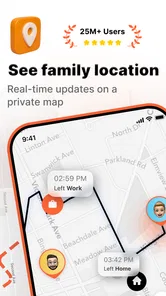
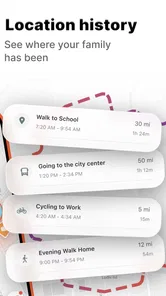
The app boasts a variety of features that make it more than just a simple phone locator. Firstly, the real-time tracking feature allows you to see the exact location of your family members. This can be particularly useful for parents who want to know where their kids are during the day. Plus, with location history, you can backtrack to see where everyone has been over a specific period.
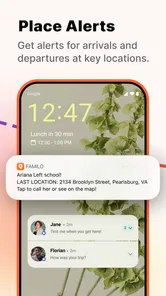
One of my favorite features is the alert system. You can set up specific areas (like your home or school) as safe zones, and you’ll get notifications when someone enters or leaves these zones. This is perfect for ensuring your kids have arrived safely at school or are on their way home.
Easy to Use and Setup
Now, let's talk about the user experience. Setting up Familo is a breeze. The interface is intuitive, ensuring that even the least tech-savvy among us can navigate through the app without any hiccups. All you need to do is download the app, set up a family circle, and voila! You’re all set to start tracking.
The app also allows for seamless integration between Android and iOS devices, meaning it doesn't matter what kind of smartphone your family members use – everyone can stay connected.
Privacy Concerns? Not Here!
Of course, with any location-tracking app, privacy is a major concern. Familo has taken this into account by implementing high-level security measures. Your data is encrypted, ensuring that only you and your selected family members have access to each other’s locations. Plus, the app is transparent about what information it collects, providing reassurance that your data isn’t being misused.
Moreover, there’s an option to pause sharing your location at any time, giving you control over your privacy whenever you need it.
Living with the trade-offs
Before relying on the map for an important pickup, I would try it during an ordinary trip with another family member. Check whether the shared location updates in a way that is useful to your routine, and agree on what to do if it does not. A small trial helps everyone learn the difference between a helpful location check and a reason to call, while avoiding unnecessary worry when a phone is temporarily unreachable.
There is also a social side to setup. A location circle works best when every participant understands why it exists and can speak up if the arrangement stops feeling comfortable. For teenagers in particular, I would explain the practical purpose—such as coordinating a journey home—rather than frame sharing as proof of trustworthiness. That makes the tool easier to use without turning ordinary independence into a constant check-in.
Who will get the most from it?
I would recommend trying Familo if your household often needs to coordinate arrivals, shares responsibility for school or activity pickups, or has relatives who appreciate a quick way to see where everyone is. It may be less suitable for someone who wants a private, single-device recovery tool, or for a family that does not want ongoing location sharing. The app is free to start with, but paid in-app items are available; I would review what a purchase unlocks and whether it solves a real need before spending.
One useful habit is to keep the map in context: compare the displayed position with the person’s likely route and the time you last spoke, rather than reading every movement as a live status report. If a child is expected at school, an arrival alert can reduce the need to ask for a message, but it should not replace the school’s own procedures or a direct check when something feels wrong. That balance is where location tools are most reassuring instead of distracting.
Choosing the right kind of location tool
Compared with a built-in phone-finding service, Familo is aimed at a different problem. A device-maker’s locator is generally the more direct choice when the question is “Where did I leave my phone?” Familo is more useful when the question is “How are several people coordinating their day?” That distinction matters before installing anything: a family map brings other people into the experience, so everyone needs to agree to participate, while a personal recovery tool can serve a single owner’s needs.
Messaging remains the better option when the family only needs occasional confirmation. A short text can explain a delay, a route change, or a meeting point in a way a map cannot. I see the two approaches as complements rather than rivals: use location sharing for a quick progress check, and switch to a message or call when context matters. If a household would find any ongoing location view uncomfortable, there is little reason to force the app into its routine.
Keep the map useful, not intrusive
One practical boundary is to agree when a location check is reasonable—for instance, during a planned journey or while coordinating a pickup—and when it is better to ask directly. This prevents a useful tool from becoming a running audit of someone’s day. Families may also want to revisit the arrangement as children grow or schedules change, since a sharing setup that works for a younger child may feel inappropriate for an older teenager.
Battery and connectivity are worth considering as everyday constraints, not unusual exceptions. A phone that is switched off or unable to send a fresh position cannot provide the same reassurance as one that is reachable. I would therefore avoid making a safety plan depend entirely on the map. A known check-in time, a meeting place, or a direct call gives the family another way to respond if the screen stops being informative.
What the app can and cannot settle
A common question is whether a location view removes the need to contact someone. In my view, no: it may spare a routine “How far away are you?” message, but it cannot tell you why a person paused, whether their plans changed, or whether the displayed point is current enough for a decision. Treat it as a starting clue. If the information affects a pickup or someone’s wellbeing, a direct conversation is still the more dependable way to resolve uncertainty.
Another sensible question is whether every family member should join. I would start only with the people who have a clear role in the arrangement and who are comfortable sharing. A smaller, purposeful circle is easier to explain and less likely to create pressure. If someone would rather send updates only when needed, respect that preference and use ordinary messaging instead of treating participation as a condition of trust.
A considered connectivity verdict
For me, Familo’s value is strongest when its shared map reduces small coordination hassles without becoming the family’s only source of truth. It suits households that can discuss boundaries, keep phones usable, and accept that network-dependent location updates may not always answer a question immediately. The app is less compelling for someone seeking only a lost-device finder, for people who dislike ongoing sharing, or for families whose needs are already met by occasional calls.
In conclusion, if you’re looking for a reliable and easy-to-use app to keep track of your phone and your loved ones, Familo is definitely worth considering. It's like having a digital guardian angel that ensures you and your family’s safety at all times. So go ahead, give it a try, and say goodbye to those frantic phone searches once and for all!
Familo: Find My Phone Locator Frequently Asked Questions
Does Familo need an internet connection to share a phone’s location?
Familo is intended to help family members locate one another using GPS, so location sharing works best when the phone can determine its position and communicate it through a network connection. Before relying on the app for coordination, make sure location services and the necessary app permissions are enabled. The experience may vary with device settings and connectivity.
What permissions should I expect to allow when setting up Familo?
Because Familo is a family location-sharing app, it needs access to location services to show where participating members are. You may also need to allow location access while the app is running in the background if you want location updates when you are not actively using it. Review the permission prompts and your phone’s settings, and agree as a family on what sharing feels appropriate.
Can family members stop sharing their location in Familo?
Location sharing is most comfortable when everyone understands who can see their location and when. Familo is designed for sharing locations with family members, so discuss expectations before adding people and revisit them if circumstances change. Check the app’s available controls and your device’s permissions to manage sharing. Teenagers and adults alike should feel able to talk openly about boundaries.
What phones and operating systems can run Familo: Find My Phone Locator?
Familo is a Lifestyle app developed by Familonet, and its current version is 2.108.3. On Android, it requires version 6.0 or later, so checking your device’s software version before downloading is a sensible first step. The app is also available for iOS. It is free to download, with in-app purchases available.
Is Familo: Find My Phone Locator suitable for teenagers and families?
Familo is designed around sharing location with family members, which can help people coordinate and feel reassured about one another’s whereabouts. Its content rating is Teen, so families should consider that rating and talk together about how and when to share locations. As with any location-sharing app, clear agreement among the people in a group helps make its use comfortable for everyone.
Pros
- User-friendly interface for easy navigation.
- Real-time location tracking for family safety.
- Battery-efficient app
- doesn't drain quickly.
- Customizable alerts for specific locations.
- Compatible with both Android and iOS devices.
Cons
- Requires constant internet connection.
- Limited features in free version.
- Occasional location inaccuracies.
- Can be intrusive on privacy.
- Subscription can be pricey.