Wordle!
- 14.10K
- 4.1
- Installs
- 10.00M
- Price
- Free
Screenshots


Analysis by Reviewed
On a short break, I want a word game that gives me something to think about without asking me to settle in for a long session. Wordle aims for that quick puzzle rhythm: enter a guess, read the clues, and decide what to try next. The Android game is free to install, made by Lion Studios Plus, and its daily format makes it an easy fit when I have a spare moment rather than a whole evening.
Choosing a first guess
The most useful part of the opening move is not simply picking a word I know; it is choosing one that can teach me something. A guess with different letters gives me more clues to work with, while repeating a letter early can leave me with less information. I treat the first attempt as reconnaissance, then use the colored feedback to narrow the possibilities instead of throwing in another word at random. That small change in approach makes each turn feel purposeful.
A practical trick is to keep a mental note of what each tile actually tells me before I start thinking of possible answers. A yellow tile rules out one position, not the letter itself; a gray tile helps eliminate a letter, though a guess that repeats letters can make the clues less straightforward to interpret. When I slow down enough to separate those points, I am less likely to spend a turn testing something I already know cannot work.
It also means this is a better match for someone who enjoys deduction than for someone who wants a vocabulary lesson or a sprawling campaign. If I am tired and just want a game to play without concentrating, the limited guesses can feel unforgiving. I would choose a more open-ended word puzzle when experimenting matters more than solving a single answer.
Who will enjoy the daily format
The strongest fit is a player who likes a small, self-contained challenge and is comfortable stopping when the puzzle is done. It works for a coffee break, a quiet wait, or a few minutes before starting another task. I would not recommend it as a substitute for a word-learning tool: the fun is in using familiar language strategically, rather than receiving instruction or building a structured study routine.
It is also worth separating this version from the idea of a word game that offers an unlimited queue. The daily cadence gives the puzzle a clear beginning and end, which can help keep a quick diversion quick. If I want to keep playing immediately after solving, or want a choice of themed boards and difficulty settings, a larger word-game collection may suit me better. This one is for people who value a compact shared challenge over a broad menu of modes.
The Game Plan
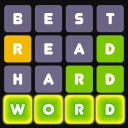
Wordle is a straightforward word puzzle that you can play daily. The concept is simple: you have six tries to guess a five-letter word. Every guess gives you feedback in the form of colored tiles, indicating how close your word is to the actual word. Green means you’ve nailed the letter in the right spot, yellow means the letter is in the word but in the wrong spot, and gray means the letter isn’t in the word at all. Sounds easy, right? But trust me, it’s trickier than it seems!
More From Our News Desk

Weather by Xiaomi Review: Clear at a Glance, Less Clear Up Close

X Under Pressure: Can It Recover When Posting Goes Wrong?

Clash of Clans Is Won Between the Battles

Android Auto Makes the Case for Quieter Car Software

MobiOffice: Transforming Mobile Productivity with Seamless Integration

EA SPORTS FC™ Mobile Soccer: Redefining Mobile Sports Gaming
Why It’s So Addictive
One of the reasons I keep coming back to Wordle is its minimalist design and the thrill of solving the puzzle with just six tries. There’s no flashy graphics or annoying ads popping up every second – just you and your vocabulary against the clock. It’s like a daily mental snack that keeps your brain sharp without overwhelming you. Plus, the satisfaction of getting the word right is akin to finding the last piece of a jigsaw puzzle.
For me, the feedback is the real engine of a round. Green letters lock in useful positions; yellow ones tell me to keep a letter but move it; gray tiles help me stop wasting guesses on letters ruled out by the clues. Before submitting a new attempt, I quickly check that I have not put a yellow letter back in the same place or accidentally reused a gray one. It is a simple habit, but it turns the puzzle into a tidy process of elimination rather than a string of hunches.
There is a useful trade-off between testing letters and testing a likely answer. Early on, I usually prefer a word that reveals several unfamiliar letters; later, I give more weight to arranging the letters that the tiles have already confirmed. That shift helps me avoid spending every turn on broad experiments. It also explains why two people can approach the same puzzle differently: one may prioritize information, while another takes a calculated shot at a candidate answer.
If I get stuck, I find it more helpful to write down the known pattern mentally than to cycle through random guesses. For example, I consider which positions remain open for yellow letters and which gray letters I can safely leave out. I do not need to solve the puzzle instantly for the round to feel worthwhile; even a miss can show me where my reasoning went wrong. That makes the game a better fit for curious players than for anyone who treats every result as a performance score.
The reward is modest in the best sense: a solved word, a little burst of satisfaction, and a result I can compare with friends if I want to. The game has an average rating of 4.1 from around 165,000 ratings, and it has been installed over 10 million times. Those figures suggest a wide audience, but they do not change the personal nature of the challenge: the fun comes from how I use the clues, not from a complicated progression system.
Another aspect that makes this game so captivating is its social element. You can easily share your results on social media without giving away the answer, making it a fun challenge among friends. Comparing scores and strategies becomes a part of the daily routine, and it’s exciting to see how everyone approaches the puzzle differently.
I like that sharing can make a solitary puzzle feel like a small conversation without requiring everyone to play together at the same moment. The sensible order is to finish first, then look at other people’s results; checking their attempts beforehand can take away the independent deduction that makes the round satisfying. If my friends are more competitive than I am, I can simply treat the result as something to discuss rather than a ranking I need to beat.
Perfect for On-the-Go
Whether you’re commuting, on a lunch break, or just chilling at home, Wordle is easily accessible from any device. There’s no need for downloads or installations; just head to the website, and you’re good to go. It’s perfect for those moments when you need a quick distraction or a brain exercise to break the monotony of the day.
For a realistic routine, I might open it while waiting for lunch, make one careful guess, and return to the puzzle after eating rather than rush through all six attempts. That pause can help me avoid repeating an unhelpful pattern. I also keep the result-sharing step until after I have finished, so a friend’s clues or reactions do not steer my own solve. It is a small way to keep the puzzle feeling like my own.
That stop-and-return approach is especially useful when I am interrupted. The puzzle is easier to resume if I remember the current pattern and the letters I have ruled out, rather than relying on a vague impression of my last guess. I might keep a brief note for myself if I know I will be away for a while, but I avoid writing down speculative answers as though they were confirmed clues. The distinction keeps a pause from turning into confusion.
The daily reset is part of the appeal: once I have used my attempts, there is a natural stopping point rather than another level demanding attention. That can be refreshing beside word games built around endless rounds, but it also means this is not the right pick if I want a continuous stream of puzzles whenever I feel like playing. The store identifies this as an Android game, so I would not assume that the website-style access described above applies to this version.
That distinction matters if I am choosing between an app and the familiar browser-based idea of a daily word puzzle. The Android release is the one I would consider when I specifically want a game installed on my phone; someone who prefers to avoid installing apps may find a browser option more convenient. Either way, the daily structure is better for a little ritual than for filling a long stretch of free time, and I would choose an endless puzzle app for that second job.
There is a practical trade-off around spending, too. The game is free, but it offers in-app purchases ranging from $0.99 to $99.99 per item. I can enjoy the basic word-guessing loop without treating purchases as part of the puzzle; anyone watching a budget should still check purchase prompts before tapping through. It is rated Everyone, runs on Android 5.0 or later, and version 2.0.1 is the current release.
For a parent considering it for a child, the Everyone age rating is reassuring as a content guide, but it does not make the game a spelling lesson by itself. I would play alongside a younger learner and talk through why a clue changes the next guess if the goal is practice. For an adult who simply wants a low-commitment puzzle, it is easier to use independently. The right expectation makes a difference: this is a guessing challenge, not a guided classroom exercise.
Its limits are easy to understand once the routine settles in. A daily puzzle can become repetitive if the same guess-and-feedback rhythm is not what I want, and social comparisons may make a relaxed game feel like a score contest. I would skip it for a child who needs a guided spelling curriculum, or for a player who prefers longer stories, action, or a large catalogue of selectable levels. For quick deduction, though, the compact format is a strength.
Compared with crossword-style games, this asks less of me in terms of clues, themes, or longer stretches of solving, but it gives me fewer avenues to explore once I have made my guesses. Compared with word searches, where I scan a board for visible answers, the pleasure here is more about inference from limited feedback. Neither format is automatically better. I pick this one when I want a focused puzzle with a clear limit; I reach for a crossword or a larger puzzle collection when I want variety and a longer session.
There is a small but meaningful difference between playing to preserve a streak of good results and playing to improve my reasoning. The first mindset can make an unlucky or rushed guess feel frustrating; the second lets me learn from which clues I overlooked. I get more enjoyment when I treat each attempt as useful information, even if the answer stays out of reach. Players who dislike losing limited chances may be happier with a game that lets them retry freely.
In a world full of complex mobile games with endless levels and in-app purchases, Wordle stands out with its simplicity and pure enjoyment. It’s a testament to how sometimes, less is more, and that a game doesn’t need to be complicated or flashy to be truly engaging.
So, if you’re on the hunt for a game that’s both fun and intellectually stimulating, give Wordle a try. It might just become your new daily obsession, as it has for many around the globe!
Where the loop works—and where it doesn’t
The action is quick: submit a five-letter guess. The feedback arrives immediately in the tile colors, and the reward is either solving the word or learning enough to make the next attempt smarter. Then the daily limit creates a reset point, so I can leave without feeling that I have abandoned a long campaign. That loop is the game’s clearest strength, but it depends on enjoying the thinking between guesses more than collecting unlocks or moving through a story.
I would recommend it to someone who wants one deliberate word challenge woven into an ordinary day, especially if they enjoy comparing approaches with friends after finishing. I would steer away from it if they want unlimited play, extensive teaching, or a game that rewards long sessions with a visible progression track. For me, it succeeds as a compact routine rather than a complete word-game library: a few minutes of deduction, a clean stopping point, and a reason to come back when the next puzzle is ready.
Wordle! Frequently Asked Questions
Who developed Wordle, and what kind of game is it?
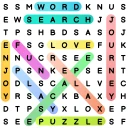
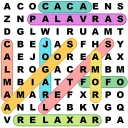
Wordle is a word game developed by Lion Studios Plus. Its store summary describes it as “Daily Word Search Puzzles,” making it a fit for players who enjoy short word-focused challenges. The app has an average rating of 4.1 from around 165,000 ratings, and has been installed over 10 million times.
Is Wordle suitable for children and new word-game players?
Wordle is a word puzzle game with an Everyone content rating, so it can suit a broad range of players, including families. Its basic routine is easy to understand: enter a word, read the letter clues, and use them to improve your next guess. New players can begin without needing experience with other word games.
What does the Wordle app cost, and can purchases be made inside it?
Wordle is free to download, so you can try the game without paying upfront. The app also offers in-app purchases, with items priced from $0.99 to $99.99. If you prefer not to spend, check your device’s purchase controls before playing and review any purchase prompt carefully. The core appeal is its word-puzzle challenge.
What is Wordle and how do I play it?
Wordle is a simple yet addictive word puzzle game where players have six attempts to guess a five-letter word. Each guess provides feedback in the form of colored tiles indicating when letters match or occupy the correct position. It's a game of logic and deduction, offering a fun challenge for word enthusiasts.
Is Wordle free to play or are there any costs involved?
Wordle is completely free to play, with no hidden costs or in-app purchases. This makes it accessible for everyone who wants to enjoy a quick and challenging word puzzle game without worrying about spending money. Just visit the website or download the app to start playing immediately.
Pros
- Simple and addictive gameplay.
- Great for improving vocabulary.
- No time limits or stress.
- Daily puzzles keep it fresh.
- Share results easily with friends.
Cons
- Limited to one puzzle per day.
- No hints or help features.
- Can become repetitive over time.
- Requires internet connection.
- No multiplayer mode available.
- Category
- Word
- Version
- 2.0.1