Zen Word® - Relax Puzzle Game
- 9.34K
- 4.8
- Installs
- 10.00M
- Price
- Free

Screenshots


Analysis by Reviewed
Some word games turn every spare minute into a race to beat a clock or outscore someone else. Zen Word® - Relax Puzzle Game takes a quieter route: I find it most appealing when I want to focus on letters without adding another deadline to my day. Its word-puzzle format gives a small, clear goal, while the relaxed presentation makes it easier to treat a round as a pause rather than a performance.
Small goals that make starting easy
The basic task is straightforward: look at a set of letters and form words from them. That simple goal is useful because I don’t need to plan a long session or remember a complicated sequence of moves before I can begin. I can open the game, study the letters, and try possibilities at my own pace. For a quick break between chores, that low barrier matters more than a dramatic opening or a long tutorial.
Early progress in a word puzzle can feel rewarding even when the individual task is modest. I like the shift between spotting an obvious word and then looking again for less immediate combinations. It gives the mind something concrete to work on without asking for specialist vocabulary or a complicated strategy. If you enjoy finding patterns in letters, the familiar premise is easy to understand; if you mainly want action, collecting words may feel too still.
A practical way to play is to make a first pass for the words that come readily, then pause and scan the same letters in a different order. I often find that changing my approach is more useful than staring harder: look for a different starting letter, or notice a short combination that might sit inside a longer possibility. This turns a round into a small exercise in attention. It is also a good stopping point if I only have a minute or two, since I can leave the puzzle and return when I have room to concentrate again.
What progress feels like
The game’s appeal is less about noisy competition and more about the steady satisfaction of recognizing words. Its calm visual style and gentle sound design, as I experienced them, support that pace rather than competing for attention. I would not choose it when I want a story, a character to develop, or a complex campaign; I would choose it when I want a contained mental task that leaves space for my own thoughts.
There is a useful distinction between progress that comes from completing a puzzle and progress that comes from improving at the puzzle. The first gives an immediate sense of closure; the second comes from noticing that I am testing letter arrangements more systematically. I would treat the game as a light daily brain exercise, not as a formal measure of vocabulary or a substitute for studying a language. A missed word can reflect a momentary blind spot, not a verdict on how well I know English.
Difficulty, pace, and the trade-offs
Because the play centers on finding words from letters, the challenge depends on how quickly a player notices possible combinations and how familiar those words feel. That makes the experience naturally uneven: one arrangement may come together quickly, while another can leave me searching. I appreciate being able to take my time, but players who prefer a firm timer, head-to-head matches, or a clear competitive ladder may find the leisurely pace under-stimulating. A timed word game or a direct multiplayer puzzle would suit those preferences better.
More From Our News Desk

Weather by Xiaomi Review: Clear at a Glance, Less Clear Up Close

X Under Pressure: Can It Recover When Posting Goes Wrong?

Clash of Clans Is Won Between the Battles

Android Auto Makes the Case for Quieter Car Software

MobiOffice: Transforming Mobile Productivity with Seamless Integration

EA SPORTS FC™ Mobile Soccer: Redefining Mobile Sports Gaming
The relaxed approach also changes how I use hints or other assistance if they are available in a particular play session: I would save help for a genuine block rather than spend it immediately, because the search itself is the main pleasure. More generally, a good routine is to try a few different scans before deciding a puzzle has become frustrating. That preserves the sense of solving instead of turning every uncertain moment into a prompt to rush. I also avoid treating every round as a test; some sessions are simply more productive than others.
Unwinding with Words
From the moment I launched Zen Word®, I was greeted with soothing visuals and calming music that set the tone for a relaxing experience. The game is simple yet captivating: it's all about forming words from given letters, but what truly sets it apart is its meditative design. As you play, the serene background music and gentle sound effects make it feel less like a game and more like a relaxation exercise.
A Game for the Mind and Soul
Each level presents you with a fresh set of letters, and your task is to find as many words as possible. But don’t worry, there’s no rush. Unlike other word games that can feel like a race against the clock, Zen Word® encourages you to take your time. It’s about savoring the process, letting your mind wander through possibilities without the pressure of a timer ticking away.
And you know what? It works. I found myself getting lost in the gentle challenge, my mind both engaged and at ease. It’s that perfect balance of mental stimulation and relaxation.
Why You'll Love It
If you’re anything like me and love a good word puzzle, you’re going to adore this game. It’s perfect for those moments when you need a mental break but still want to keep your brain active. Plus, the game’s minimalist design and calming aesthetics make it a joy to return to again and again.
One of the things I appreciate most about Zen Word® is its accessibility. Whether you have a few minutes or an hour to spare, it’s easy to pick up and put down without losing your place or your sense of peace. It’s like having a meditation session in your pocket, ready whenever you need it.
Progression and staying power
For me, the appeal of a word game lasts when its small goals remain satisfying without turning into chores. This one is strongest when I treat a level as a self-contained puzzle rather than a task I must clear on a schedule. I can play a little, stop when my attention wanders, and come back later. That flexibility is a genuine advantage for irregular breaks, though it may offer less pull to someone who needs a strong narrative or competitive reason to return.
When you are deciding whether to keep playing, it helps to ask what kind of progress you want. If the pleasure is in finding words and settling into a quiet rhythm, the central loop has a clear purpose. If you want a game that constantly introduces new mechanics, strategic layers, or social goals, a more elaborate word title may hold your attention better. I would not mistake a calm presentation for endless variety: the core activity remains searching letter sets, so your enjoyment depends on liking that repeatable act.
Where it fits in an ordinary day
Imagine waiting for a kettle to boil or sitting through a short break before your next task. I would open this game for one puzzle, make an initial sweep for familiar words, and then decide whether I have the focus for another pass. That is a better fit than opening a fast-paced game that demands continuous attention or a long session. It can also work as a quiet alternative to scrolling, because the letters give the mind one specific thing to do instead of feeding it a stream of unrelated material.
For a more deliberate session, I would play when I am alert enough to notice patterns but not looking for a high-pressure challenge. If I am tired, I may enjoy the calm sound and visuals while finding fewer words; if I am in a competitive mood, the same unhurried quality may feel too gentle. That difference is not a flaw so much as a matter of matching the game to the moment. I would keep it as one option in a small rotation, rather than expect it to replace every kind of break.
Who should choose it—and who may not
I’d recommend it to people who enjoy word searches, anagrams, and untimed solo puzzles, especially those who want a light mental activity they can leave and resume. It is also a reasonable pick for someone easing into word games, since the central idea is immediately understandable. The age rating is Everyone, but that does not mean every player will find the same level of challenge or the same pace appealing; personal taste matters more than the label here.
I would steer away from it if your main goal is to compete against friends, race a countdown, or learn vocabulary through detailed definitions and lessons. Those are different kinds of word-game experiences. Compared with a crossword, this is less about clues and general knowledge; compared with a timed anagram game, it places more weight on patient scanning than quick recall. That makes it a useful complement to those alternatives, not a universal replacement for them.
Practical expectations before installing
Zen Word is a free word game from Oakever Games. It has a 4.8 average from around 440,000 ratings, and has been installed over 10 million times. Those figures suggest that the format has broad appeal, but they cannot tell you whether its measured pace will suit your own habits. The game is rated Everyone, and the current version is 1.82.1; on Android, the minimum operating-system requirement is 7.0. I would check that requirement before downloading if I were using an older device.
The game includes in-app purchases, with listed items ranging from $0.39 to $99.99 each. Since the core appeal is solving word puzzles at a relaxed pace, I would decide in advance whether I am comfortable with optional spending and avoid treating a purchase as necessary to enjoy the basic idea. The rating count and review count are not the same thing: it has around 9,300 written reviews. It was released on March 31, 2023, and that history gives useful context, but the most relevant question is still whether you like its central loop.
One practical trade-off is that the calm atmosphere depends partly on how you play. If sound helps you settle, the music and effects can reinforce the mood; if you prefer silence, you can still focus on the letter task without making the audio the point of the session. I would also avoid opening it when I need to stay fully attentive to a conversation or a task that cannot be interrupted. A relaxed game is still a game, and even a simple puzzle can draw your focus once you start searching.
My progression verdict
As a progression experience, I see the strongest reason to continue in the repeatable satisfaction of solving another set of letters, rather than in promises of a deep campaign or a steadily expanding strategy. That is enough for players who enjoy small, low-pressure goals and want a familiar routine. It will be less persuasive for anyone who needs frequent novelty or visible competitive milestones to stay engaged. The best way to judge it is to try a short session and notice whether the search itself feels pleasant, even when a word does not come immediately.
My advice is to use it intentionally: keep it for a quiet commute, a waiting-room pause, or a wind-down moment when you want gentle concentration, and choose a faster or more social word game when you want urgency. That distinction keeps the game’s strengths in view without asking it to be something it is not. If you like untimed letter puzzles and a softer presentation, it is an easy one to consider; if those exact qualities sound slow to you, another style will probably be a better fit.
Final Thoughts
In a world that often feels overwhelming, finding a slice of peace can be invaluable. With Zen Word® - Relax Puzzle Game, you have a charming and peaceful companion that offers just that. It’s more than just a game; it’s a gentle reminder to slow down and enjoy the simple pleasures of life. So, if you’re looking for a way to unwind and keep your mind sharp, give it a try. Your inner zen will thank you.
Zen Word® - Relax Puzzle Game Frequently Asked Questions
Who developed Zen Word®, and what kind of game is it?
Zen Word® is a word puzzle game developed by Oakever Games. Its play centers on finding words and completing puzzles, making it a fit for players who enjoy language-based challenges. The store summary describes it as a place to relax, solve word games, and train your mind, so its appeal is a mix of casual entertainment and mental exercise.
What is the game’s age rating, and is it suitable for family play?
Zen Word® has an Everyone content rating, so it is intended for a broad audience and can be considered for family play. The word-puzzle format offers a calm activity that players can enjoy on their own or share as a casual challenge. As with any game that offers optional purchases, parents may want to check their device’s purchase controls before children play.
What devices and operating systems can run Zen Word®?
Zen Word® is available for Android and iOS devices, so players can look for it in the Google Play Store or Apple App Store. On Android, the minimum operating system requirement is version 7.0. Before downloading, it is worth checking that your device meets the relevant system requirements and has enough available storage for the installation.
Is Zen Word® suitable for beginners, or do I need to be an experienced word-game player?
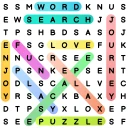
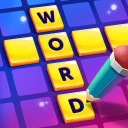
Zen Word® is approachable for casual players as well as people who already enjoy word puzzles. Its central activity is finding words from a grid of letters and using them to complete a crossword-like puzzle, so you can learn the basic idea as you play. The relaxed, word-focused format makes it a gentle choice if you want a mental challenge without a strongly competitive feel.
What is Zen Word® - Relax Puzzle Game and how does it work?
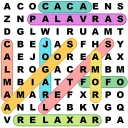
Zen Word® is a relaxing puzzle game that combines word search and crossword puzzles. It is designed to help players unwind and de-stress by engaging their minds in a calming, word-centric challenge. Players are tasked with finding hidden words from a grid of letters, forming words that fit into a crossword-like puzzle. This soothing game is perfect for those looking to improve their vocabulary and mental sharpness while enjoying a peaceful gaming experience.
Pros
- Beautiful
- calming graphics
- Challenging puzzles
- Relaxing background music
- Easy to learn controls
- Frequent updates
Cons
- Limited levels
- In-app purchases
- Requires internet
- Ads can be intrusive
- Battery drain concerns
- Category
- Word
- Version
- 1.82.1