Omaha Poker: Pokerist
- 221.00
- 4.6
- Installs
- 500.00K
- Price
- Free
Screenshots
Analysis by Reviewed
I approached Omaha Poker: Pokerist as a card game for the moments when I want a proper poker session without arranging a table, finding opponents, or carrying a deck around. It is built by KamaGames, costs nothing to download, and focuses on Omaha rather than trying to be a broad collection of unrelated card games. That narrow identity is important: if you already enjoy Omaha, the app gets to the point quickly; if you mainly play Texas Hold’em, the first few sessions require a real adjustment.
My first impression was that the game’s appeal comes from its pace and accessibility. I can open it, sit down for a hand, and start making decisions almost immediately. The free entry makes experimenting easy, although the presence of in-app purchases ranging from $0.99 to $999.99 per item means I would treat the paid economy carefully rather than assuming every part of the experience is equally free. The app is marked for Teen audiences, and it runs on Android devices using version 6.0 or later.
How the first week feels
The opening week is where this game makes its strongest case. Omaha looks familiar to anyone who has played poker, but the extra private cards change almost every decision. I had to stop relying on the automatic habits I use in Hold’em. A hand that looks attractive at first glance can become awkward once I remember that Omaha requires a more disciplined reading of combinations and board possibilities.
That learning curve gives the first sessions useful tension. I was not simply waiting for premium starting hands; I was trying to understand which cards worked together, which draws were genuinely strong, and which apparent improvements could still leave me behind. The app is therefore more rewarding when I treat each hand as a small calculation rather than as a slot-machine-style result.
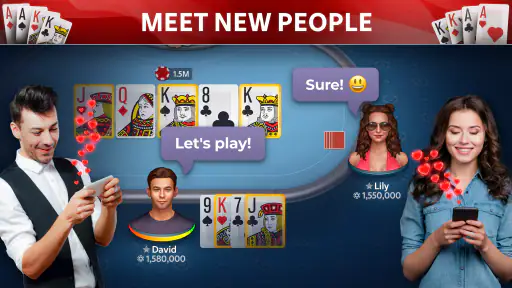
The social scale also contributes to the initial excitement. The game presents itself as a place to play with a large player community, and its store presence shows more than 500 thousand installs. A 4.6 average from around 7.7 thousand ratings suggests that many players find the core experience satisfying. I do not read those figures as a guarantee that every table will suit every player, but they do indicate that this is not an obscure experiment with no established audience.
During a short break, the game works well as a compact activity. I can play a few hands while waiting for an appointment, then stop without needing to commit to a long offline session. That convenience is one of the clearest advantages over a home poker night. It is also more focused than a general card-game app, because the whole experience is built around Omaha’s particular rhythm.
Why Omaha changes the learning experience
The most useful early habit is to evaluate the whole hand before becoming attached to one attractive pair or draw. With four private cards, it is easy to see several possible routes to improvement and overlook whether those routes actually produce a strong final hand. I found it helpful to ask myself what the best realistic five-card result could be, then compare that result with the board rather than celebrating every partial connection.
This is where the app can teach better poker discipline, even if it does not replace serious study. I started paying more attention to coordinated cards, redraws, and the danger of making a hand that looks good but is vulnerable to a stronger version. That kind of thinking is more valuable than simply memorizing which starting hands feel exciting.
New players should expect a period of mistakes. The game is approachable, but Omaha itself is not as forgiving as it first appears. Someone who wants instant, low-effort card play may prefer a simpler solitaire title or a casual Hold’em game. Someone who enjoys learning through repeated decisions will probably find the first week more interesting than frustrating.
What makes the novelty last beyond the opening sessions
The novelty does not depend only on discovering the rules. It comes from the number of small judgments packed into each hand. I can revisit the same basic situation and make a different choice because the table context, board texture, or my position has changed. That gives the game more depth than a card app where the correct move is usually obvious.
One practical approach I recommend is to set a personal session goal before playing. Instead of chasing a result, I might focus on folding weak combinations earlier, avoiding automatic calls, or reviewing whether my draw was actually worth pursuing. This makes a short session feel purposeful and reduces the temptation to judge the entire game by one lucky or unlucky run.
Does it have month-to-month value?
After the first burst of curiosity fades, the important question is whether the game remains useful as a habit. In my view, it can, but mainly for players who enjoy Omaha specifically. The format has enough strategic variation to support repeated play, and the short-session structure makes it easy to return without planning an evening around it.
I would not describe it as a game that constantly needs new content to stay interesting. Its recurring value comes from decision-making, not from a campaign or a changing story. That is both its strength and its limitation. If I want a new objective every time I open an app, this may begin to feel repetitive. If I enjoy refining judgment against different hands and table situations, the same rules remain fertile for much longer.
The game is especially suitable for building a regular practice routine. I can use a few hands to test whether I am becoming more selective, whether I am overvaluing draws, and whether I am paying attention to what the board allows. A useful month-to-month routine would be to play shorter sessions, pause after a questionable hand, and identify the decision that mattered most. That turns casual play into deliberate improvement without making the app feel like homework.
Who is likely to keep returning
Omaha fans are the obvious audience, but the game also suits Hold’em players who want a more demanding variation. The transition is not effortless, yet that is exactly why it can refresh a player who has become bored with familiar Hold’em patterns. I found the extra cards pushed me to reconsider assumptions I normally make too quickly.
It is less convincing for people who only want a relaxing card pastime. The need to track combinations can make a supposedly quick session mentally active, especially when several players are involved. It is also not my first recommendation for someone who dislikes competitive pressure or who prefers games with a clear finish line and a guaranteed sense of progress.
Players should also decide how they want to handle the free-to-play structure before developing a daily habit. Since optional purchases can reach very high individual amounts, I would keep spending controls in place and treat the free download as an opportunity to evaluate the gameplay, not as an invitation to buy into every available option. The core question is whether the decisions at the table are enjoyable without spending.
How it compares with familiar alternatives
Compared with a physical Omaha game, this app wins on convenience and availability. I do not need friends in the same room, chips, a dealer, or a scheduled start time. The trade-off is that the atmosphere is different. A real table has conversation, visible reactions, and a social pace that a mobile screen cannot fully reproduce.
Compared with online Hold’em, this game offers a more complex puzzle but a steeper learning curve. Hold’em is easier to explain to a new player and often easier to follow while multitasking. Omaha rewards closer attention, so I would choose this title when I want to think rather than simply pass time.
Compared with solitaire and other solo card games, the appeal is less predictable. Solitaire gives me control over the pace and usually a quieter experience. Omaha Poker: Pokerist creates interest through uncertainty and opponents, which can be more exciting but also more tiring. Neither is universally better; they serve different moods.
Maintenance, friction, and the cost of returning
The current version is 75.8.0, and the app has been available since September 5, 2017. That long presence gives it the feel of an established title rather than a temporary novelty. Still, an established game can demand maintenance from the player in other ways: attention, restraint, and a willingness to manage the free-to-play environment.
For me, the largest maintenance burden is mental rather than technical. To get lasting value, I need to remember the difference between playing often and playing well. A daily habit can become automatic, especially when I keep chasing a better result after a disappointing hand. The best safeguard is to decide in advance how long I will play and what kind of practice I am doing.
Short sessions are a practical solution. I would rather play a focused group of hands than leave the game open while distracted. This is an important trade-off: the app is convenient enough to fit into spare minutes, but Omaha deserves enough attention that multitasking can undermine the very strategy that makes it interesting.
The free price lowers the barrier to trying it, but it does not remove every concern. The listed purchase range is unusually broad, so I would advise new players to explore the game first, understand what can be earned or used through normal play, and avoid spending simply because a session went badly. The game is at its healthiest when decisions at the table, not pressure outside the table, determine whether I want to continue.
Where fatigue begins
Repetition is the main source of fatigue. Because the rules stay focused on one poker format, the experience can feel narrow if I am looking for variety. The same specialization that makes the game coherent can make it less appealing after a long run of similar sessions.
There is also emotional fatigue in poker itself. Losing several hands can make me impatient, while winning can encourage looser decisions. That is not a flaw unique to this app, but a mobile format makes it easy to continue immediately instead of taking a break. I found that stopping after a clear mistake was more valuable than trying to recover the session’s mood.
Another limitation is the gap between knowing the rules and reading a table well. The app can provide repeated practice, but it cannot automatically turn poor habits into sound strategy. Players expecting a guided poker course may be disappointed. I would use it as a practice environment and a way to sharpen instincts, then look elsewhere for structured theory or deeper analysis.
Small habits that improve the experience
My most useful tip is to separate hand strength from hand excitement. Four cards create more apparent possibilities, and that can lead to overplaying. Before committing, I ask whether the cards cooperate with one another and whether the likely finished hand remains strong if the board changes.
A second useful habit is to review the hands that felt confusing, not only the hands that were lost. A winning decision can still be poorly timed, and a losing decision can be correct. By concentrating on the reasoning rather than the result, I get more long-term value from the same play time.
Finally, I would avoid using the game as background noise. The app works best when I give each hand a little attention. If I am watching a show, answering messages, or rushing through a break, a simpler card game is probably a better choice. Omaha becomes worthwhile when I engage with its decisions, not when I treat it as a button-tapping filler.
For everyday use, I can imagine opening it during a commute break, playing a controlled session, and leaving after reaching a predetermined stopping point. That workflow keeps the game from taking over the day and preserves some of its strategic appeal. It also makes the free-to-play aspect easier to manage because I am less likely to make impulsive choices while chasing momentum.
My long-term verdict
After the novelty fades, Omaha Poker: Pokerist earns lasting space on my device if I genuinely want Omaha rather than just any card game. Its strongest quality is focus: it gives the format room to breathe, and the extra private cards create decisions that remain interesting after the basic rules become familiar. The free entry and broad player reach make trying it straightforward, while the Teen rating and Android 6.0 compatibility make its audience and device requirements clear.
I would recommend it to players who enjoy competitive card decisions, want short sessions, and are willing to learn why Omaha cannot be approached exactly like Hold’em. I would also recommend it to experienced poker players looking for a change of rhythm. The game can become a useful practice habit when I set limits, review decisions, and resist treating every session as a test of luck.
I would skip it if I want a purely solo, low-pressure pastime, a rich single-player progression system, or constant variety between visits. I would also be cautious if optional purchases might tempt me into spending beyond what I intended. The presence of high-priced purchase options does not erase the appeal of the card play, but it does make self-control part of the ownership experience.
My final view is positive but specific: this is not a universal poker recommendation, and it is not trying to be a general entertainment app. It is a focused Omaha game that can remain rewarding when I approach it as a thoughtful, limited habit instead of an endless chase. Its lasting value comes from improving how I make decisions, not from simply playing more hands.
Pros
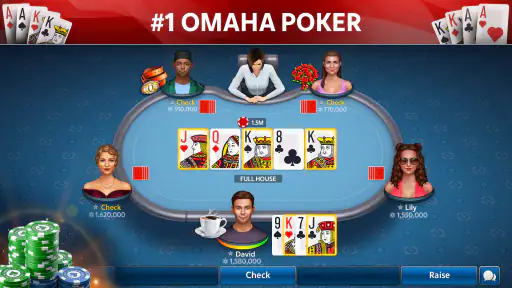
- Fast-paced Omaha tables with multiple betting options
- Clear interface makes hand selection and betting easy
- Playable on smartphones and tablets with responsive controls
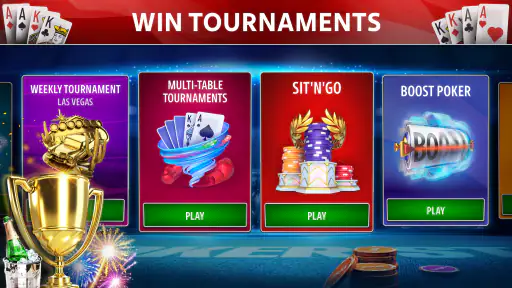
- Regular tournaments add variety beyond standard cash games
- Virtual chips let beginners practice without financial risk
Cons
- In-game purchases can become expensive for frequent players
- Random matchmaking may pair beginners with highly experienced users
- Some features require an internet connection to access
- Table action can feel slow when opponents take longer turns
- Virtual-chip losses may encourage repeated purchases

- Category
- Card
- Version
- 75.8.0