Spider Solitaire: Card Games
- 85.13K
- 4.6
- Installs
- 50.00M
- Price
- Free

Screenshots

Analysis by Reviewed
I like Spider Solitaire most as a game of gradual planning. A move can uncover a useful card, but it can also leave a column tangled, so the pleasure is in weighing small choices rather than racing a timer. Spider Solitaire: Card Games brings that familiar puzzle to a phone in a straightforward way. It suits a short break, but it also gives me enough to think about when I want to settle into a longer game.
Why building same-suit runs changes the puzzle
What keeps me interested is the way each move affects more than the card I’m moving. The goal is to arrange cards into complete sequences of the same suit, but progress depends on managing the face-up cards, the covered cards, and the open spaces between columns. A move can look productive because it clears a spot, yet still make it harder to build a clean run later. I enjoy that tension: the game asks me to consider what a move enables, not just whether it is legal.
That makes the experience different from a quick card game where a round is mostly about reacting to a changing hand. Here, I can take a moment to inspect the layout and decide what to prioritize. Should I uncover a card, keep a sequence together, or make room for a temporary move? There is rarely one decision that solves everything. The satisfying part is finding a route through a layout that initially looks crowded.
What the card-stacking challenge feels like
For those of you who might be new to this, Spider Solitaire: Card Games is a single-player card game that involves sorting cards into stacks of the same suit. Sounds simple, right? But don't let its simplicity fool you; this game is as addictive as they come. The app offers different levels of difficulty, so whether you're a newbie or a seasoned card shark, there's something here for you.
That range matters because Spider Solitaire’s central challenge is not just spotting a legal move. I need to decide whether exposing a face-down card now is worth leaving a partial sequence behind, and whether a tidy-looking column is actually restricting my options. When I’m learning, an easier setting gives me room to notice those patterns; once I’m comfortable, harder play asks me to think further ahead. It’s a useful way to adjust the mental load without changing the basic character of the game.
How hints fit into a real game
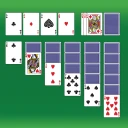
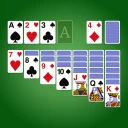
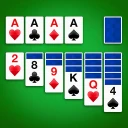
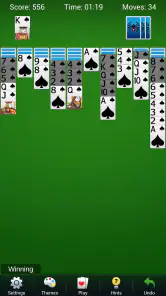
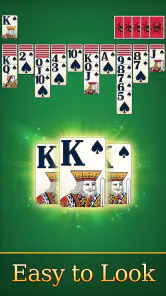
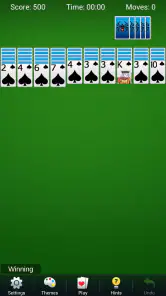
One of the first things I noticed about this app is its clean interface. It's not bogged down with unnecessary frills, which makes it super easy to navigate. You can jump right into the action without having to read a manual first. The graphics are crisp, and the animations are smooth, making it a visually pleasing experience.
Another feature that I absolutely love is the hint system. Stuck and don’t know what move to make? Just tap the hint button, and the game gives you a nudge in the right direction. It's like having a friendly guide sitting right beside you, whispering strategies into your ear.
More From Our News Desk

Weather by Xiaomi Review: Clear at a Glance, Less Clear Up Close

X Under Pressure: Can It Recover When Posting Goes Wrong?

Clash of Clans Is Won Between the Battles

Android Auto Makes the Case for Quieter Car Software

MobiOffice: Transforming Mobile Productivity with Seamless Integration

EA SPORTS FC™ Mobile Soccer: Redefining Mobile Sports Gaming
I’d use a hint as a learning prompt, not as an automatic answer to every difficult moment. Before tapping it, I try to identify the blocked column or the sequence I’m hoping to build; afterward, I check why the suggested move helps. That small pause can make the hint useful for learning the game’s logic. If I simply follow prompts without thinking, I may finish a deal without getting better at judging the next one.
A good fit for the gaps in your day
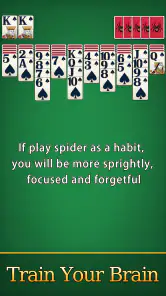
Now, let’s talk about why this game deserves a spot on your device. Firstly, it’s a great way to pass the time. Whether you’re waiting for a friend or riding the subway, a quick game of Spider Solitaire can make the time fly by. Secondly, it’s a brain workout without feeling like one. Strategizing your moves and planning ahead engages your mind, making it more than just a game; it’s a mental exercise.
A realistic use for me is a few minutes between errands: I can start a deal while waiting, then return to it when I have another quiet moment. The best approach is to treat each session as a small puzzle rather than expecting a quick win. Spider Solitaire rewards patience, and some deals demand more attention than a brief pause allows. If I’m tired or need something that can be stopped instantly without losing my place, I’d choose a different kind of casual game.
Compared with quick-match card games, this one is less about reacting to an opponent and more about managing a layout on my own. Compared with other solitaire variants, the same-suit sequences make planning feel especially important: moving a card may open space, but mixing partially built runs can make later choices awkward. That trade-off is the appeal for someone who likes deliberate puzzles, though it may feel slow to anyone looking for competition or constant novelty.
Small decisions that make a deal easier to read
One useful habit is to look for a move that reveals a covered card before spending a turn on a rearrangement that only makes the visible layout look neater. Revealing information can change the options available across several columns, while cosmetic tidying may leave the real bottleneck untouched. I don’t treat that as an absolute rule, because a temporary rearrangement can be necessary to reach a covered card, but it gives me a practical question to ask when I’m unsure what to do next.
Open space is valuable, but I try not to create it without a plan. An empty column gives me somewhere to move a card or sequence temporarily, yet it can be wasted if I immediately fill it with a card that blocks a more useful arrangement. When I can, I think one step beyond the move: what will I place in the cleared column, and will that help me expose something else? This simple check keeps me from confusing activity with progress.
When a deal starts to feel stuck, I scan for partial runs that are close to becoming same-suit sequences. Keeping cards together can make later moves easier, but sometimes separating them briefly is the only way to uncover a hidden card or create room. The trade-off is that a short-term break in order may cost flexibility. I find it helpful to make that choice deliberately rather than rearranging several columns just because the move is available.
What to expect before installing
Plus, the game’s free! There are ads, but they’re not intrusive enough to ruin the experience. If anything, they’re just a small price to pay for endless hours of entertainment.
It’s free to download, though optional in-app purchases are available, with listed items ranging from $1.99 to $29.99. I’d start without spending and see whether the basic play suits me; anyone especially sensitive to advertising or interruptions should keep that possibility in mind. The game is rated for Everyone, and it’s from MobilityWare, a developer associated with a familiar style of mobile card play. Its 4.6 average across around 729,000 ratings and over 50 million installs suggest that the classic format has found a large audience, but popularity doesn’t make it the right choice for every player.
The practical question is whether I need a relaxing solo puzzle or a more social card game. If I want head-to-head play, changing objectives, or a brisk round with a clear finish, I’d look elsewhere. If I enjoy returning to one layout and improving my decisions, this is a better match. For a first try, I’d choose a comfortable difficulty, use hints selectively, and pay attention to which moves uncover cards versus merely rearranging what is already visible.
Who gets the most from it
So, should you download it? Absolutely! It’s a nostalgic trip back to a simpler time, wrapped up in a package that’s perfect for today’s mobile lifestyle. This game strikes a balance between fun and mental engagement, making it a must-have for anyone who loves card games.
In conclusion, whether you’re a die-hard fan of solitaire or just looking for something new to try, this app is a gem. Trust me, once you start playing, you’ll find it hard to put your phone down. Happy gaming!
My strongest recommendation is for players who enjoy quiet, repeatable challenges and don’t mind that each deal asks for patience rather than spectacle. The game has been available since September 15, 2011, and version 7.5.2.4786 supports devices running Android 8.0 or later. That makes the age of the game part of its appeal: it focuses on a durable card puzzle rather than trying to turn every session into a new event. I’d skip it if I wanted a story, multiplayer interaction, or a constant stream of fresh mechanics, but for a familiar solo routine, it remains an easy one to pick up.
Choosing a routine that suits the game
If I only have a short wait, I begin with the intention of making a few thoughtful moves rather than demanding that I finish the deal. That keeps the game relaxing instead of turning a spare moment into a test of speed. When I have a longer stretch, I can follow a chain of decisions more carefully and notice how an early choice affects the rest of the layout. The same format works for both situations, but the enjoyment depends on matching my expectations to the time I have.
For someone new to Spider Solitaire, I’d recommend sticking with one difficulty long enough to understand the consequences of moving cards between columns. Switching too quickly can make it harder to tell whether a deal feels challenging because of the setting or because the underlying planning is still unfamiliar. Once the basic patterns start to make sense, raising the difficulty is a more useful way to add pressure than trying to play faster.
The hints are also helpful when I’m not sure whether I’ve overlooked a legal move, but I wouldn’t use them to judge whether a deal is winnable or to promise that a suggested move is always the best strategic choice. Their practical value is in getting me unstuck and giving me something to analyze. If I’m trying to improve, I can compare the hint with my own idea and ask which one makes more room or reveals more information.
When another card game is a better choice
This is not the one I’d pick when I want a social evening or a fast, competitive burst. There’s no opponent across the table to respond to, so the energy comes from solving the layout rather than from surprise or rivalry. A quicker solitaire variant may suit someone who wants a simpler pattern and faster decisions; a multiplayer card game is a better fit when interaction is the point. This title is strongest when I want to think quietly at my own pace.
It can also be a poor match if I expect every session to feel fresh in a dramatically different way. The appeal is returning to a recognizable structure and learning to handle its constraints, not discovering a new world or collecting a changing cast of mechanics. Players who enjoy that reliable repetition may find it comforting. Those who lose interest without new objectives should know that the core pleasure here is mastery of the card arrangement.
There is a small but important difference between “easy to start” and “effortless to play.” The controls and presentation make it approachable, yet a difficult layout can still demand concentration. I wouldn’t open it while doing something that needs my attention at the same time, because planning a sequence is more rewarding when I can actually look at the columns and consider the consequences. For a calm pause, that focus is a benefit; for a distraction that requires almost no thought, it may be more than I want.
My recommendation for a first session
I’d install it if I wanted a familiar card puzzle that can fill an unhurried break without requiring another person or a complicated introduction. Start at a comfortable level, take time to inspect the columns, and use hints as explanations rather than commands. If the planning feels satisfying, gradually choose harder play; if it feels like work, there’s no need to force it just because solitaire is familiar.
Overall, I see this as a focused version of a classic solo pastime rather than an all-purpose card app. Its best quality is the steady decision-making built around uncovering cards and assembling same-suit runs. The limitations are just as clear: it is solitary, deliberately paced, and centered on a repeated puzzle. For the right player, especially someone who enjoys patient problem-solving in short or longer sessions, that focus is exactly why I’d keep it on my phone.
Spider Solitaire: Card Games Frequently Asked Questions
Does Spider Solitaire: Card Games offer different difficulty options?
Yes. The game lets you choose between one-, two-, and four-suit play, with more suits making it harder to build complete sequences. If you are new to Spider Solitaire or want a more relaxed session, starting with one suit can make the rules easier to learn. You can move to a tougher setup when you feel ready.
Can I adjust the cards and appearance in Spider Solitaire: Card Games?
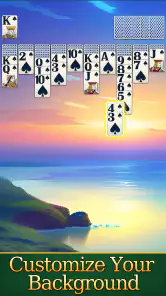
Yes. Spider Solitaire: Card Games includes customizable card backs and backgrounds, so you can change the look of the playing area to suit your preference. These options let you add a personal touch while keeping the familiar card-game layout. The game also supports portrait and landscape orientations, which can make it more comfortable to play on different screens.
Is Spider Solitaire: Card Games suitable for new players?
Yes. The familiar card-game format makes Spider Solitaire approachable, and the game’s hint and undo options can help when you are learning how sequences work. You can begin with a simpler suit setup and take time to consider each move. As you become more comfortable arranging cards, you can try a more challenging setup at your own pace.
What is Spider Solitaire: Card Games?
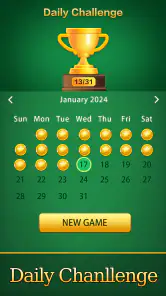
Spider Solitaire: Card Games is a classic card game app available on Android and iOS devices. It offers a relaxing yet challenging gameplay experience, where players aim to arrange cards in descending order to clear the board. The game features multiple difficulty levels, customizable themes, and daily challenges to keep players engaged. It is developed by MobilityWare and is free to download, with optional in-app purchases.
How do I play Spider Solitaire: Card Games?
To play Spider Solitaire, you start by dealing cards into ten columns. The goal is to create sequences of cards in descending order from King to Ace. Once a full sequence is completed, it is removed from the board. The game can be played with one, two, or four suits, with more suits increasing the difficulty. Players can use the undo feature to reverse moves and the hint feature for guidance.
Pros
- User-friendly interface and easy to navigate.
- Offers multiple levels of difficulty.
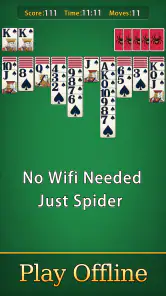
- No internet connection required.
- Supports both portrait and landscape modes.
- Daily challenges boost engagement.
Cons
- Ads can be intrusive at times.
- Limited customization options.
- Lacks multiplayer features.
- In-app purchases can be costly.
- Occasional bugs in older devices.
- Category
- Card
- Version
- 7.5.2.4786