PokerStars: Texas Holdem Games
- 10.62K
- 2.6
- Installs
- 10.00M
- Price
- Free

Screenshots
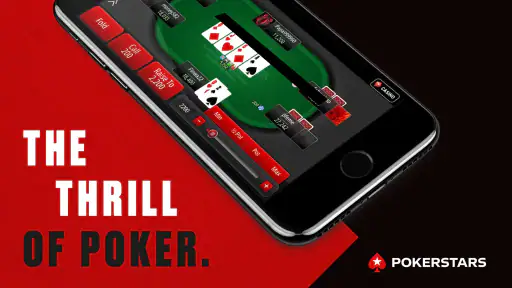
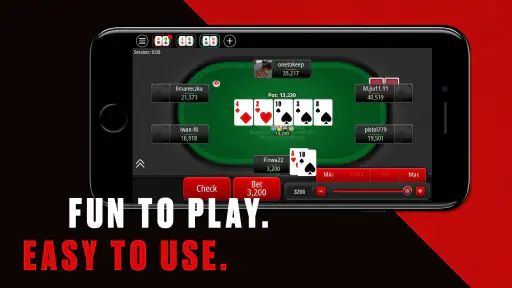
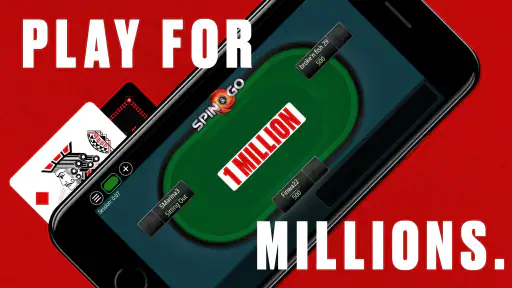
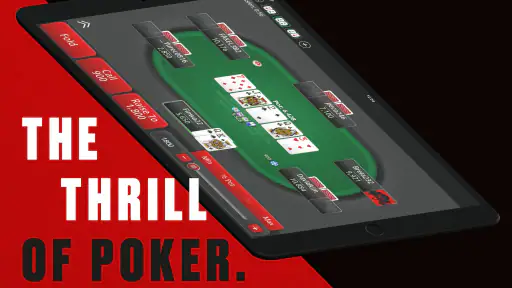
Analysis by Reviewed
I approached PokerStars: Texas Holdem Games as a quick card-game break rather than a serious replacement for a live poker table. That distinction matters. The app is free to start, puts Texas Hold’em and Omaha cash games and tournaments on a phone, and gives you a reason to return with free chips on a regular cycle. At the same time, its average rating of 2.6 from around 335 thousand ratings shows that the experience is not universally smooth. My impression is that the game can be entertaining when you enjoy fast online poker and understand its limits, but it asks for patience if you dislike competitive pressure, repeated prompts, or the possibility of spending more than planned.
It is a card game from TSG Platforms Ireland Limited, available for users aged Teen and above. The app has been around since May 22, 2012, and its reach is substantial, with over 10 million installs. That longevity tells me it is not a small experiment, but popularity alone does not make every session satisfying. The useful question is whether its particular play loop fits the way you want to play poker on a mobile device.
From opening the table to making the first decision
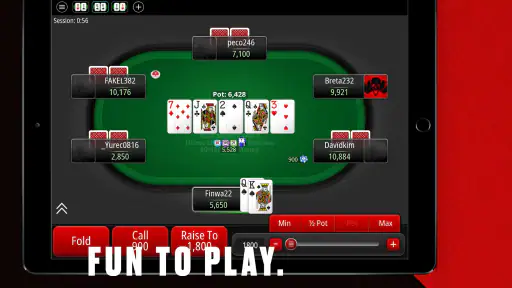
The first action is straightforward: choose a poker format, look at your hand, and decide whether to fold, call, check, or raise when the table reaches you. Texas Hold’em is the natural starting point for most people because the shared cards make each hand easy to follow, while Omaha gives experienced players a denser puzzle with more possible combinations. I would begin with the freer, lower-pressure play rather than jumping immediately into a competitive tournament. That lets you learn the pace, table controls, and betting rhythm without turning every mistake into a frustrating event.
The app’s free-chip structure is central to that opening experience. The store summary promises 15,000 free chips every four hours, so the game is designed around returning for another supply rather than treating one balance as endless. That creates a clear entry point for casual players: open the app, collect what is available, join a table, and see how long your bankroll lasts. It also means the game is not simply a one-time download followed by unlimited relaxed play. Your decisions affect how quickly you need to wait for the next refill or consider another route.
I like that this setup gives a new player room to practice poker judgment without requiring a purchase at the door. However, “free” should be read carefully. The game includes in-app purchases ranging from $0.99 to $399.99 per item. A player who is comfortable waiting can treat the refill cycle as the boundary of the experience. Someone who wants to keep playing after losing chips may feel pressure to buy more. I would decide on a personal spending limit before playing, especially if the phone is shared with a younger user.
The first few hands are also where you discover whether mobile poker suits you. A short session can be convenient while commuting, waiting for an appointment, or relaxing after dinner, but the app still demands attention. Missing a decision because you switched to another task can be costly within the game. I would not open it when I need a quiet, interruption-free activity or when I am already tired and likely to make impulsive calls.
Why the opening minutes matter
My most useful early habit is to watch one or two hands before trying to win quickly. Notice how much time the table gives you, how the betting grows, and whether you are comfortable reading the board on a small screen. This is more valuable than chasing an early double-up. Poker rewards waiting for a sensible situation, and a mobile interface can tempt you to tap simply because the action is available.
More From Our News Desk

Clash of Clans Is Won Between the Battles

Android Auto Makes the Case for Quieter Car Software

MobiOffice: Transforming Mobile Productivity with Seamless Integration

EA SPORTS FC™ Mobile Soccer: Redefining Mobile Sports Gaming

How Microsoft OneDrive Became a Mobile Productivity Giant

How Google Translate Breaks Language Barriers Effortlessly
Omaha deserves separate caution. It may look like a small variation on Hold’em, but the extra hole cards create more possible draws and make casual hand evaluation less reliable. If you normally play only Hold’em, I would stay with that format until you can explain why your hand is strong relative to the board. Moving to Omaha because it appears more exciting can turn the first session into confusion rather than discovery.
The game is free to download, but it is not necessarily free of friction. The sizable install base suggests that finding a community around the app is not the main concern. The more personal issue is whether you enjoy playing against other people at a pace set by the table. If you prefer a puzzle that pauses whenever you want, a solo card game may be a better fit.
Action, feedback, and the rhythm that keeps a hand moving
Once a hand begins, the feedback rhythm is built from small decisions and immediate consequences. You see your cards, watch the shared board develop, and receive the next betting situation. A good fold gives you information about discipline even though it does not produce a visible win. A successful call or raise makes the next card feel more important, while a lost pot resets your attention toward the next hand. That cycle is the strongest part of the experience for me because it turns poker knowledge into something active rather than theoretical.
The app works best when I treat each hand as a separate decision instead of trying to recover losses immediately. After an unlucky result, the temptation is to play a weaker hand or raise more aggressively. That is exactly when the reward loop can become uncomfortable. The game offers another hand almost immediately, so there is little natural pause forcing you to reconsider. I recommend using a personal rule: after a large loss or a frustrating mistake, leave the table for a few minutes instead of letting the next deal make the decision for you.
That pause is especially useful in tournaments. A cash-game hand ends and you can evaluate the next one with a relatively clean slate. A tournament has a broader arc, so chips, position, and survival can influence how you approach later decisions. I would choose tournaments when I want a more structured session and cash games when I want to stop without feeling that I abandoned a longer run. The trade-off is simple: tournaments can create stronger momentum, while cash games are easier to fit around ordinary daily interruptions.
The feedback is not only about winning. You gradually learn whether your pre-flop choices are too loose, whether you chase draws too often, and whether you raise for a reason or merely because the table feels quiet. The app provides a practical environment for noticing those habits. It will not replace studying poker fundamentals, but it can expose the difference between knowing a rule and following it when chips are on the line.
Reading the table without rushing
A concrete technique I found useful is to separate the visual information into three checks: my hole cards, the current board, and the amount required to continue. That sounds basic, yet mobile play encourages quick glances. Before tapping, I ask what hands I am trying to beat and what new card could improve an opponent. This reduces automatic calls and makes the action feel more deliberate.
Another helpful workflow is to use a session note after playing. I might remember one hand where I folded too early and another where I called too long. Keeping those observations in mind during the next visit gives the refill cycle a learning purpose. Instead of returning only to collect chips and repeat the same choices, I return with one specific behavior to test. That is a more satisfying use of the app than measuring every session only by the final balance.
The downside is that online poker feedback can feel blunt. A good decision can lose, and a poor decision can win. If you judge yourself only by the result of one hand, the game teaches the wrong lesson. I prefer to judge a choice by the information available at the time. That mindset makes the app more enjoyable and also protects against the urge to chase a result that was never fully under your control.
Rewards, free chips, and the cost of continuing
The reward side of the loop is what brings another session into view. Winning a pot is the obvious reward, but the larger attraction is the feeling that a small bankroll can support a little more play. The scheduled free-chip allowance gives the app a built-in return point. You can close it, do something else, and come back later with another chance to play without necessarily paying.
That system is convenient for casual users, yet it also changes the emotional shape of the game. When chips run low, the next decision is no longer only about poker. It becomes a choice between waiting, changing tables, or purchasing more. Because the available items can reach $399.99, I would not regard purchases as a harmless extension of the free experience. The safest approach is to disable impulsive payment access where possible on your device and treat every purchase as entertainment spending, not as a way to recover a loss.
I also would not assume that a larger chip balance automatically improves the game. More chips can reduce the immediate fear of losing, but they can also make reckless play feel consequence-free. For learning, a smaller controlled balance may actually be more useful because it forces you to think about table selection and hand quality. The reward is strongest when it supports better decisions, not when it simply allows endless action.
The app’s Teen content rating is worth considering in a household. Poker-style chips may not be real currency inside the table, but the presence of paid items means younger players should use it with clear boundaries. I would explain the difference between virtual chips and real spending before handing over a device. For adults, the same advice applies in a different form: decide whether you are paying for extra play time and convenience, and never frame a purchase as a guaranteed path to winning.
Who gets the most from the reward loop
This game is a good match for someone who already understands basic poker and wants frequent, short opportunities to play. It is also useful for a learner who can stay patient, review mistakes, and accept that a free-chip schedule limits the length of a session. The app is less suitable for a person who wants a calm, offline card pastime, a completely purchase-free environment, or a game where skill produces a predictable result every time.
Compared with a physical deck, the app removes setup, chip counting, and the need to find a group of friends. That convenience is its main advantage. Compared with a simpler solitaire or single-player poker game, it adds social competition and a much more active reward loop, but also more pressure and less control over timing. Compared with other online poker apps, the familiar PokerStars identity and large install base may make it feel like an established destination, yet the rating shows that reputation does not eliminate personal frustrations. I would choose it for access to online Hold’em and Omaha, not merely because the name is recognizable.
Resetting after a hand, a loss, or a complete session
The reset is built into the next deal. After a hand ends, the table immediately offers a new decision, which is excellent when I want momentum and less helpful when I need to stop. A disciplined reset means asking whether I am still playing for a clear reason. Am I practicing pre-flop patience, enjoying a tournament, or simply trying to undo the previous loss? If the honest answer is the last one, I close the app.
For an everyday scenario, imagine having fifteen minutes before leaving for work. I would avoid starting a tournament if I cannot give it sustained attention. A short cash-game visit is more practical because I can play a few hands and leave at a natural break. In the evening, when I have more time, I might choose a tournament and use the longer format as focused entertainment. The important point is to match the mode to the time available instead of letting the game decide how long I stay.
Resetting also means accepting a depleted balance without trying to force a solution. The free-chip schedule gives you a natural reason to return later. I see that as a healthier design choice when used intentionally: stop, wait, and come back with a fresh head. If waiting feels unbearable, that is a sign the purchase system is influencing the session more than the poker itself.
Version 3.94.0 runs on Android 8.0 or later, so compatibility is reasonably broad for users with devices that meet that requirement. Still, I would check the operating system before planning to install it on an older phone. A poker game depends on a stable, readable interface and reliable timing; even if the app opens, an aging device or poor connection can make decisions more stressful. I would also keep the screen uncluttered and avoid playing while multitasking, since a missed action can change the entire hand.
When another option is better
I would skip this app if your main goal is learning poker in a quiet, controlled way. A book, a strategy course, or a practice format with no competitive timer may teach fundamentals more clearly. I would also look elsewhere if you want a game that is fully offline, has no virtual economy, or lets you pause every action. This title is built around the energy of a live online table, and that energy is both its appeal and its main source of friction.
On the other hand, if you want to fill a short break with real poker decisions, the app has a clear use case. Hold’em offers the familiar starting point, Omaha gives experienced players a more demanding alternative, and tournaments provide a longer goal than isolated hands. The free-chip refill can keep occasional play accessible, provided you are willing to wait and do not treat purchases as part of the expected cost of winning.
My verdict on the complete play loop
The loop is easy to understand: open the table, make a decision, receive immediate feedback, build or lose virtual chips, then decide whether to play another hand or wait for the next free supply. That loop works because poker naturally creates suspense between action and result. It breaks down when the next session becomes an emotional attempt to recover losses or when purchase options overshadow the free route.
My recommendation is cautious but positive for the right player. I would suggest it to someone who enjoys online card competition, knows the basics of Hold’em, and can set firm limits around time and spending. I would start with free play, choose one format, and focus on decision quality rather than the balance. After a few sessions, I would decide whether the pace and interface genuinely add something to my poker routine.
The low average rating is an important warning not to expect a flawless experience, while the large audience shows that the concept has lasting appeal. For me, the strongest reason to keep it installed is the convenience of reaching a poker table without organizing people or equipment. The strongest reason to remove it would be feeling pushed into longer sessions or purchases. The best way to enjoy PokerStars is to control the reset yourself: play with a plan, stop when the plan ends, and let the next session be a choice rather than a reaction.
PokerStars: Texas Holdem Games Frequently Asked Questions
How much storage space and mobile data should I allow for PokerStars: Texas Hold’em Games?
Before installing, make sure your device has enough free storage for the app and room for future updates. PokerStars: Texas Hold’em Games is an online poker game, so playing also uses an internet connection; mobile data consumption can vary with how long you play and how you connect. Wi-Fi is a practical choice for longer sessions, especially if you want to avoid using your mobile data allowance.
Who develops PokerStars: Texas Hold’em Games, and how popular is it?
PokerStars: Texas Hold’em Games is developed by TSG Platforms Ireland Limited. It has been available since May 2012 and has reached more than 10 million installs, so it is a familiar name in mobile poker. Its average rating is 2.6 from around 335,000 ratings, a useful reminder to read recent player feedback and decide whether its features suit your expectations.
What devices and operating systems can run PokerStars: Texas Hold’em Games?
PokerStars: Texas Hold’em Games is available for Android and iOS devices, and the Android version requires Android 8.0 or later. Before downloading, check that your phone or tablet meets the relevant platform requirements and has enough available space for installation and updates. Keeping your operating system current can also help the app run smoothly.
What poker formats and games are available in PokerStars: Texas Hold’em Games?
The app focuses on Texas Hold’em and also offers Omaha, with cash games and tournaments among its formats. Its store summary highlights free chips every four hours, which can be used for play-money poker. The available tables and options make it possible to choose a style of play, though newcomers may want to begin with simpler games while learning the rules.
What is PokerStars: Texas Hold’em Games?
PokerStars: Texas Hold’em Games is a mobile poker app focused on Texas Hold’em, offering cash games, tournaments, sit-and-go formats, and other poker experiences. After exploring the app, I found that it is designed for both beginners and experienced players, with tables available at different skill levels. The interface is polished, but new users may need time to understand the menus and game options.
Pros
- Large player pool makes it easy to find games at most stakes.
- Includes tournaments
- cash games
- Sit & Go events
- and play-money tables.
- Clear hand histories help review decisions and track previous sessions.
- Regular promotions and loyalty rewards can add value for frequent players.
- Supports responsible gaming tools
- including deposit and session limits.
Cons
- Real-money features are unavailable or restricted in some countries and regions.
- The app can feel overwhelming for beginners due to its many game options.
- Multi-tabling and fast formats may encourage impulsive or rushed decisions.
- Promotions often include eligibility rules
- wagering terms
- or limited availability.
- Performance and connection quality can vary on older devices or weaker networks.
- Category
- Card
- Version
- 3.94.0